
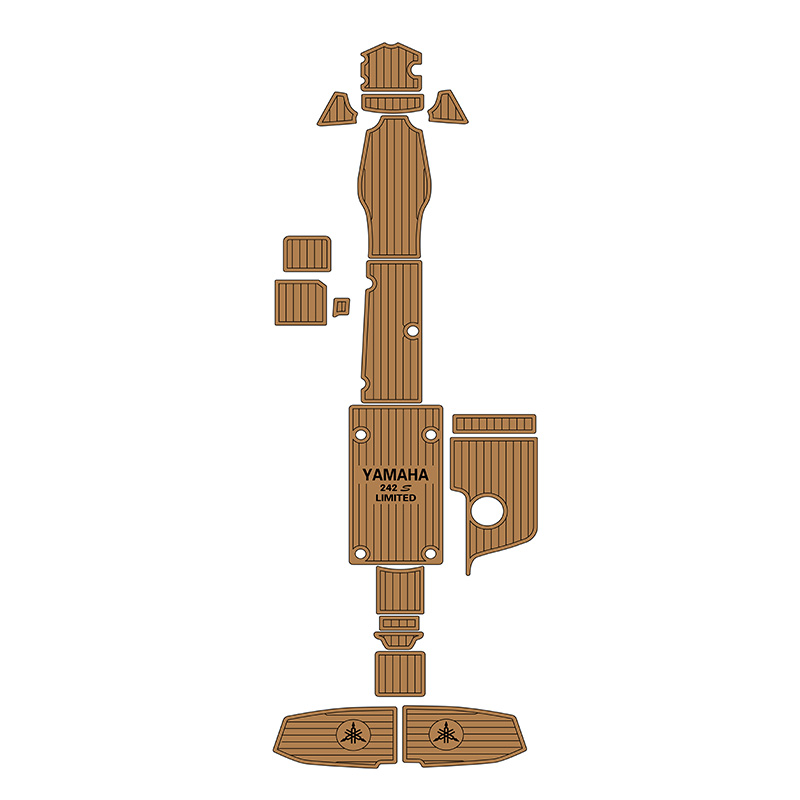
 Marine Decking & Custom Kits
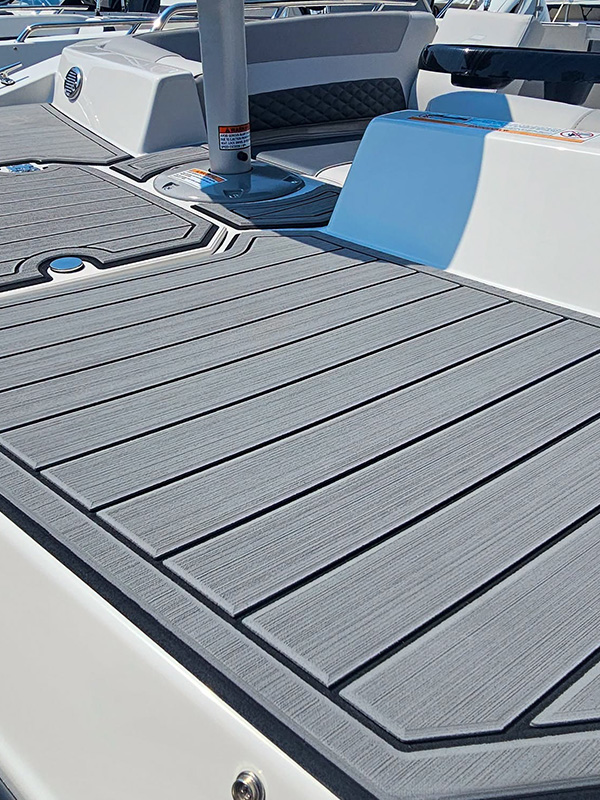 Yacht Decking
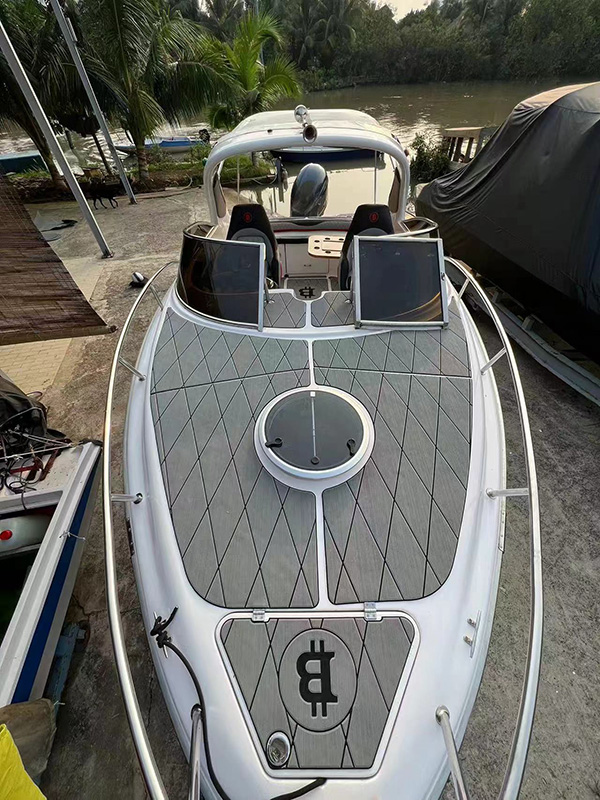 Fishing Boat Decking
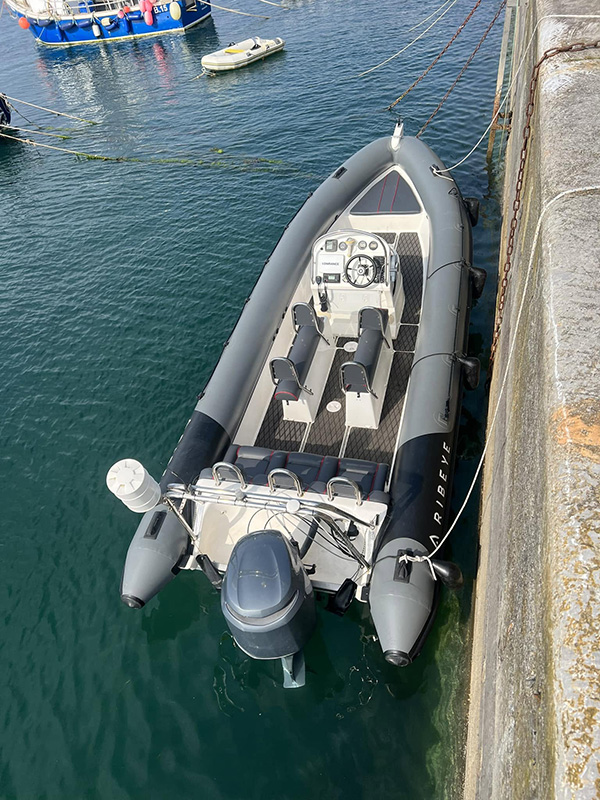 RIB Decking
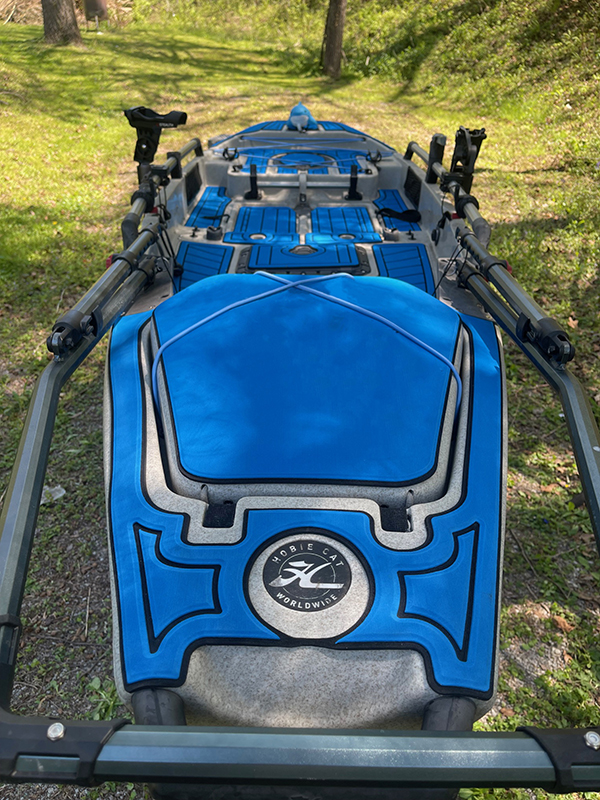 Kayak Deck Pads
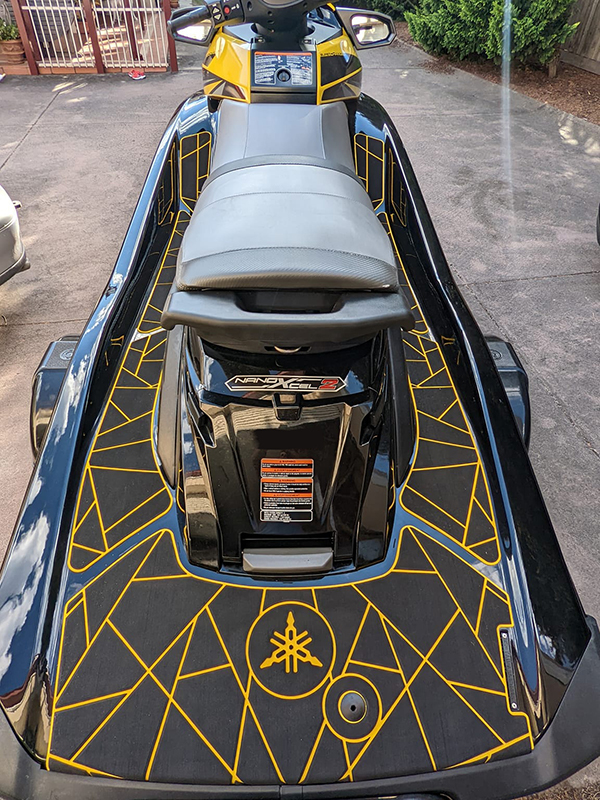 Jet Ski Traction Mats
 Onboard Comfort & Utility Pads
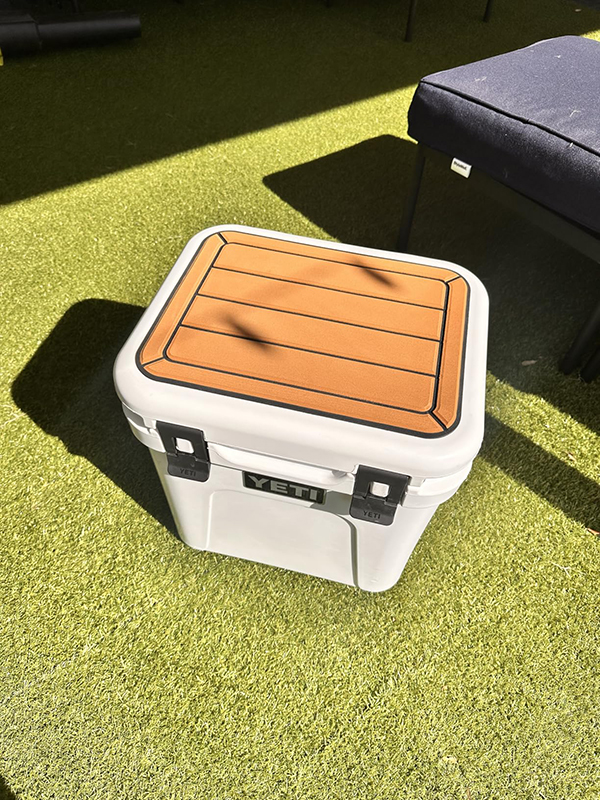 Cooler Pads
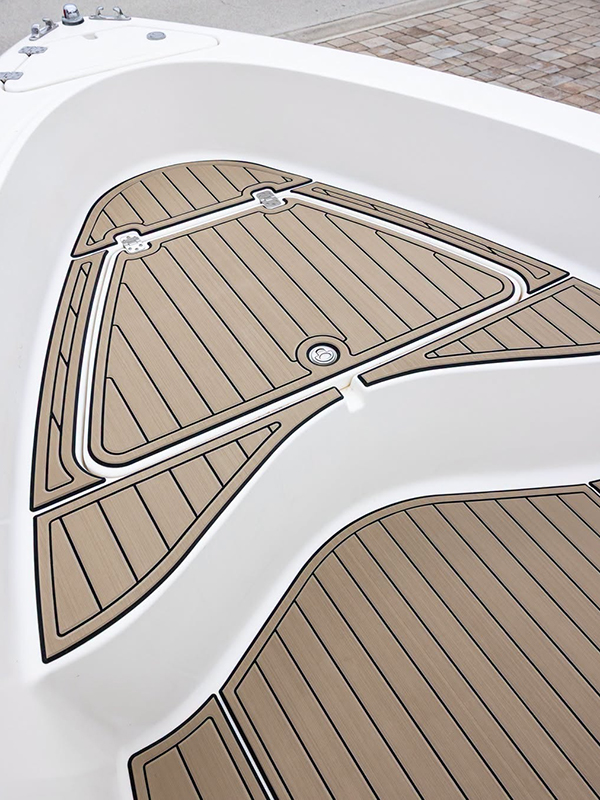 Coaming Bolster Pad
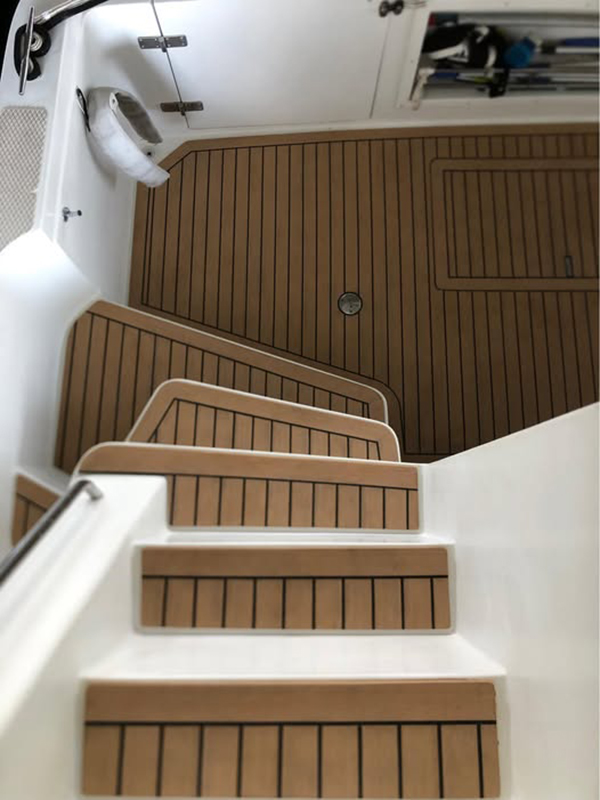 Step Pads
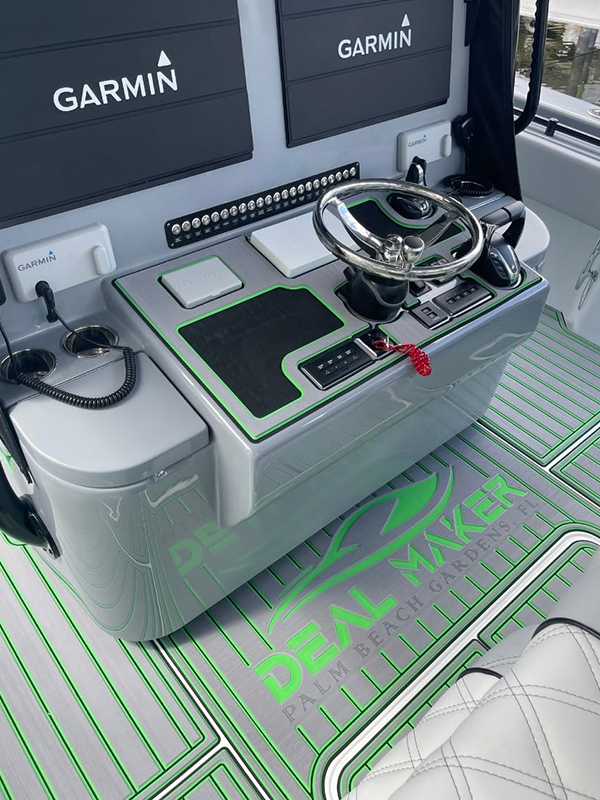 Helm Station Pads
 Watersports & Fishing Gear
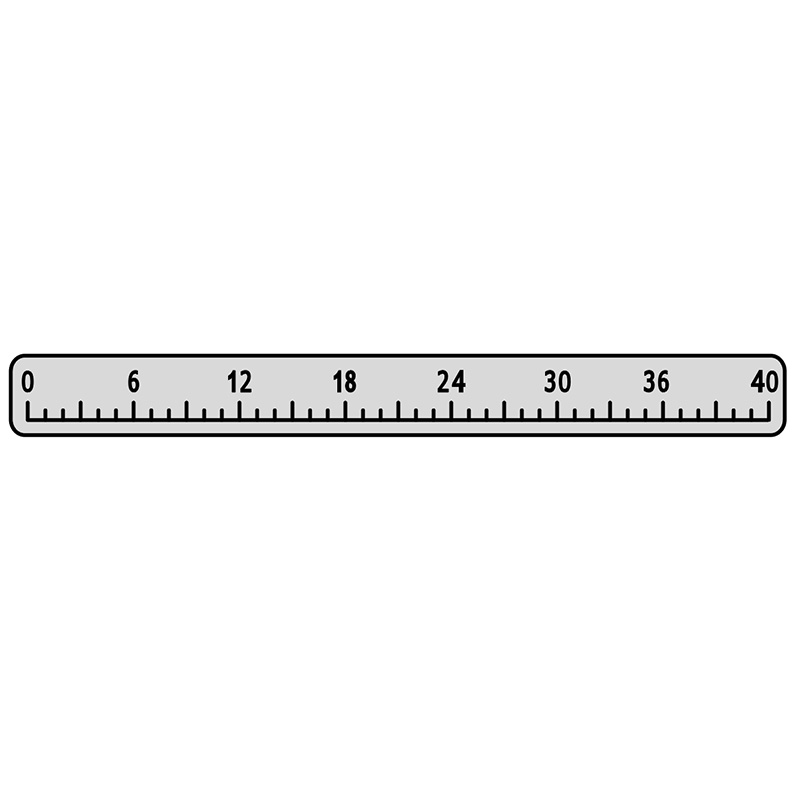
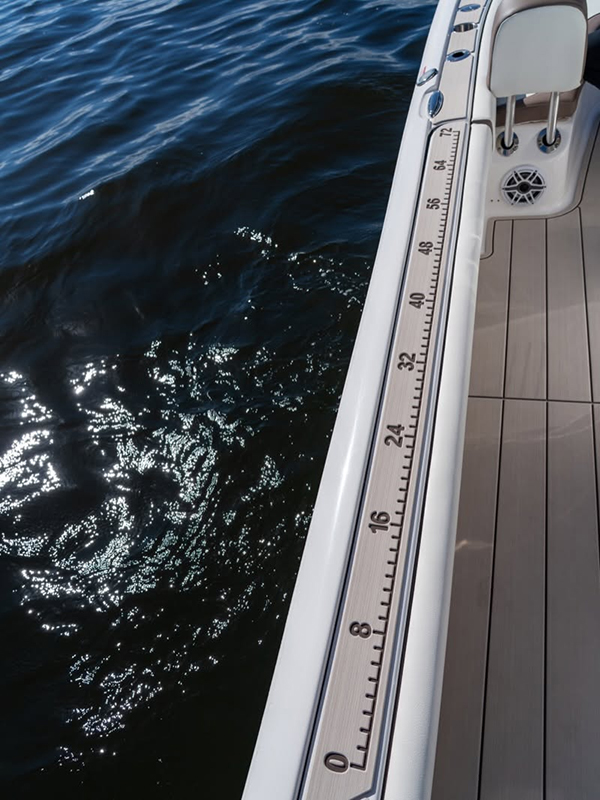 Fish Rulers
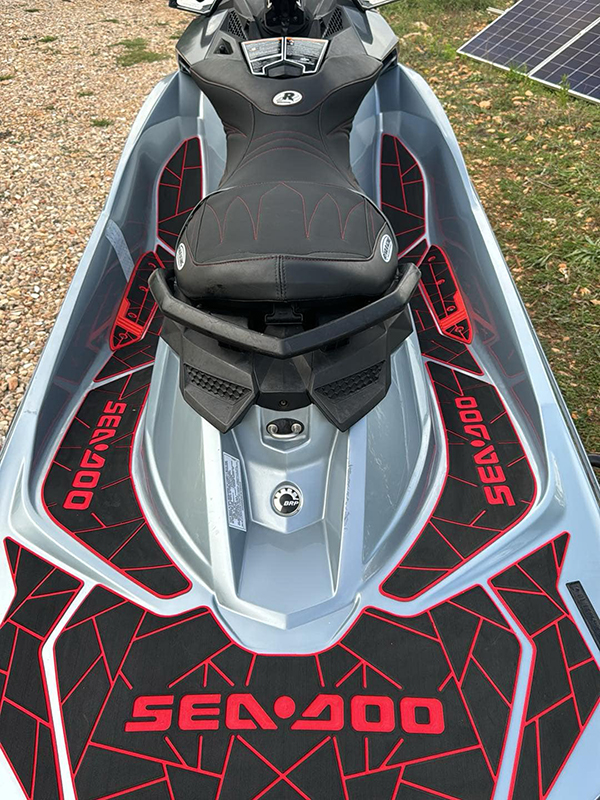 PWC Traction Pads
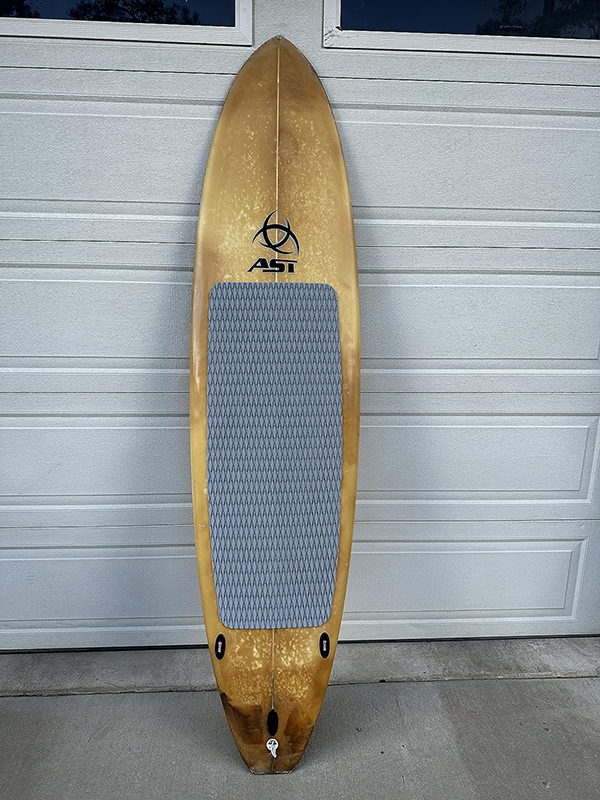 Stand-Up Paddleboard (SUP) Pads
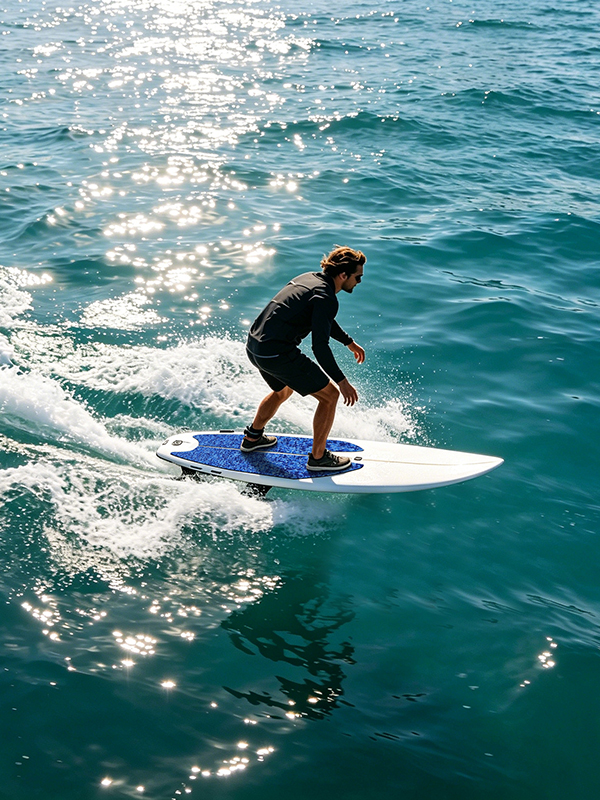 Hydrofoil Surfboard Pads
 Other
 RV & Camper Flooring
 Inflatable Floating Docks
 Golf Cart Mats
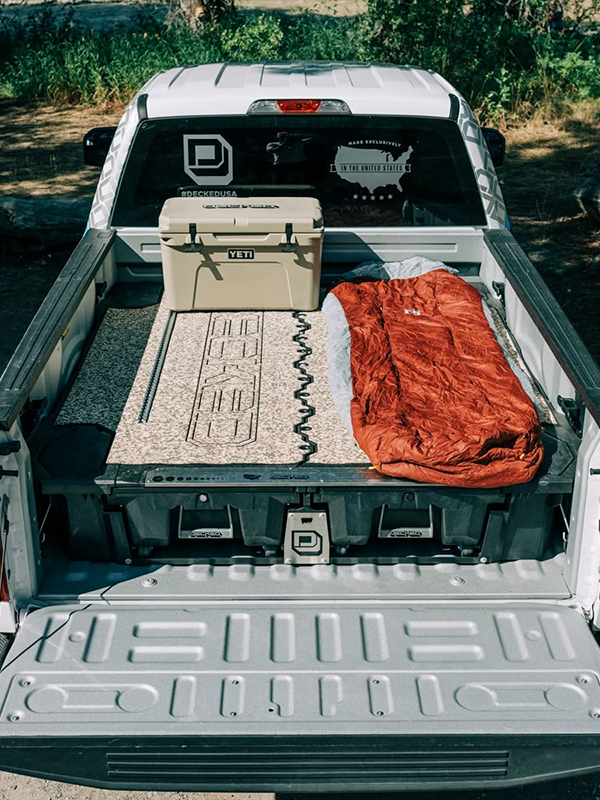 Auto Trunk Liners
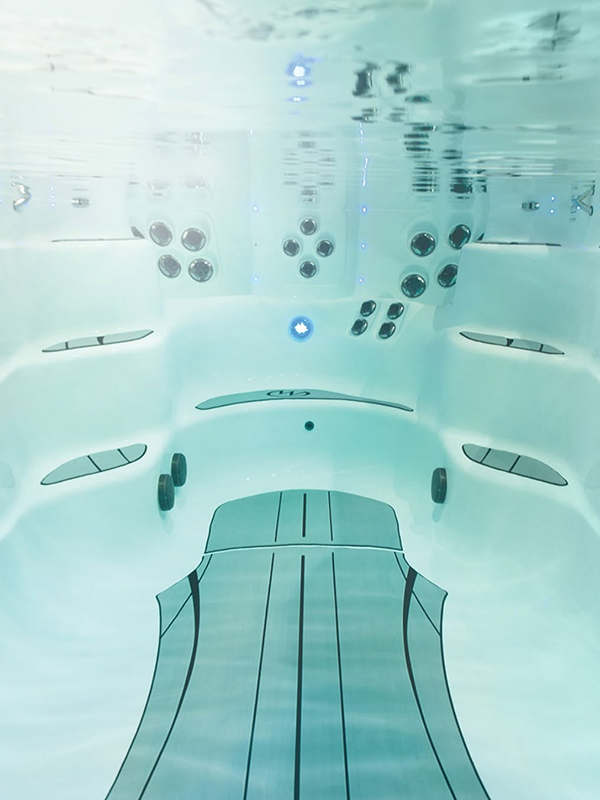 Bathtub Anti-Slip Mats
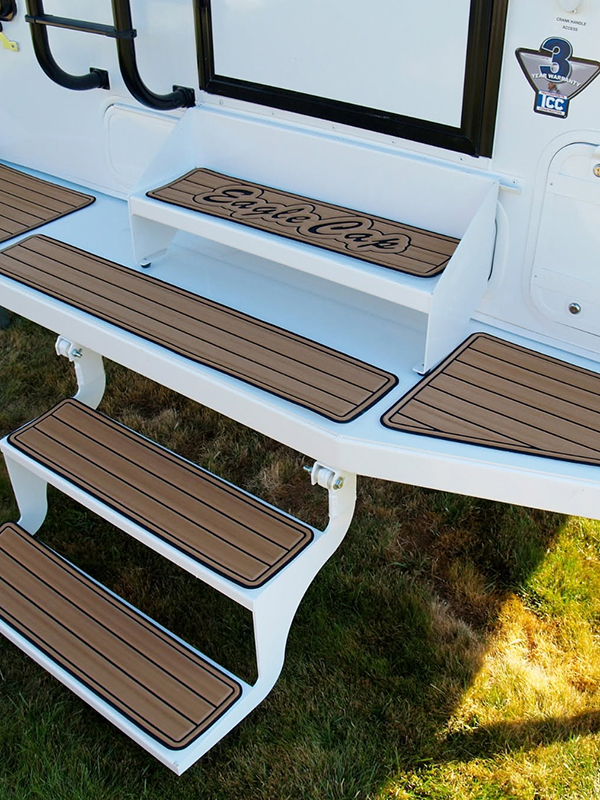 Stair Treads
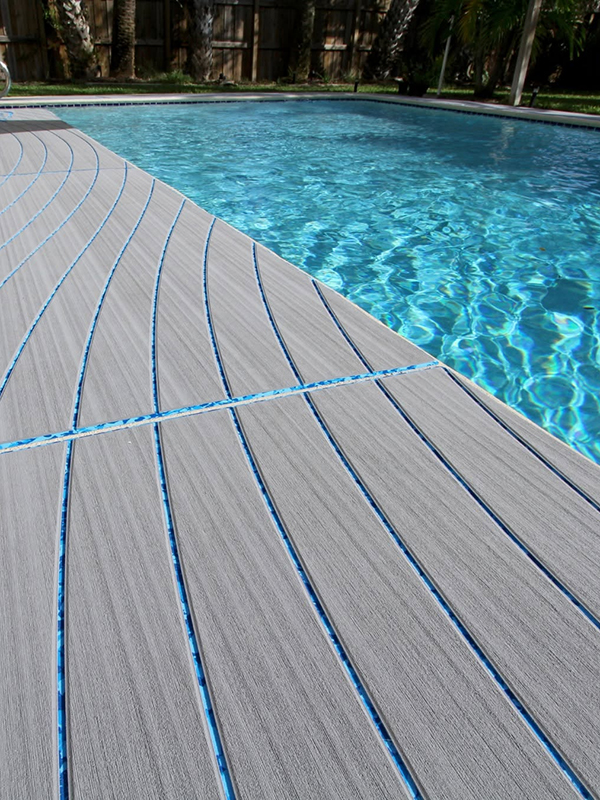 Swim Platform Mats



Industry News
Why Weight and Flexibility Matter in Marine Deck Design
2026-10-13
The Design Factors Behind Better Marine Decking
In modern recreational boats, deck design is about more than appearance. The materials selected for a deck can influence installation, layout flexibility, maintenance, and the overall onboard experience. As boat designs accommodate increasingly diverse uses, weight and flexibility have become important considerations when evaluating marine decking materials.
For boat builders and marine refit specialists, the challenge is to select a surface that fits the vessel's design while meeting the practical demands of the marine environment. Understanding how material weight and flexibility affect decking decisions can help guide more effective design choices.
Why Weight Matters in Marine Deck Design
Every component contributes to a vessel's total weight, including its flooring and decking. When planning a new build or refitting an existing boat, designers must consider how the weight of each material fits within the vessel's overall specifications.
Lightweight boat flooring can help limit the additional weight introduced by a decking upgrade. The actual effect depends on the material's density, thickness, coverage area, and the construction of the existing deck. Weight should therefore be assessed alongside other requirements rather than treated as the sole measure of performance.
Durability, traction, resistance to moisture, and ease of maintenance remain important factors. The goal is to find a marine decking solution that balances practical performance with the vessel's design requirements.
How Flexibility Supports Custom Deck Layouts
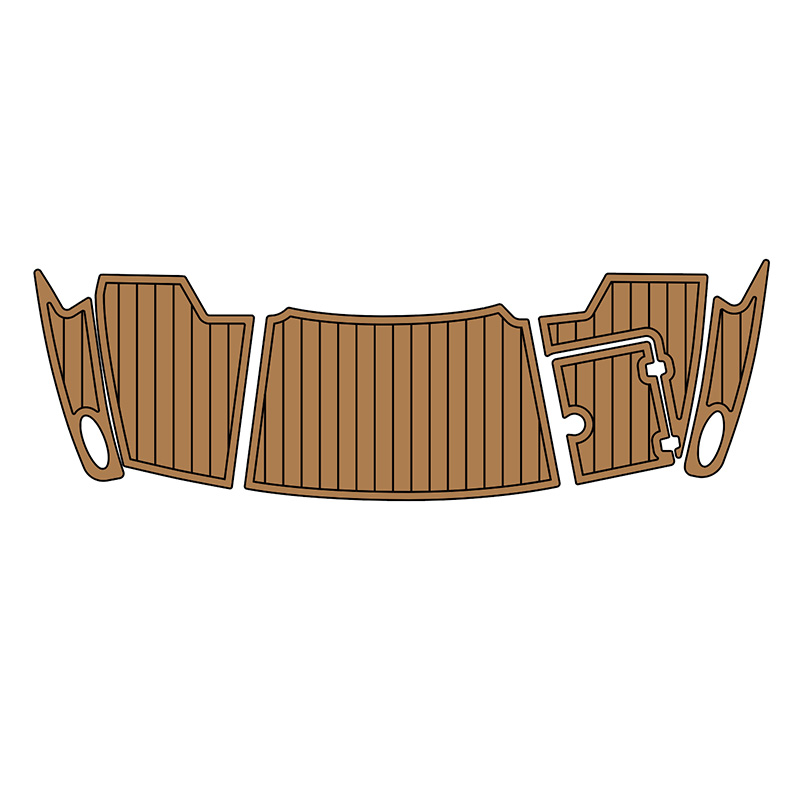
Marine decks often feature curved edges, irregular outlines, access hatches, and built-in hardware. These details can make it difficult to achieve a precise fit with materials that are designed primarily for flat, uniform surfaces.
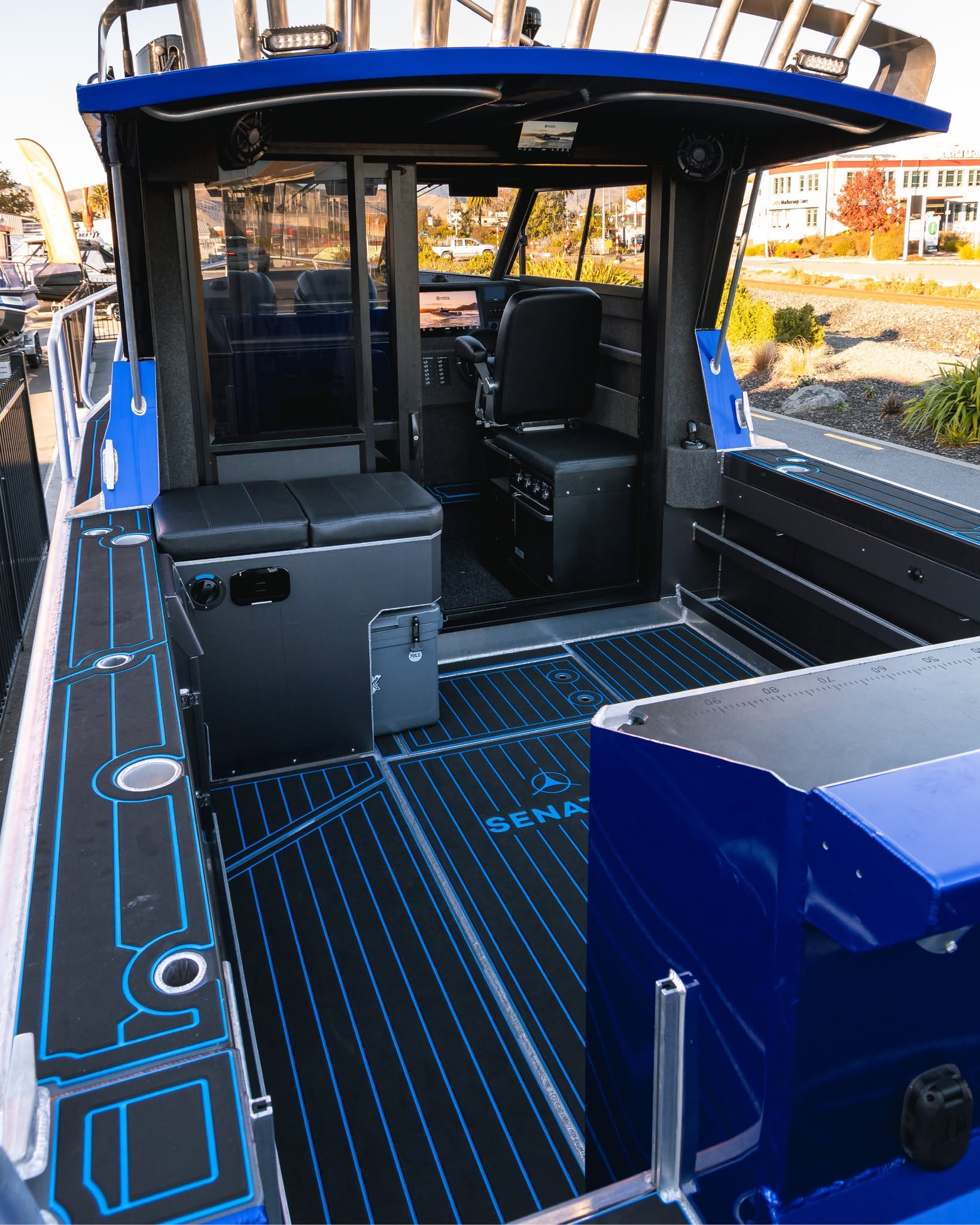
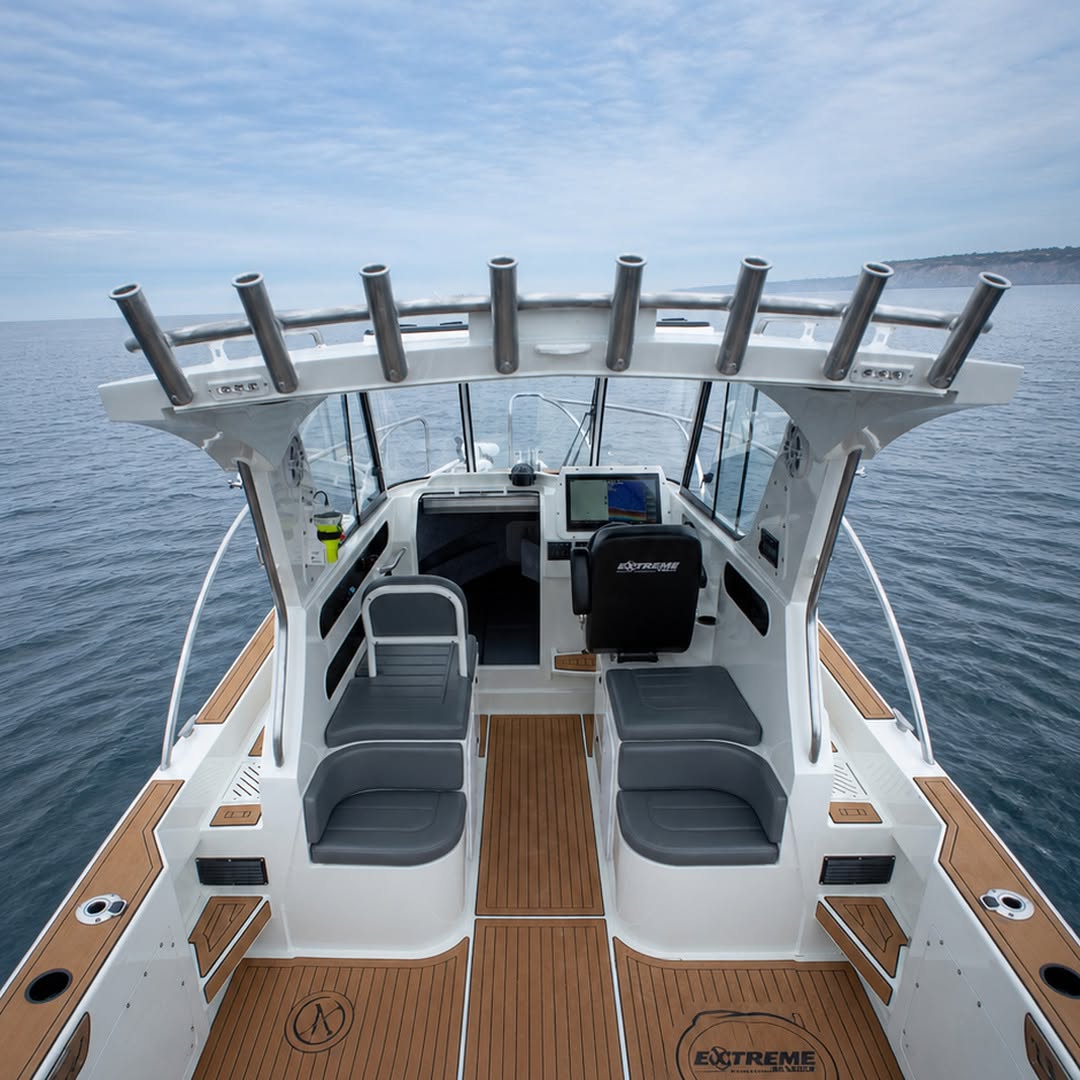
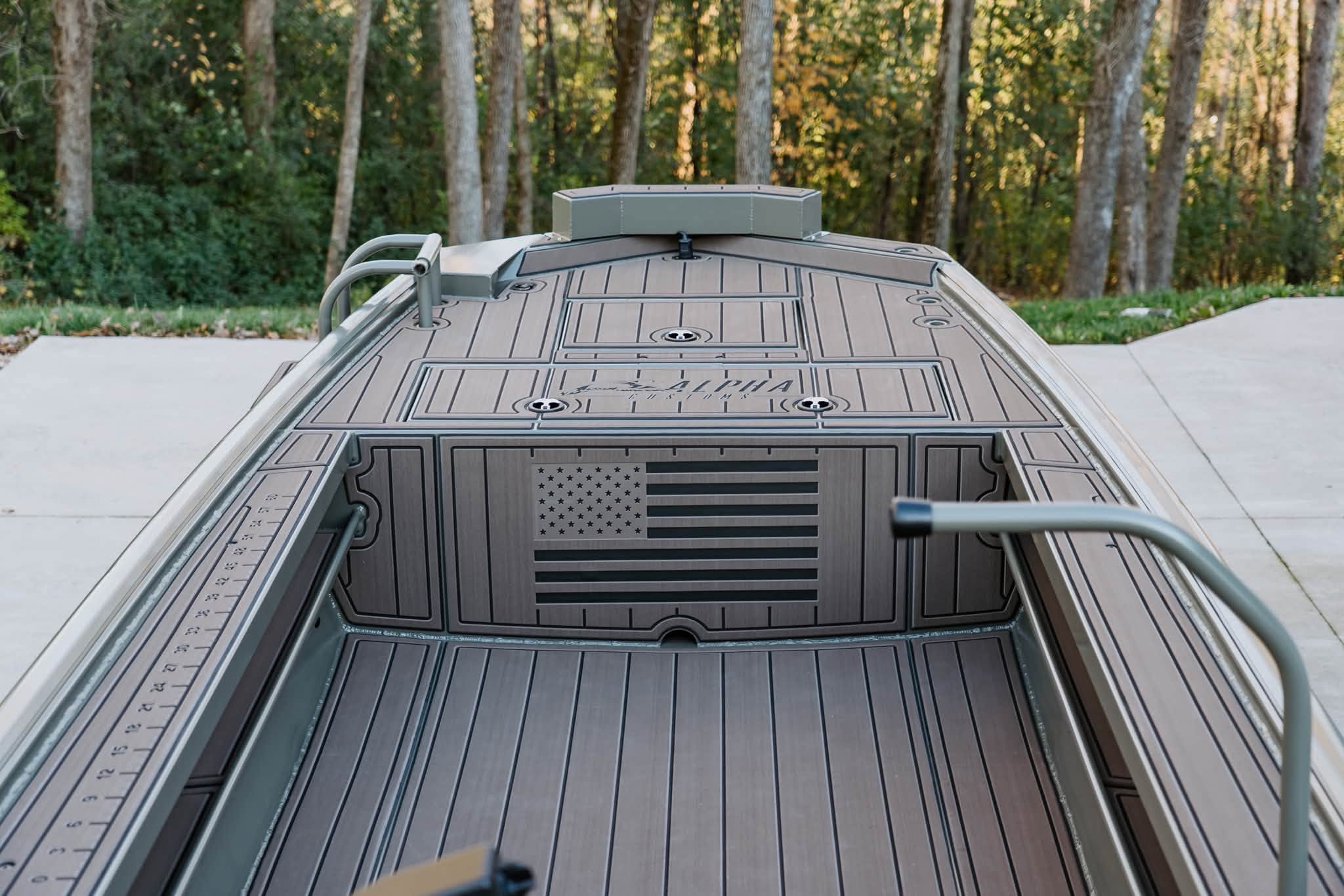
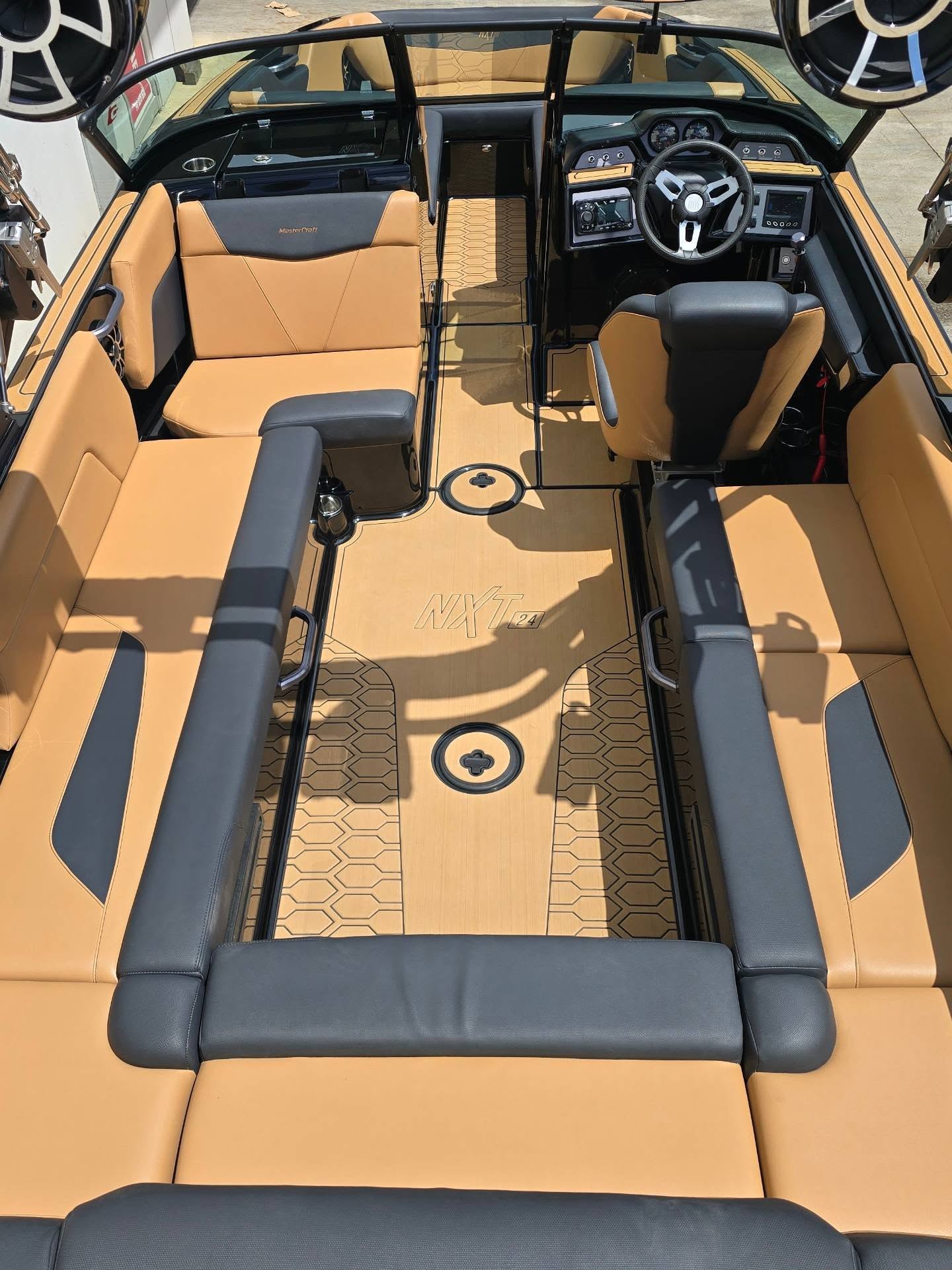
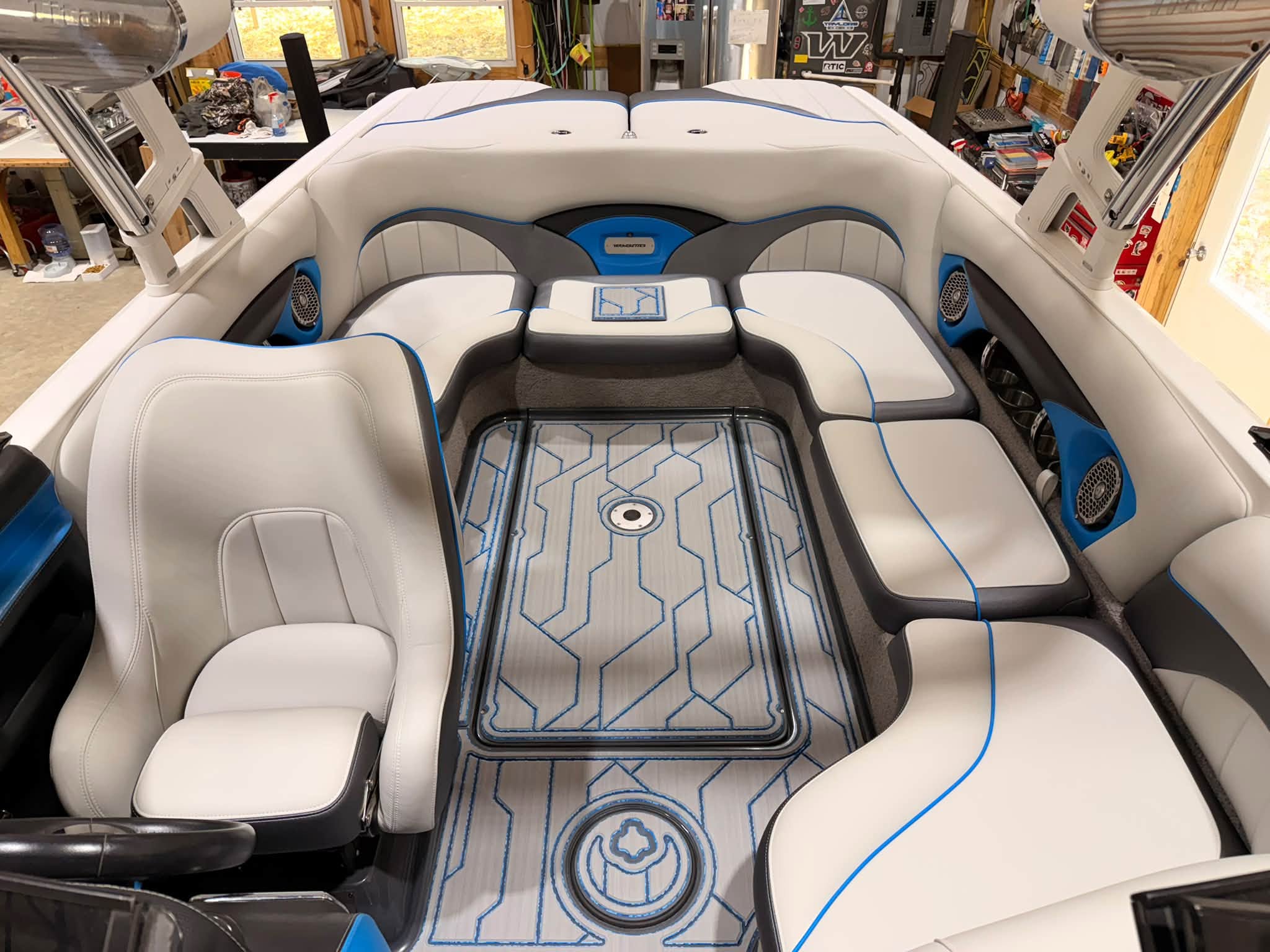
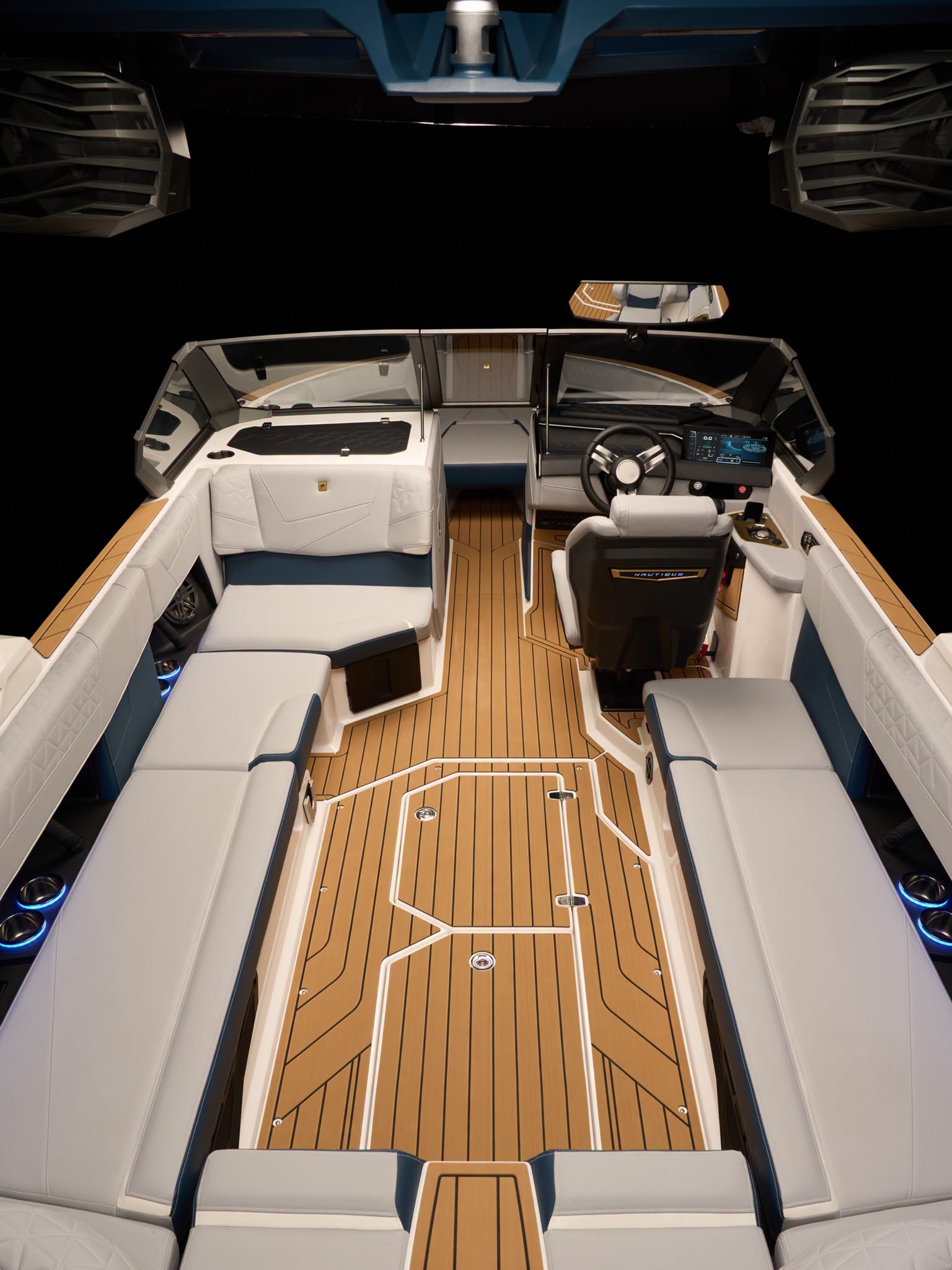
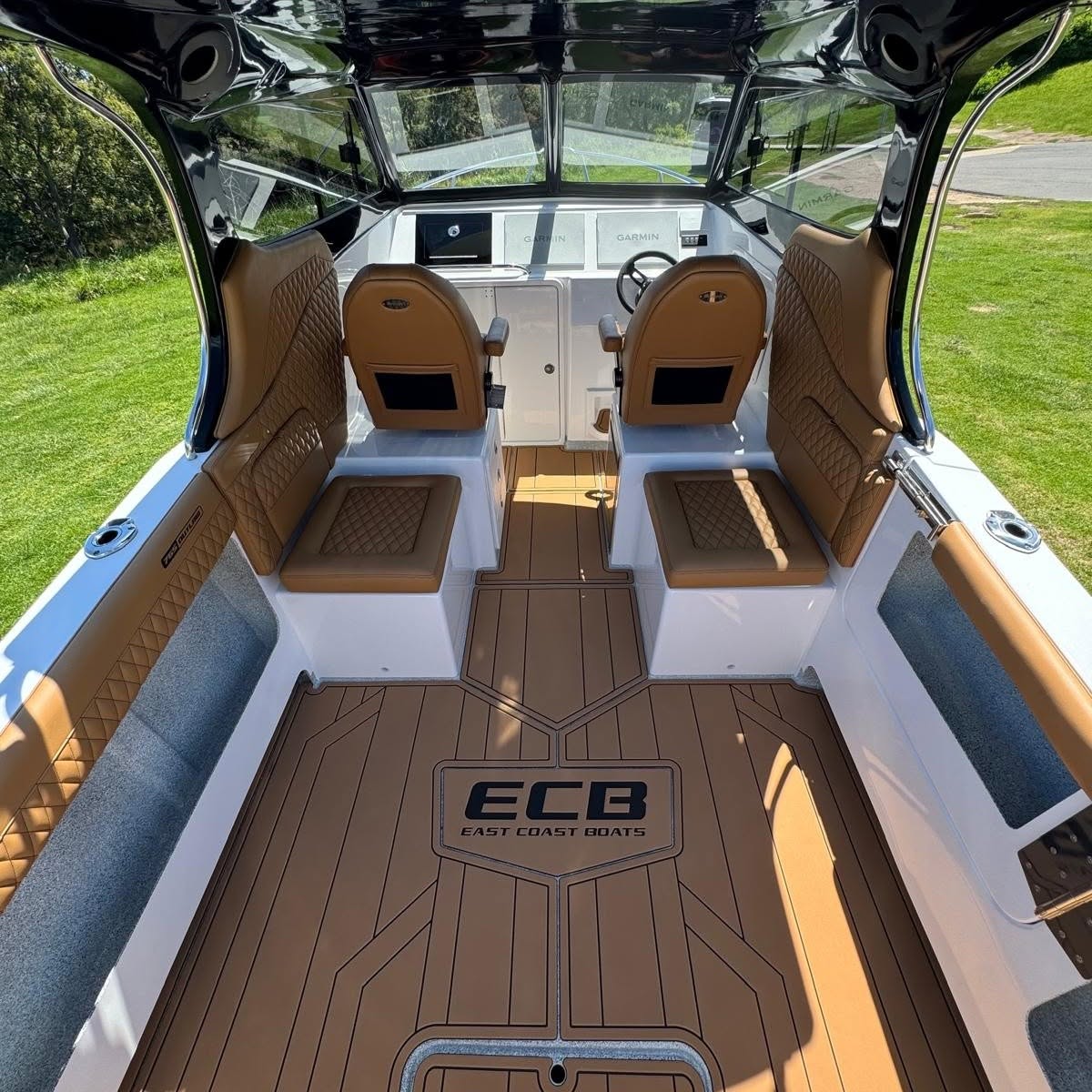
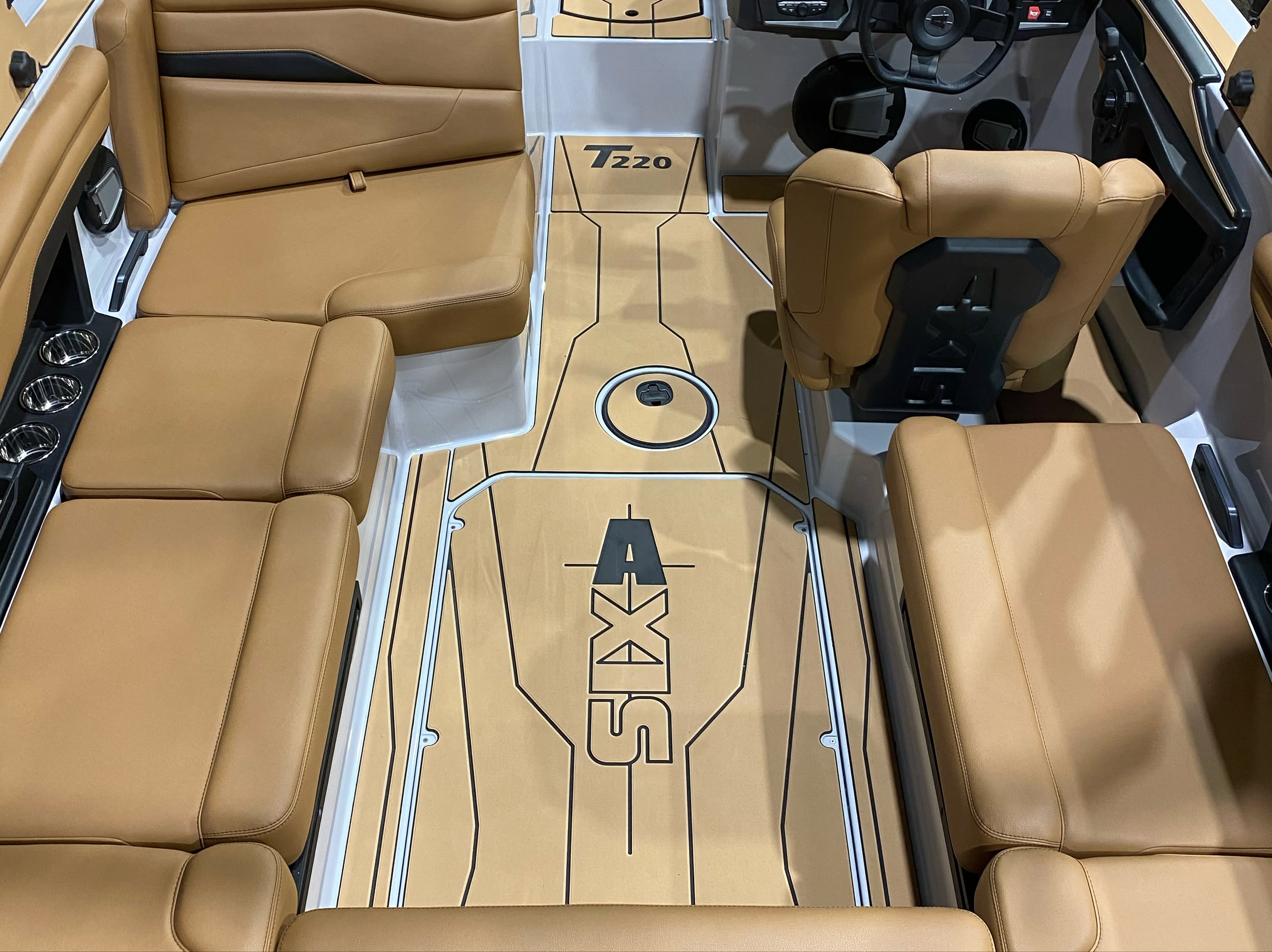
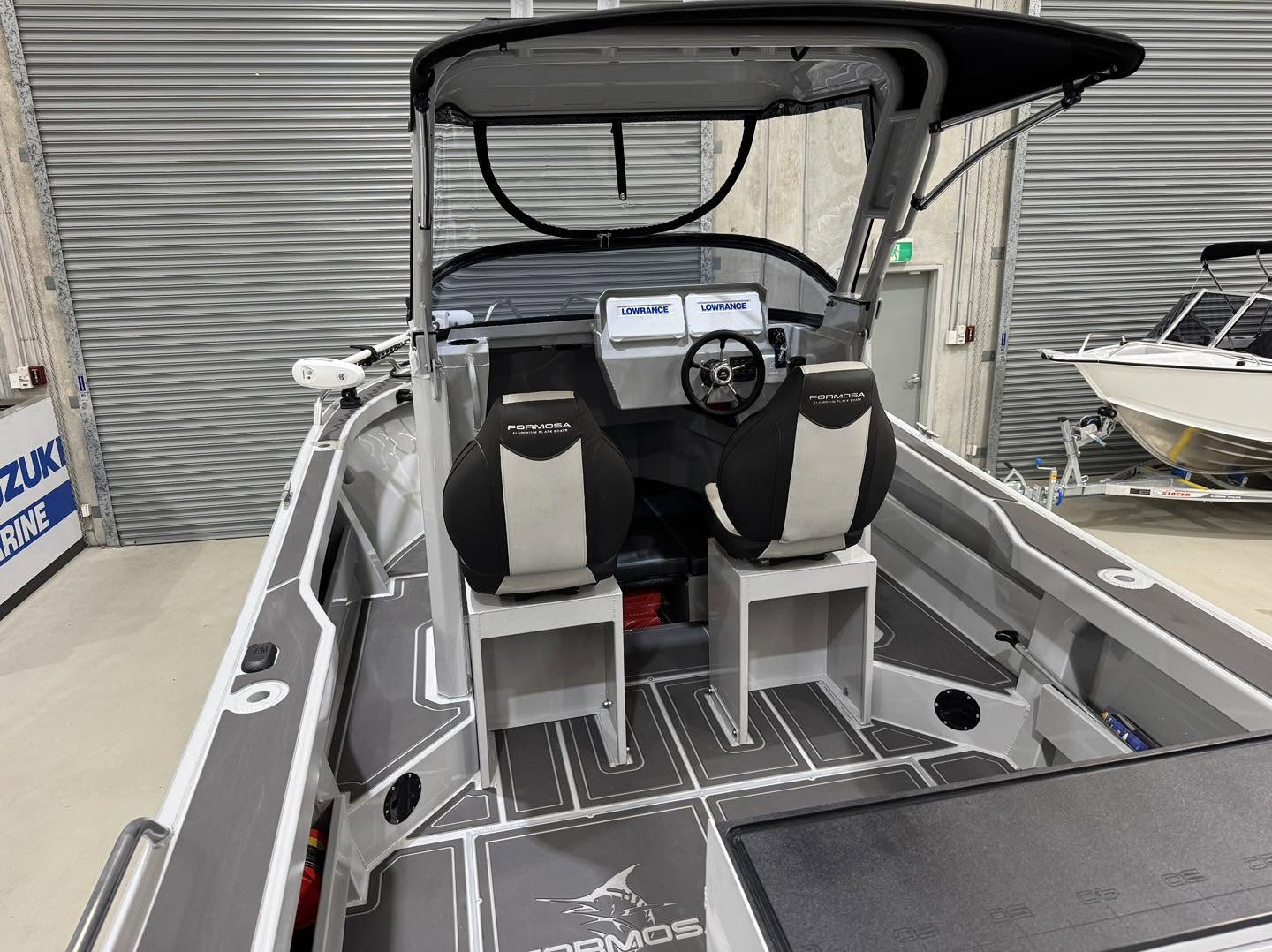
Flexible decking materials can offer greater adaptability across different deck layouts. When paired with accurate templating and precision cutting, they can be shaped to accommodate contours and cut-outs while maintaining a clean, consistent appearance.
This is particularly relevant for custom boat decking projects, where the surface needs to follow the vessel's geometry rather than force the design into a standard layout. A well-planned fit can also help maintain access to functional components and create a more integrated finish.
Flexibility alone, however, does not guarantee a successful installation. Dimensional stability, substrate preparation, adhesive compatibility, and installation conditions must also be considered to support reliable performance over time.

The Role of EVA Marine Decking
EVA marine decking is one option used in recreational boating applications where low weight, cushioning, and design versatility are priorities. Depending on the product specification and installation conditions, EVA foam can provide a practical surface for areas such as cockpits, swim platforms, and personal watercraft decks.
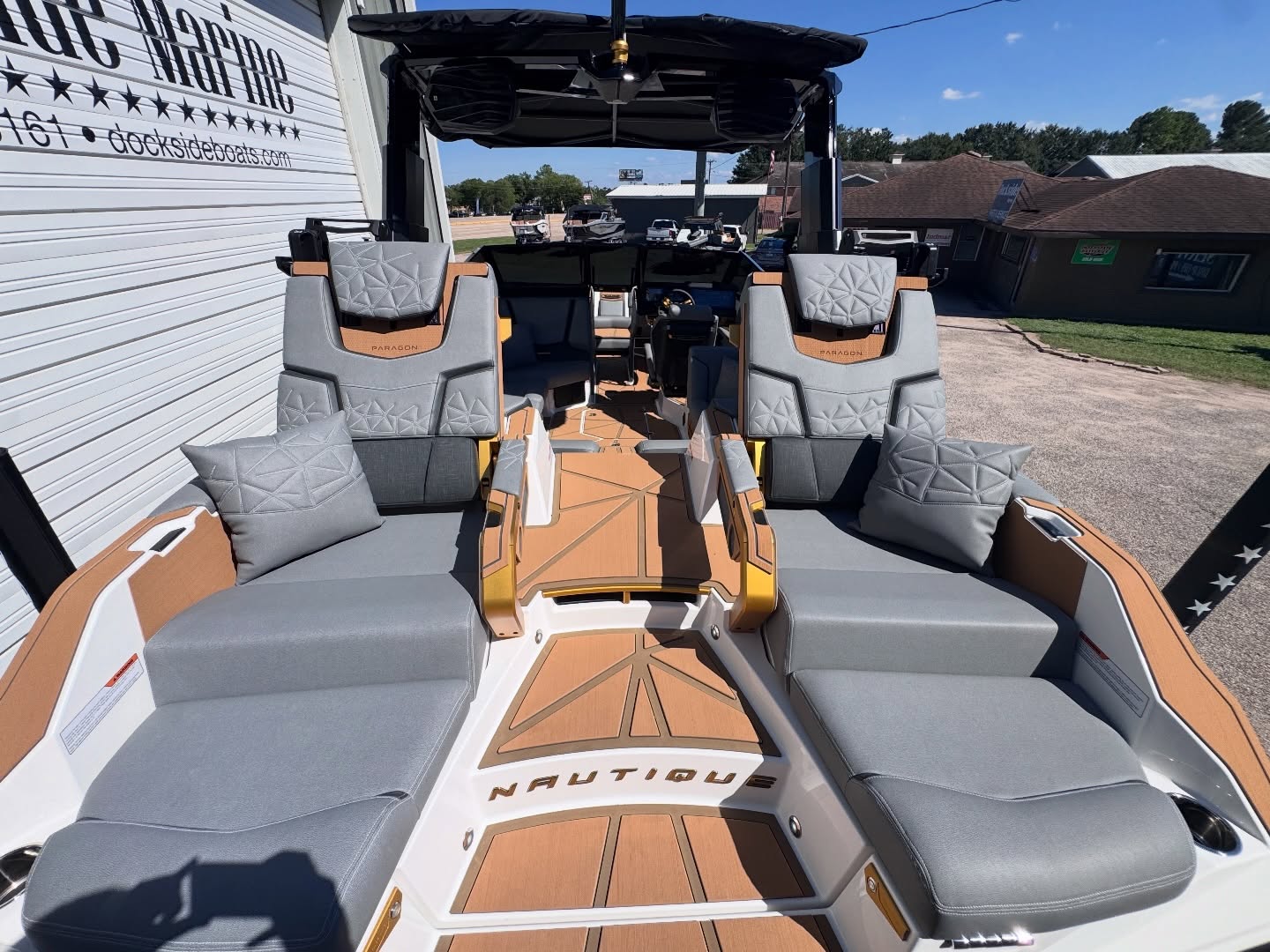
Its adaptability also supports a range of visual designs. Different colors, surface textures, and patterns allow boat owners and manufacturers to coordinate decking with a vessel's overall appearance while meeting application-specific requirements.
For custom projects, CNC cutting can produce accurately shaped decking pieces based on templates or digital layouts. This approach is useful when working around curved boundaries, hatches, and other deck features, helping improve fit and consistency across the finished installation.
The suitability of EVA decking depends on the intended application and the product's specific properties. Factors such as surface traction, UV exposure, water and saltwater contact, adhesive selection, and maintenance requirements should be evaluated as part of the material selection process.
Balancing Function, Fit, and Appearance
Choosing marine decking materials involves more than comparing weight or flexibility in isolation. Each factor contributes to how the finished deck fits the vessel and serves its intended purpose.
For boat builders, distributors, and refit professionals, a practical evaluation should consider:
-
Weight: How the material contributes to the vessel's overall specifications.
-
Flexibility and fit: How well the material accommodates contours and complex layouts.
-
Surface performance: Whether the texture and traction suit the intended use.
-
Installation requirements: Whether the substrate, adhesive, and preparation method are appropriate.
-
Design consistency: How colors, patterns, and cut lines work with the vessel's overall appearance.
Evaluating these considerations together helps align material selection with the needs of each boat and its operating environment.
A More Considered Approach to Modern Boat Decking
As recreational boats serve a wider range of activities, marine deck design increasingly calls for materials that combine practical performance with adaptable styling. Weight influences material planning, while flexibility affects how effectively decking can fit different layouts and vessel geometries.
EVA marine decking offers one approach to addressing these design considerations, particularly in projects that require customized shapes and finishes. Ultimately, the right solution depends on the vessel, the intended application, and the performance requirements of the finished deck.
By looking beyond appearance and assessing weight, fit, surface properties, and installation requirements together, marine professionals can make more informed decisions about decking materials and create designs that are functional, consistent, and suited to life on the water.