
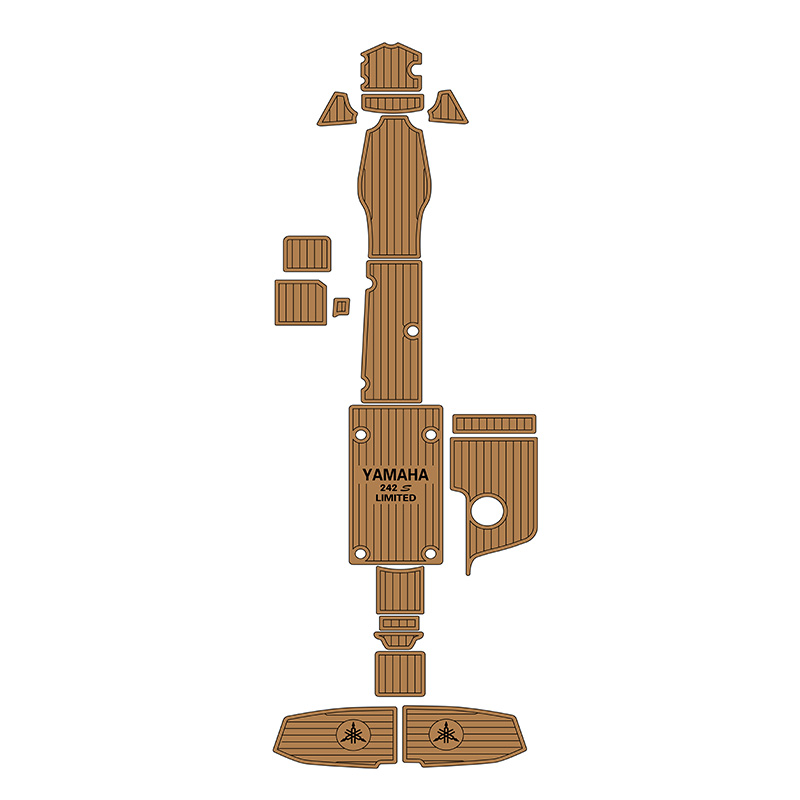
 Marine Decking & Custom Kits
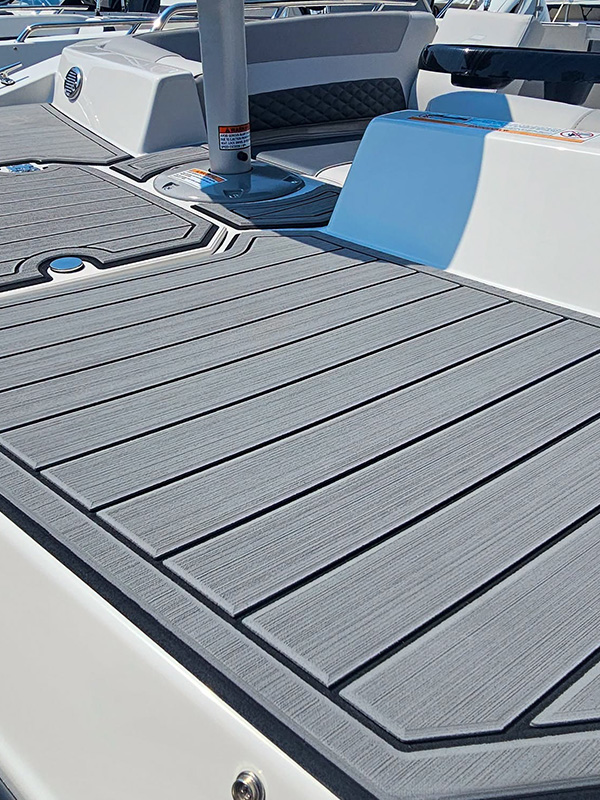 Yacht Decking
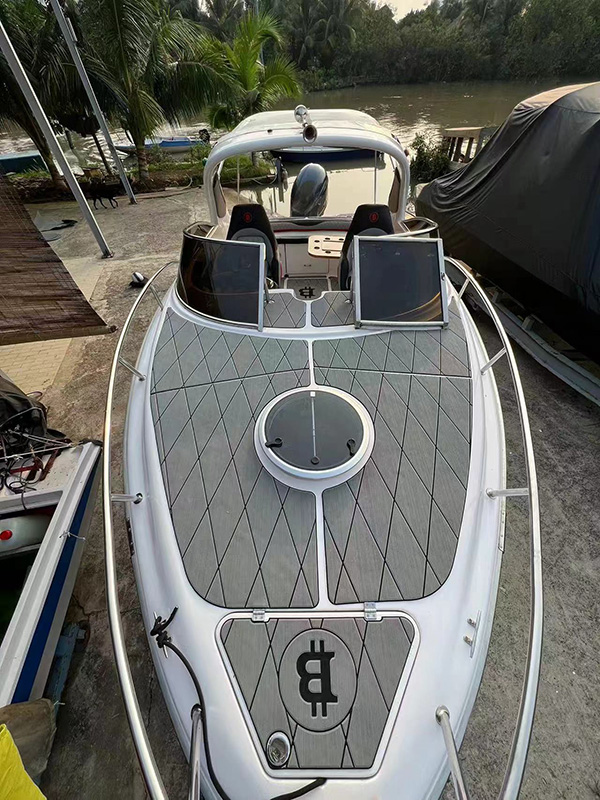 Fishing Boat Decking
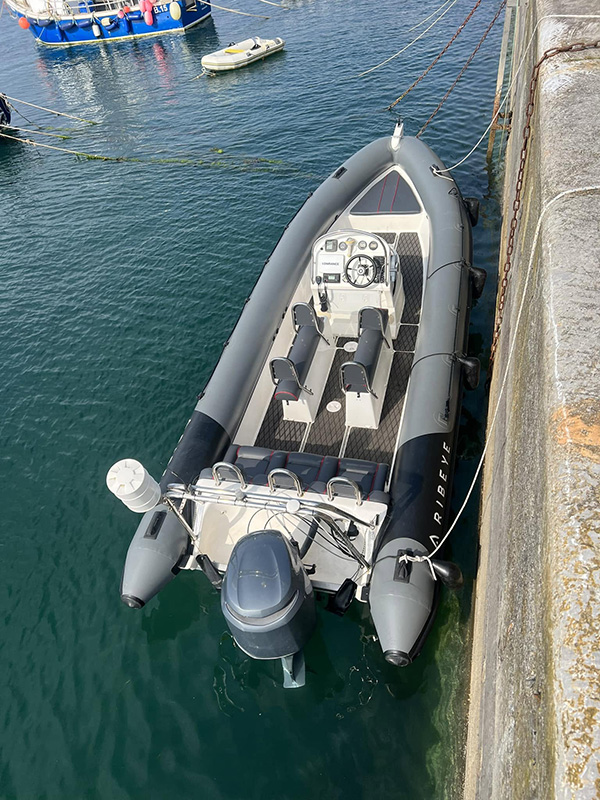 RIB Decking
 Kayak Deck Pads
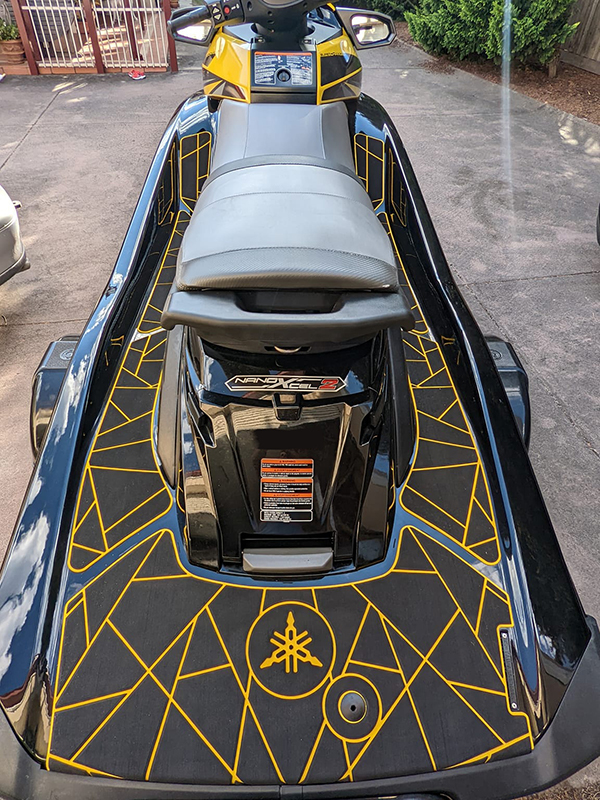 Jet Ski Traction Mats
 Onboard Comfort & Utility Pads
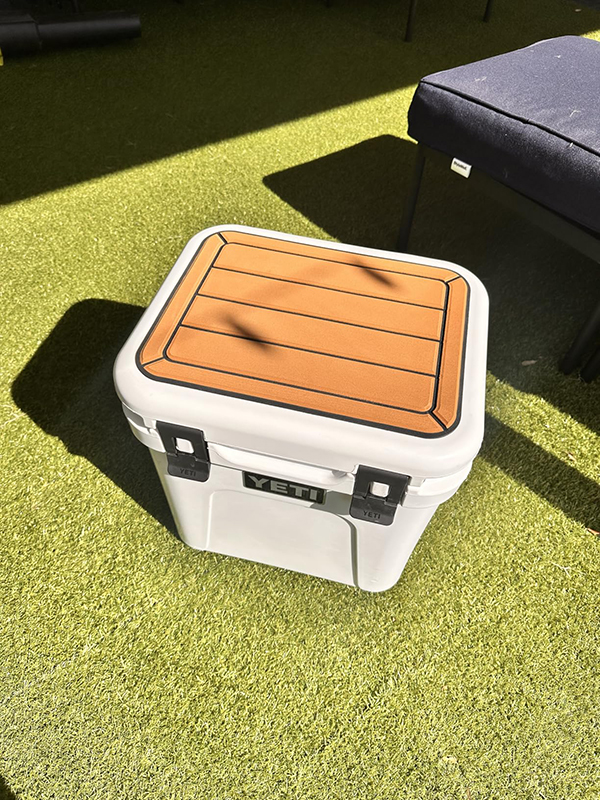 Cooler Pads
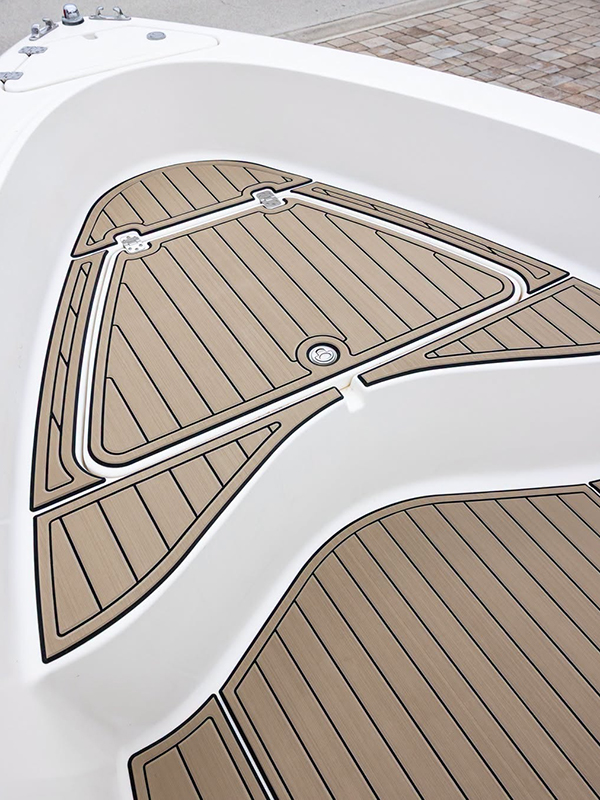 Coaming Bolster Pad
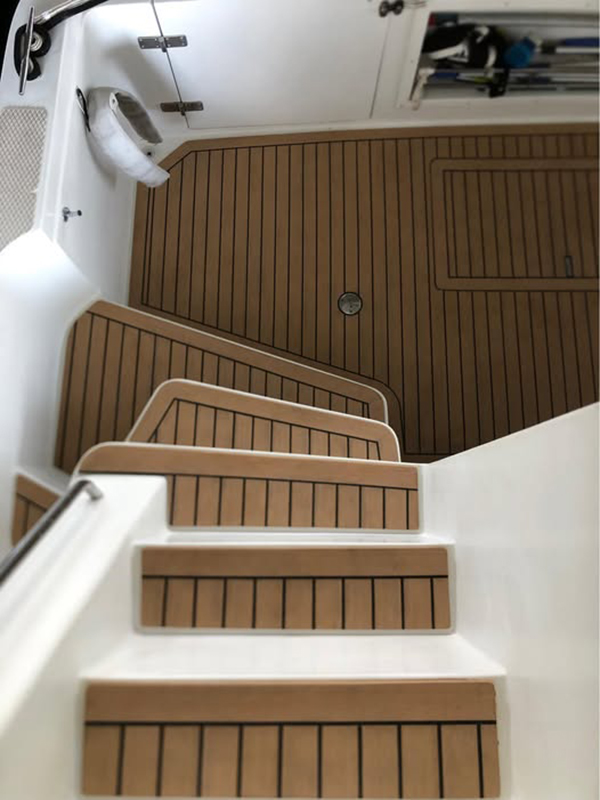 Step Pads
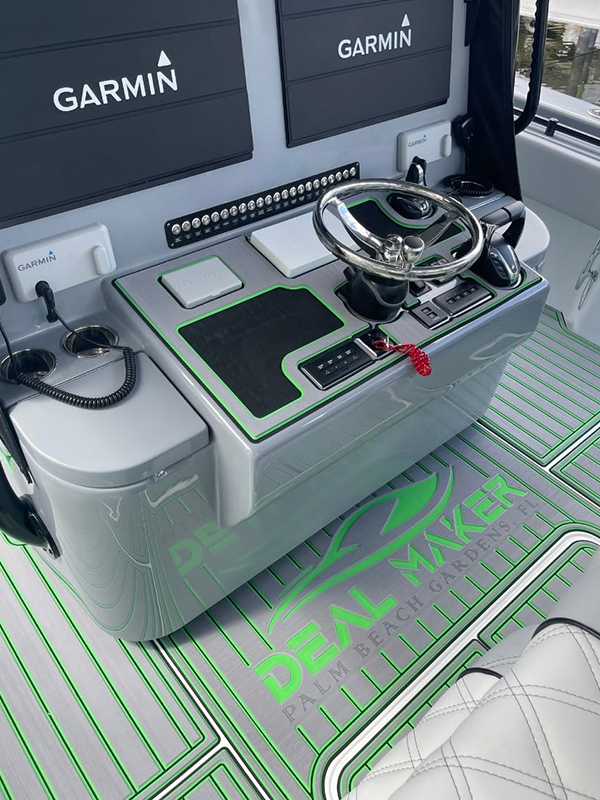 Helm Station Pads
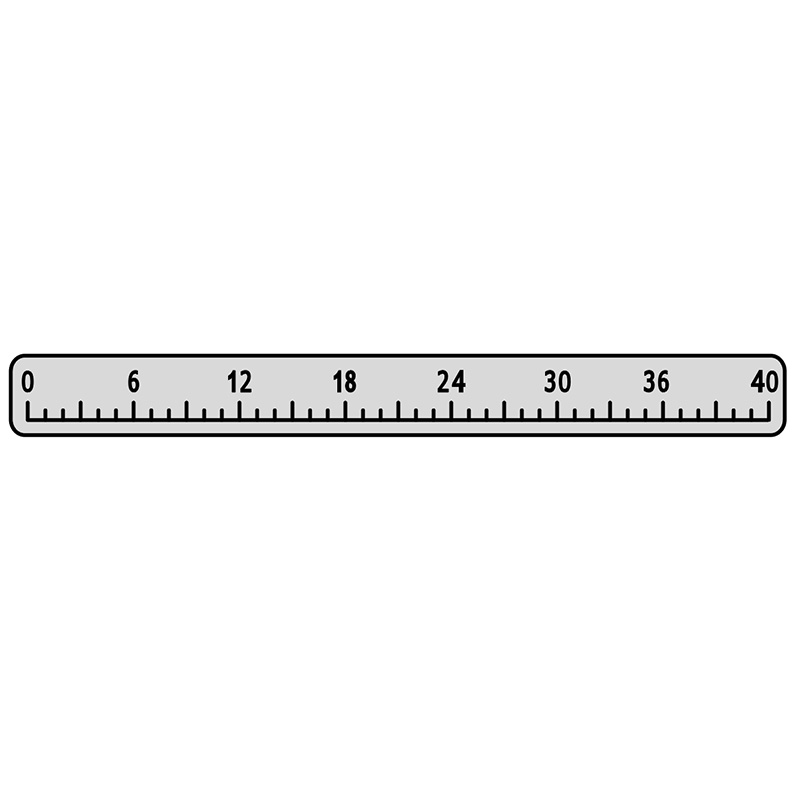 Watersports & Fishing Gear
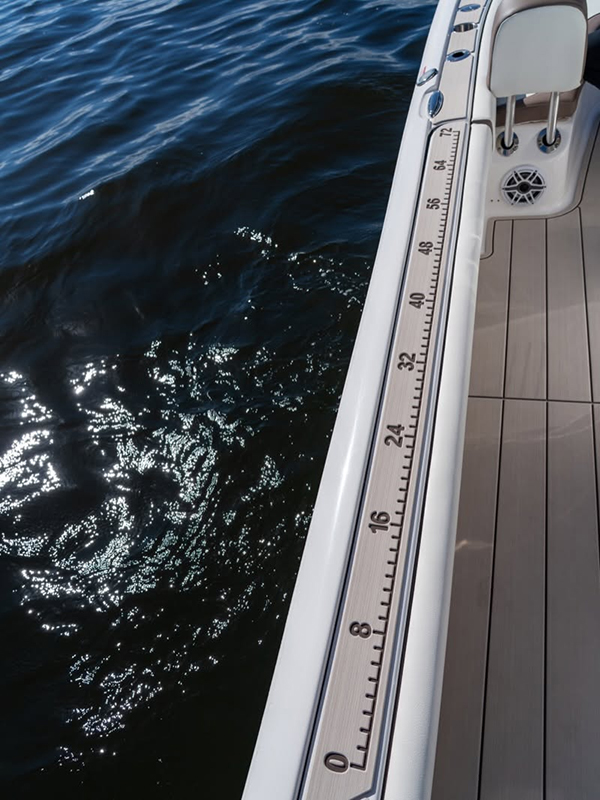 Fish Rulers
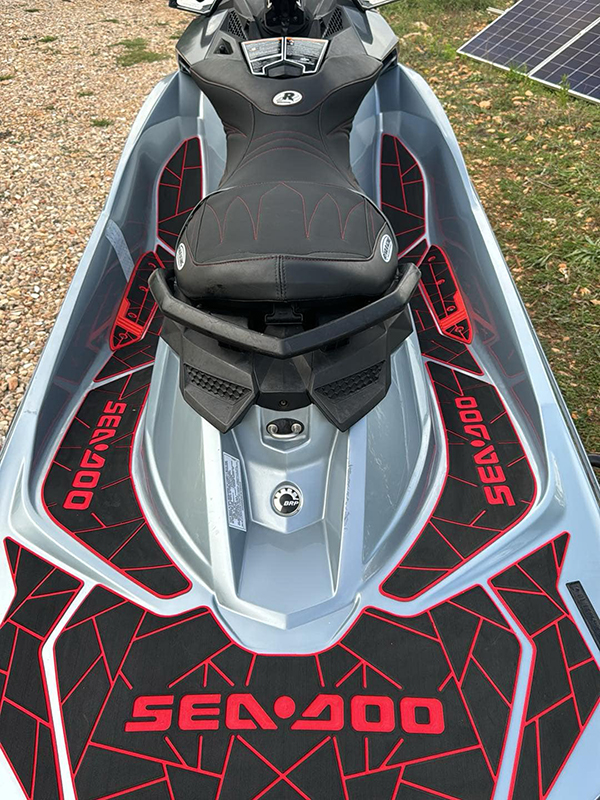 PWC Traction Pads
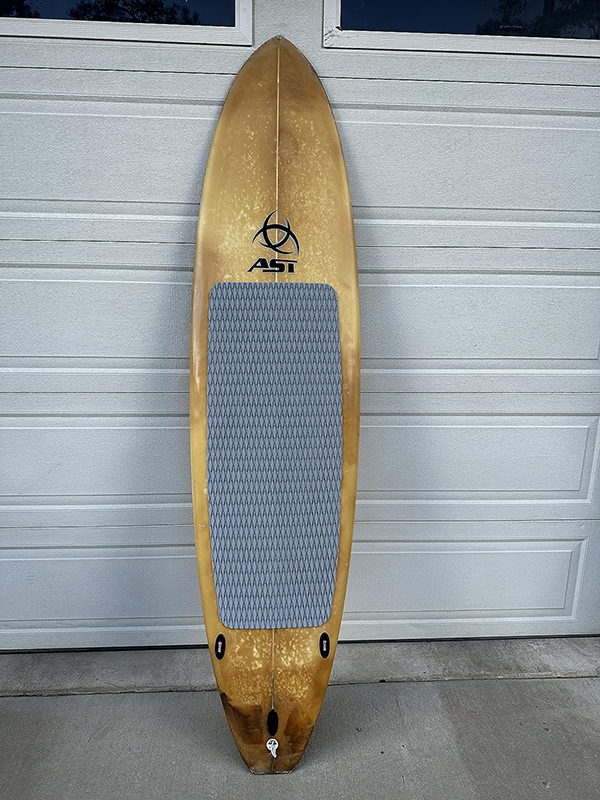 Stand-Up Paddleboard (SUP) Pads
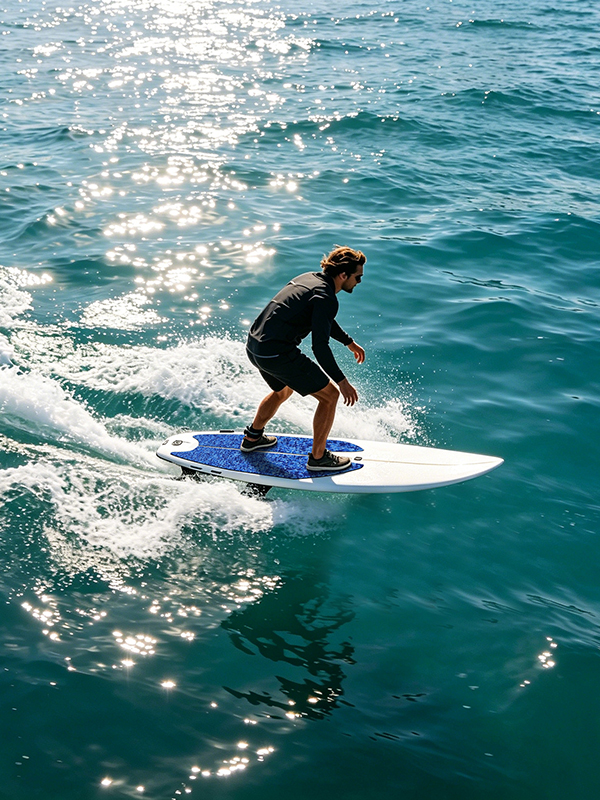 Hydrofoil Surfboard Pads
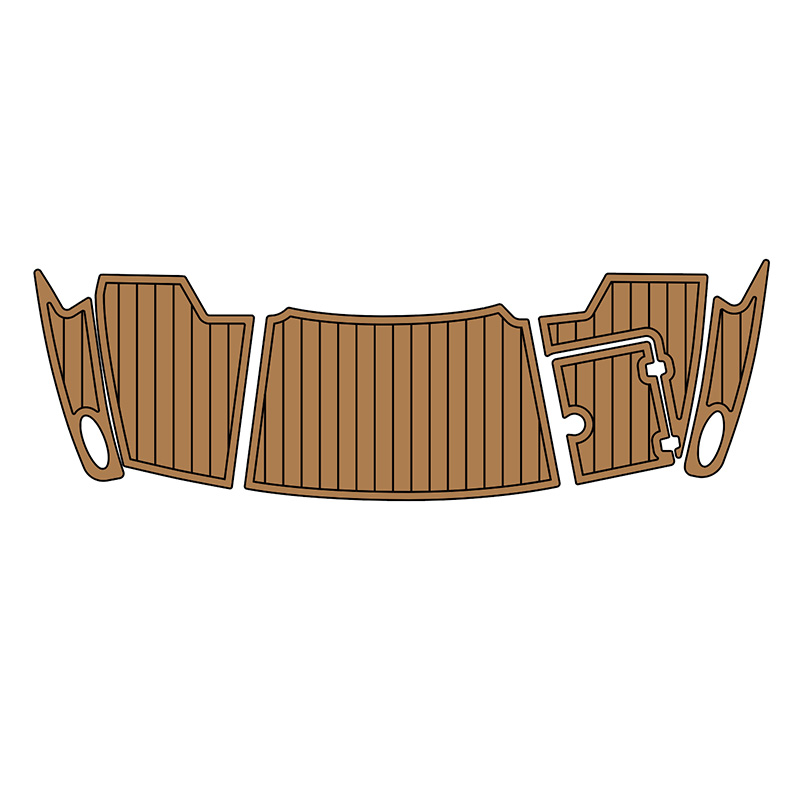 Other
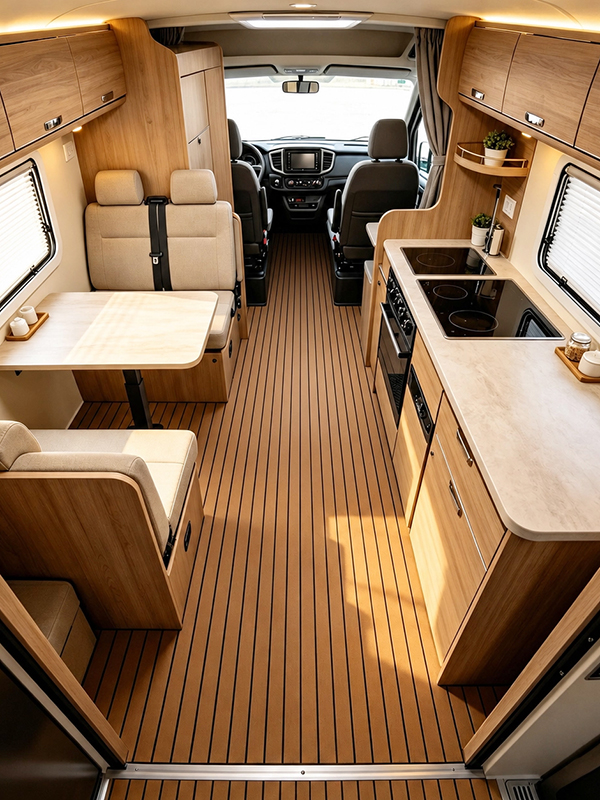 RV & Camper Flooring
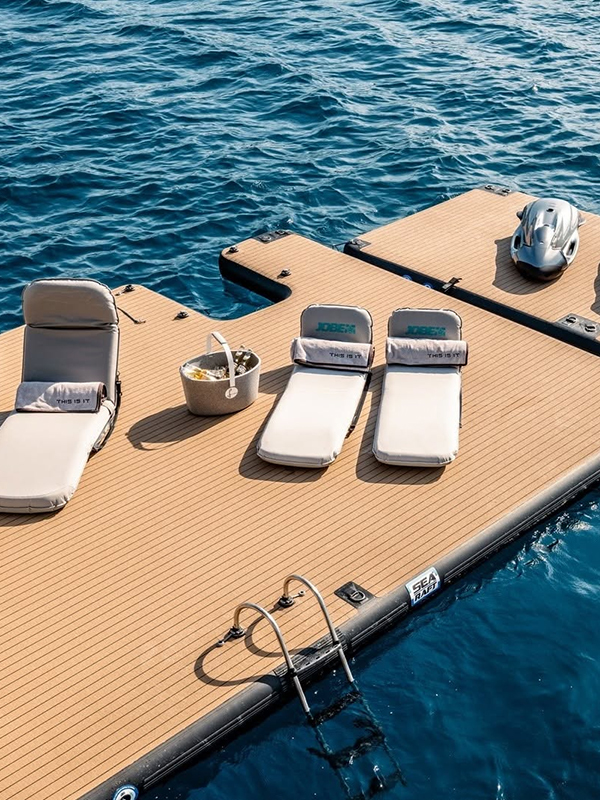 Inflatable Floating Docks
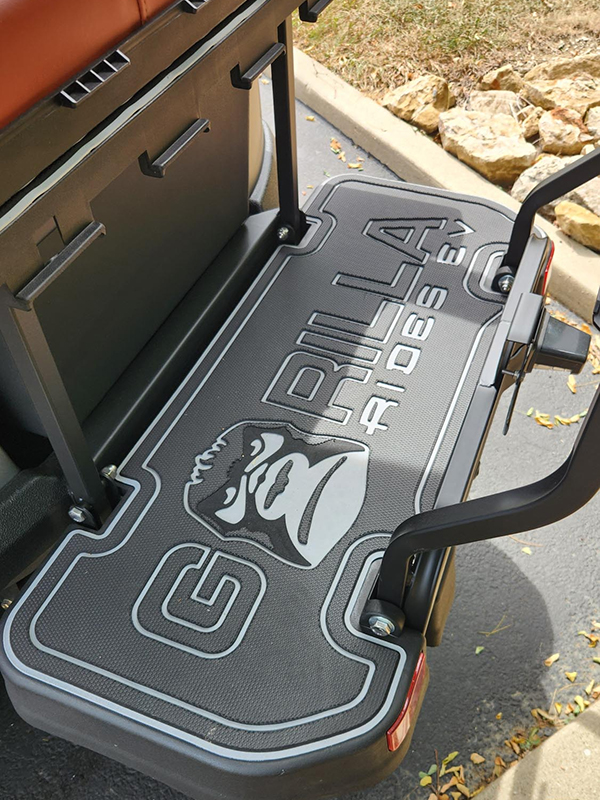 Golf Cart Mats
 Auto Trunk Liners
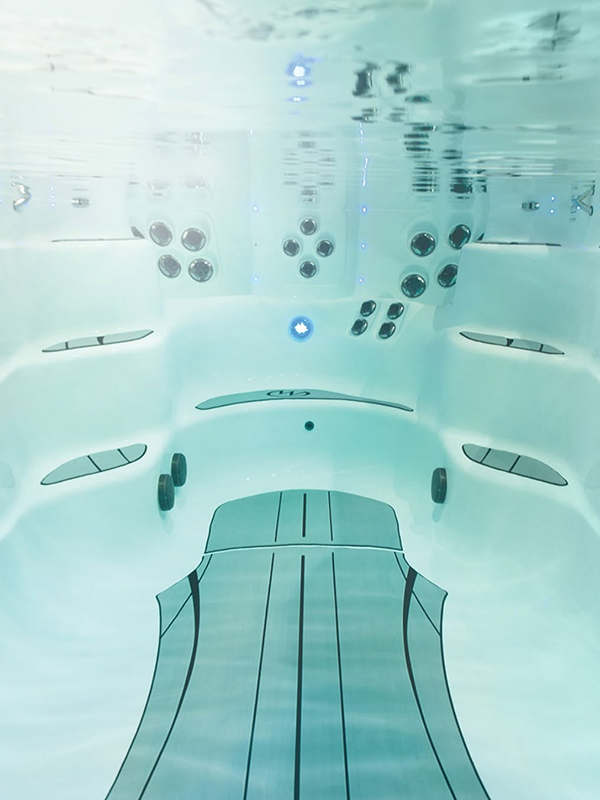 Bathtub Anti-Slip Mats
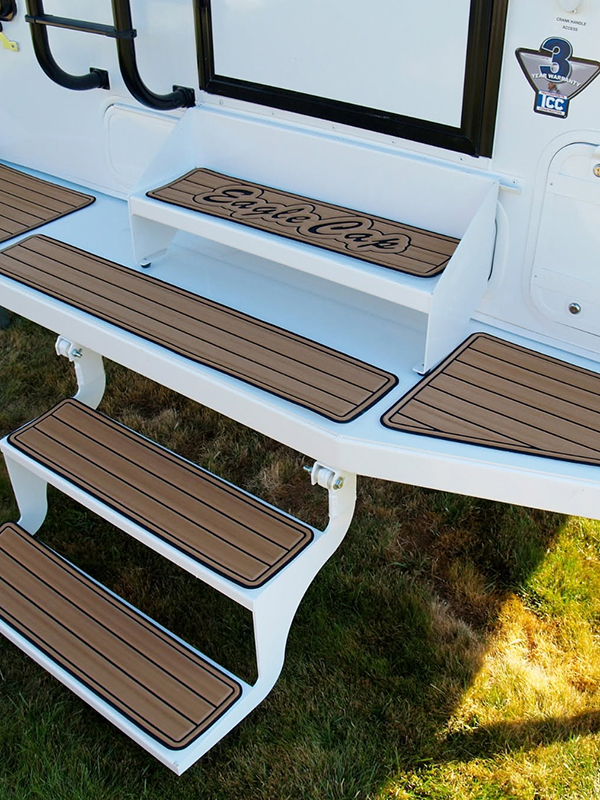 Stair Treads
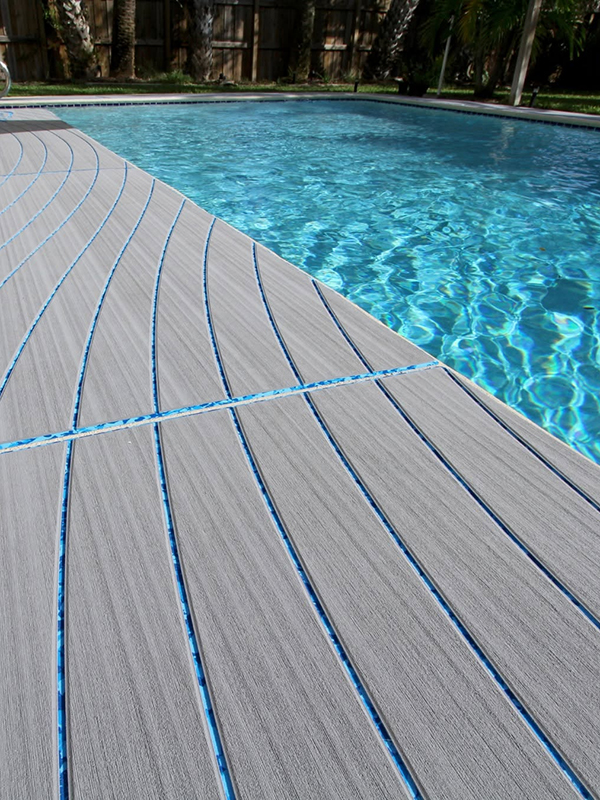 Swim Platform Mats



Industry News
Where Marine Deck Design Is Headed Next
2026-10-06
A boat deck used to be judged mainly by whether it was durable, water-resistant, and safe underfoot. Today, that standard is changing.
As recreational boats become more lifestyle-oriented, the deck is playing a bigger role in how people move, relax, entertain, and use the space onboard. Comfort, visual appeal, ease of maintenance, and personalized layouts are becoming just as relevant as basic performance.
This shift is influencing how boat builders, designers, and owners approach marine deck design—and it is also changing what they expect from modern marine decking materials.
Comfort Is Becoming a Design Priority
Time spent on the water makes deck comfort easy to notice.
A hard fiberglass surface may perform well structurally, but it does not necessarily provide the most comfortable experience during long periods of standing, walking, or sitting. This is particularly noticeable in cockpits, swim platforms, fishing areas, and other high-use zones.
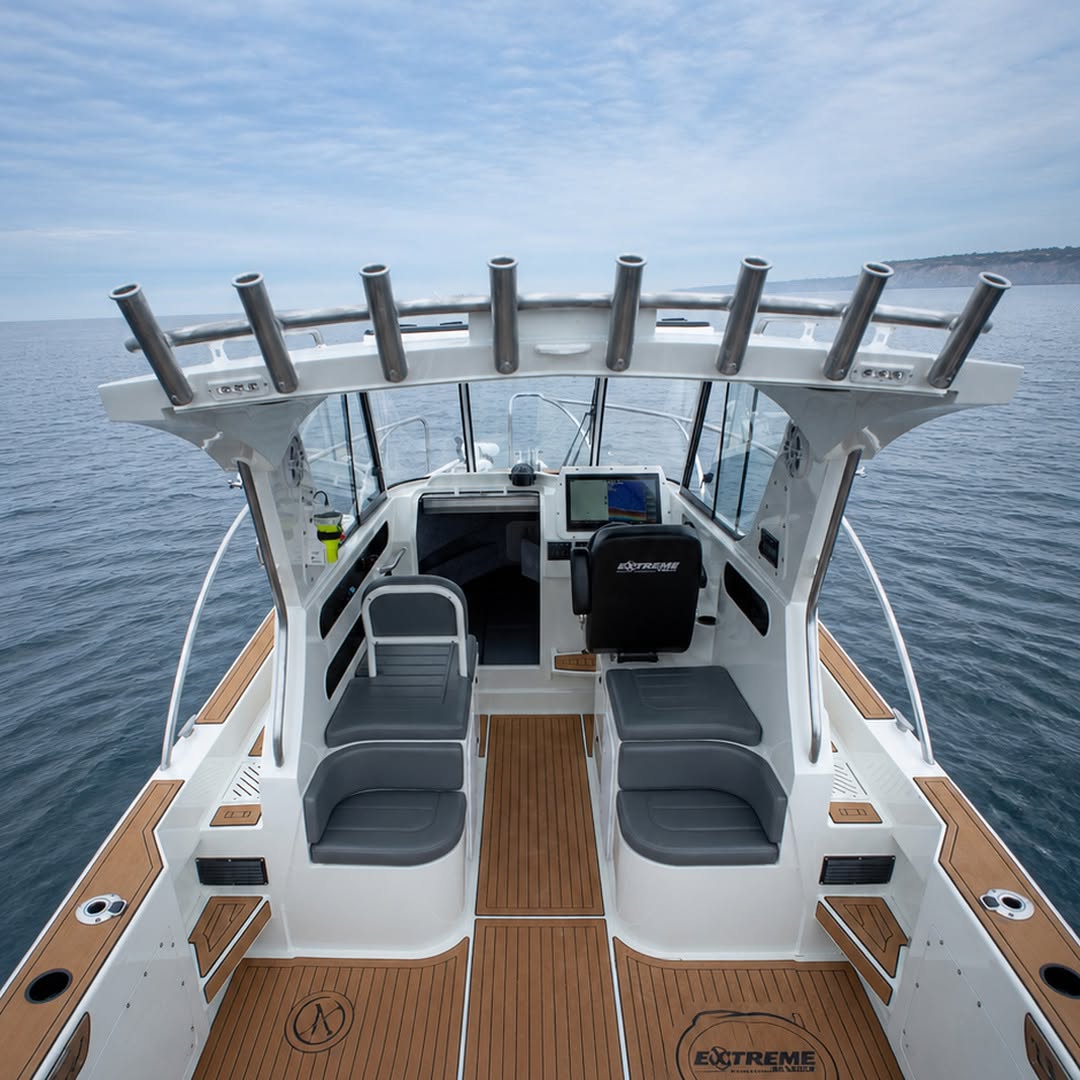
As a result, softer and more cushioned decking solutions are gaining attention in recreational boating. Materials such as EVA boat decking can provide a more comfortable surface underfoot while maintaining the traction needed for wet marine environments.
The focus is shifting from simply protecting the deck to improving the experience of using it.
Marine Decking Is Becoming More Functional
Slip resistance will always matter on a boat, but modern deck design increasingly asks more from the surface.
Marine decking is exposed to water, sunlight, salt spray, dirt, and repeated foot traffic. In active areas, it may also need to withstand fishing equipment, coolers, shoes, pets, and other everyday use.
That means material selection is no longer based on one specification alone.
Designers are looking at the overall balance between:
- traction and underfoot comfort
- durability and maintenance
- water and UV resistance
- appearance and surface consistency
- flexibility and installation requirements
This broader evaluation is helping marine decking become a more functional part of the overall boat design.

Deck Space Is Being Designed for Multiple Uses
Recreational boats are increasingly expected to do more within the same amount of space.
A cockpit may function as a fishing area in the morning and a social space later in the day. A swim platform can serve as a boarding zone, lounging area, or equipment area. Walkways and steps may need to remain practical without interrupting the visual flow of the boat.
This makes efficient use of deck space increasingly important.
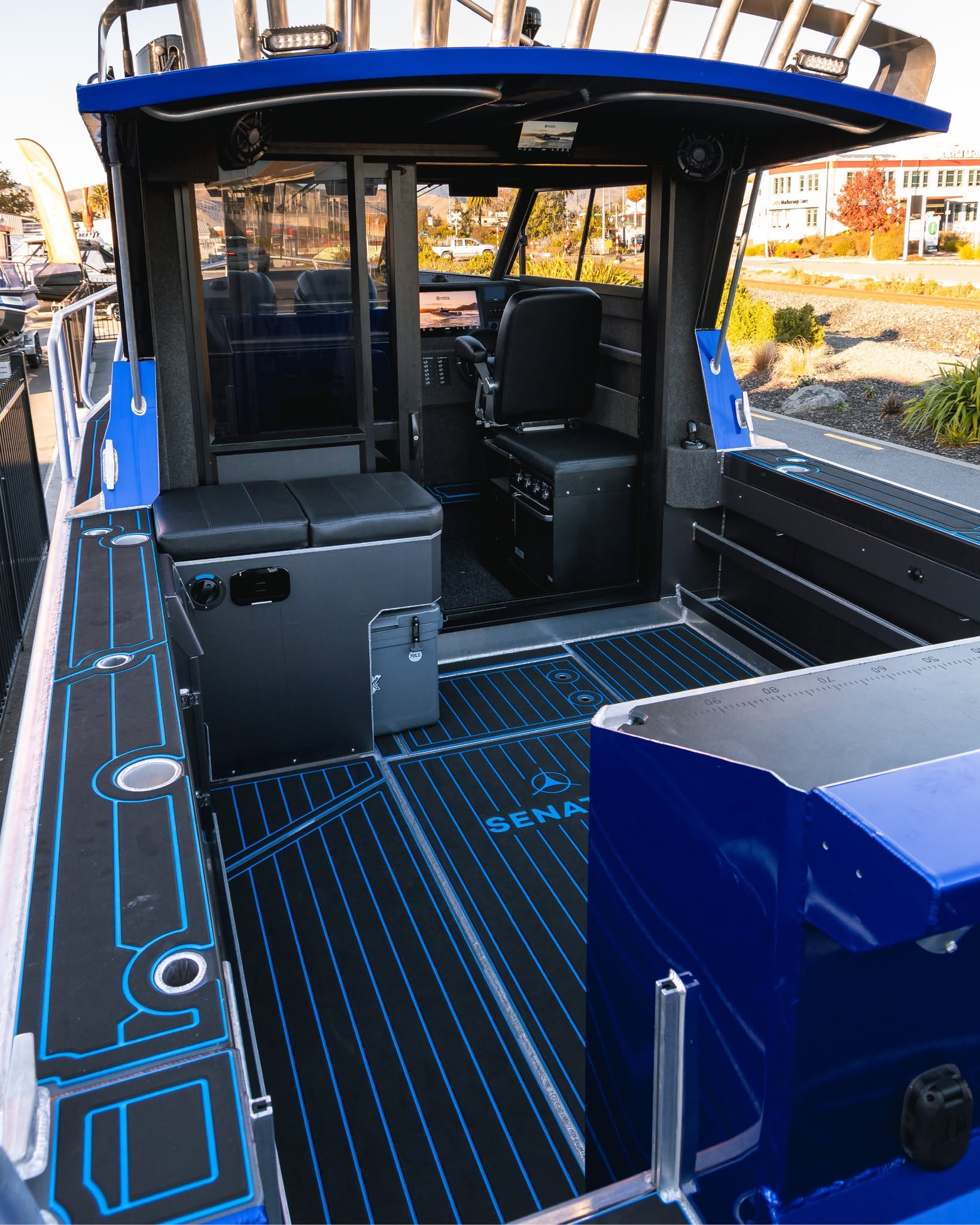
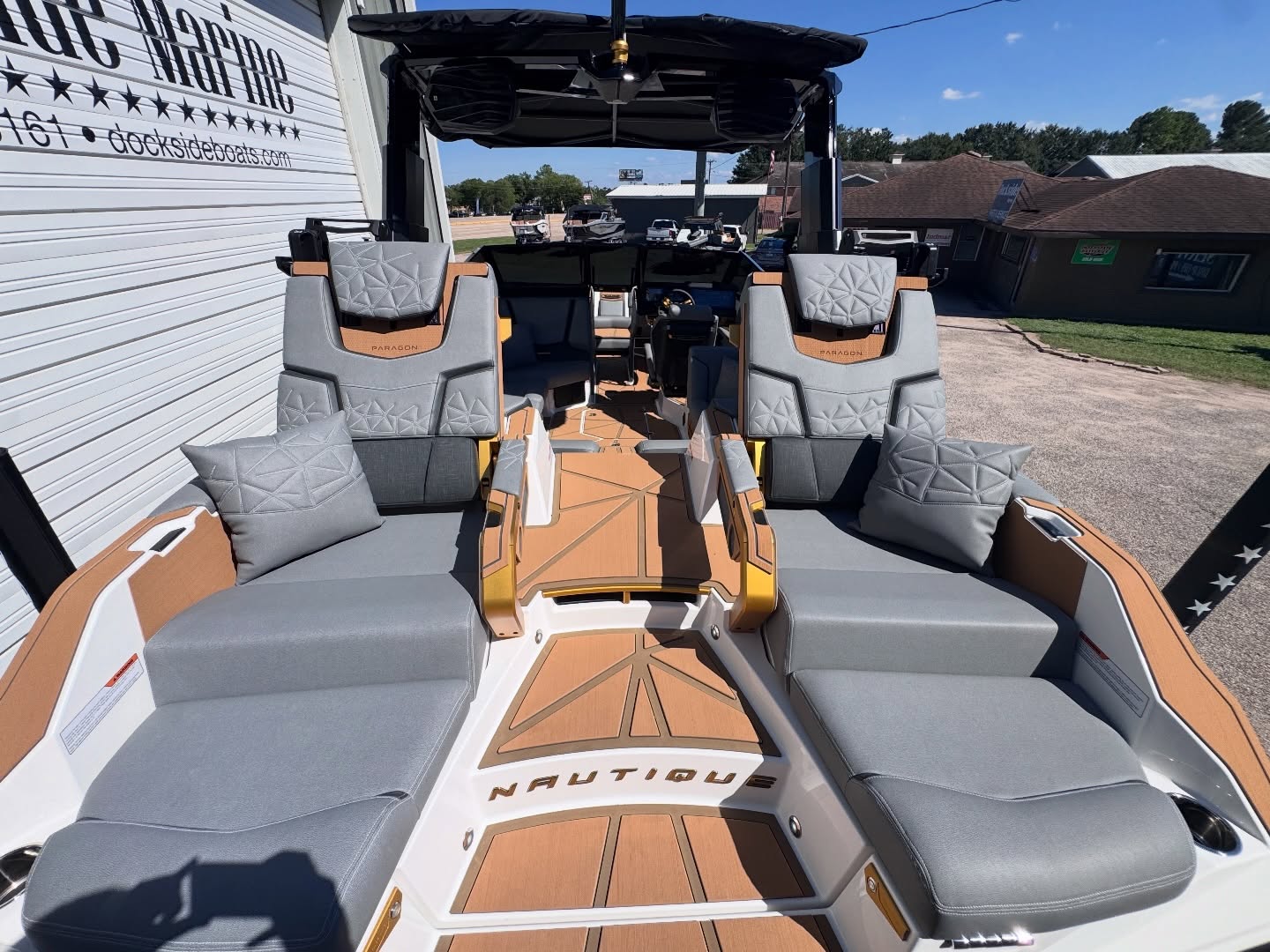
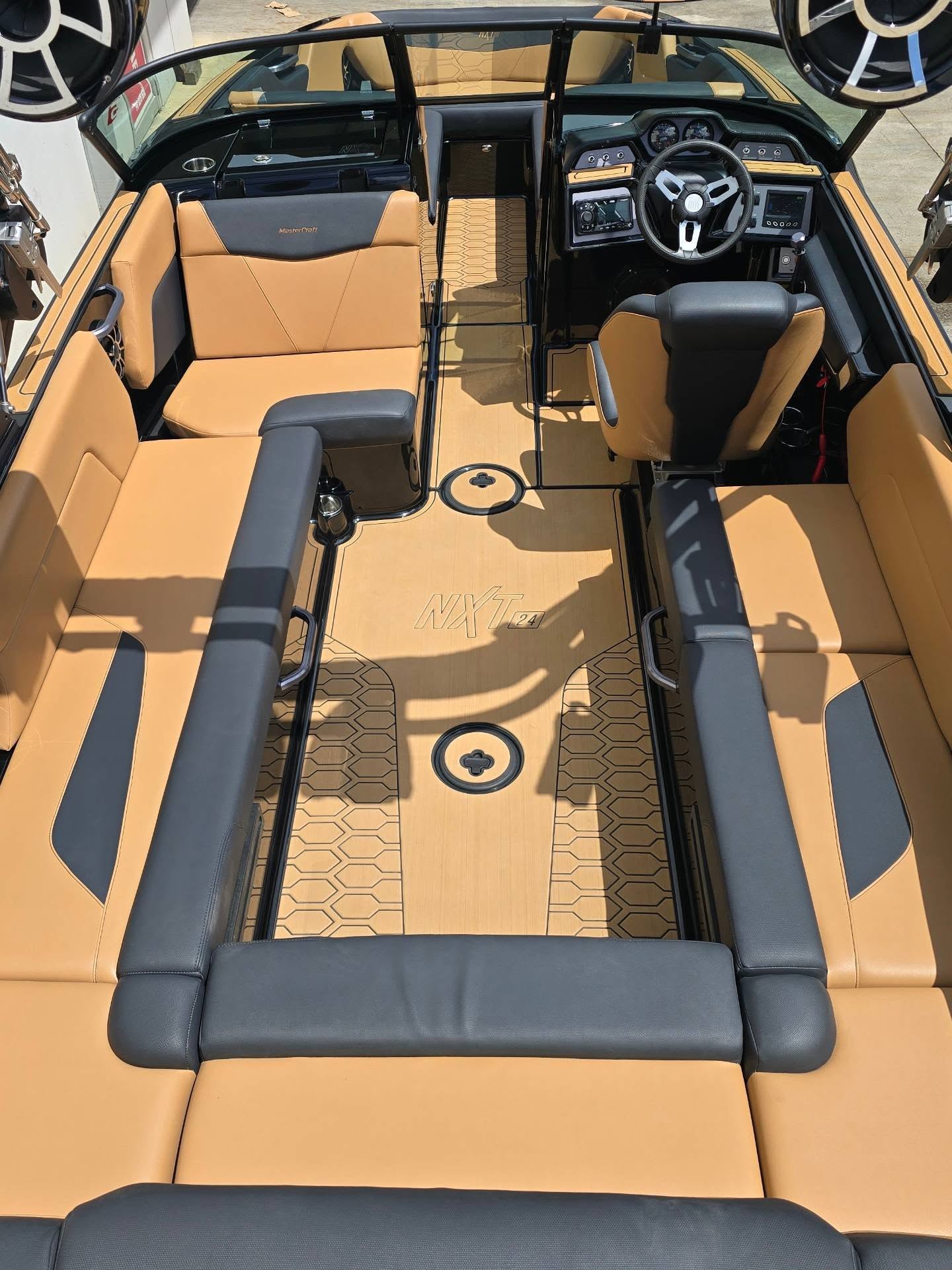
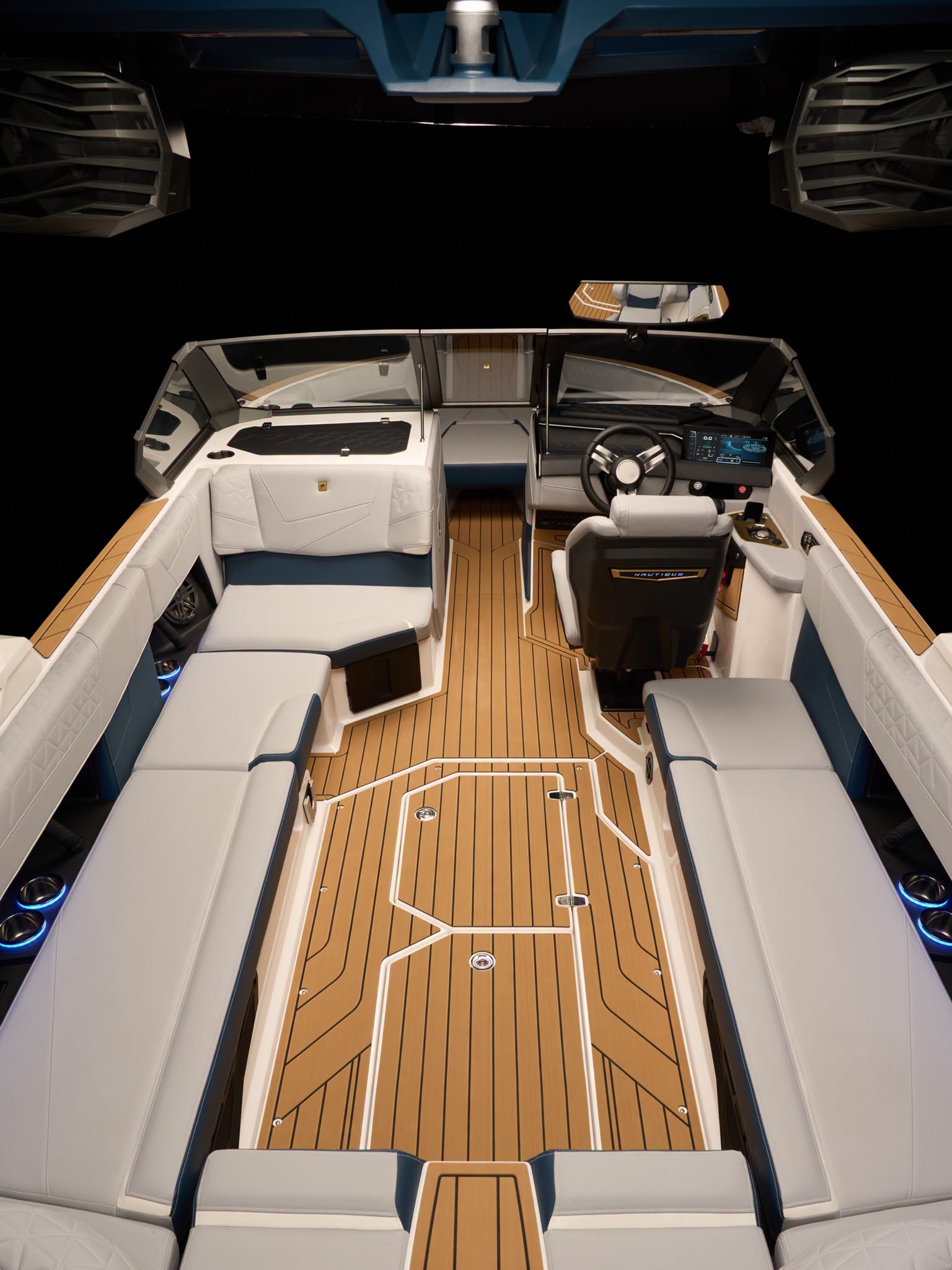
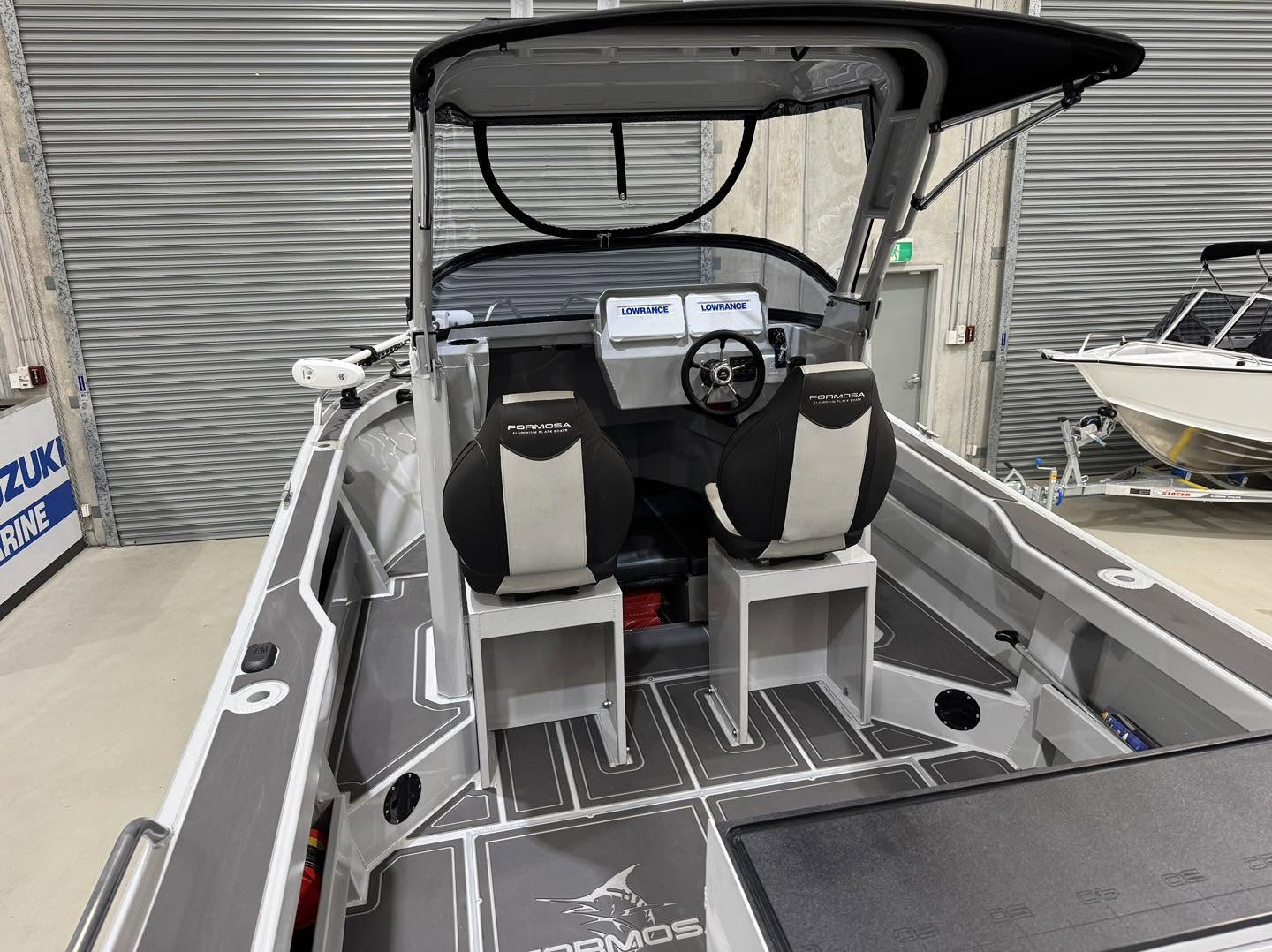
Custom boat decking can support this approach by following the actual contours of a deck rather than forcing a standard layout into an irregular space. Precisely cut sections can also work around hatches, fixtures, steps, consoles, and other components while maintaining a cleaner overall appearance.
Customization Is Moving Beyond Appearance
Customization is another major influence on modern recreational boat design.
Boat owners are no longer limited to choosing between a few standard deck configurations. There is growing interest in materials and layouts that reflect the specific model, intended use, and visual identity of a vessel.
For marine decking, customization can include:
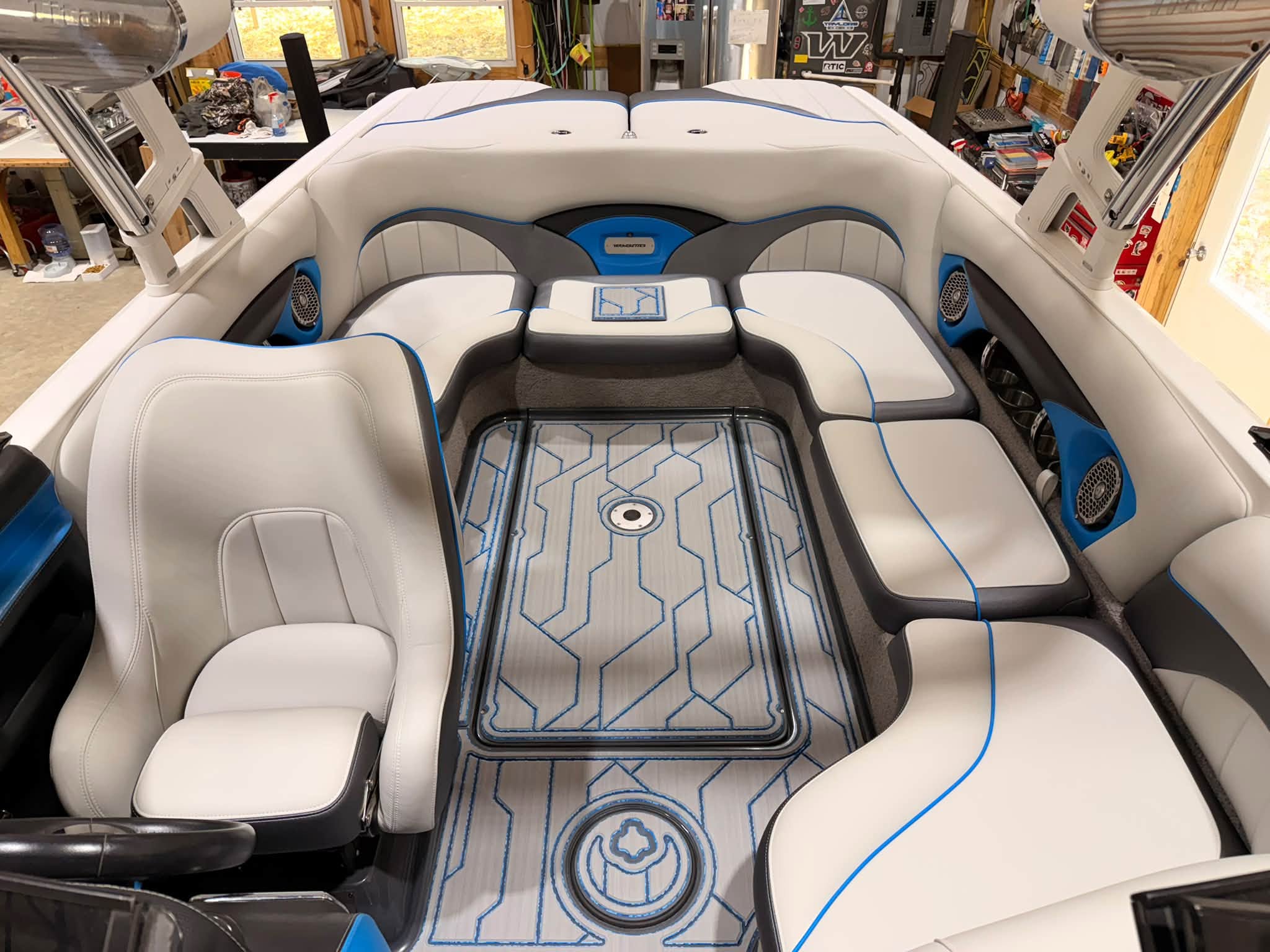
Color and texture: Different combinations can complement the boat's interior and exterior styling.
Thickness and surface pattern: These can be selected according to application and user preference.
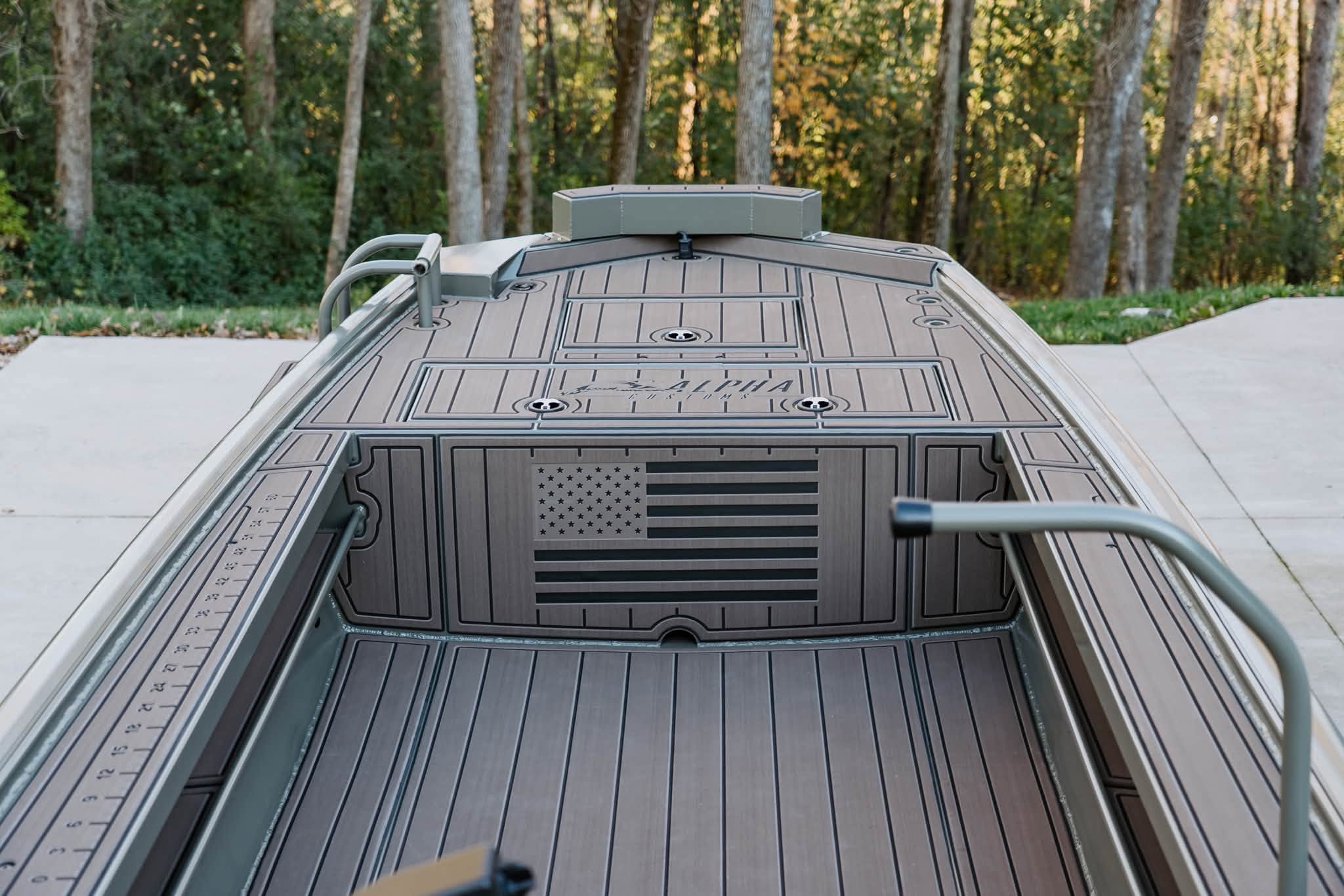
Model-specific cutting: Custom templates and CNC cutting can help achieve a more accurate fit.
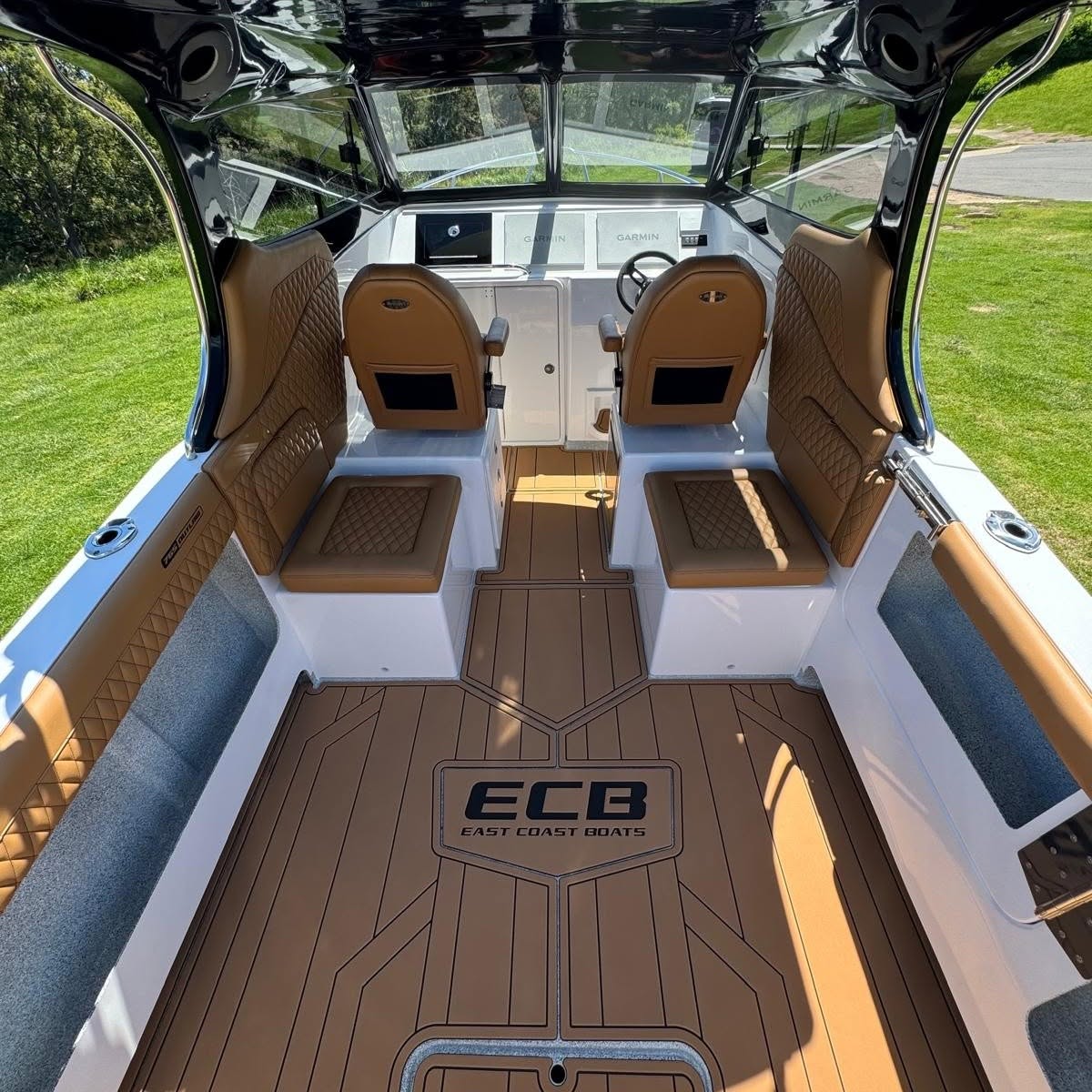
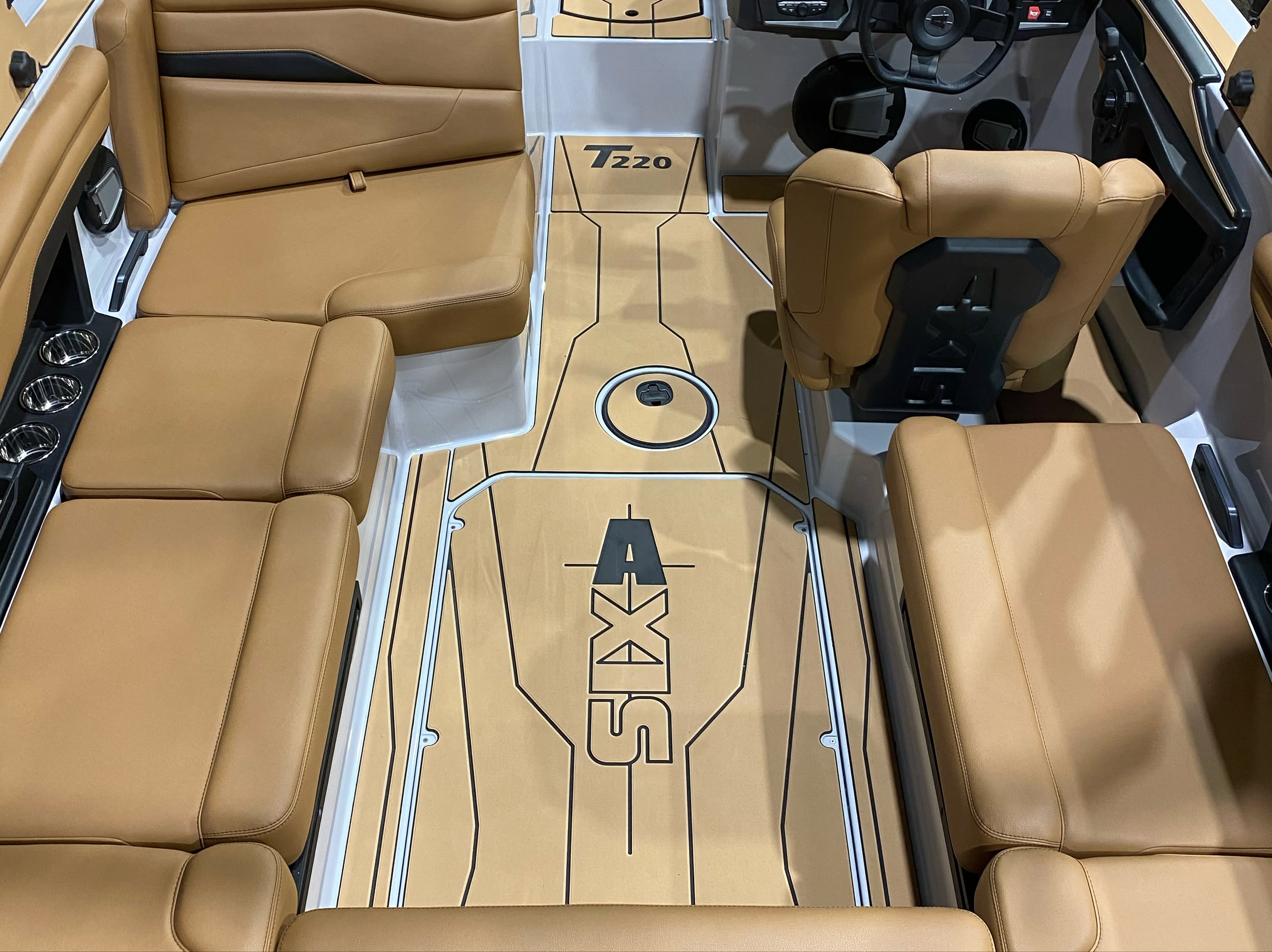
Branding and detailing: Logos, names, and coordinated patterns can add a more distinctive finish.
In this sense, customization is becoming a practical design tool, not simply a decorative feature.
Material Efficiency Matters More Than Before
Another factor gaining attention is how a material performs without adding unnecessary bulk.
Weight, flexibility, and ease of handling can all influence installation and the overall practicality of a decking solution. This is particularly relevant in recreational boats where every area of the vessel needs to be considered as part of the overall design.
Lightweight, flexible decking materials can make it easier to adapt the surface to curved or irregular areas while supporting more efficient installation.
For designers and manufacturers, the question is increasingly not just “What material performs well?”, but “What material performs well while fitting the way the boat is actually designed and used?”
A Shift From Separate Components to Integrated Design
Perhaps the biggest change is the way the deck itself is being viewed.
Instead of treating boat decking as a finishing layer added after the main design is complete, more manufacturers and designers are considering it alongside layout, passenger movement, functionality, and visual styling.
This integrated approach can create a more cohesive result.
The decking pattern can help define different functional areas. Surface texture can support traction where it is most needed. Custom-cut sections can work around the geometry of the vessel. Material and color choices can also contribute to a more consistent interior appearance.
The deck is no longer simply something people stand on. It is becoming part of how the boat communicates its design and usability.

What This Means for the Future of Marine Deck Design
The next stage of marine deck design will likely be shaped by several priorities working together: comfort, functionality, customization, efficient use of space, and material performance.
For boat builders and marine designers, this creates more opportunities to think about the deck earlier in the development process. For boat owners, it means a decking upgrade can do more than change the appearance of a vessel—it can influence how comfortably and efficiently the boat is used.
EVA marine decking is one example of how material development is responding to these changing expectations. Its combination of cushioning, traction, flexibility, and design options makes it suitable for a wide range of applications, from cockpits and swim platforms to walkways, steps, and recreational spaces.
The direction of the industry is becoming clearer.
The future of marine deck design is not simply about building a deck that lasts. It is about creating a surface that works better with the boat, the environment, and the people using it.
As recreational boating continues to evolve, the most effective decking solutions will likely be those that combine performance with comfort, practical function with visual design, and standard manufacturing with greater flexibility for customization.