

Industry News
Understanding Material Performance in Demanding Marine Conditions
2026-09-15
Understanding Material Performance in Demanding Marine Conditions
Professional insights on Marine Decking Materials and durability.
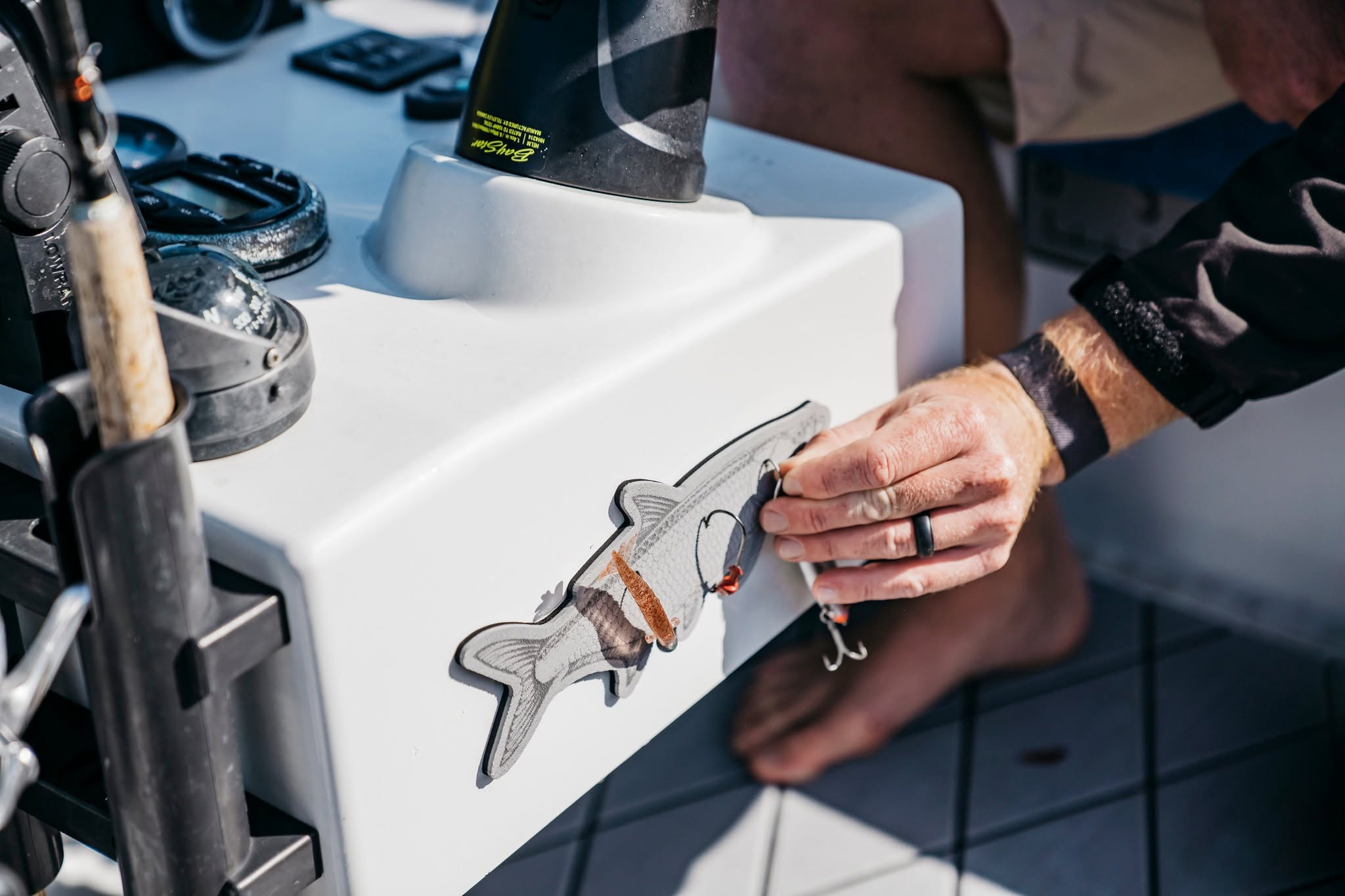
Marine environments can be challenging for boat decking materials. Constant exposure to sunlight, saltwater, moisture, temperature changes, and frequent foot traffic can gradually affect the performance and appearance of a deck surface.
For boat builders, marine distributors, and boat owners, choosing the right marine decking material is therefore essential. Key factors such as UV resistance, water resistance, slip resistance, flexibility, durability, and dimensional stability can directly influence long-term performance.
Key Material Performance
UV Resistance
Engineered to withstand prolonged sun exposure without fading or degradation.
Saltwater Resistance
Advanced polymers that prevent corrosion and structural breakdown in brine.
Slip Resistance
Textured surfaces designed to ensure safety in wet marine conditions.
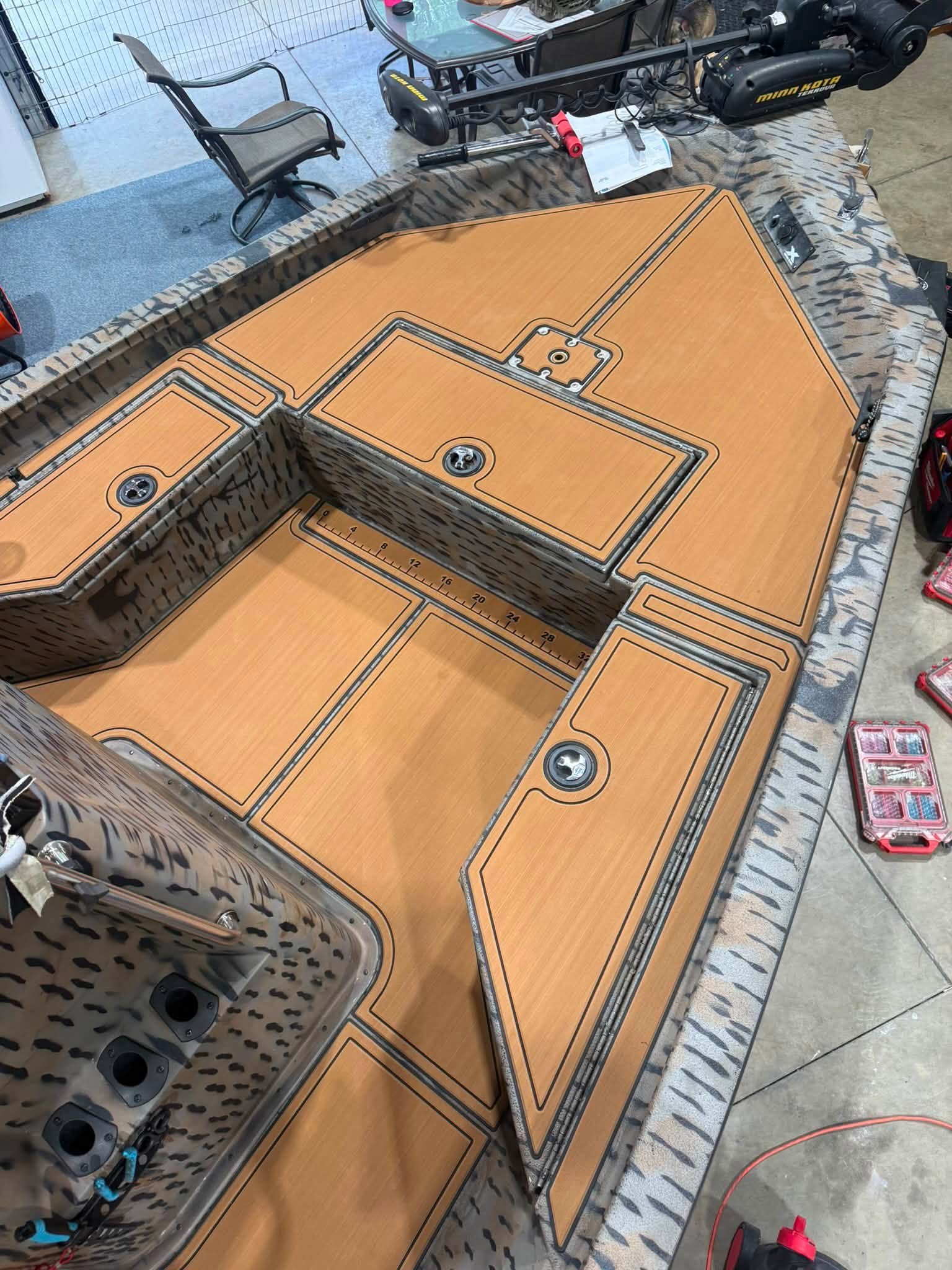
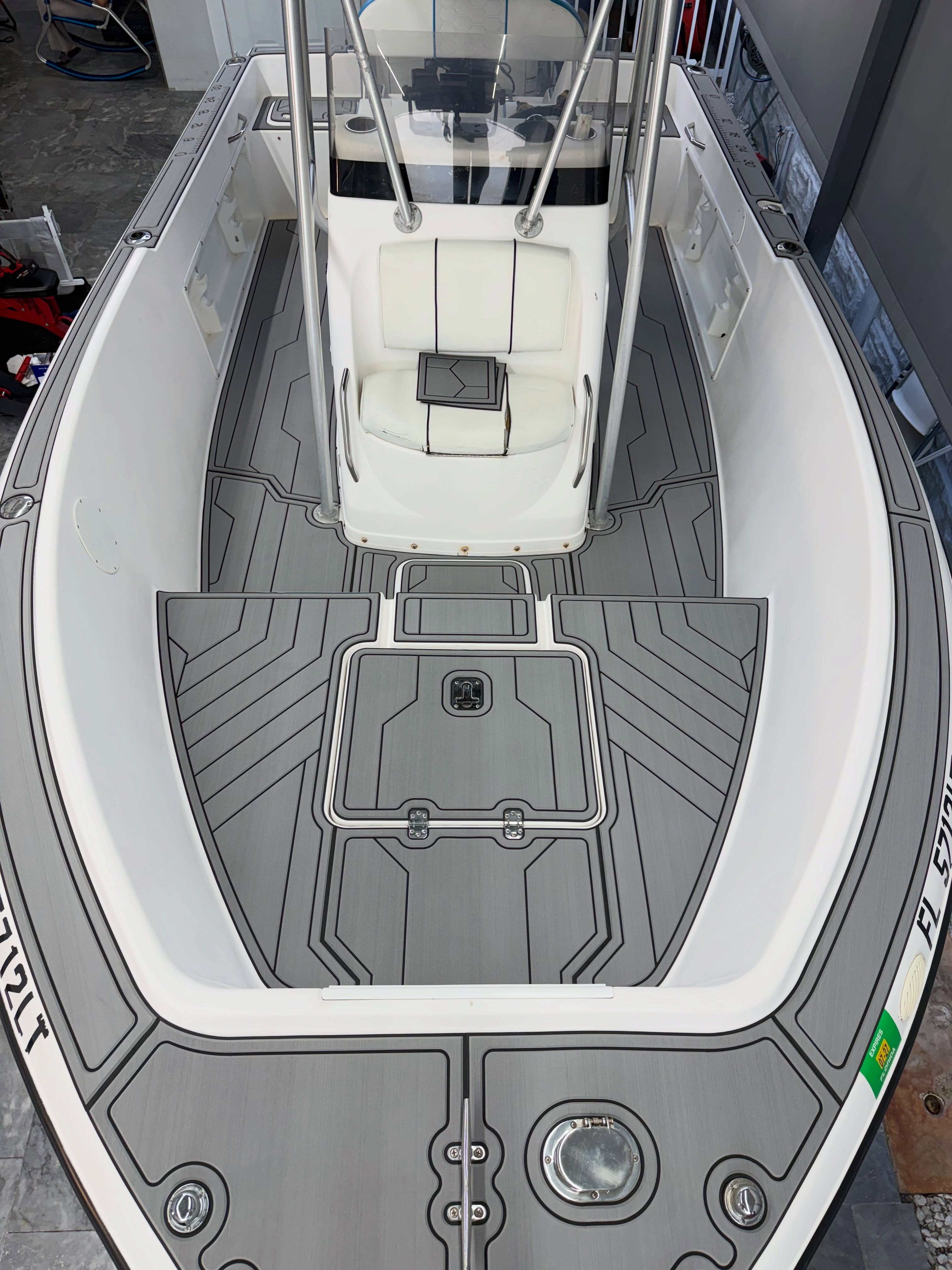
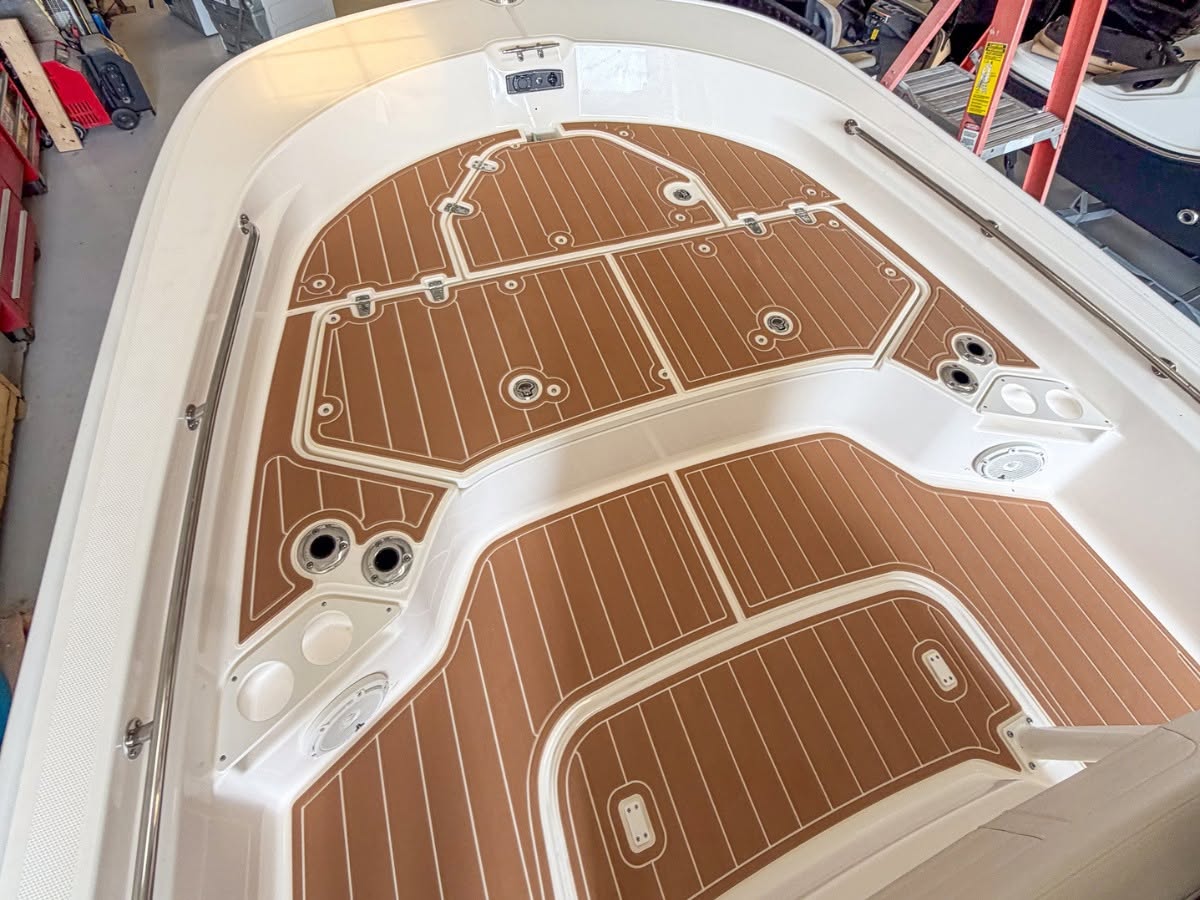
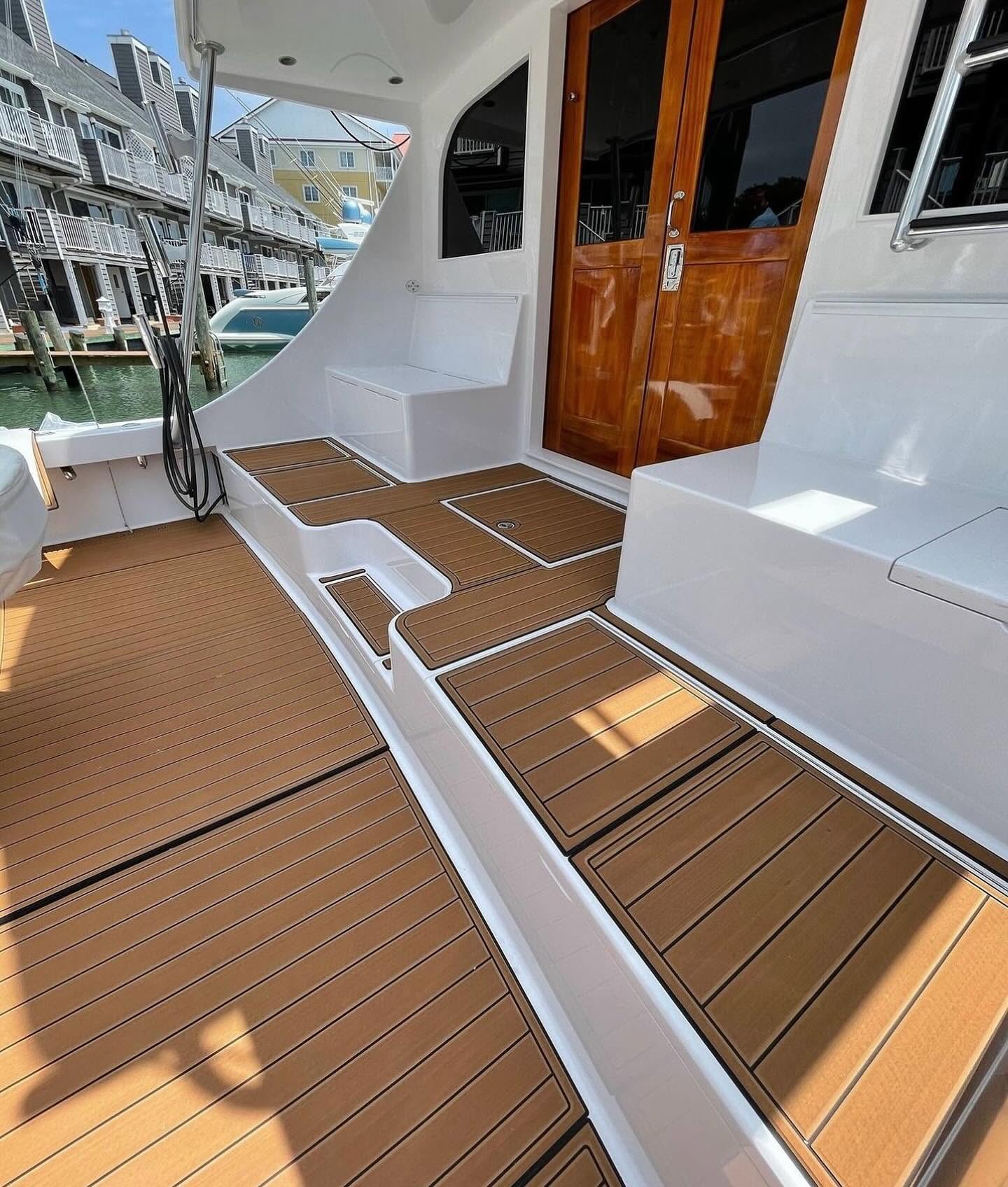
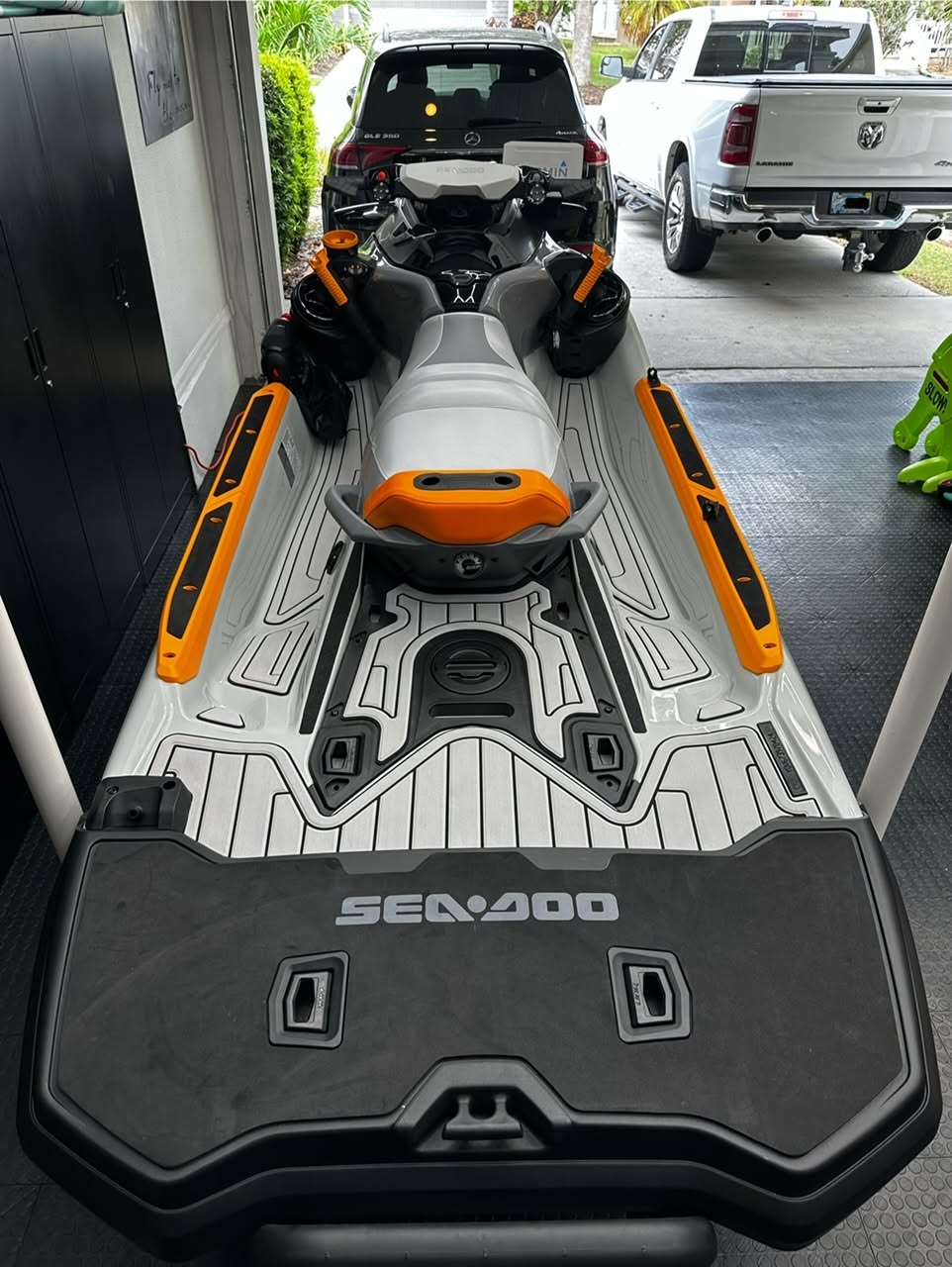
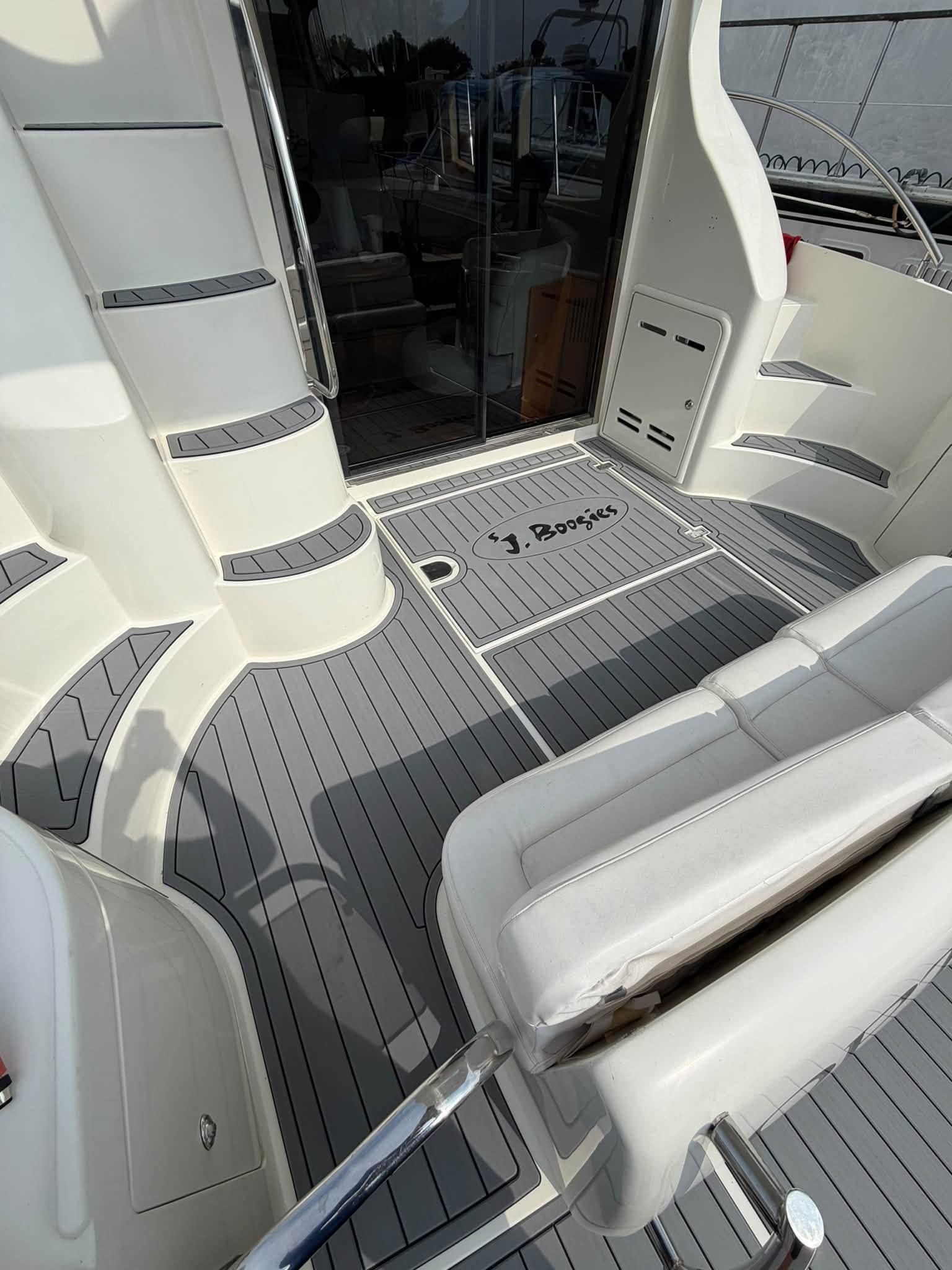
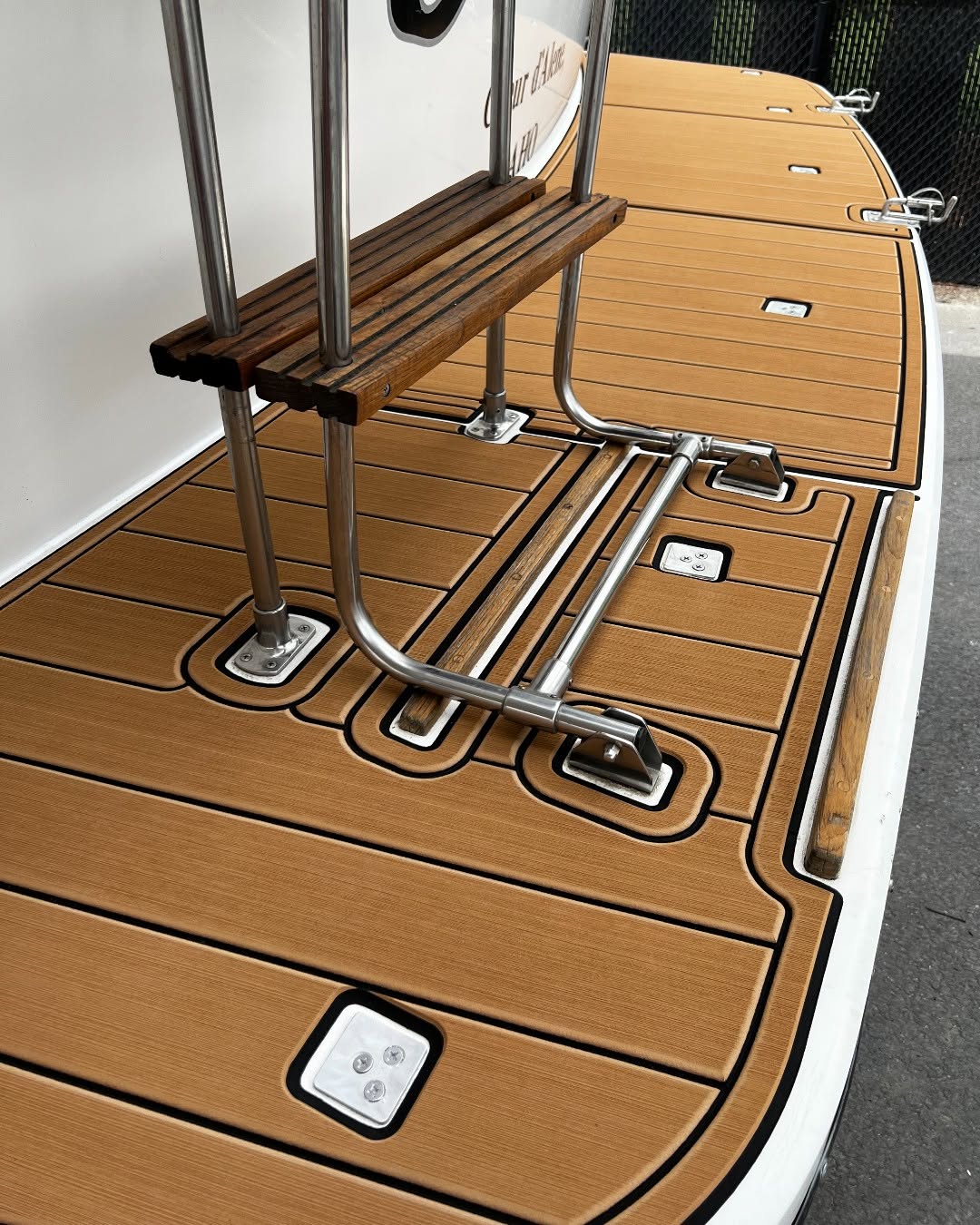
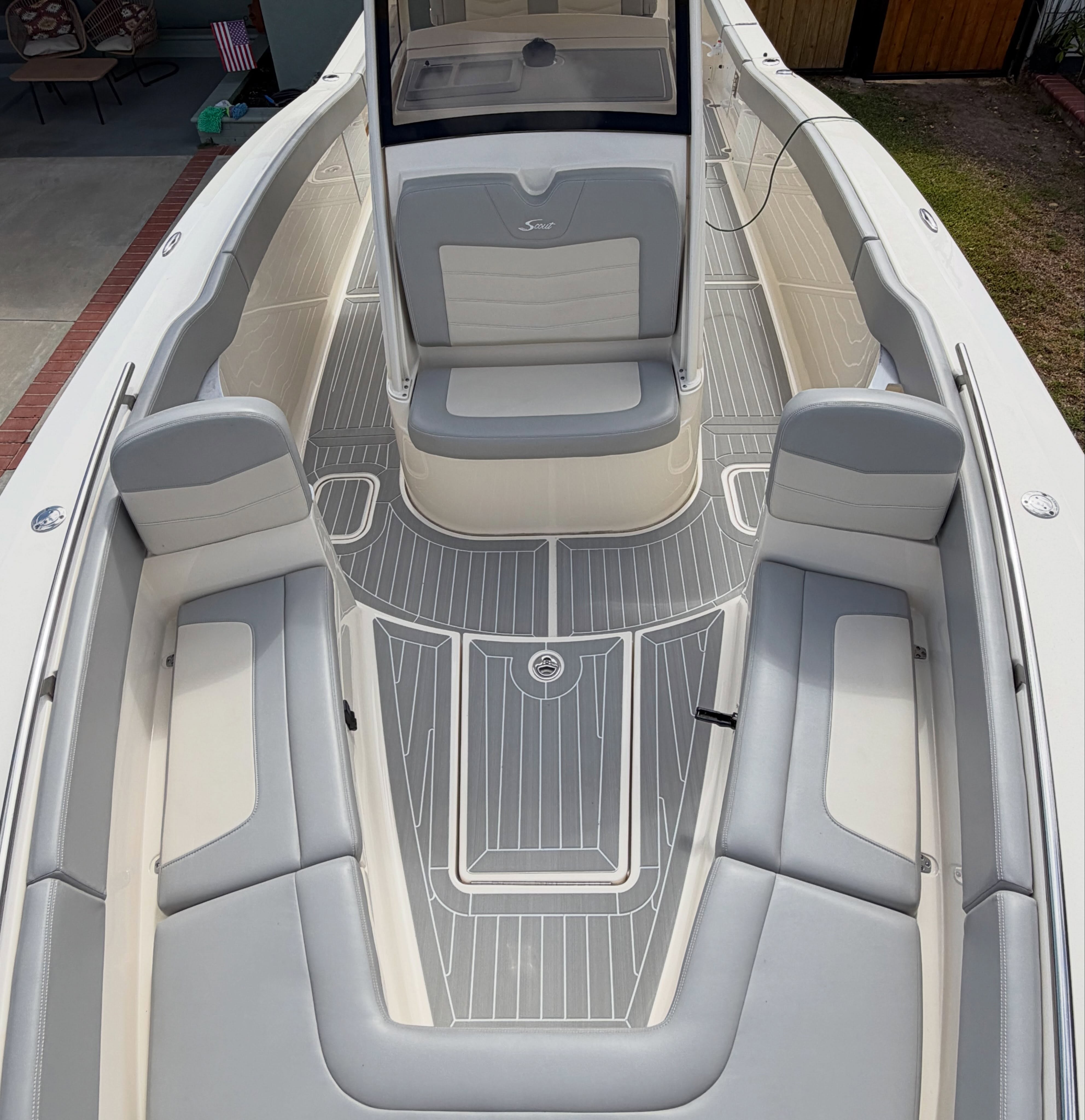
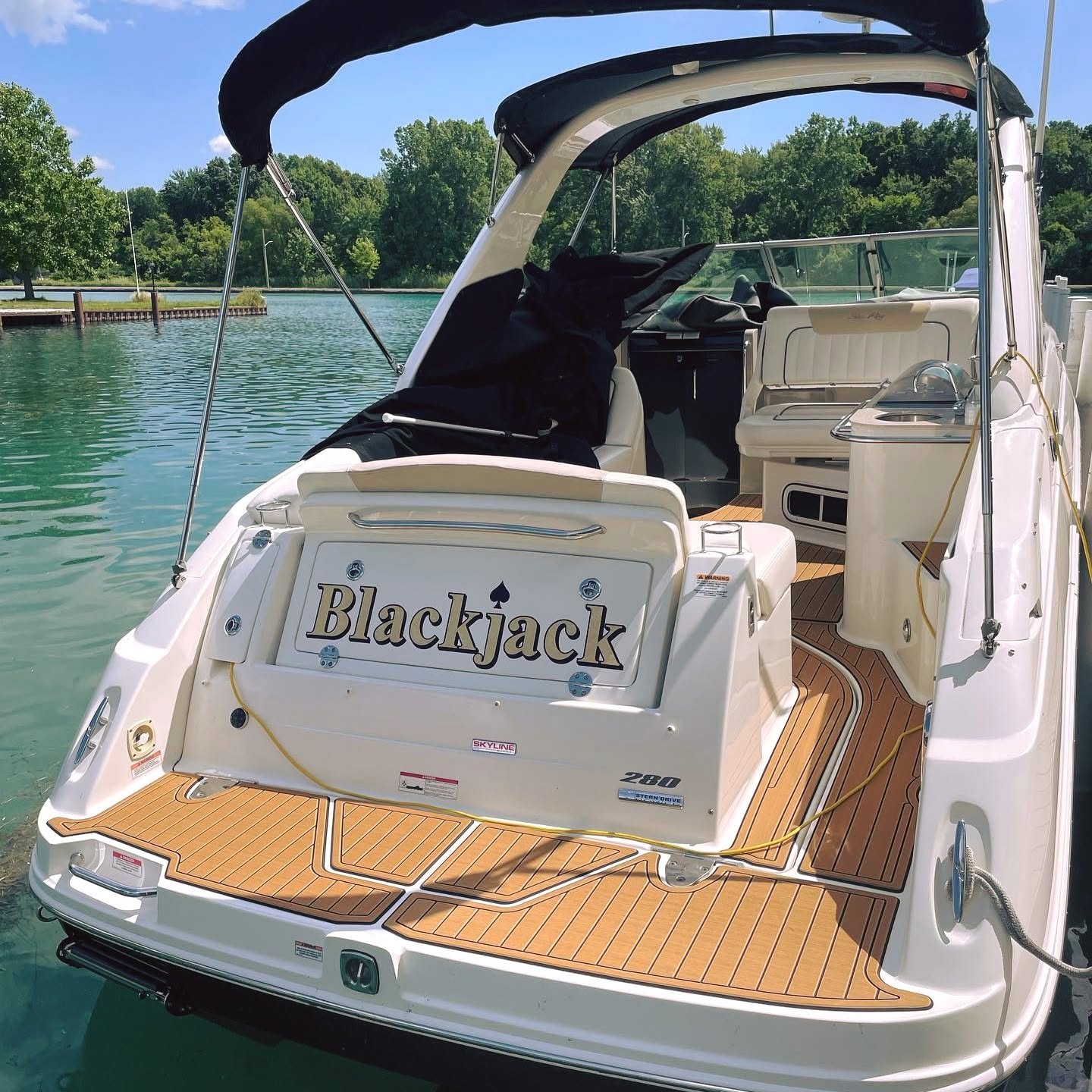
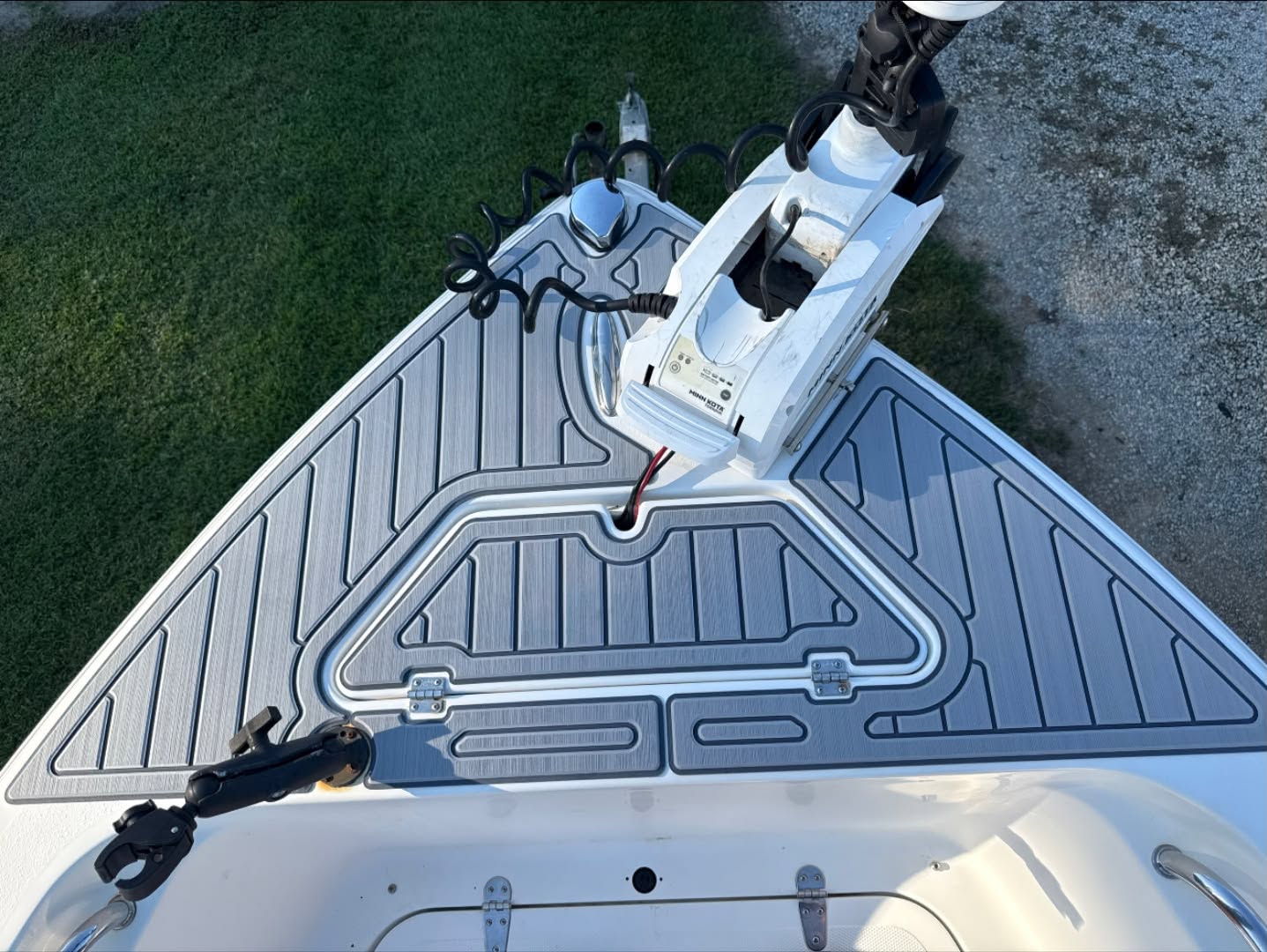
Modern marine EVA flooring is designed to provide a practical balance between comfort, traction, and durability. Closed-cell EVA foam offers a lightweight and cushioned surface while helping resist water absorption and common marine conditions. Its flexibility also makes EVA decking suitable for different areas, including boat cockpits, swim platforms, fishing boats, and other high-traffic marine applications.
Material consistency is equally important. Reliable performance across different production batches helps manufacturers maintain consistent appearance, fit, and functional quality.

As recreational boating continues to evolve, marine decking is expected to place greater emphasis on both performance and design. Selecting materials engineered for demanding marine conditions can help create boat decks that remain functional, comfortable, and visually refined over time.