
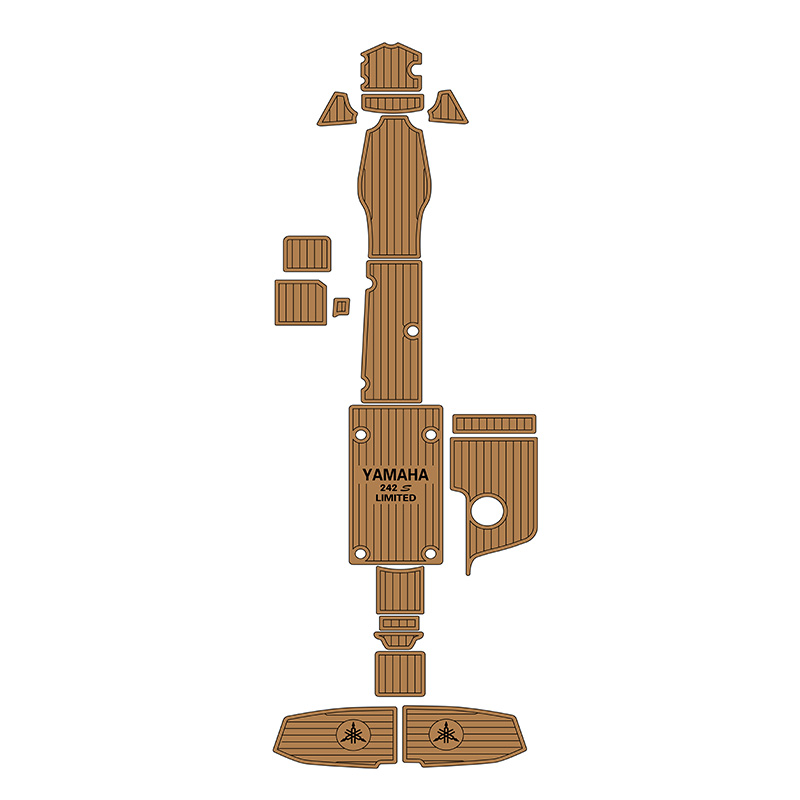
 Marine Decking & Custom Kits
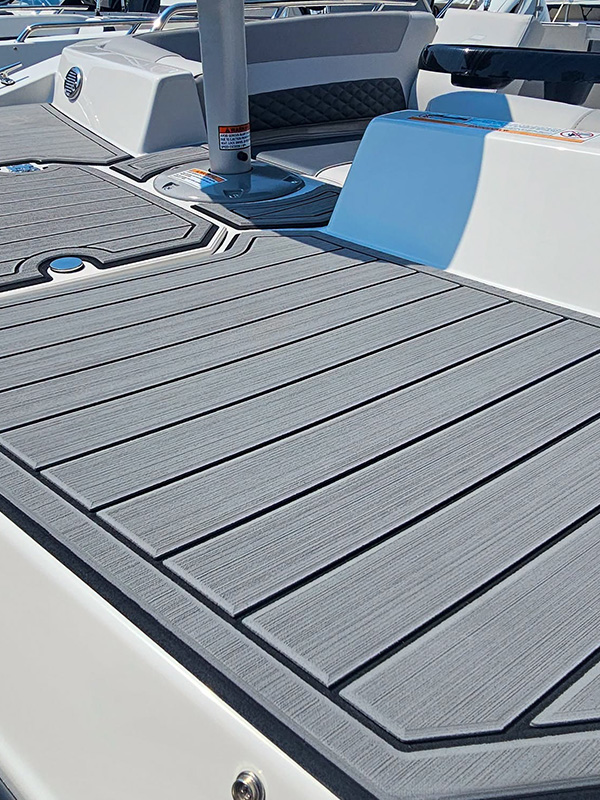 Yacht Decking
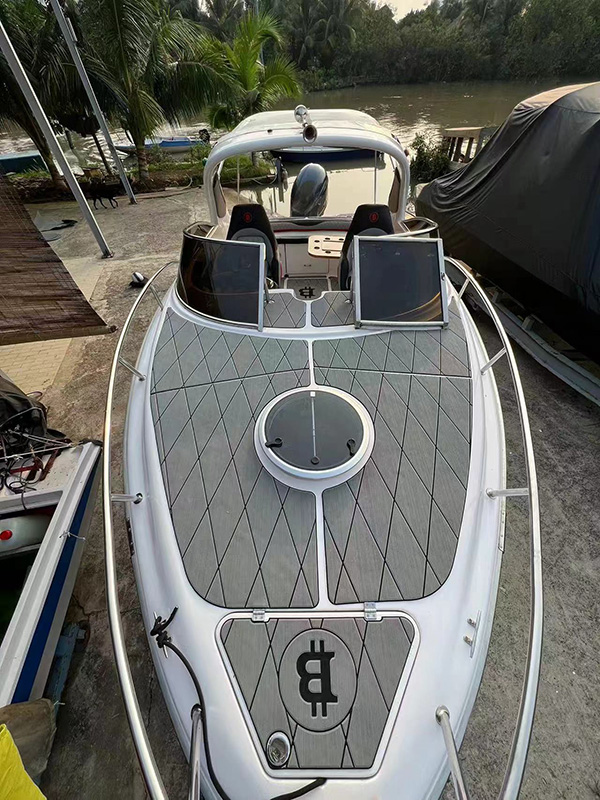 Fishing Boat Decking
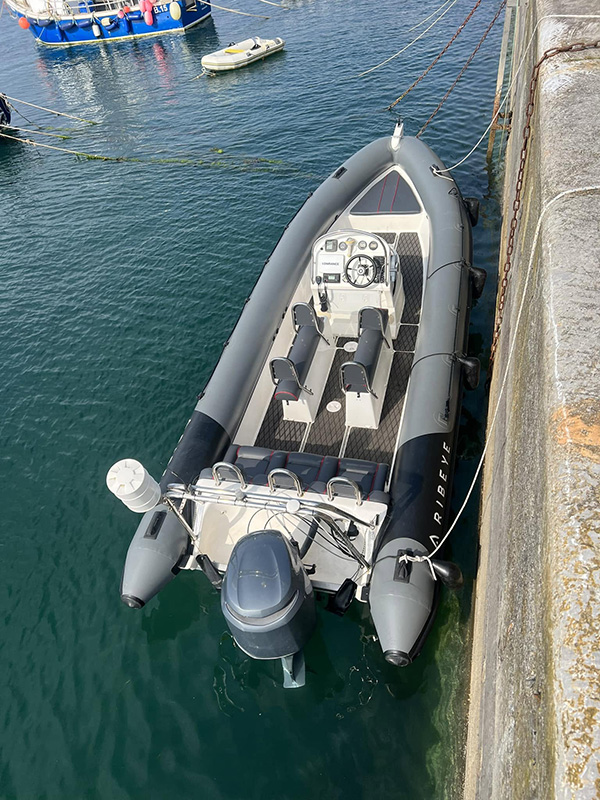 RIB Decking
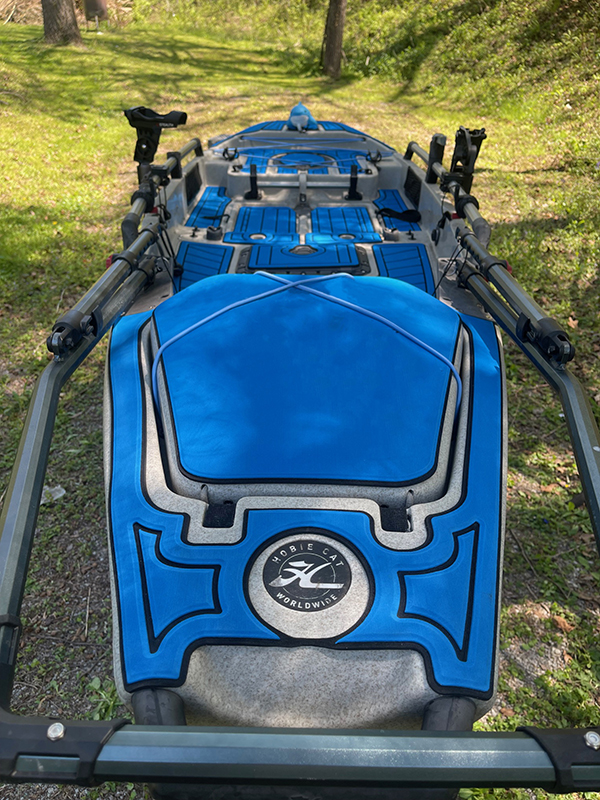 Kayak Deck Pads
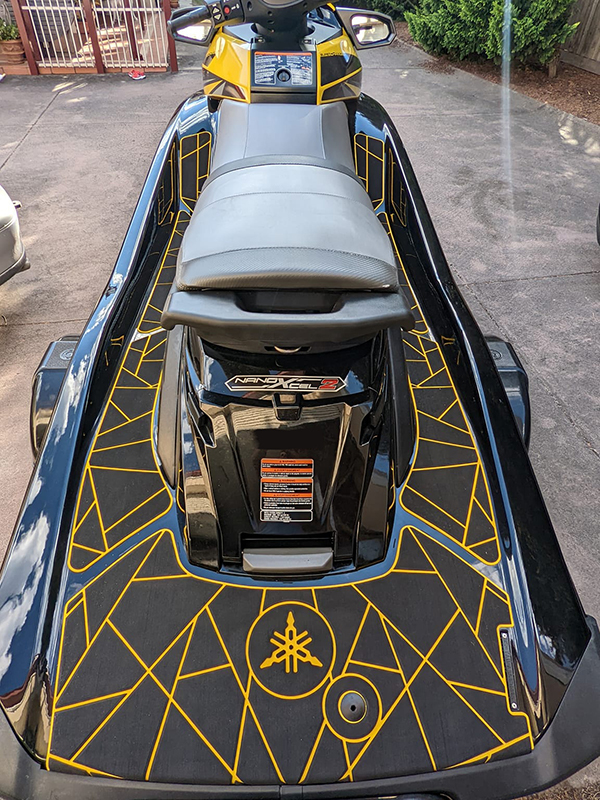 Jet Ski Traction Mats
 Onboard Comfort & Utility Pads
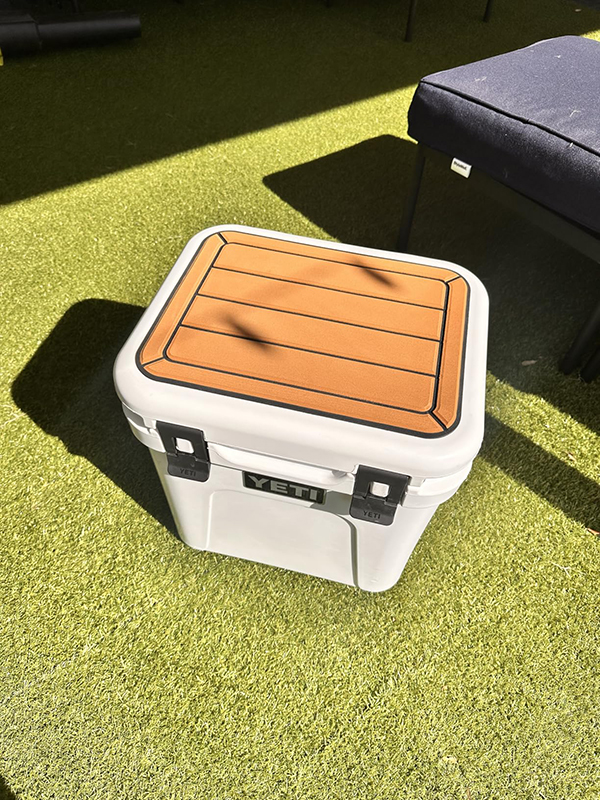 Cooler Pads
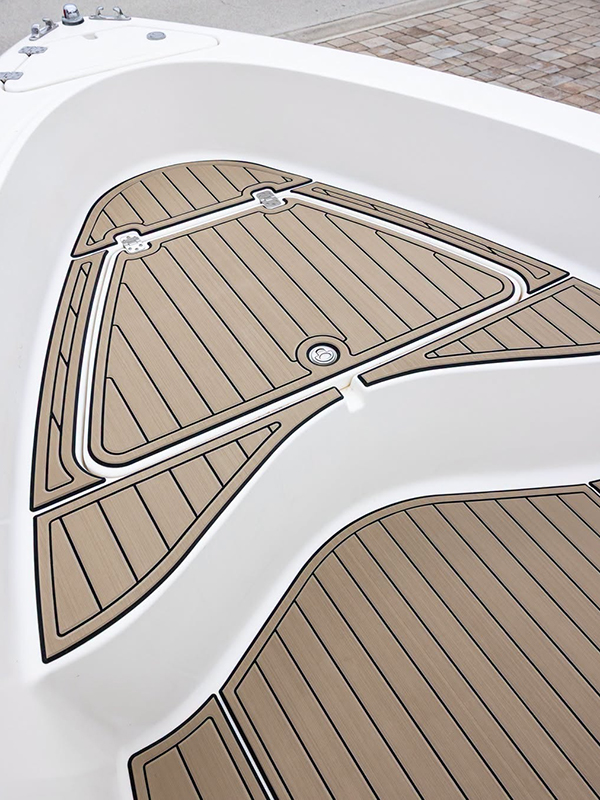 Coaming Bolster Pad
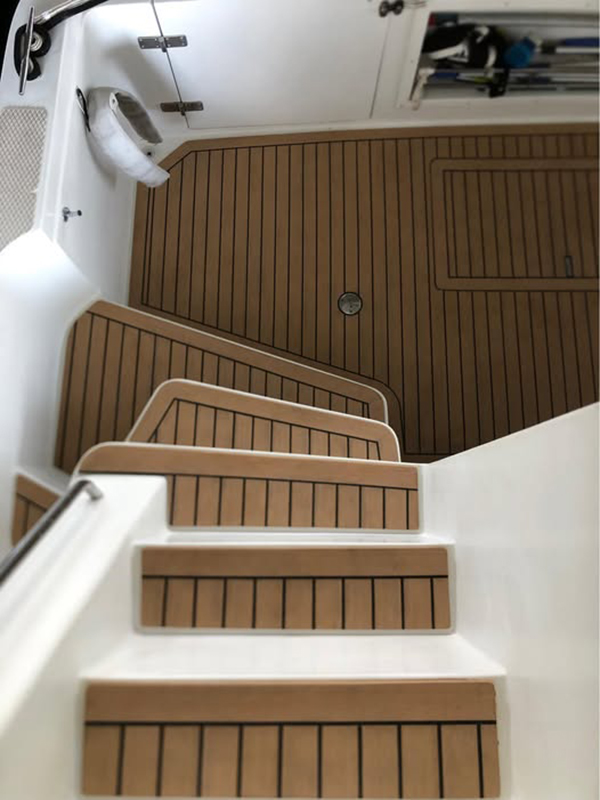 Step Pads
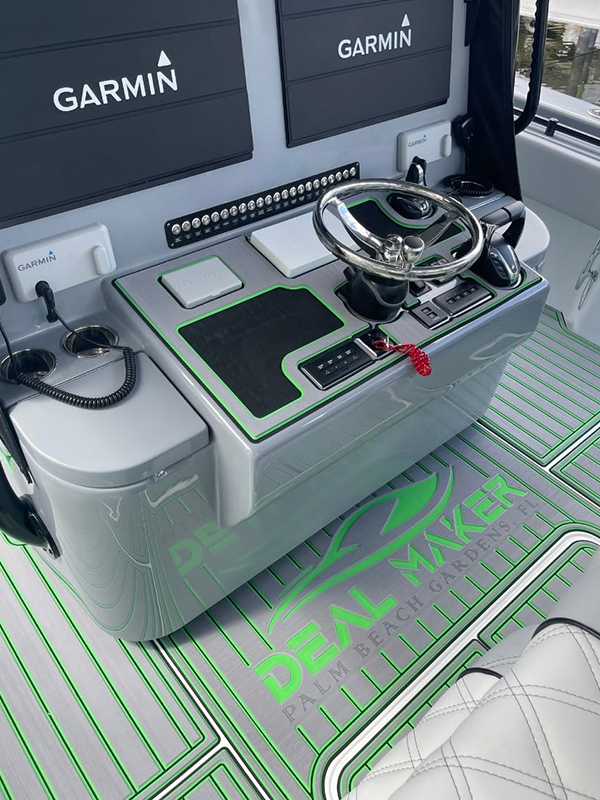 Helm Station Pads
 Watersports & Fishing Gear
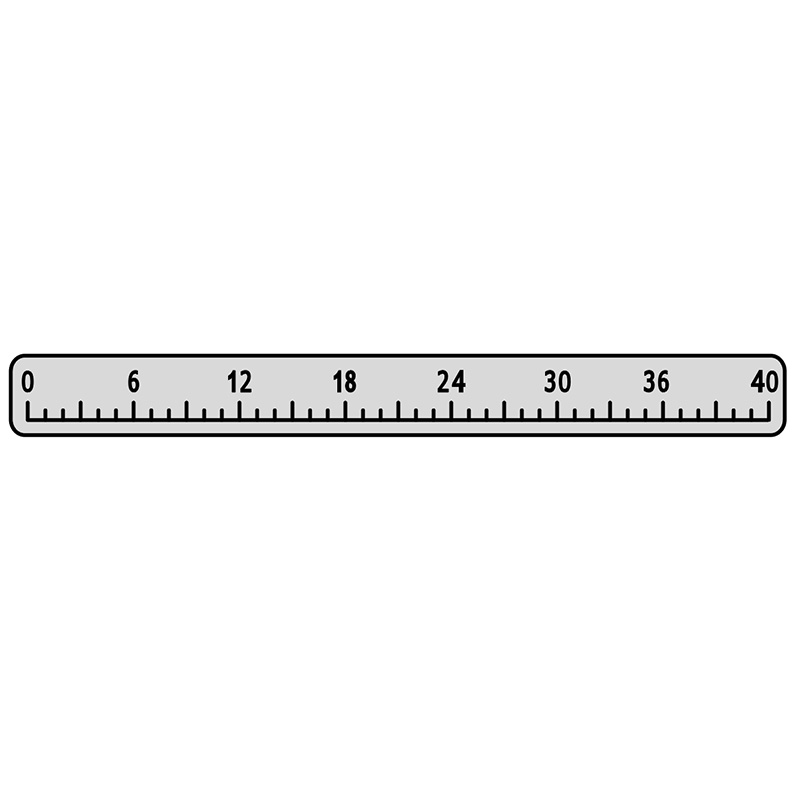
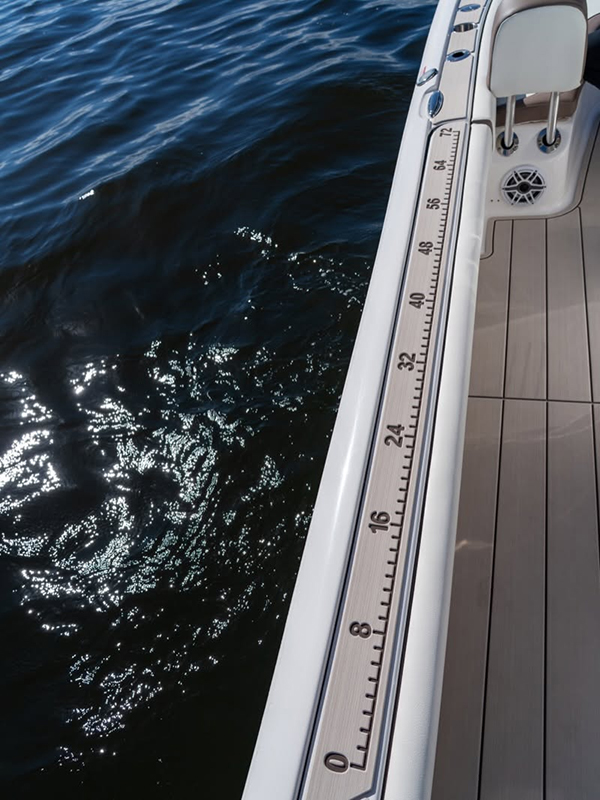 Fish Rulers
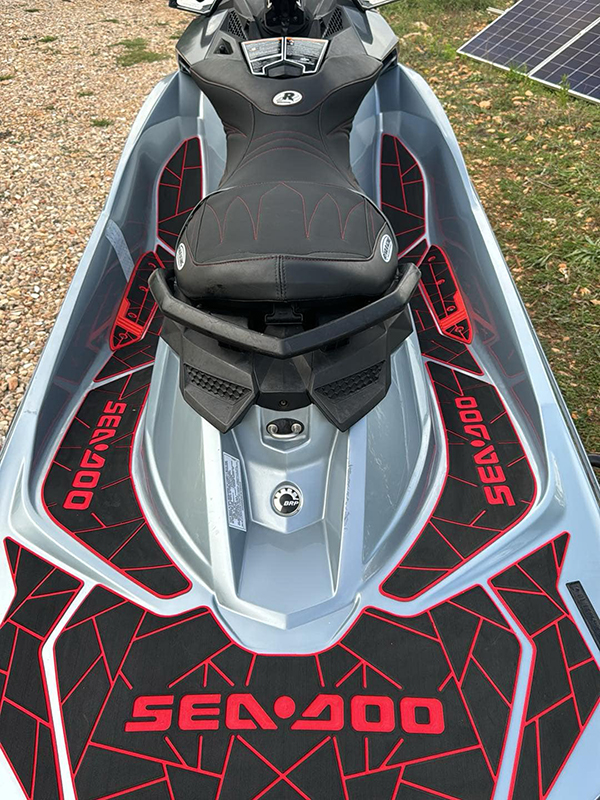 PWC Traction Pads
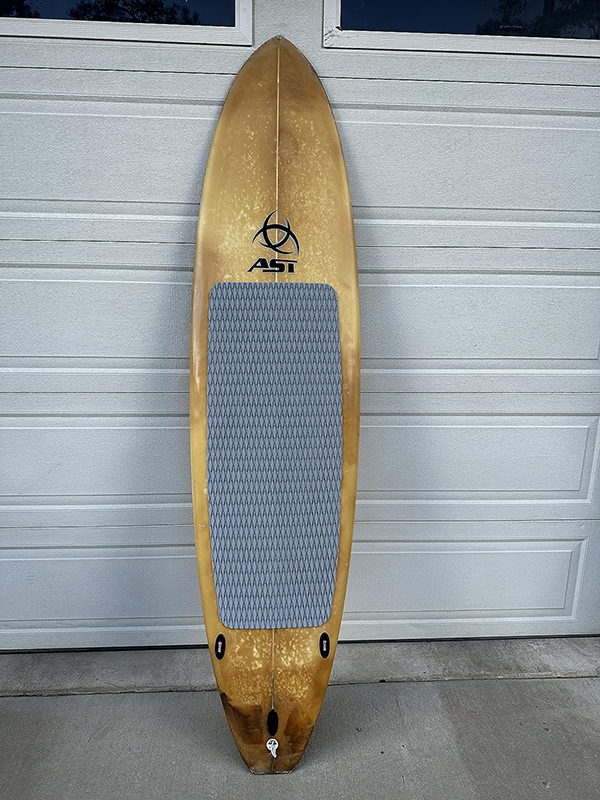 Stand-Up Paddleboard (SUP) Pads
 Hydrofoil Surfboard Pads
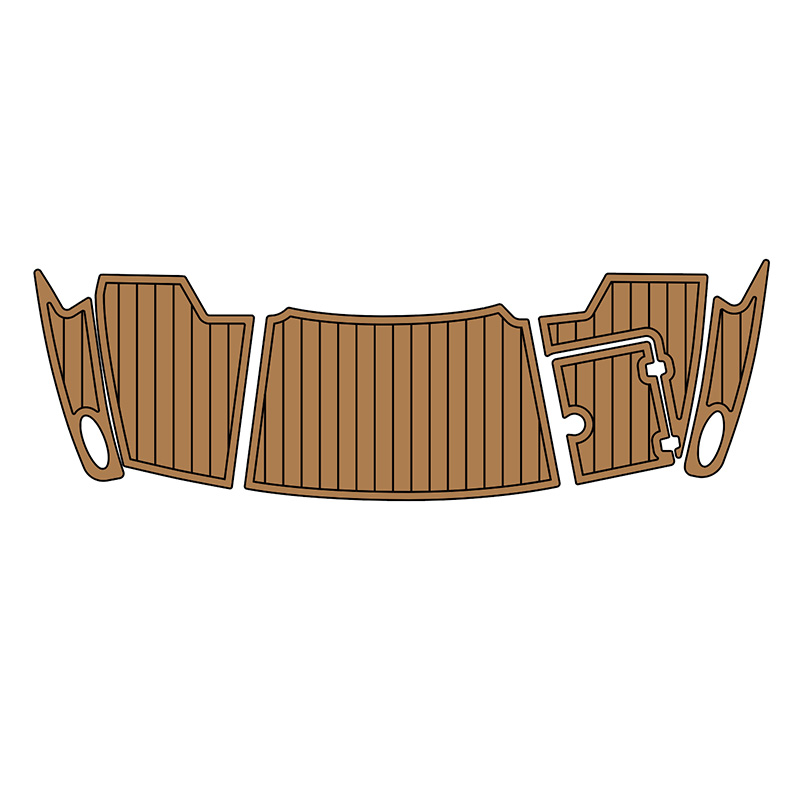 Other
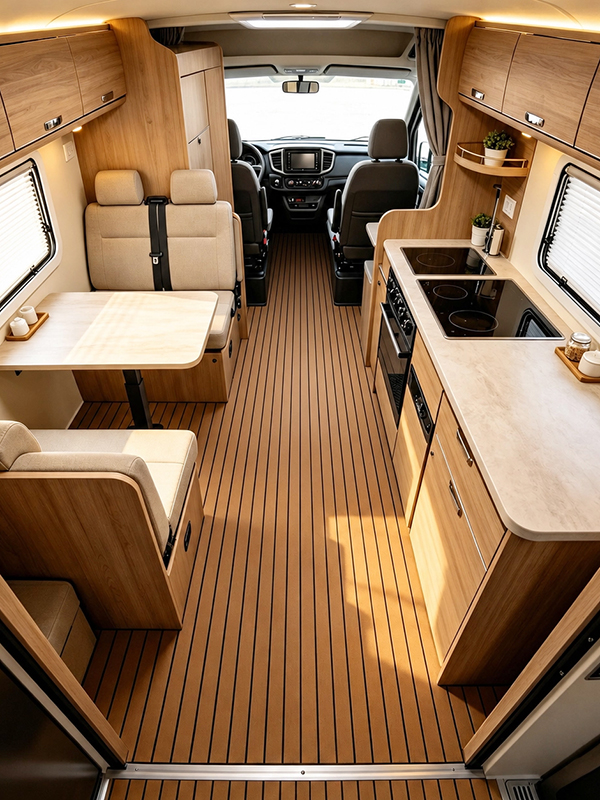 RV & Camper Flooring
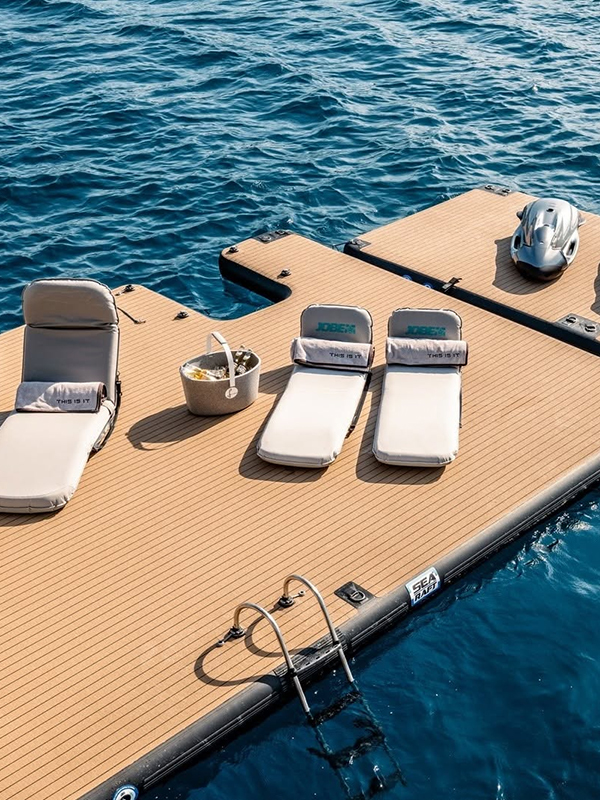 Inflatable Floating Docks
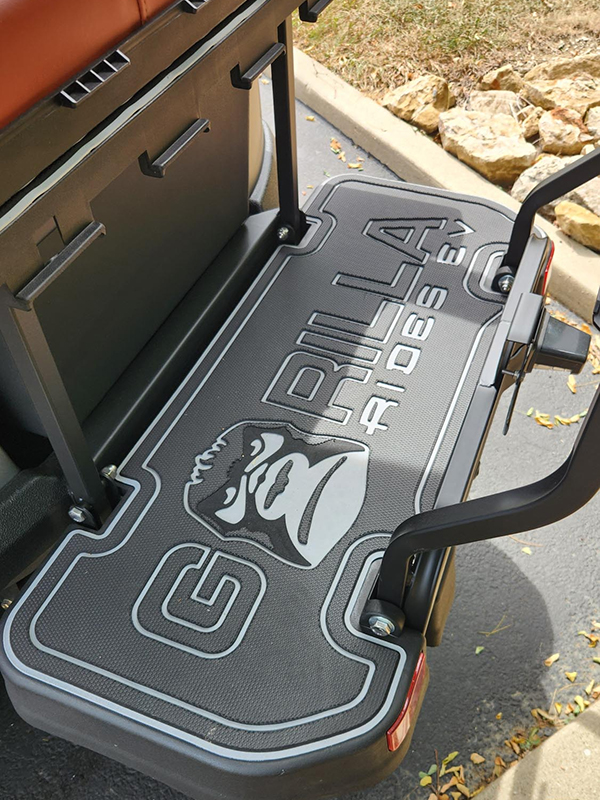 Golf Cart Mats
 Auto Trunk Liners
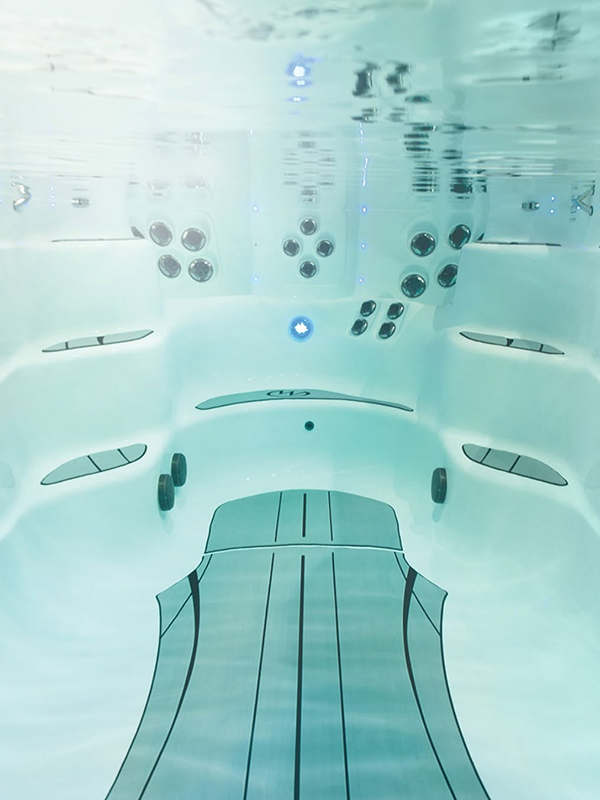 Bathtub Anti-Slip Mats
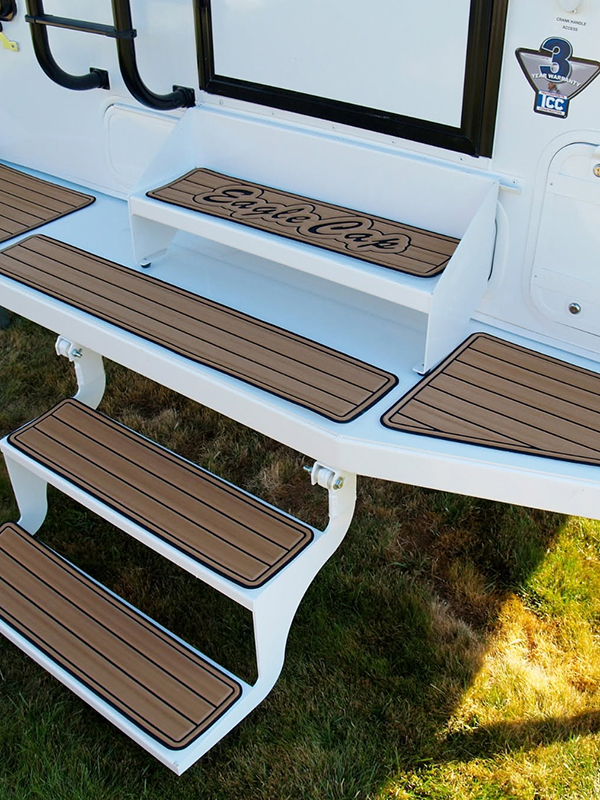 Stair Treads
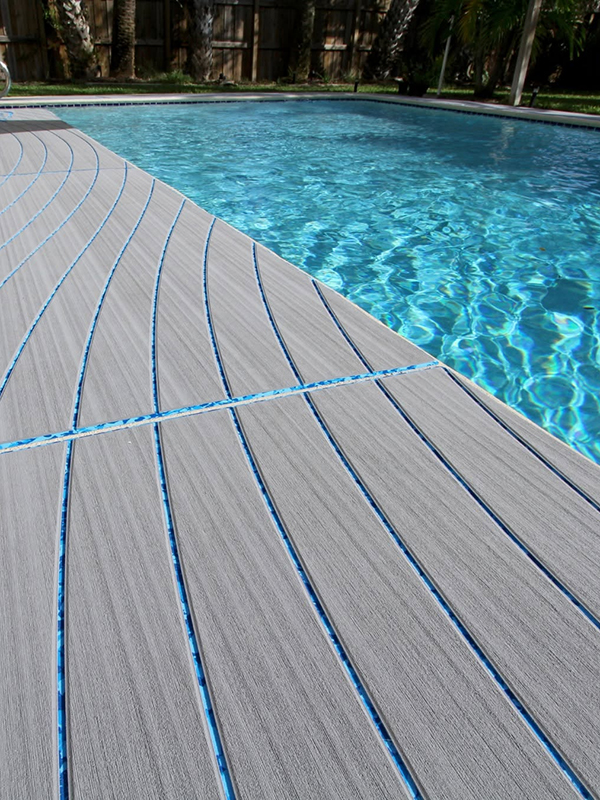 Swim Platform Mats



Industry News
The Growing Role of Personalization in Recreational Boating
2026-10-10
Recreational boat design is evolving to meet a wider range of expectations. Beyond performance and appearance, today's boat owners increasingly value how well a vessel reflects their lifestyle, preferred activities, and practical needs. This shift is influencing decisions across the design process, from onboard layouts and material selection to surface finishes and custom-fitted components.
For boat builders and marine equipment suppliers, personalization presents an opportunity to create more distinctive vessels without compromising usability. The challenge lies in translating individual preferences into design solutions that perform reliably in demanding marine environments.
From Standard Designs to More Tailored Boat Experiences
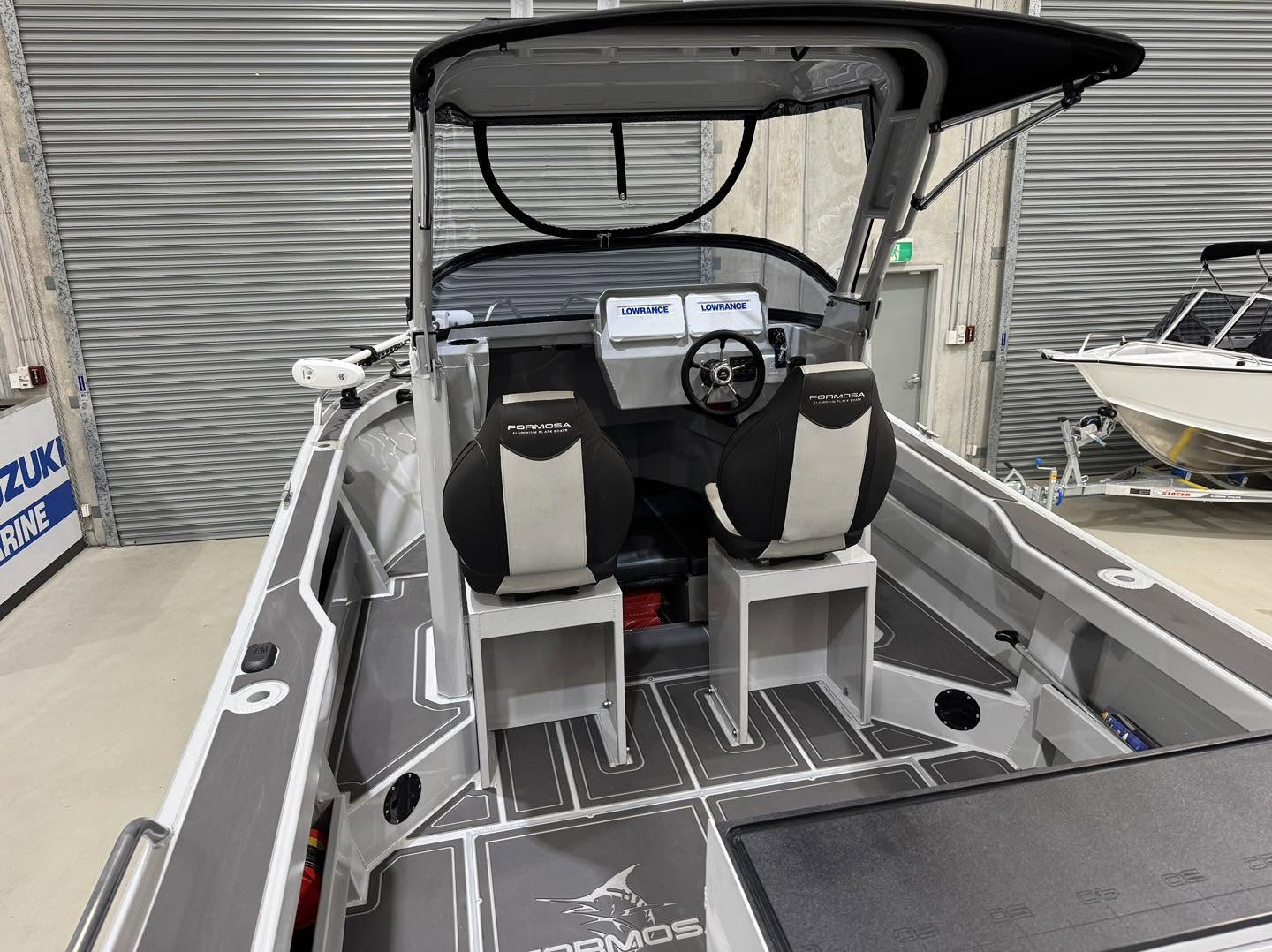
Different boating activities place different demands on a vessel. Fishing boats need practical, durable surfaces that accommodate equipment and frequent use, while recreational runabouts often prioritize passenger comfort, easy movement, and visual appeal. Yachts may require a more coordinated design across cockpits, walkways, seating areas, and swim platforms.
These differences make flexibility an important consideration in modern boat design. Rather than relying solely on standard configurations, manufacturers can adapt selected features to suit the vessel's intended use and the owner's preferences.
Personalization does not necessarily mean redesigning an entire boat. In many cases, carefully selected details—such as deck finishes, color combinations, surface textures, and fitted accessories—can make a noticeable difference to both appearance and usability.

Custom Boat Decking Brings Design and Function Together
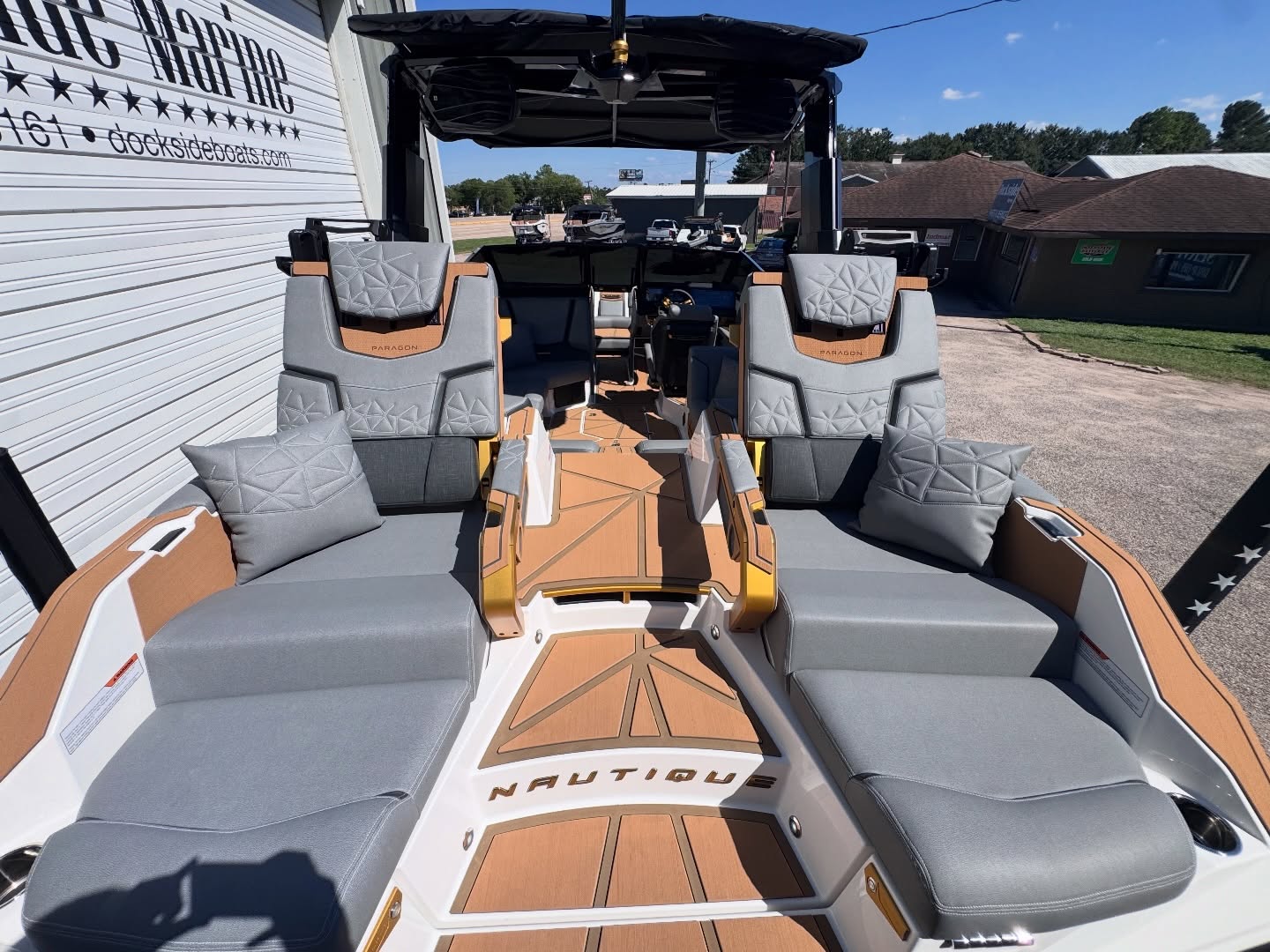
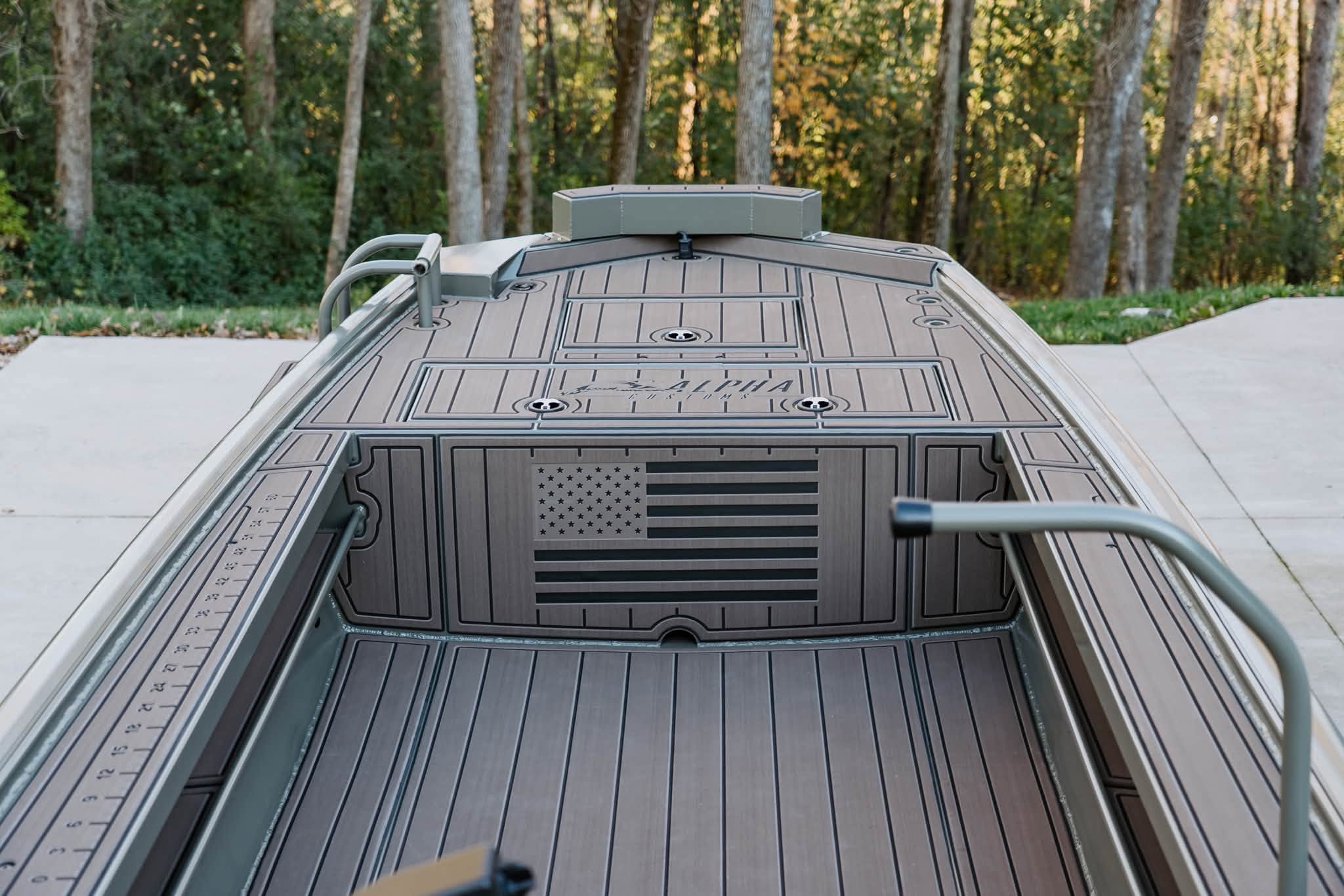
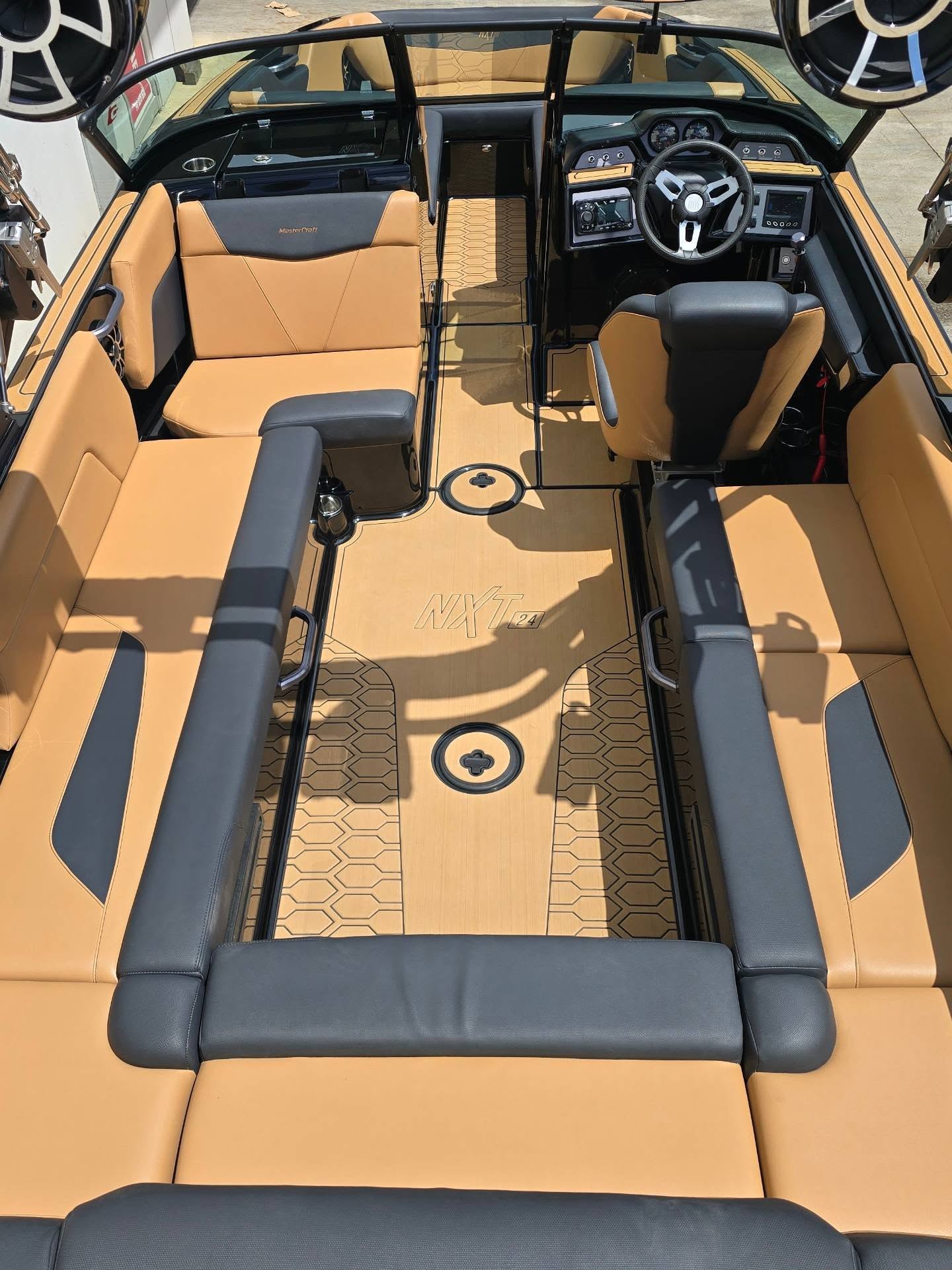
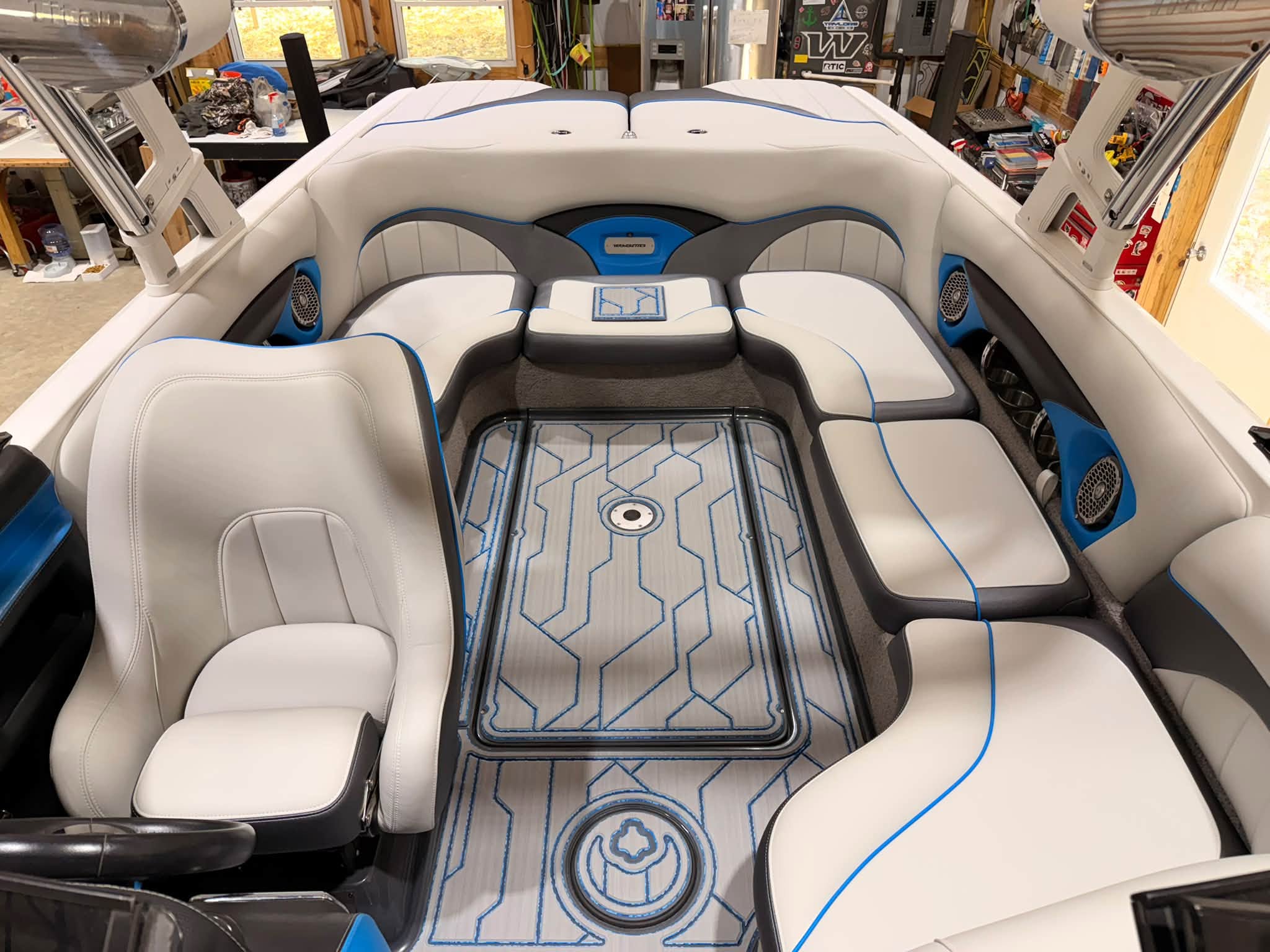
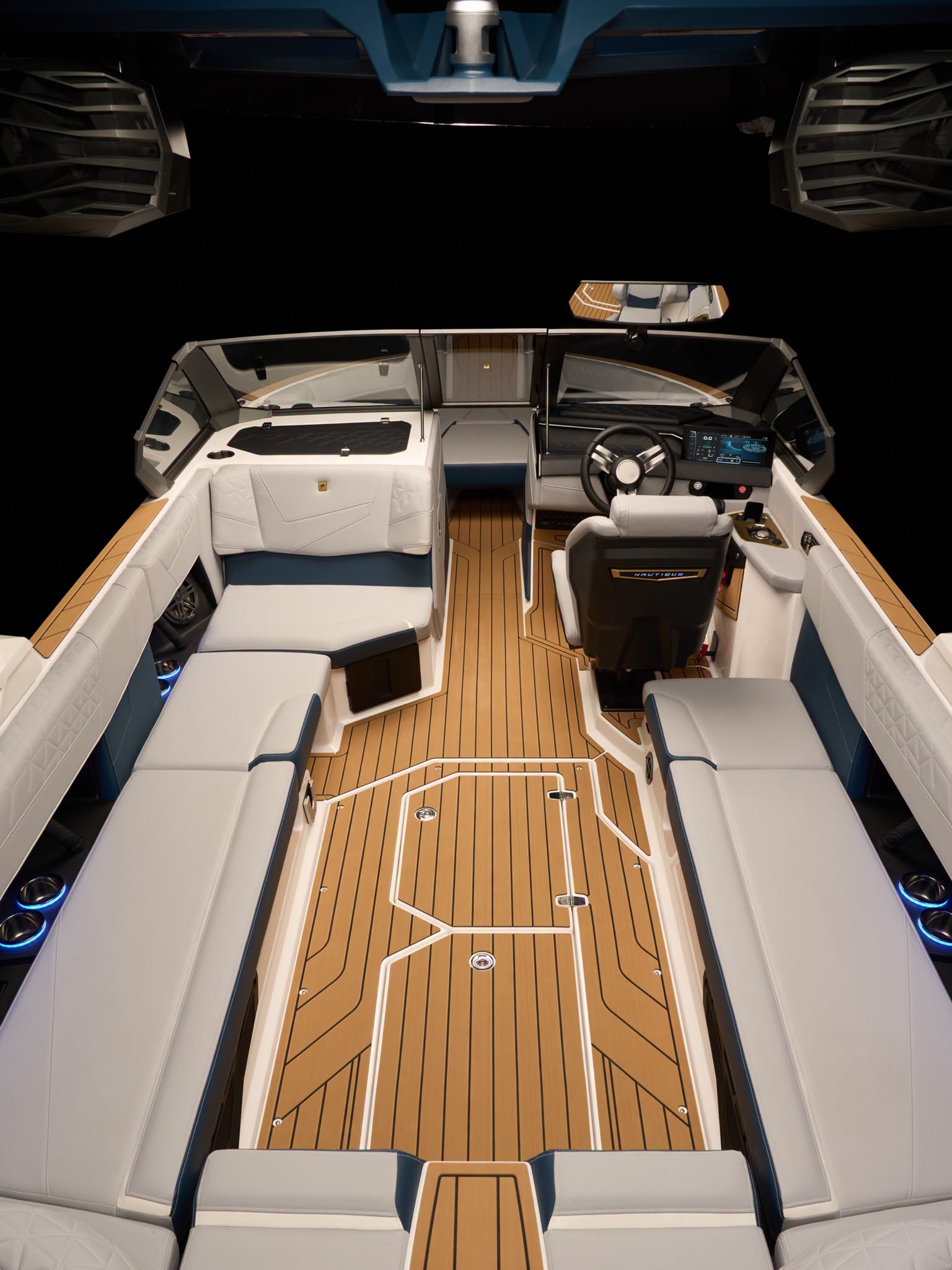
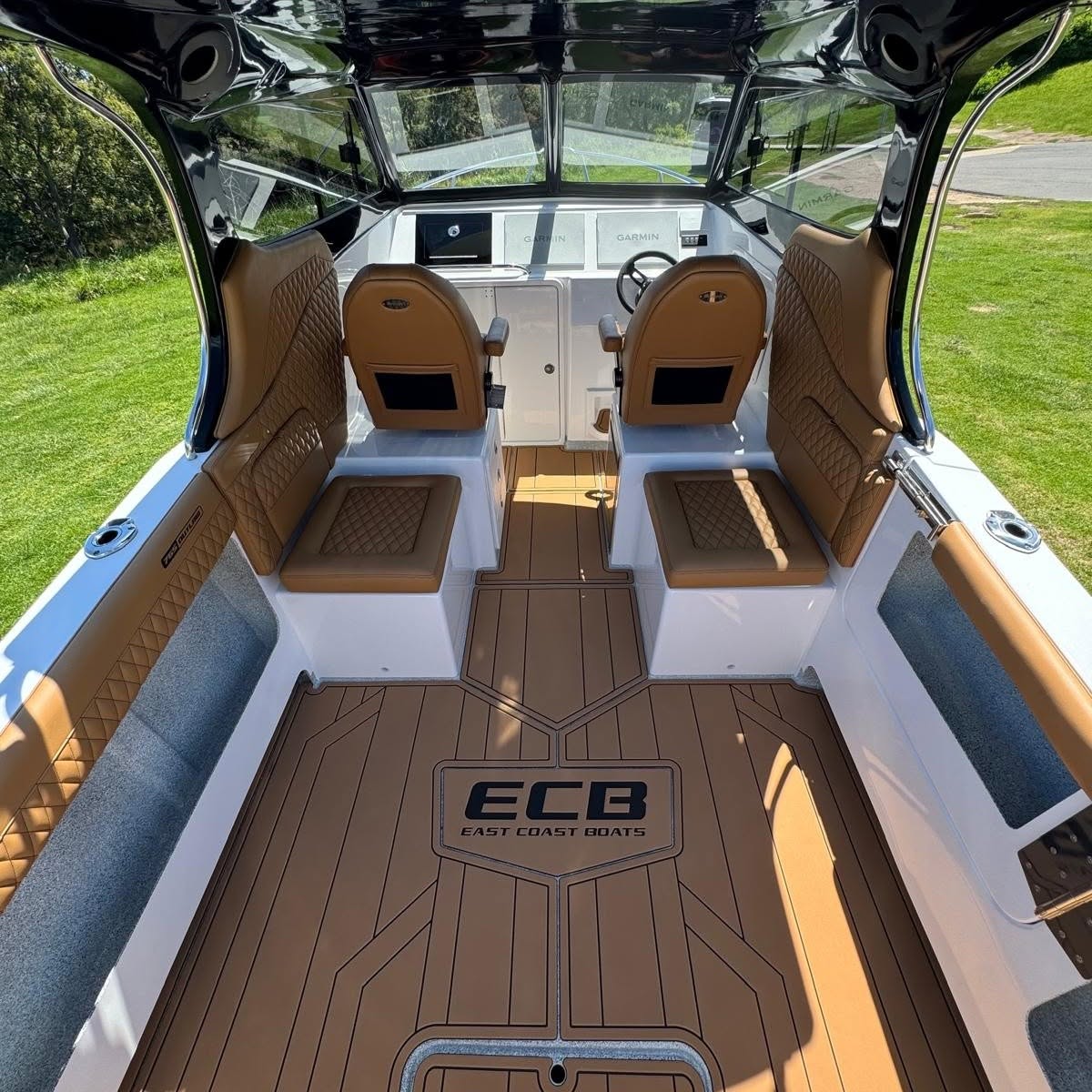
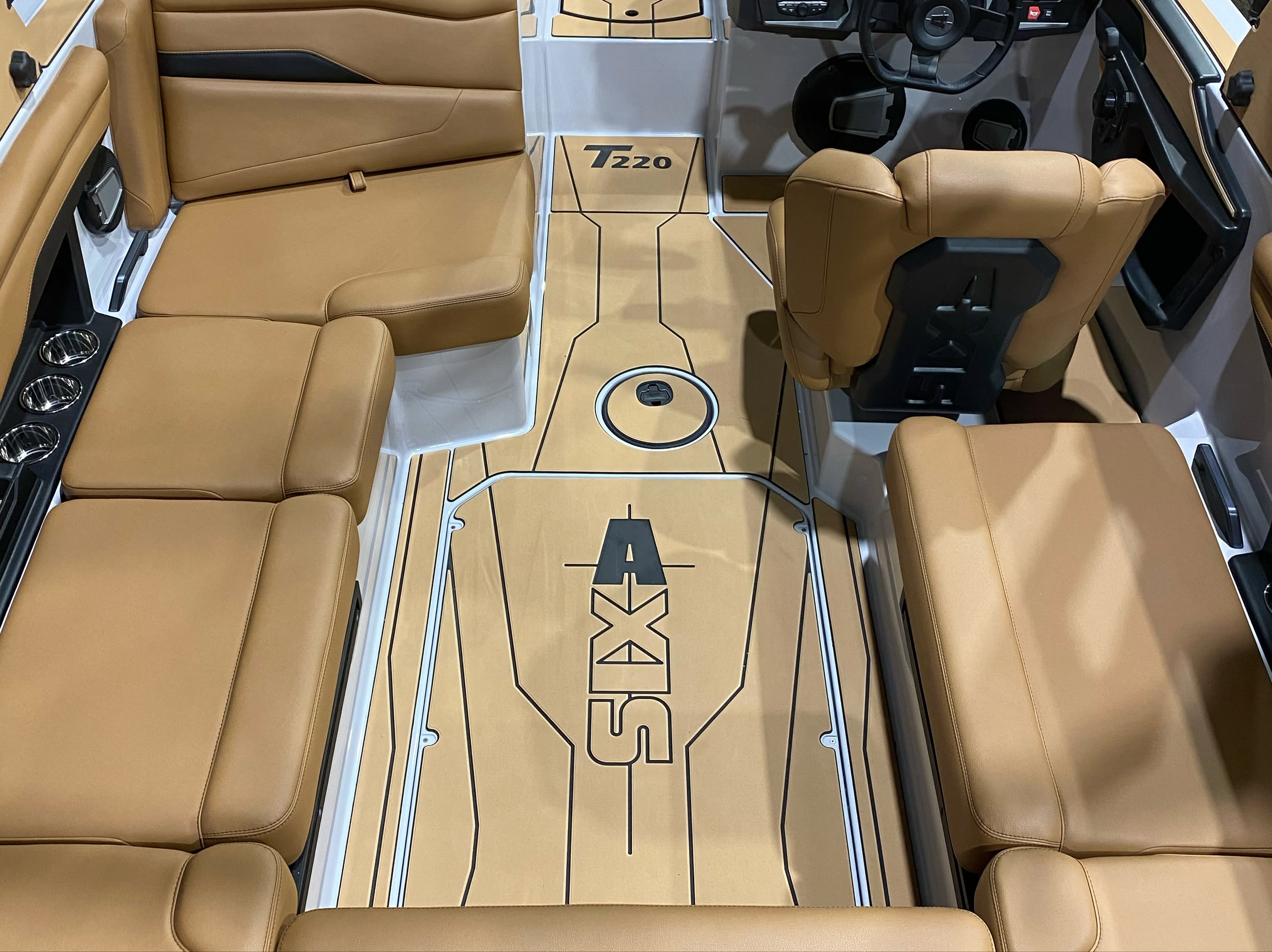
Boat decking is one of the areas where personalization can have a practical impact. As a prominent surface throughout many vessels, decking contributes to the overall aesthetic while influencing traction, underfoot comfort, cleaning requirements, and the use of available space.
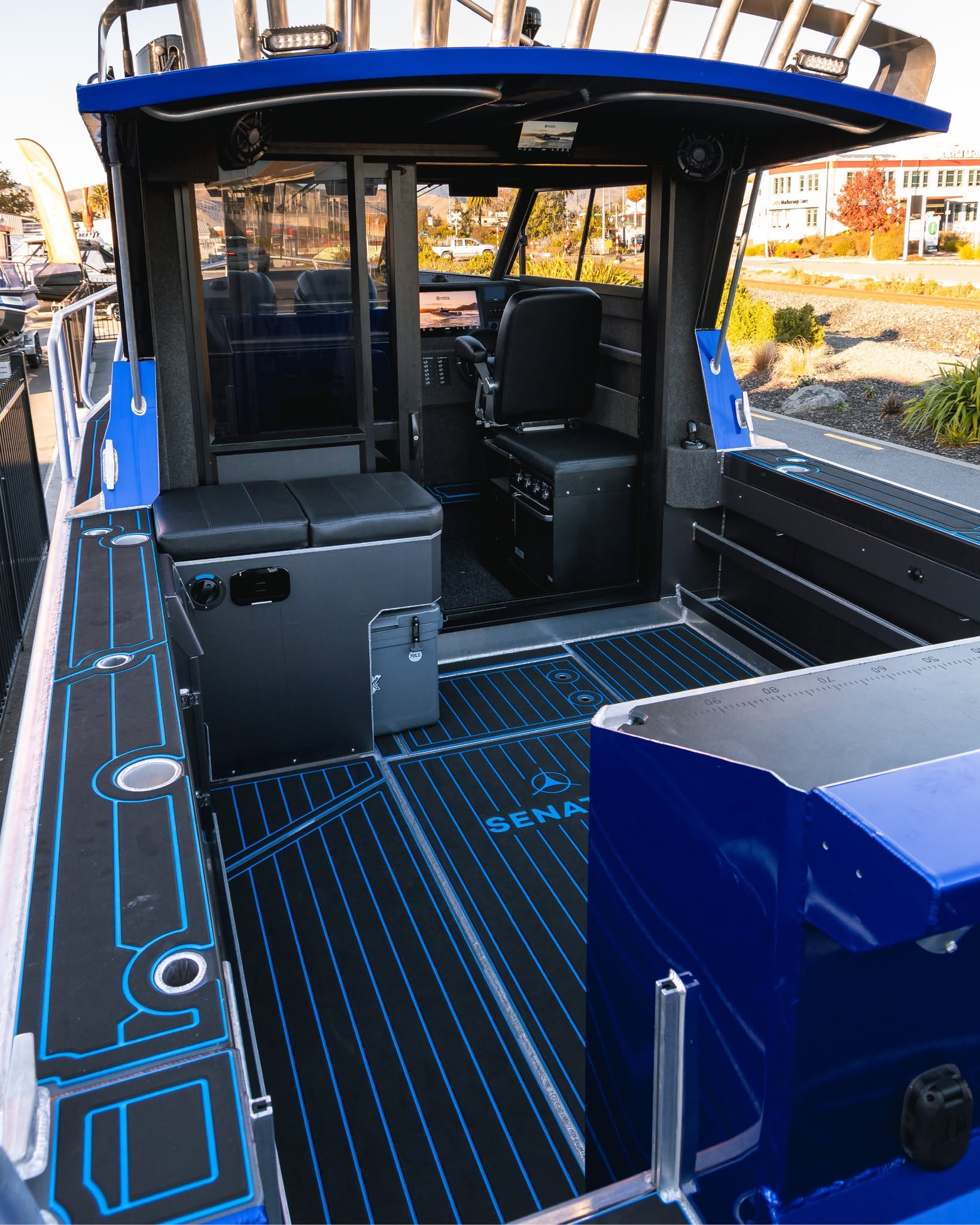
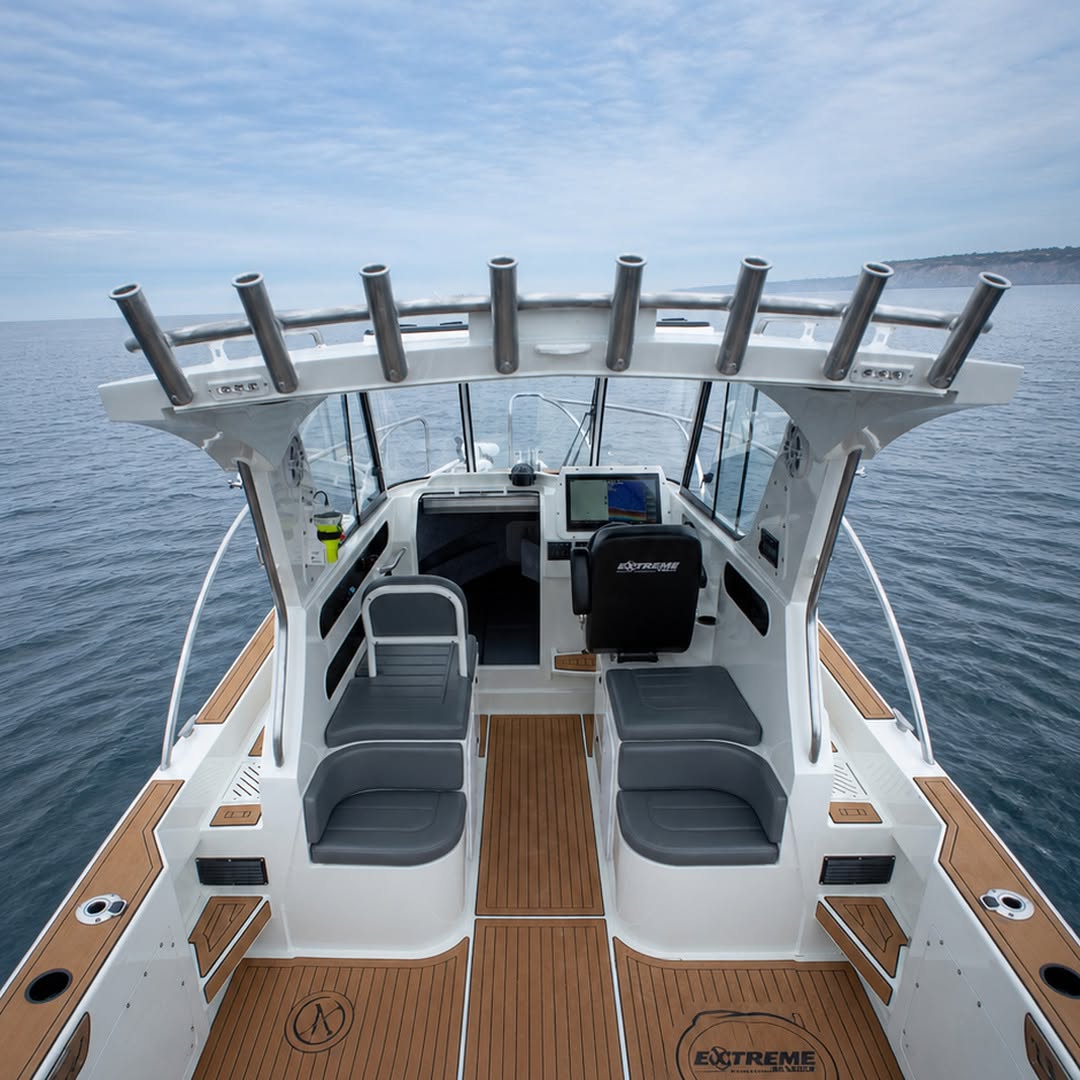
Custom boat decking gives manufacturers and owners greater control over how these qualities come together. Color selection, texture, panel layout, and decorative details can be coordinated with the boat's exterior and interior design.
Marine EVA foam decking is an option for applications that require a combination of cushioning, grip, and design flexibility. It can be used in areas such as yacht cockpits, swim platforms, fishing boats, and personal watercraft, with suitable specifications selected for each application.
Patterns, contrasting borders, and custom logos can further distinguish a vessel. More importantly, deck panels can be designed around specific dimensions and contours, helping create a more integrated appearance than a one-size-fits-all solution.
Precision Manufacturing Turns Design Ideas into Practical Solutions
A customized design is only as effective as the process used to produce it. Accurate measurements, appropriate templates, and consistent manufacturing methods are essential when components must fit the contours of a particular boat model.
Digital design and CNC cutting can help translate deck layouts into precisely shaped panels, including curved edges and more complex configurations. When supported by reliable measurements and template preparation, these processes can improve repeatability and reduce the need for extensive on-site trimming.
This capability is valuable to boat builders, marine decking distributors, and aftermarket installers working with different vessel models. It allows them to consider customized kits alongside standard sizes, depending on the requirements of the project.
Fit, however, is only one part of the equation. Material consistency, adhesive selection, substrate preparation, and installation conditions also influence the final result. Addressing these factors during the planning stage helps ensure that the finished deck meets both the intended design and the demands of everyday use.
Choosing Materials for Real Marine Conditions
Personalization should extend beyond visual choices to include the conditions in which a boat operates. Deck surfaces may be exposed to sunlight, moisture, saltwater, dirt, and repeated foot traffic, making material selection an important part of the design process.
Different applications may require different combinations of surface texture, thickness, maintenance characteristics, and installation methods. A swim platform, for example, has different functional demands from a cockpit walkway or a recreational seating area.
For this reason, selecting marine decking involves more than matching colors to a boat's styling. Designers and buyers need to consider the vessel's intended use, the properties of the chosen material, and its compatibility with the installation surface.
A considered approach helps bring visual consistency and practical performance together, rather than treating them as separate priorities.

What Personalization Means for Boat Builders and Marine Suppliers
As boat owners seek solutions that better reflect their individual preferences, the ability to offer flexible specifications can become a useful point of differentiation. Boat builders can incorporate more tailored design elements, while distributors and aftermarket specialists can serve customers with different vessel types and project requirements.
For marine decking suppliers, this creates opportunities to support a broader range of applications through varied colors, surface patterns, dimensions, and custom-cut kits. A flexible manufacturing process can help accommodate model-specific requirements while maintaining consistency across production.
Personalization also places greater importance on communication between designers, suppliers, and installers. Clear specifications, accurate measurements, and appropriate material selection help reduce uncertainty and support a smoother transition from design to installation.
A More Considered Approach to Recreational Boat Design
Personalization is not simply about making a boat look different. It is about aligning design choices with how a vessel will be used, how its spaces function, and what owners value most.
From custom boat decking to model-specific components, adaptable materials and precision manufacturing give the marine industry more ways to combine individuality with practical design. The most effective solutions are those in which appearance, usability, material selection, and fit are considered together.
As recreational boat design continues to evolve, this balance will remain important for creating vessels that feel distinctive while meeting the everyday demands of life on the water.