


Industry News
How Recreational Boating Is Influencing New Deck Design Trends
2026-09-29
The way people use recreational boats is changing, and boat deck design is changing with it. Today’s boat owners are increasingly looking for more than a durable surface underfoot. Comfort, usability, visual appeal, maintenance, and personalization are becoming part of the same design conversation.
For boat builders, designers, and marine product manufacturers, this shift is placing greater emphasis on how deck space is planned and which marine decking materials are selected. The deck is no longer simply a surface between the hull and the passenger. It has become an important part of the overall boating experience.
Deck Space Is Being Designed Around Real-World Use
Recreational boats need to accommodate a wide range of activities within a relatively limited footprint. Depending on the boat and its intended use, the same deck area may serve as a boarding zone, walking surface, seating area, fishing platform, or watersports space.
This is encouraging a more practical approach to boat deck design. Instead of focusing only on appearance, designers are paying closer attention to movement, usable space, traffic patterns, and how different areas of the boat function together.
A well-planned deck can make it easier for passengers to move around, create clearer functional zones, and make better use of available space without significantly changing the overall layout.
Comfort Is Becoming a Key Design Consideration
Long hours on the water can make the quality of a deck surface much more noticeable. Hard materials may provide structural durability, but they do not always offer the level of underfoot comfort expected from modern recreational boats.
As a result, cushioning and surface feel are becoming more relevant in marine deck design. Materials such as EVA are increasingly used in areas where passengers spend extended periods standing, walking, sitting, or preparing equipment.
The appeal of EVA boat decking comes from its combination of cushioning, traction, and practical performance. Rather than treating comfort as an additional feature, modern deck design is beginning to incorporate it as part of the overall user experience.
Decking Is Becoming Part of the Boat’s Visual Identity
Function remains essential, but aesthetics are playing a larger role in how recreational boats are designed and presented.
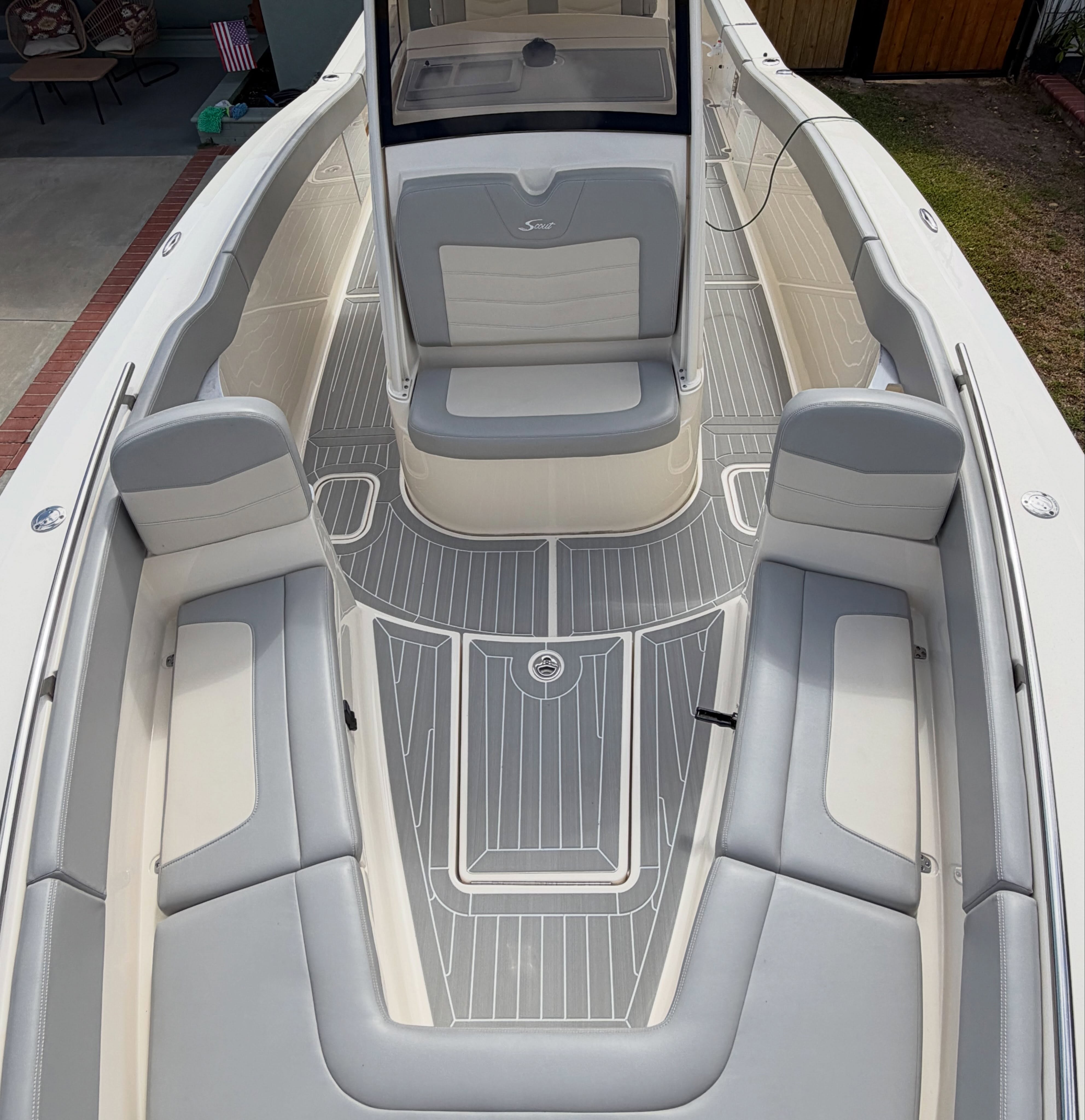
Deck surfaces can influence the visual balance of an entire boat. Color, texture, pattern, and layout can help define different functional areas while complementing seating, consoles, hull colors, and other interior elements.
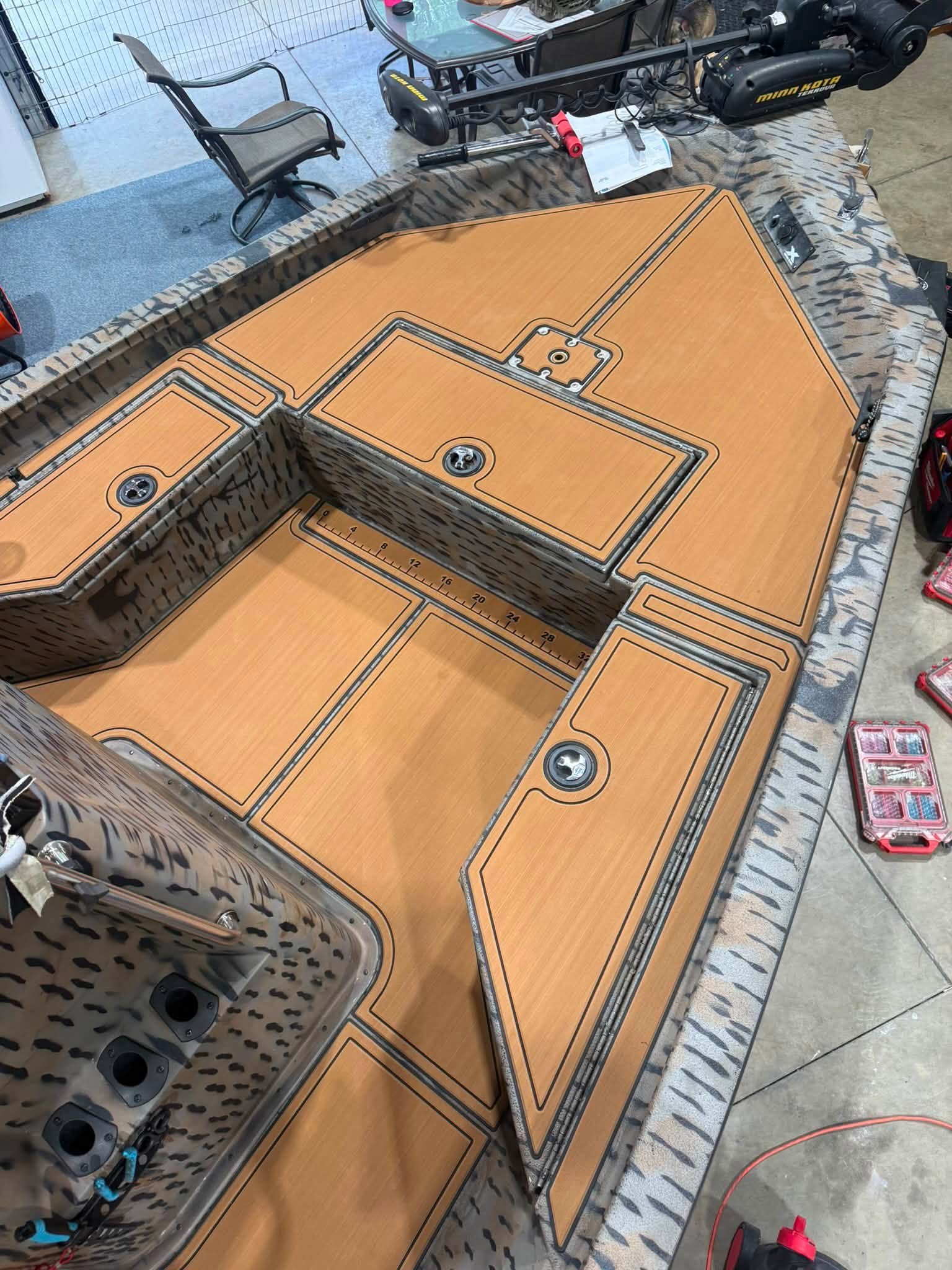
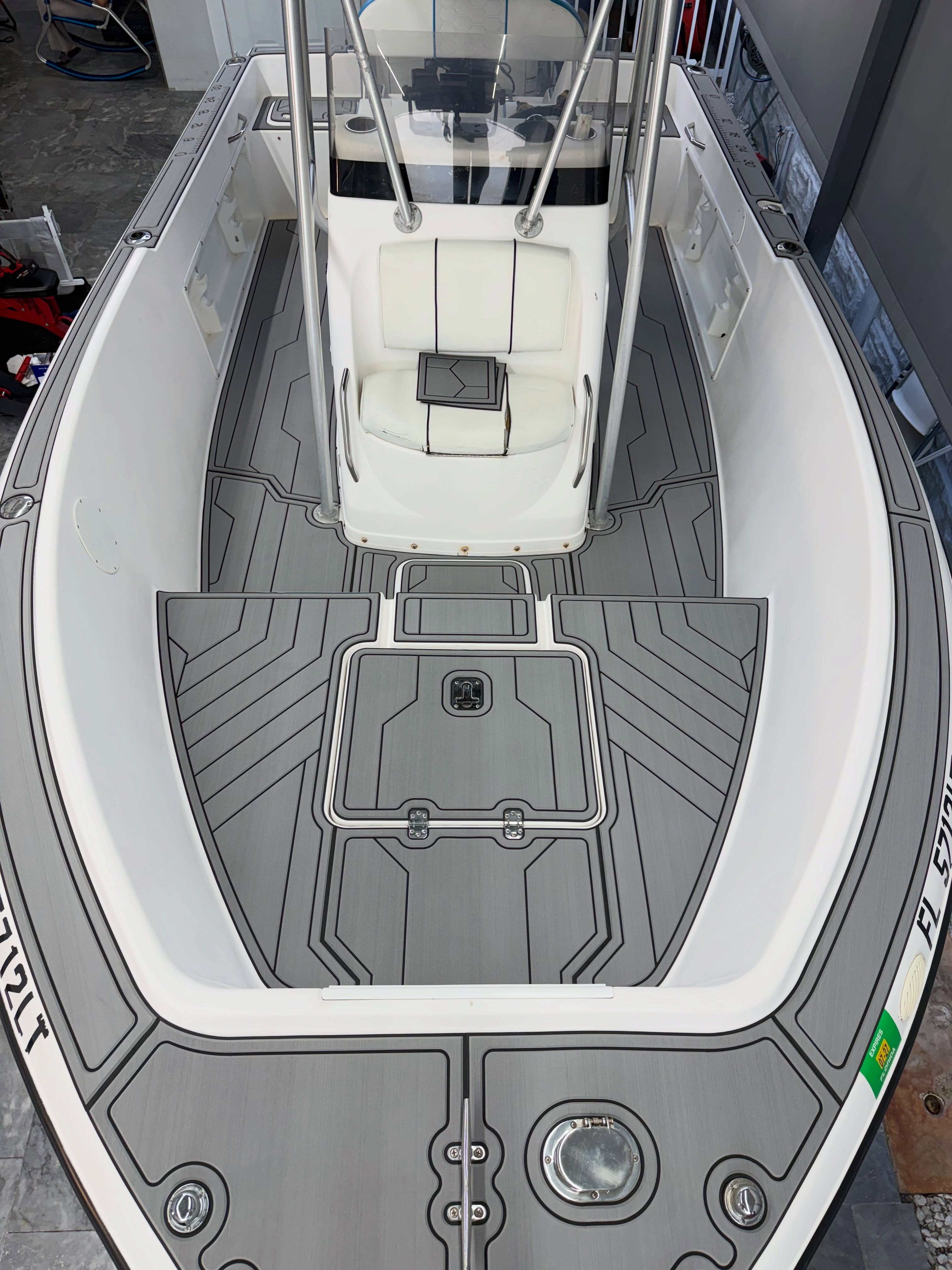
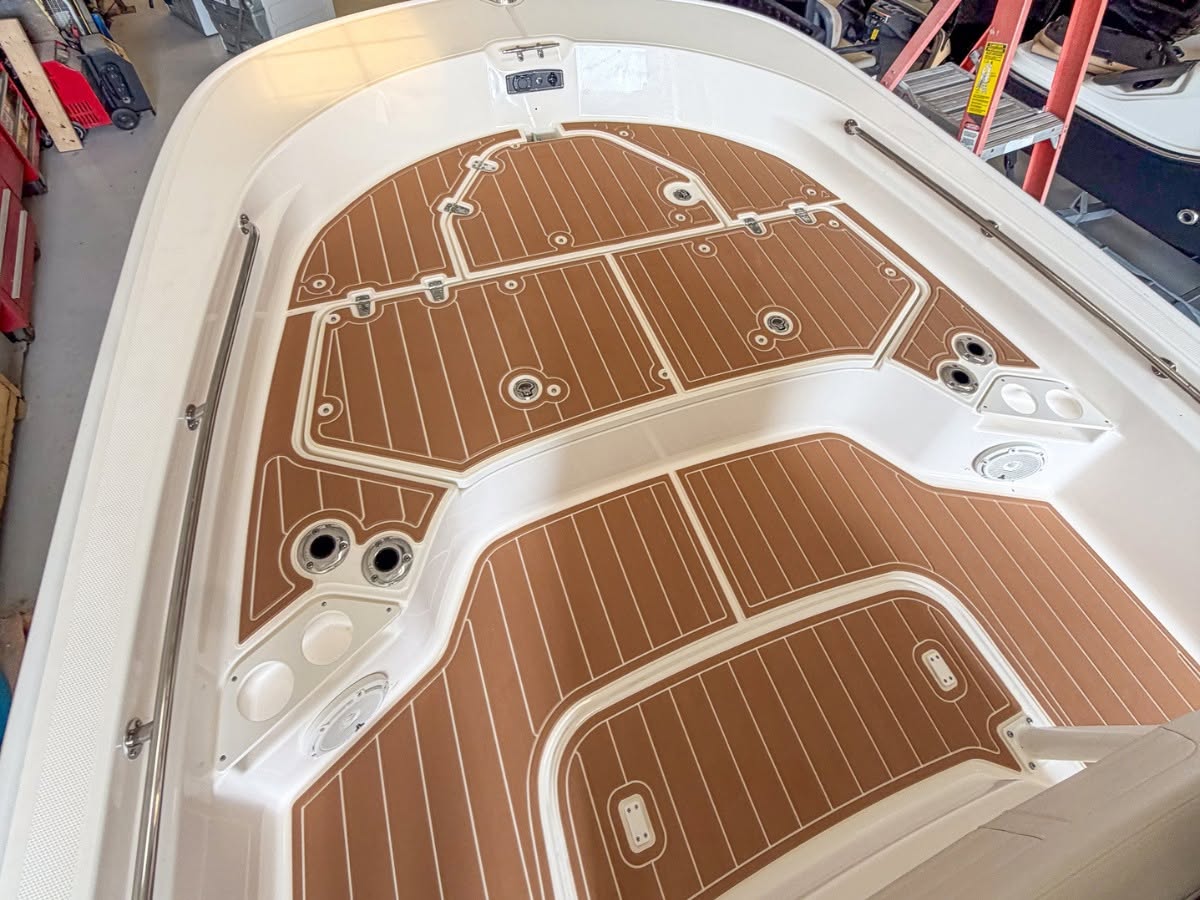
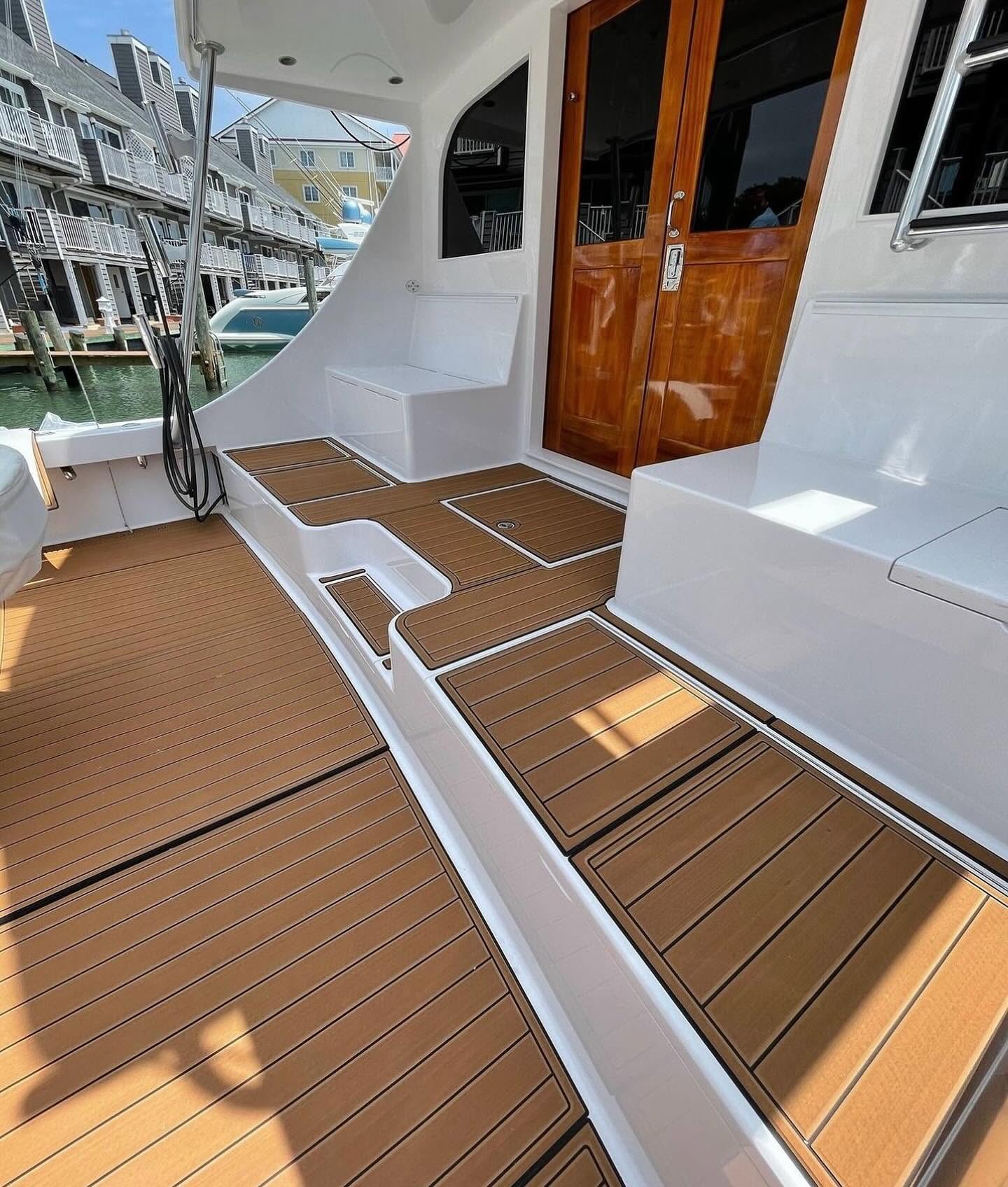
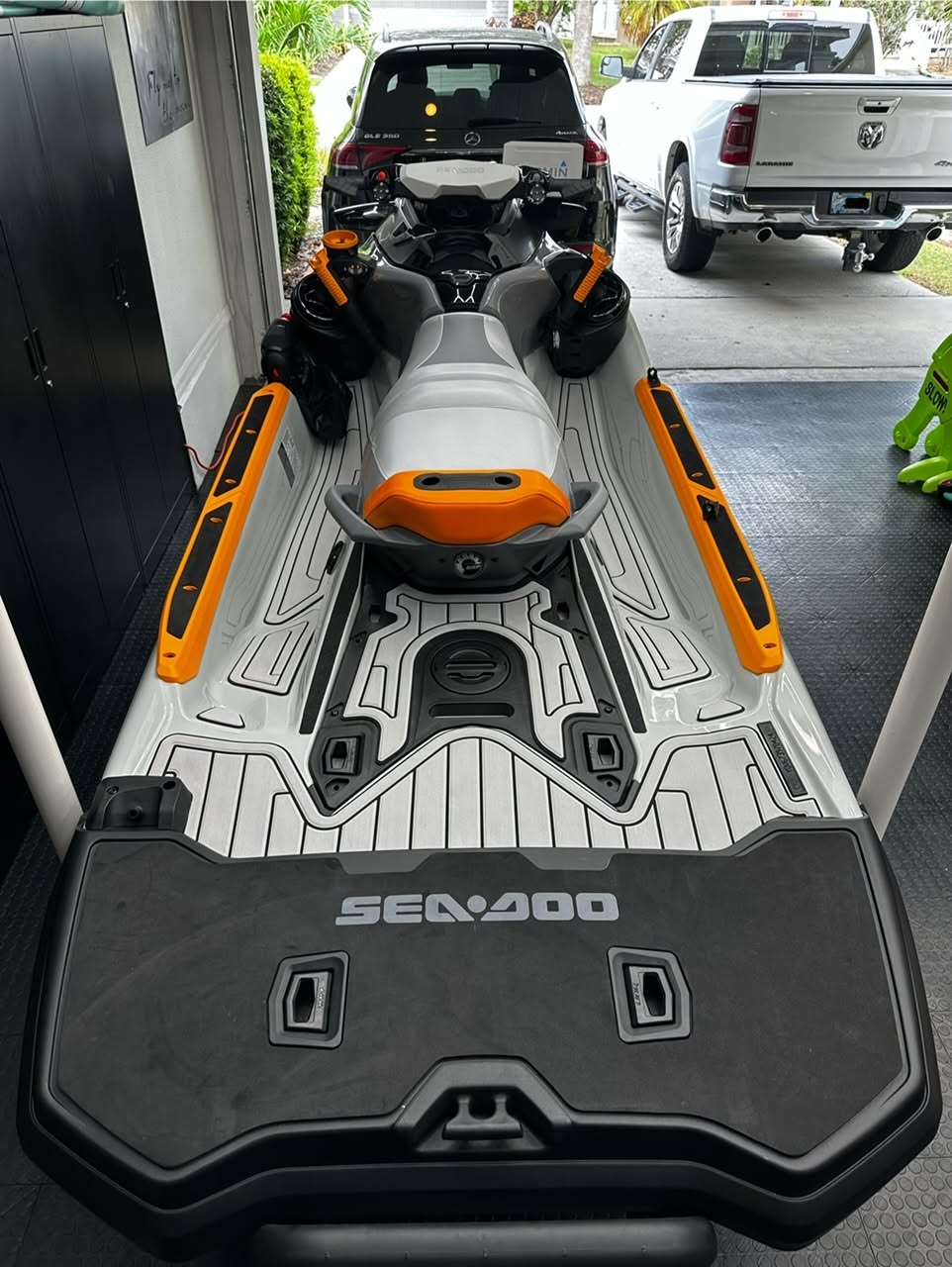
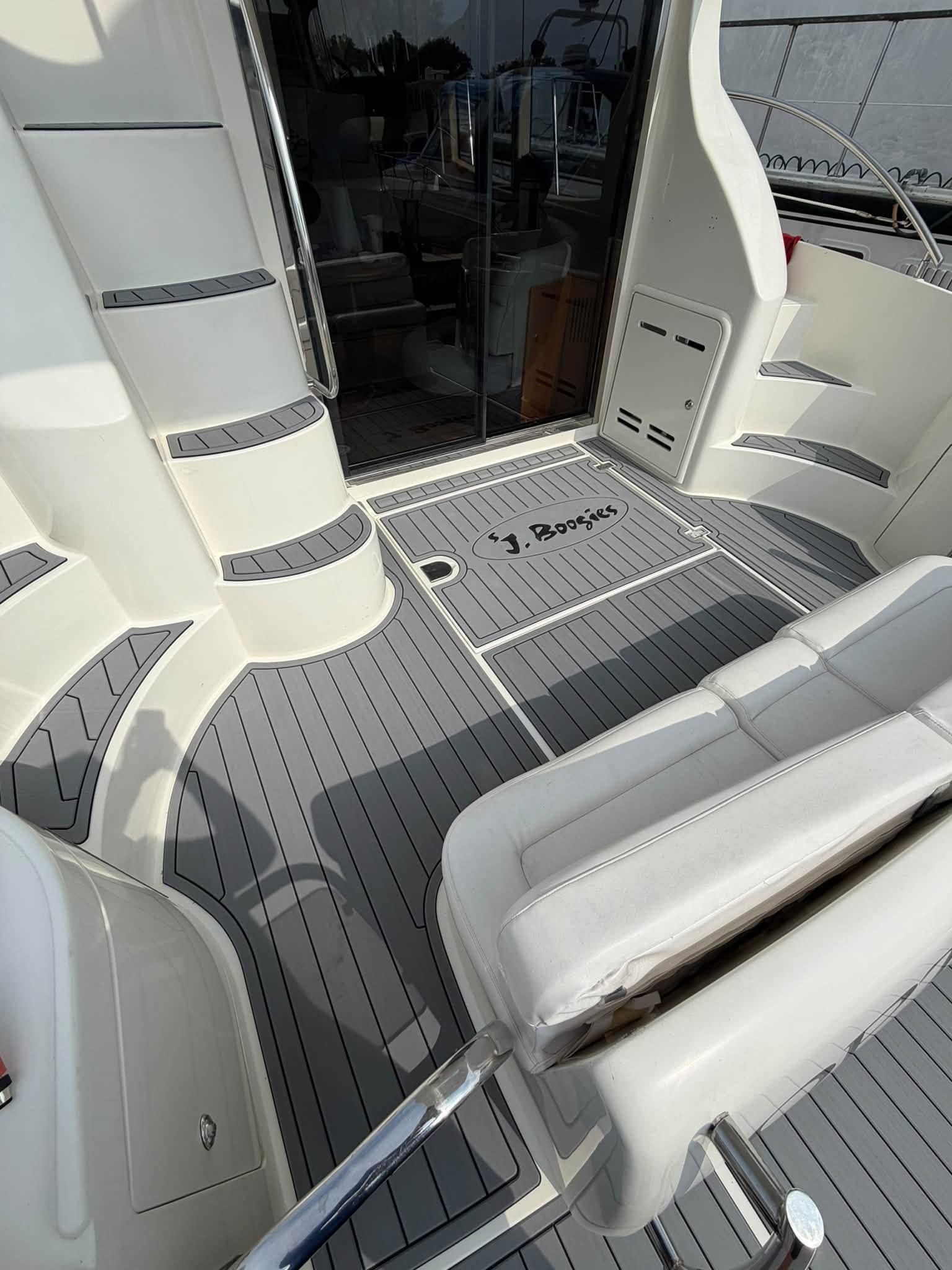
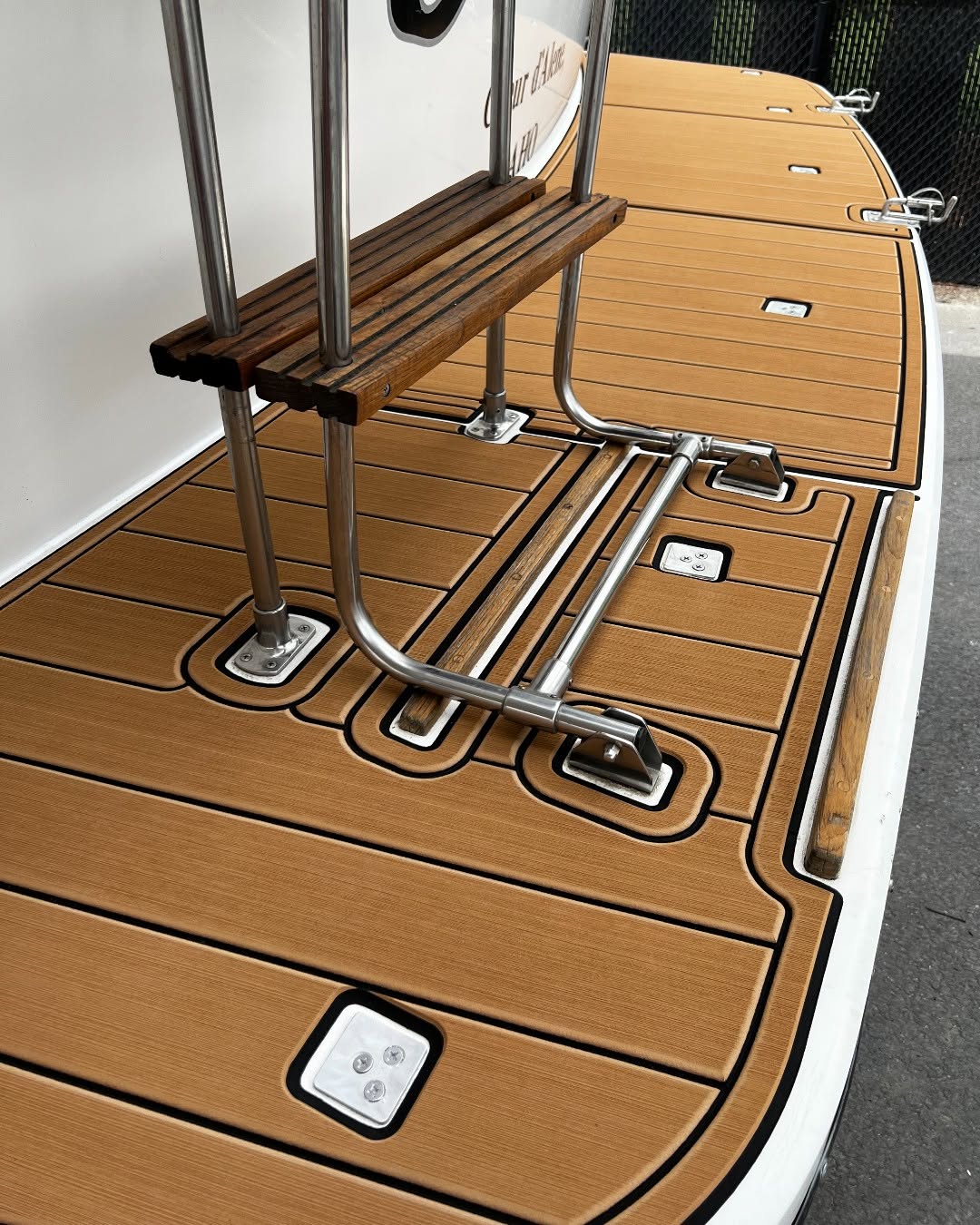
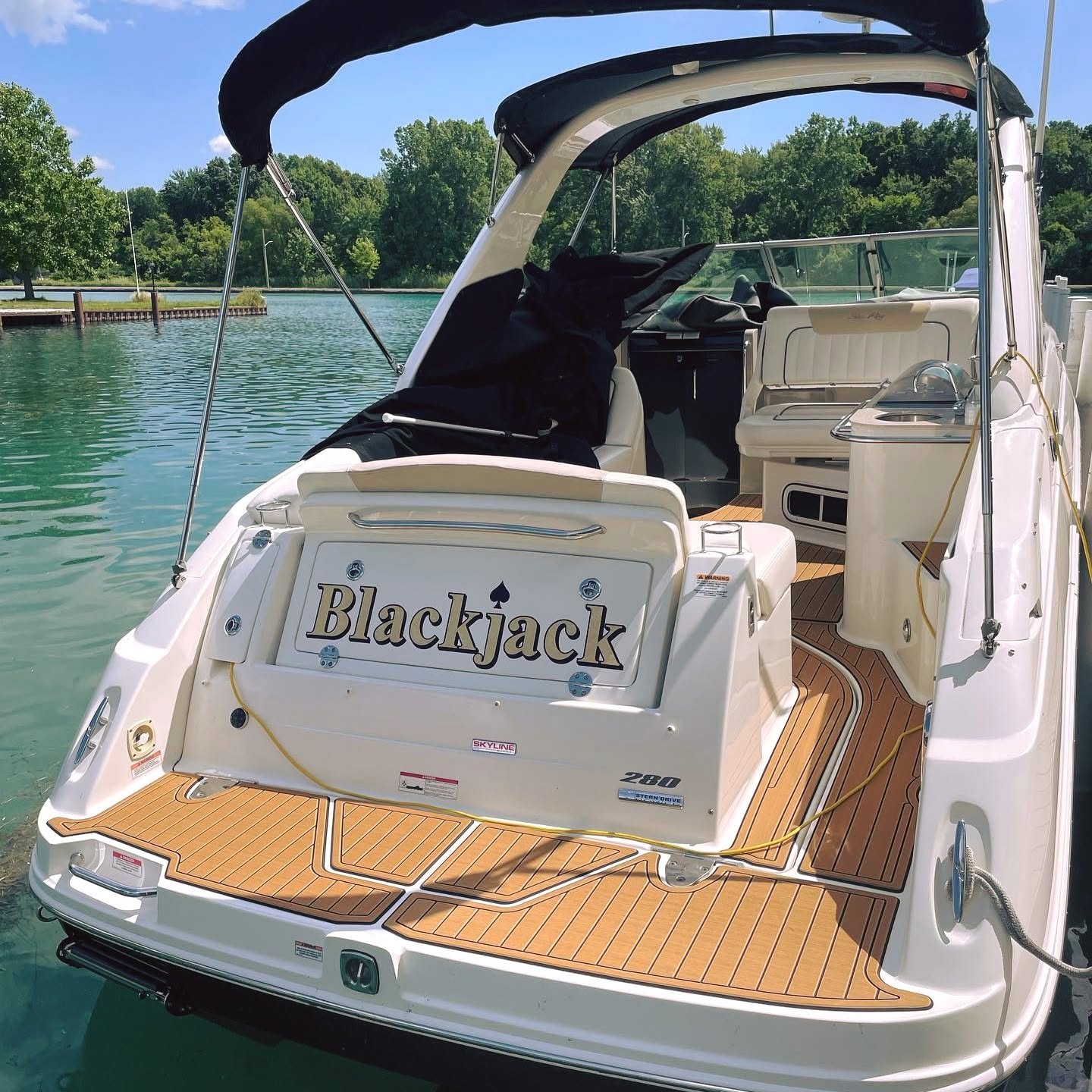
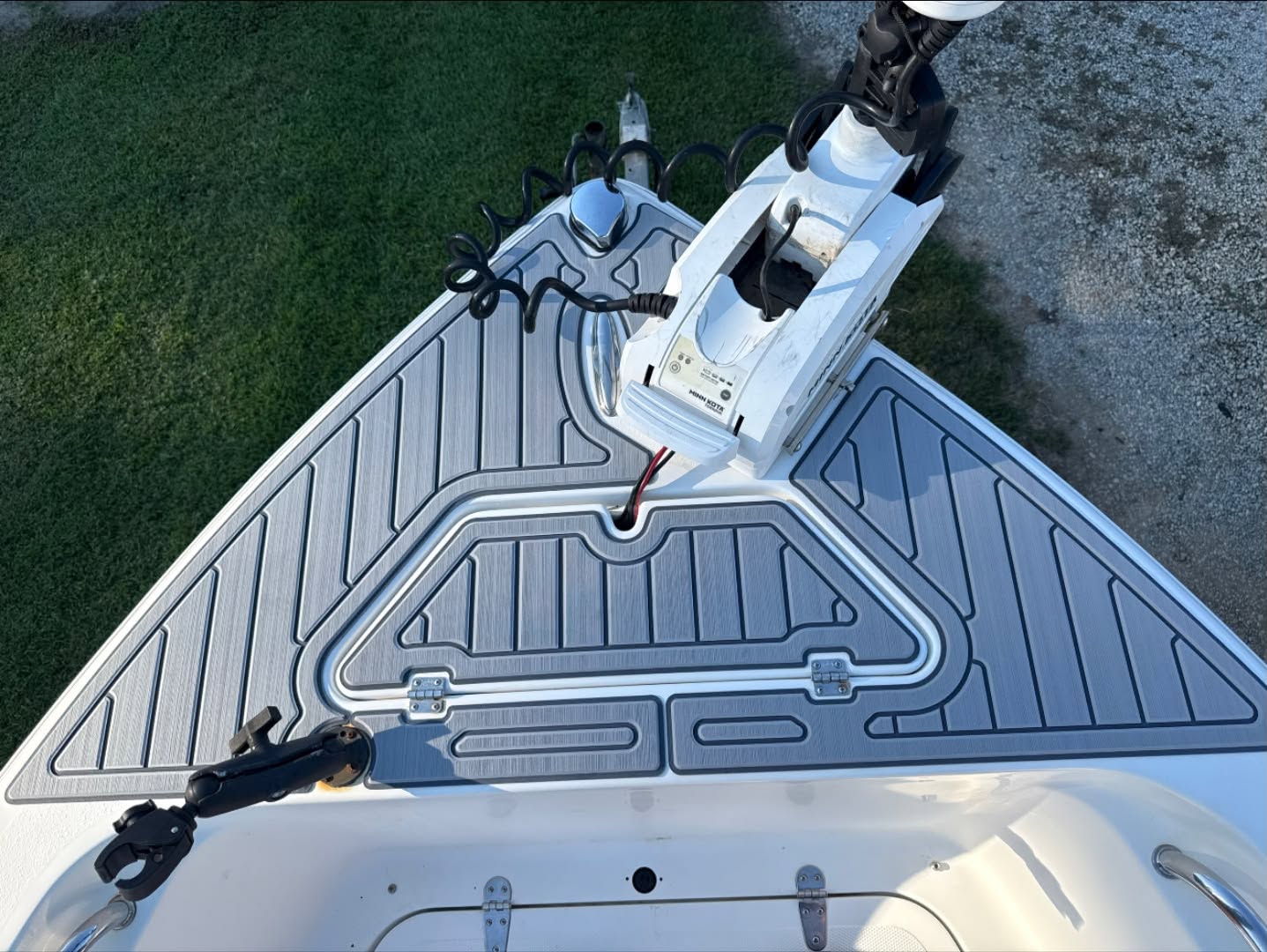
This has expanded the role of marine decking from a purely practical component to a visible part of the boat’s design language. Custom boat decking can also provide greater flexibility for model-specific layouts, personalized patterns, logos, and color combinations.
For builders and owners working on custom projects, these options make it easier to create a more cohesive appearance across the entire deck.

Personalization Is Changing Expectations
Personalization is another factor influencing the recreational boating market. Owners are increasingly interested in products that reflect their individual preferences rather than relying entirely on standardized configurations.
This is particularly relevant for custom and model-specific deck applications. Depending on the project, custom EVA decking can be produced to accommodate different shapes, layouts, thicknesses, colors, and surface patterns.
For boat builders and marine fabricators, this flexibility can be important when working with non-standard layouts or projects where a universal deck solution may not deliver the required fit or appearance.
Functionality Goes Beyond Traction
Traction remains a fundamental requirement for any boat deck, particularly in wet and high-traffic areas. However, current deck design considerations extend beyond grip alone.
Material selection may also involve factors such as comfort, water resistance, UV exposure, stain resistance, appearance, cleaning requirements, and long-term usability.
This broader approach reflects a change in how recreational boats are evaluated. Owners are considering not just how a deck performs when the boat is underway, but also how it feels and functions during everyday use.
Maintenance Is Part of the Design Equation
For recreational boat owners, a deck surface needs to work within the realities of ownership. Exposure to water, salt, sunlight, dirt, and frequent foot traffic can all affect the appearance and condition of deck materials over time.
As maintenance becomes a more visible part of material selection, designers and builders are giving greater attention to surfaces that are practical to clean and maintain.
The growing interest in modern marine decking materials reflects this need for a balance between appearance, performance, and day-to-day practicality.
Where Boat Deck Design Is Heading
The direction of recreational boat design is increasingly centered on the user experience. Decks are expected to support more activities, make better use of available space, contribute to onboard comfort, and complement the visual character of the vessel.
This does not mean that traditional priorities such as durability and traction are becoming less important. Instead, they are being considered alongside a wider range of expectations.
As recreational boating continues to evolve, marine decking is becoming a more integrated part of the design process. Future deck solutions are likely to place greater emphasis on the combination of functionality, comfort, personalization, and visual consistency—helping create boat spaces that are not only practical on the water, but more enjoyable to use every day.