
 Marine Decking & Custom Kits
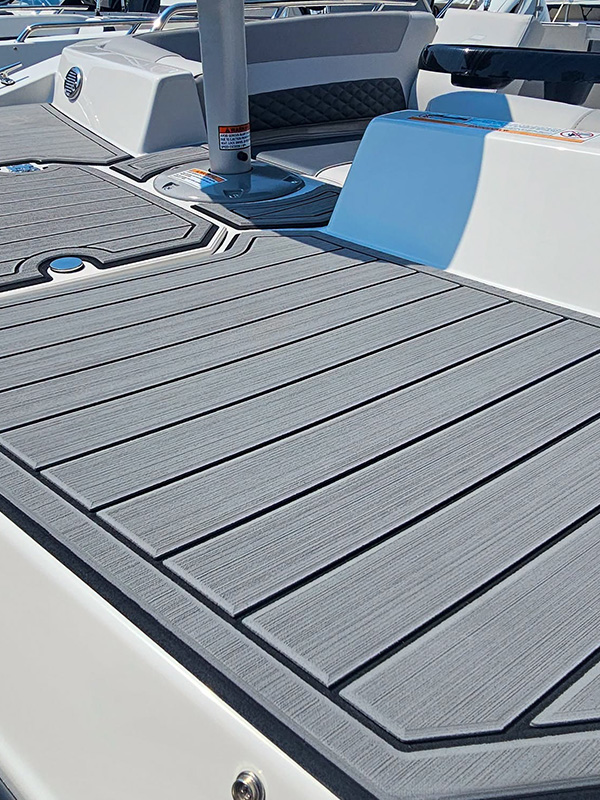 Yacht Decking
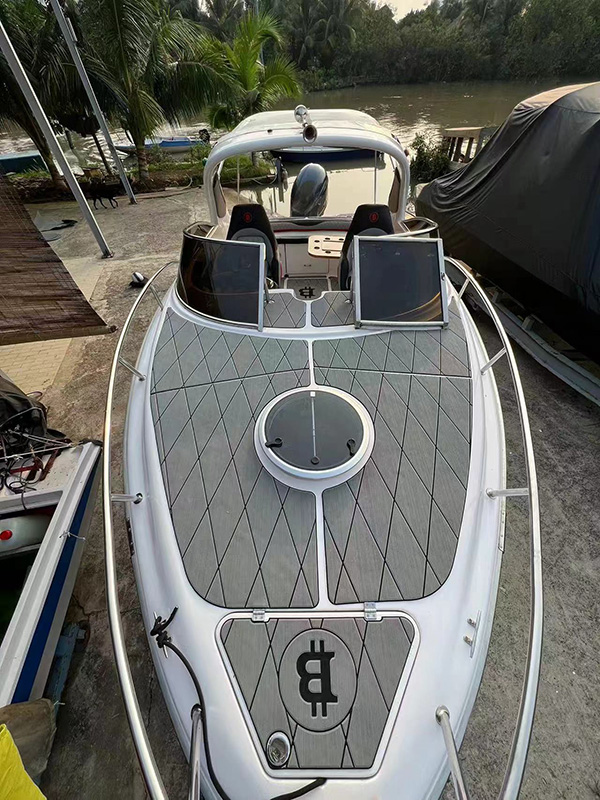 Fishing Boat Decking
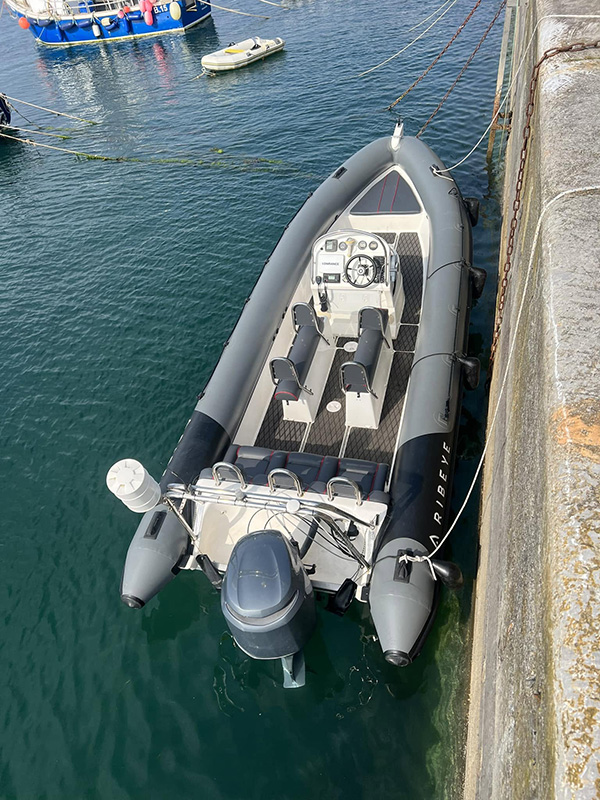 RIB Decking
 Kayak Deck Pads
 Jet Ski Traction Mats
 Onboard Comfort & Utility Pads
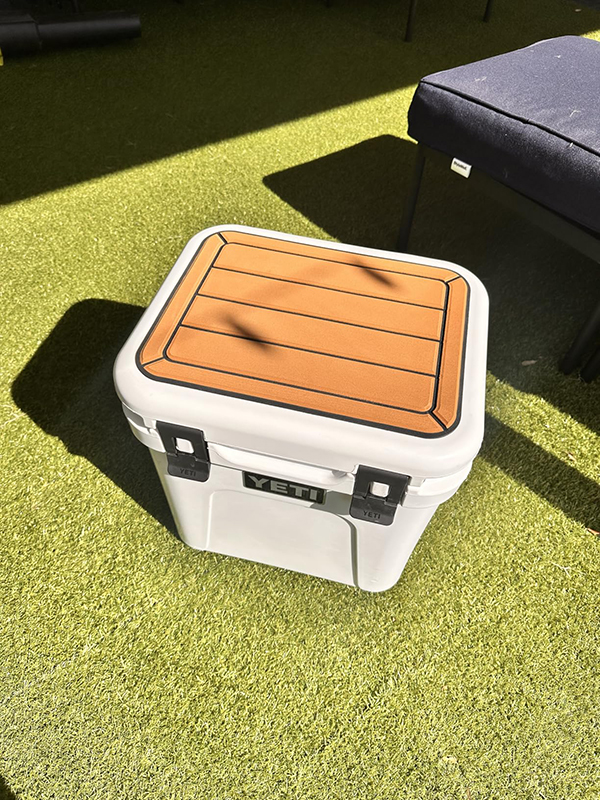 Cooler Pads
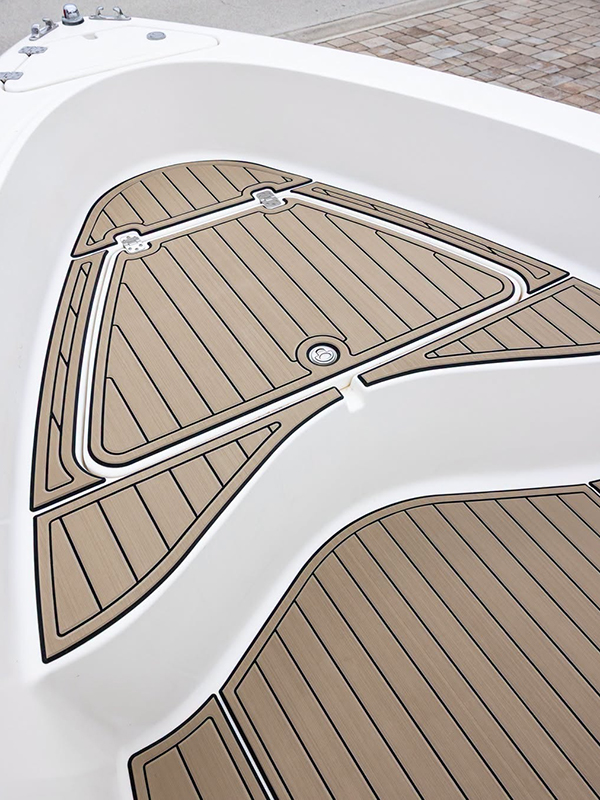 Coaming Bolster Pad
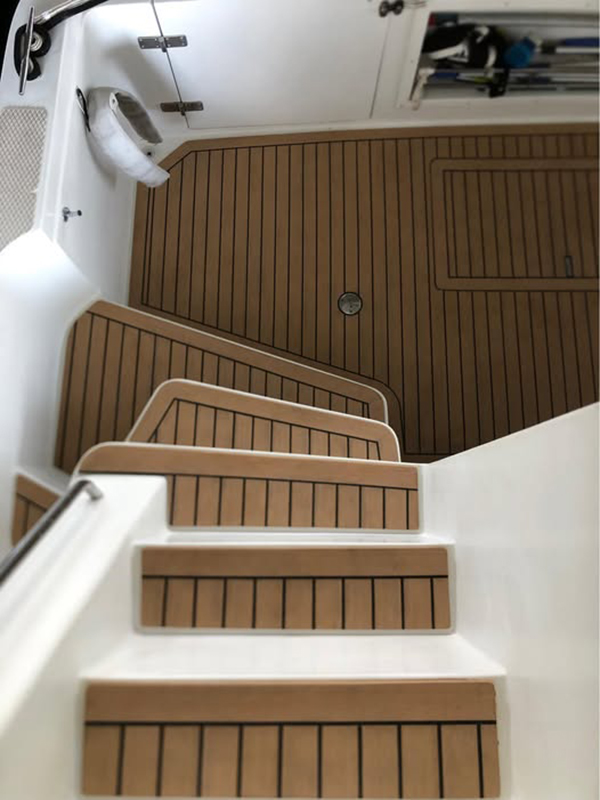 Step Pads
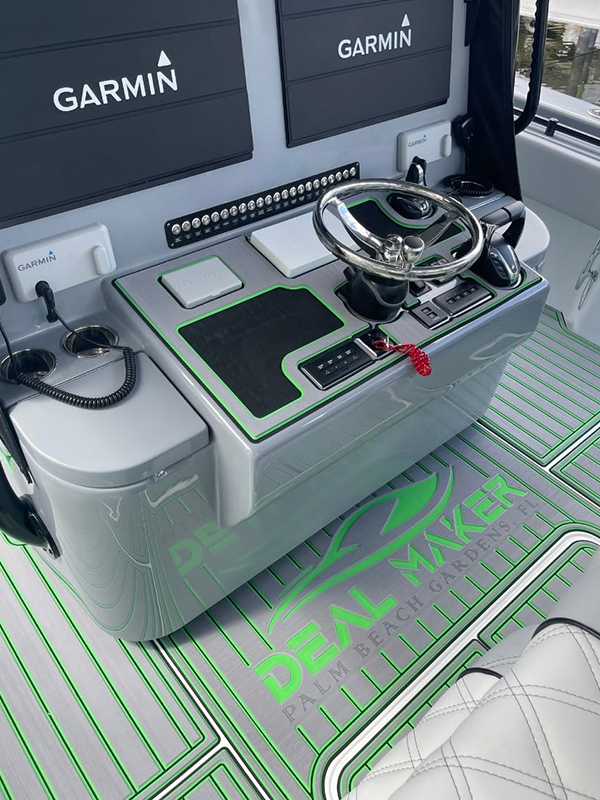 Helm Station Pads
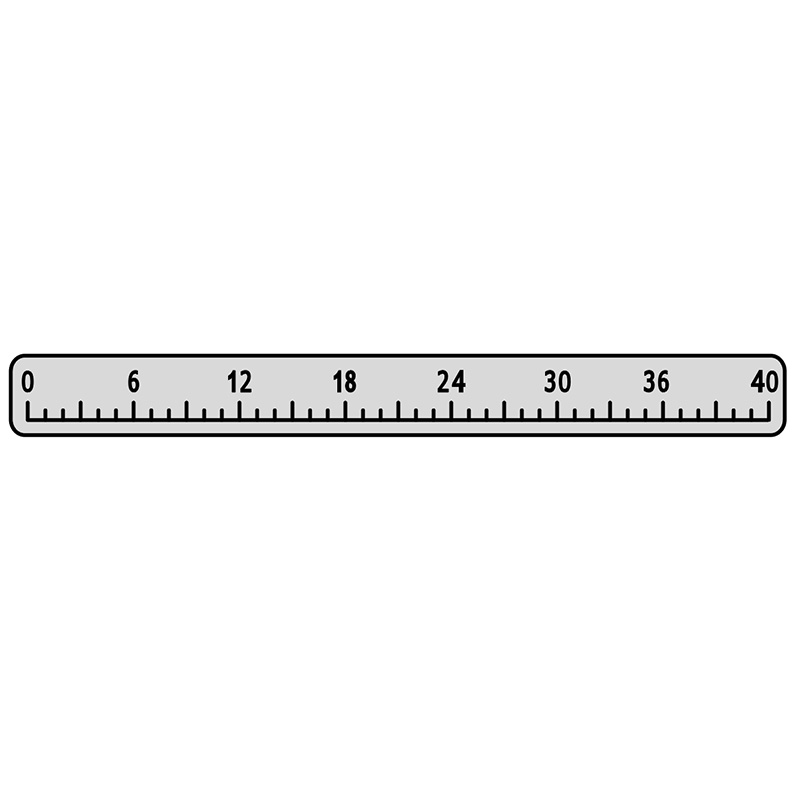 Watersports & Fishing Gear
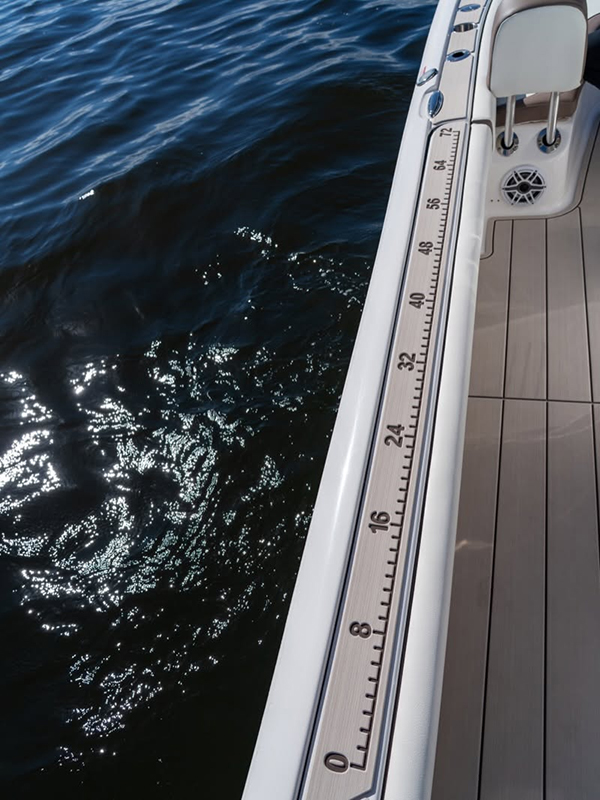 Fish Rulers
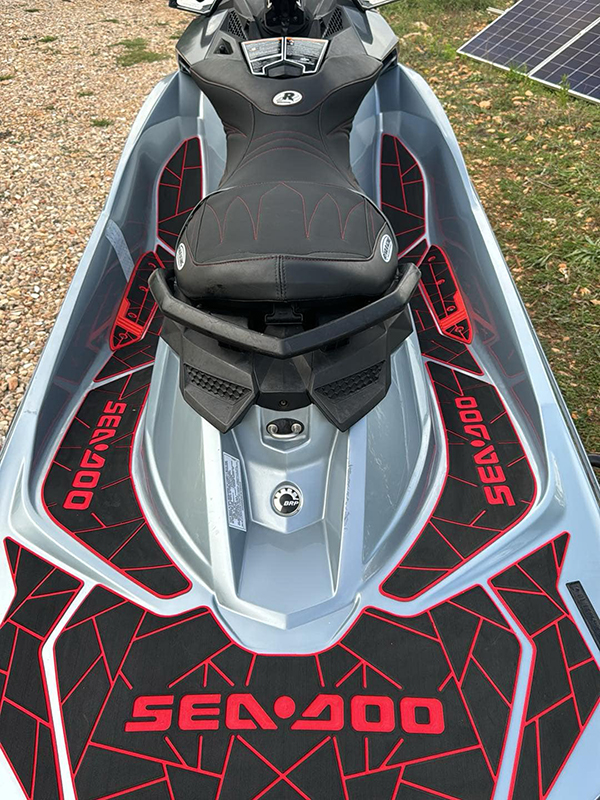 PWC Traction Pads
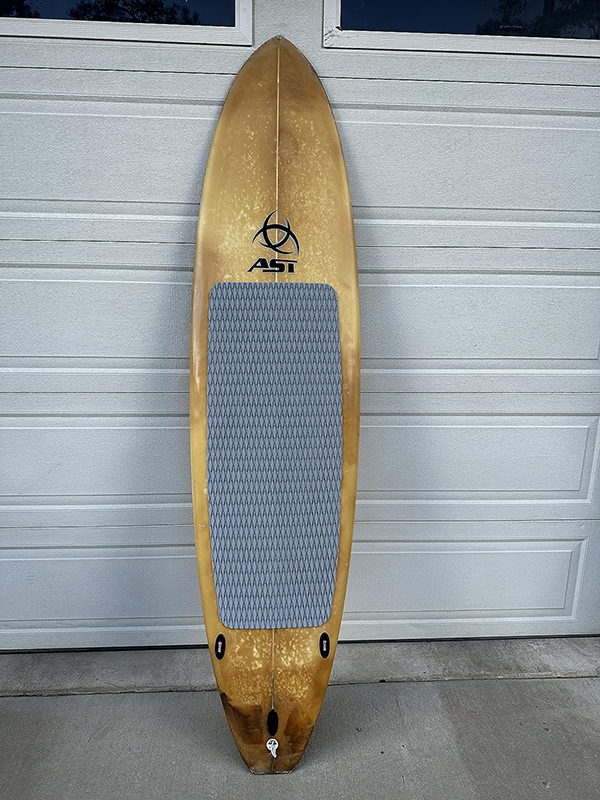 Stand-Up Paddleboard (SUP) Pads
 Hydrofoil Surfboard Pads
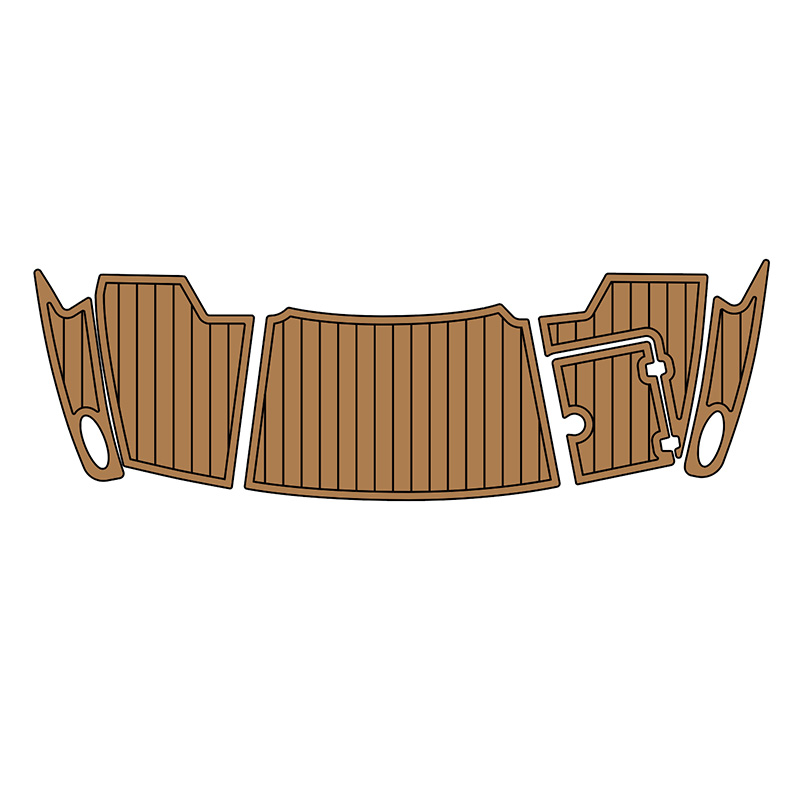 Other
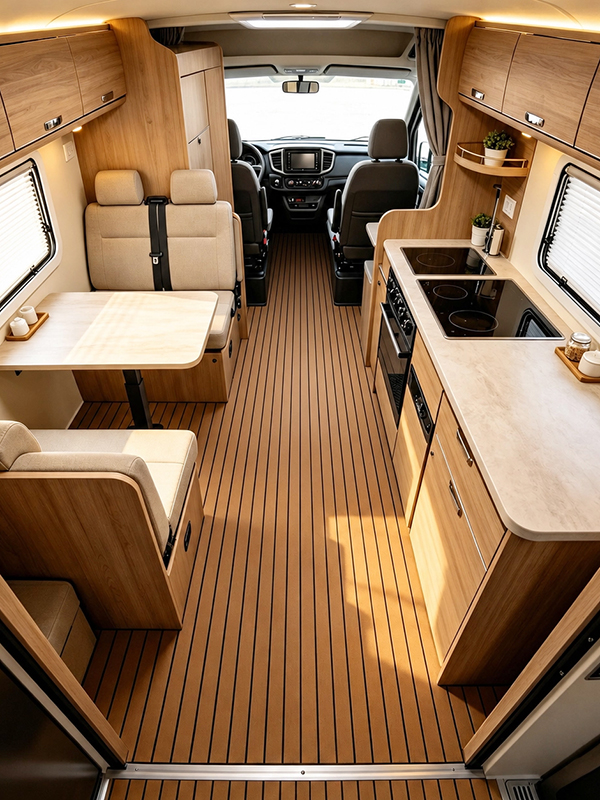 RV & Camper Flooring
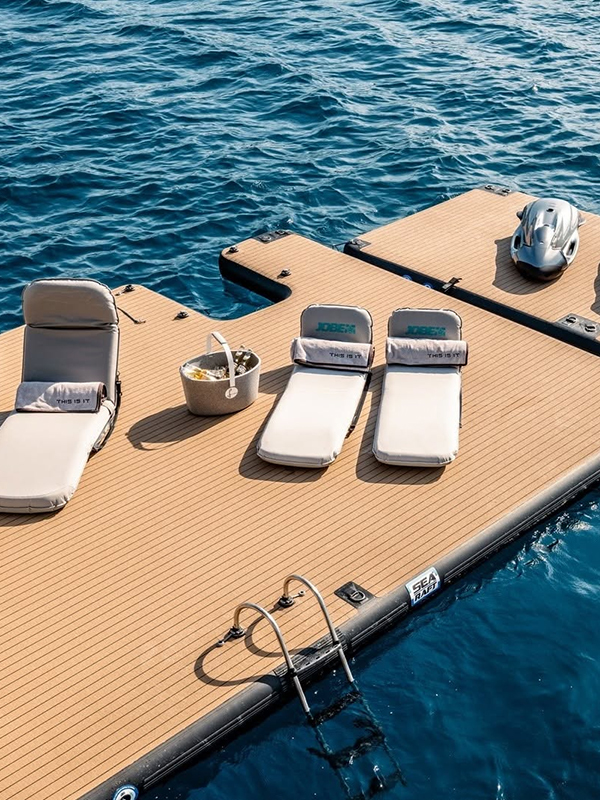 Inflatable Floating Docks
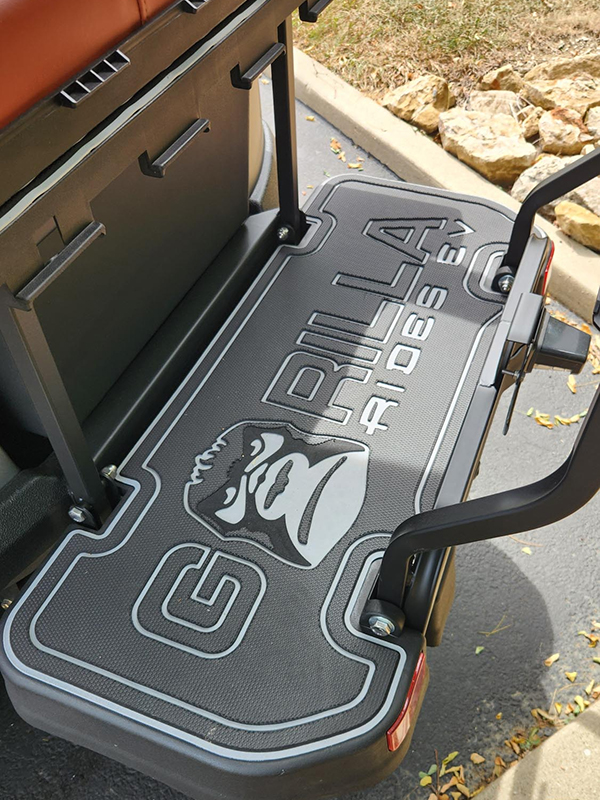 Golf Cart Mats
 Auto Trunk Liners
 Bathtub Anti-Slip Mats
 Stair Treads
 Swim Platform Mats



Industry News
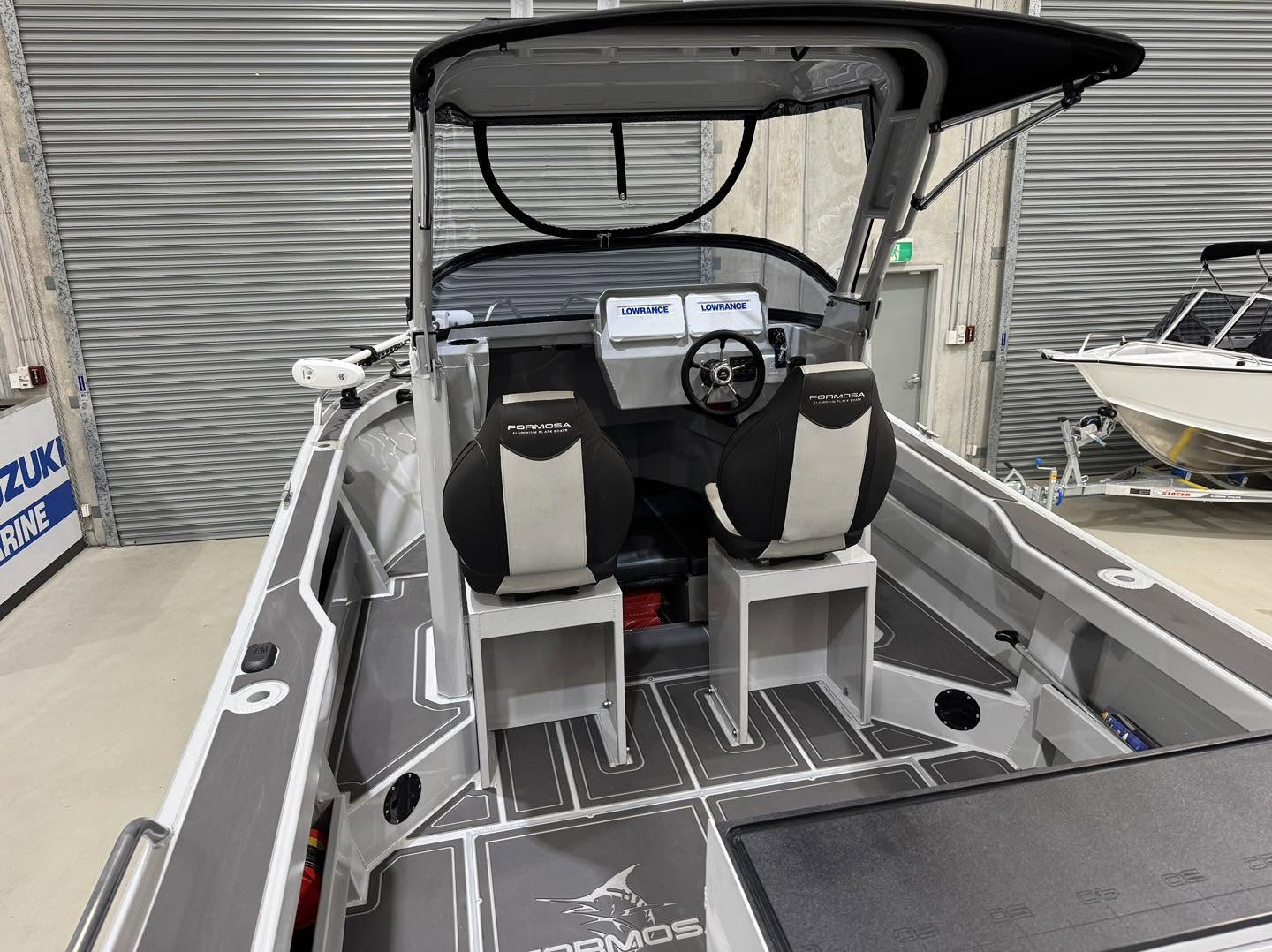
How Modern Boat Builders Approach Deck Space and Usability
2026-10-21
A well-designed boat deck does more than look good at the marina. It gives people room to move, makes everyday activities easier, and keeps different areas working together without feeling cramped. From fishing trips to weekend cruising, the way a deck is planned can make a noticeable difference to the time spent on the water.
That is why modern boat builders look beyond deck size alone. Layout, accessibility, surface materials, and finishing details all play a part in creating a boat that feels comfortable and practical in real-world conditions.
Smart Layouts Make Better Use of Every Inch
Every boat has its own priorities. Fishing boats need space for equipment and freedom of movement, while recreational boats may need to accommodate seating, swimming, boarding, and time spent with family or friends.
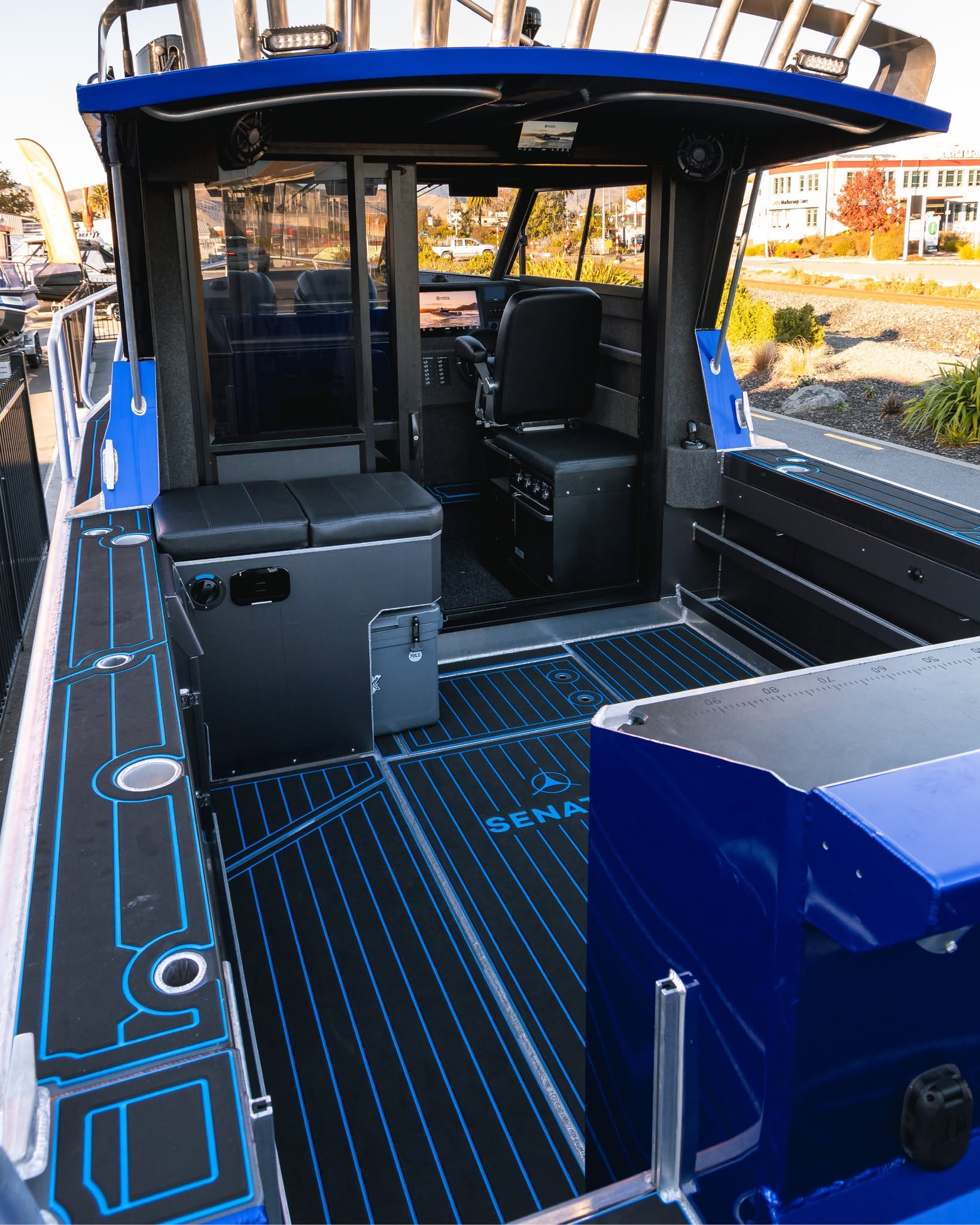
The challenge is making these activities fit without allowing one area to interfere with another. Clear walking paths, accessible storage, well-positioned seating, and thoughtfully designed boarding areas can help a deck feel more open—even when the available space is limited.
For boat builders, usability often comes down to the details. A layout that looks spacious in a rendering still needs to work when passengers are moving around, gear is on board, and the boat is being used as intended. Good design makes these everyday interactions feel natural rather than forced.
The Deck Surface Is Part of the Design
Deck layout is only half the equation. The surface beneath people's feet also affects how a boat looks, feels, and functions.
Marine decking must be selected with its environment in mind. Water exposure, sunlight, salt, dirt, and regular foot traffic can all influence material performance and maintenance needs. Grip, comfort underfoot, ease of cleaning, and visual consistency are therefore practical considerations—not just finishing touches.
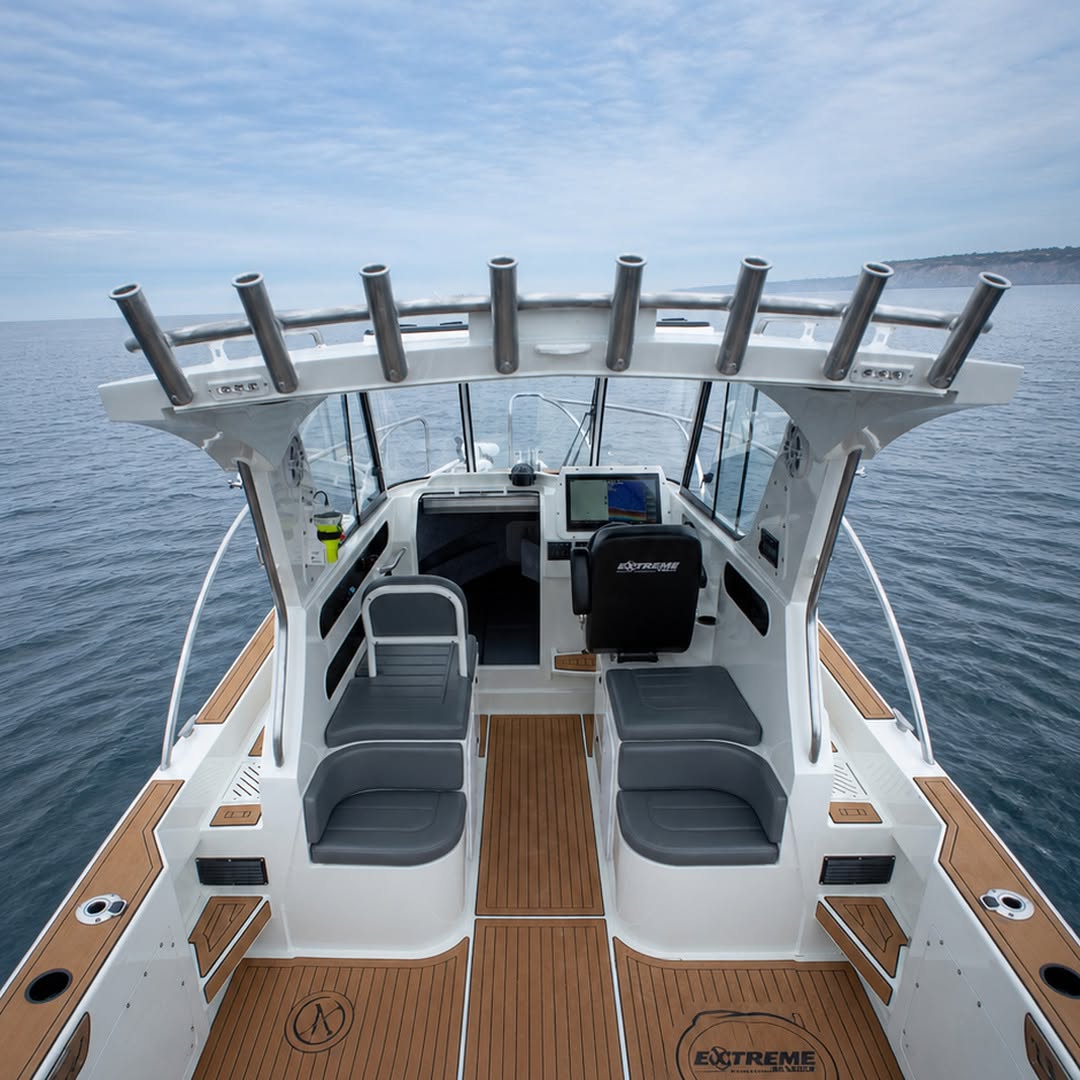
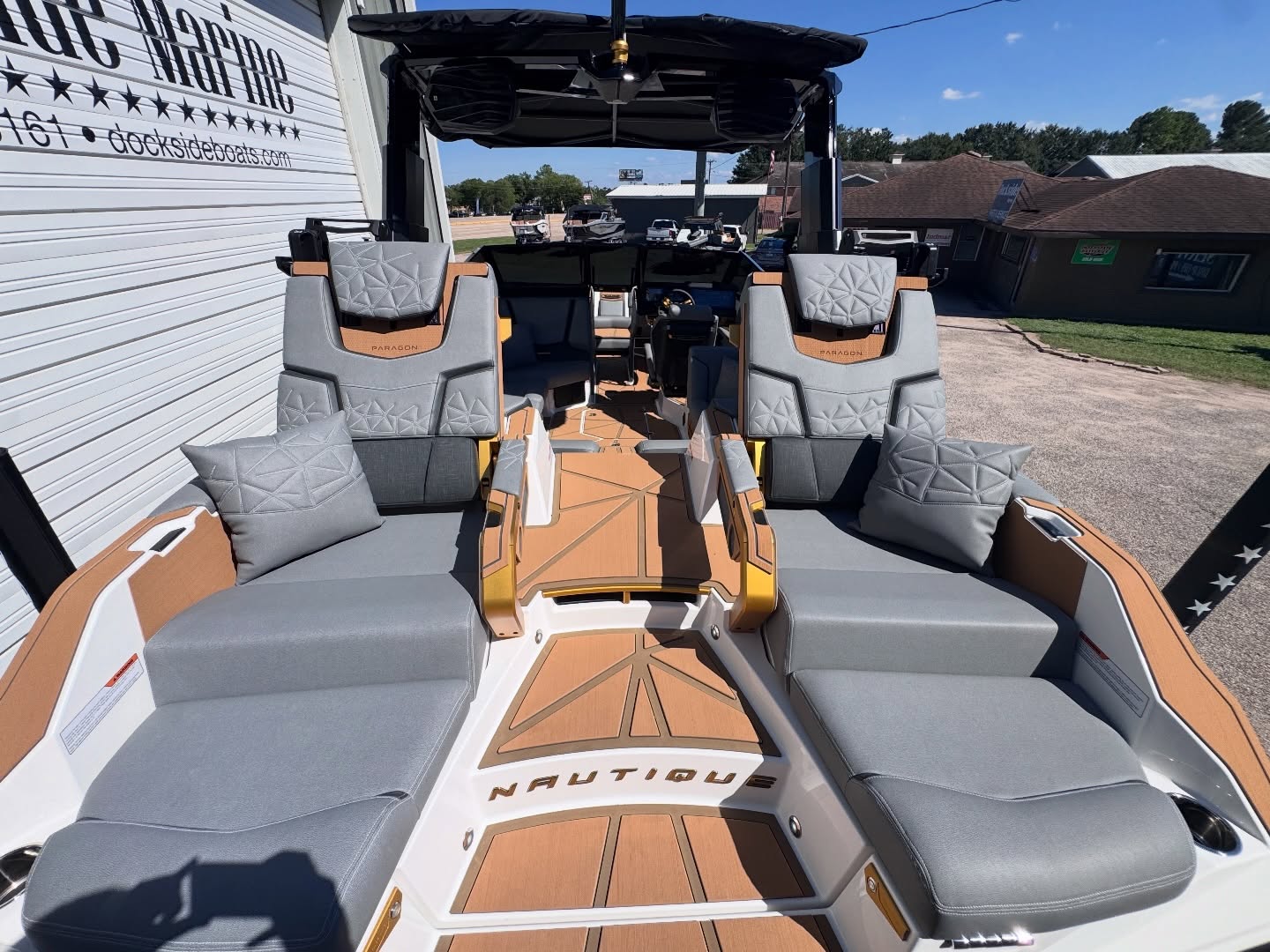
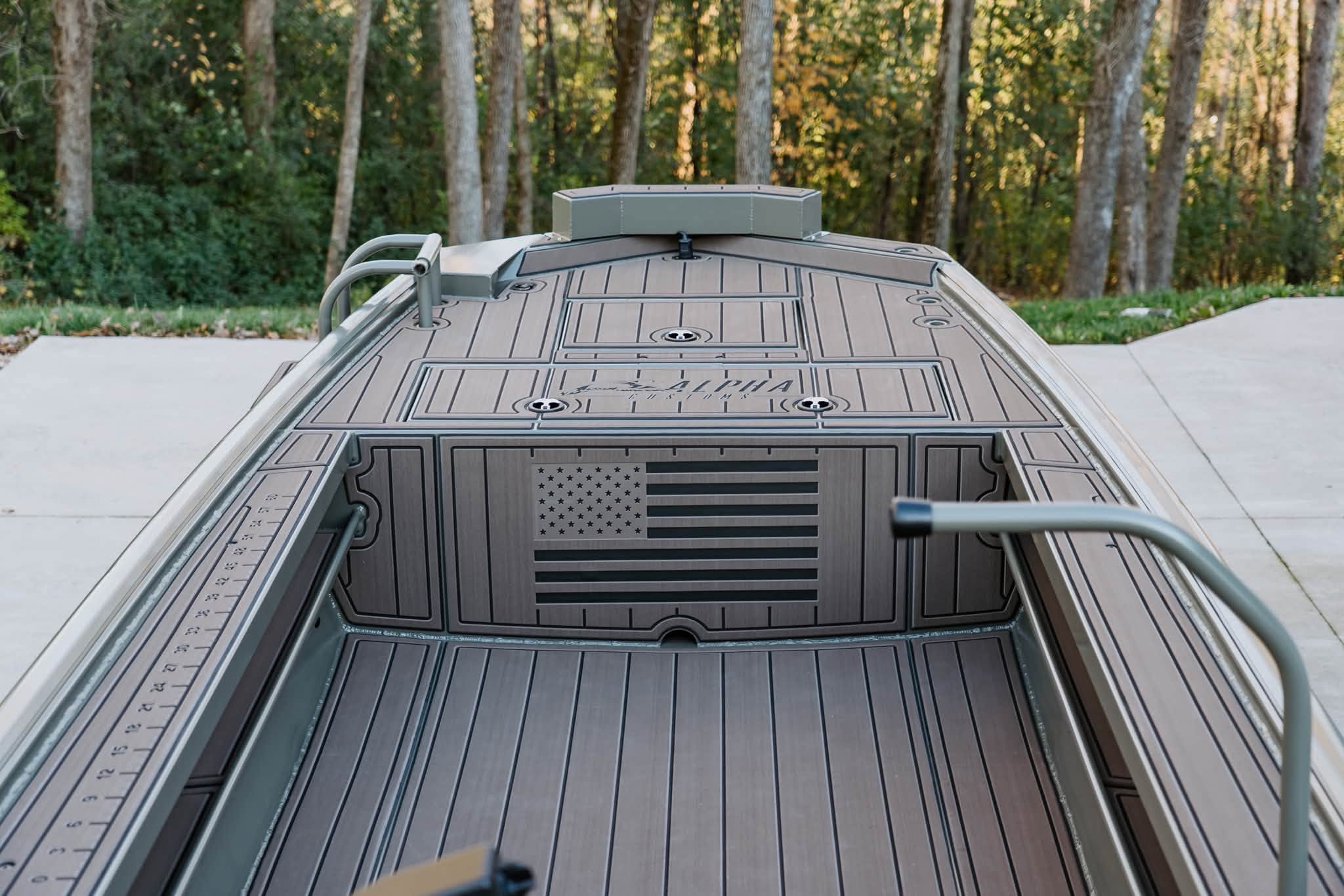
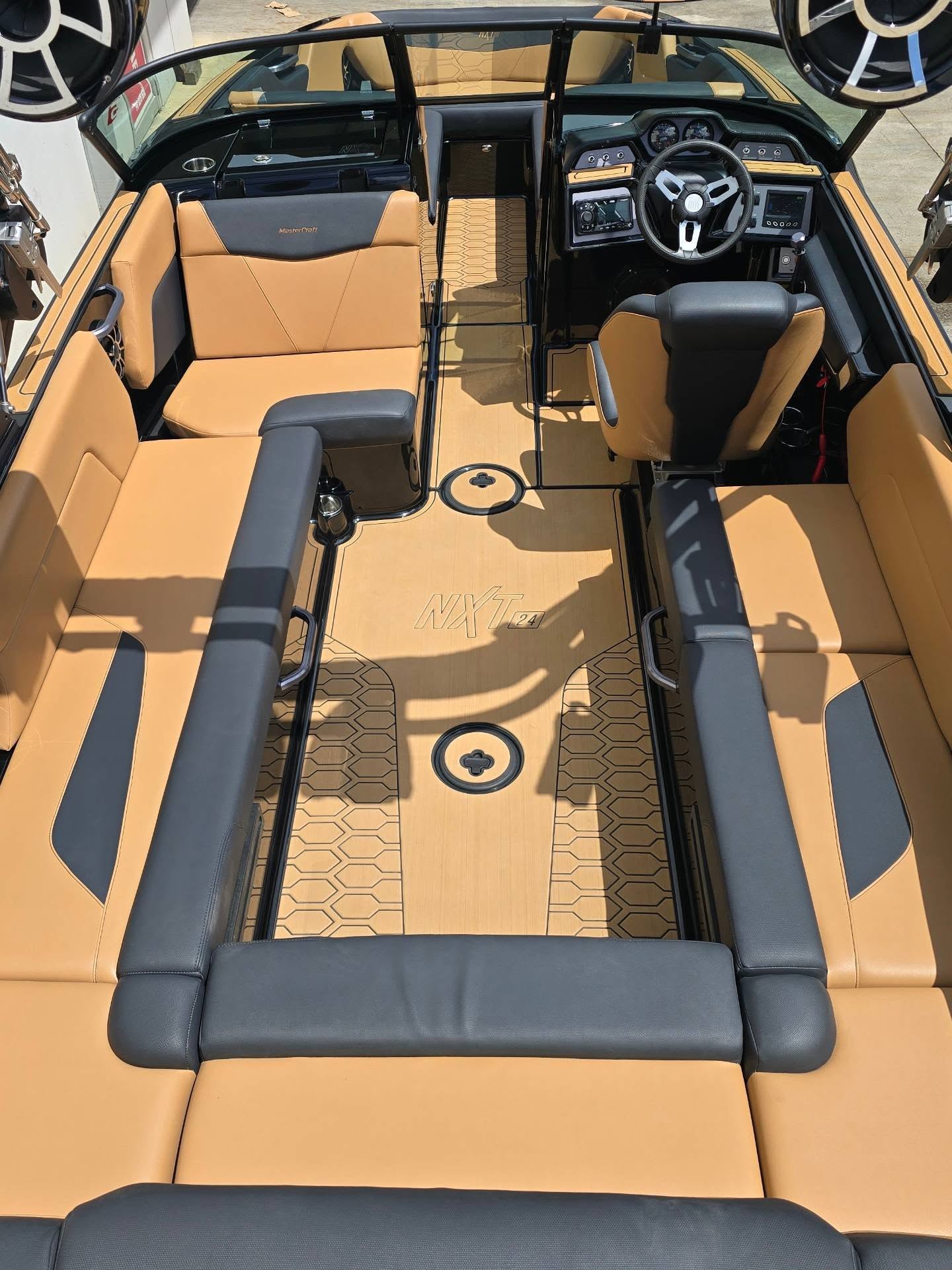
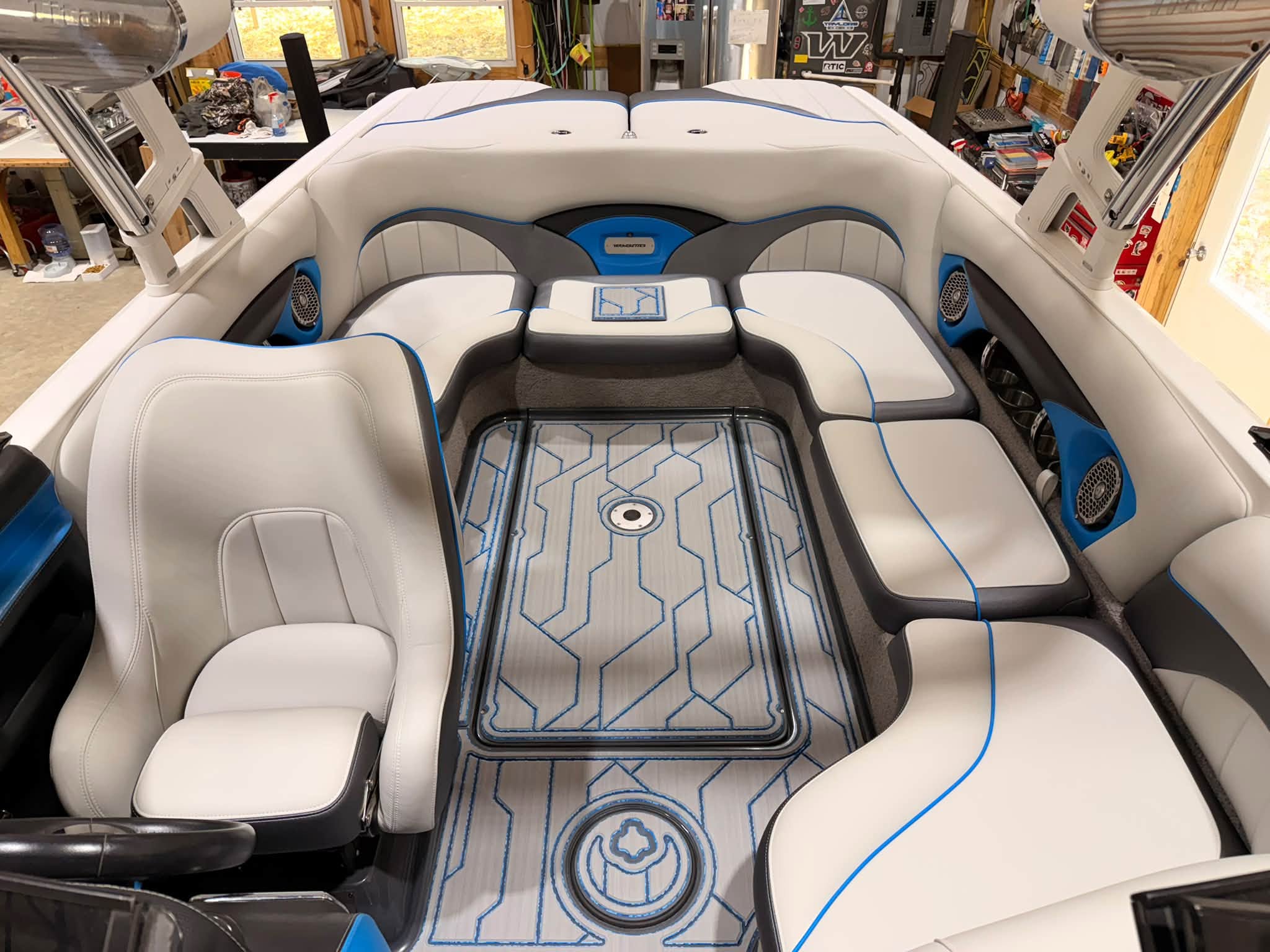
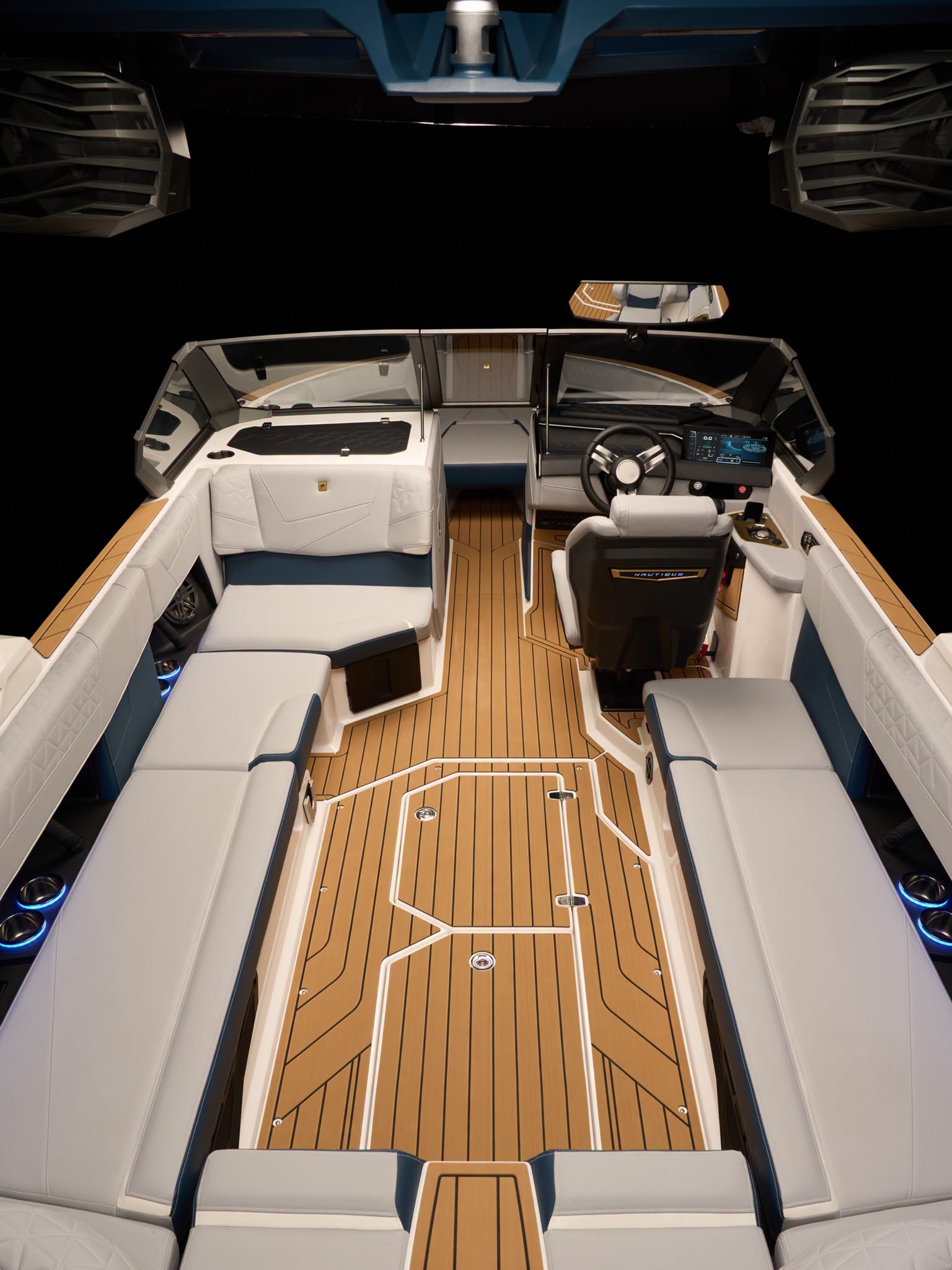
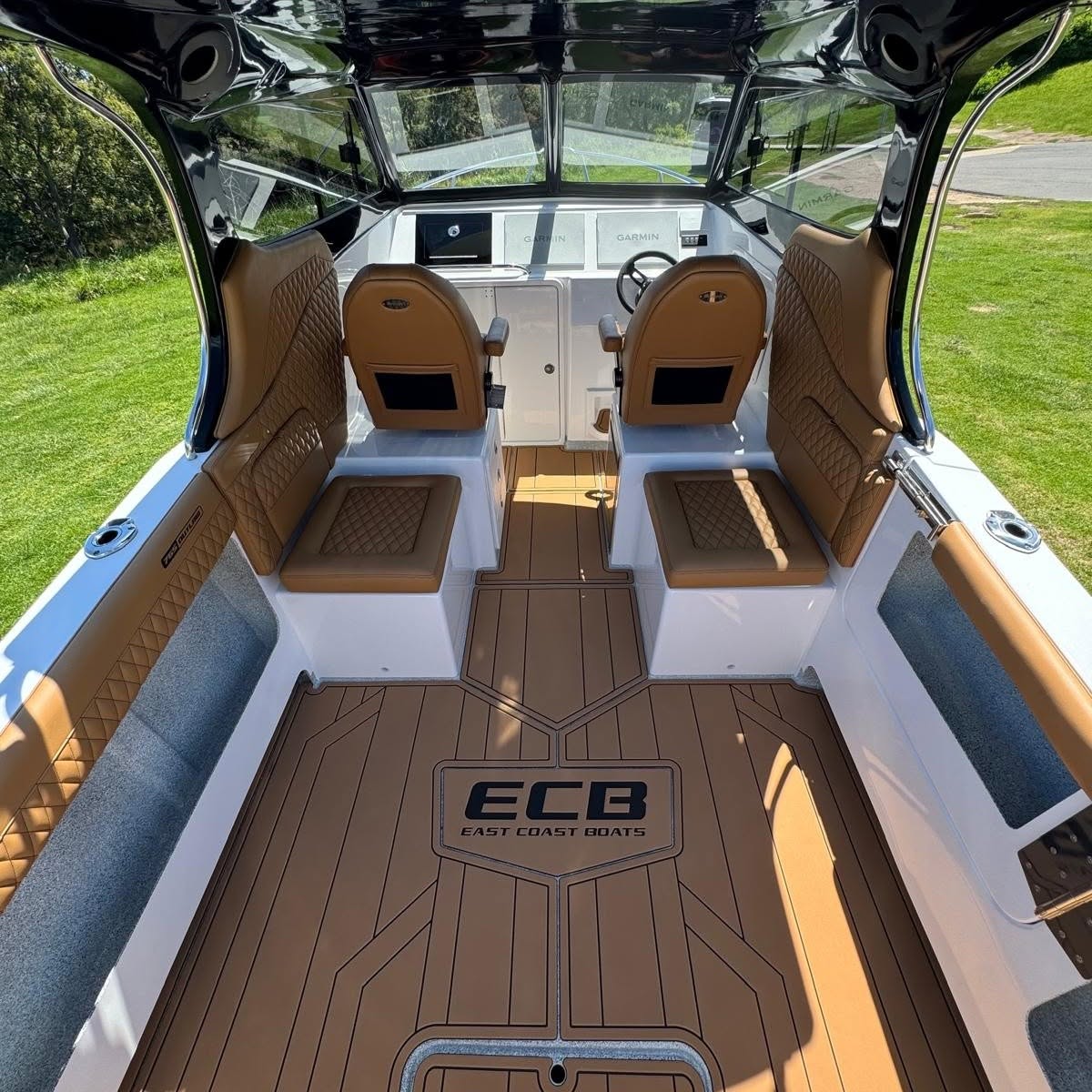
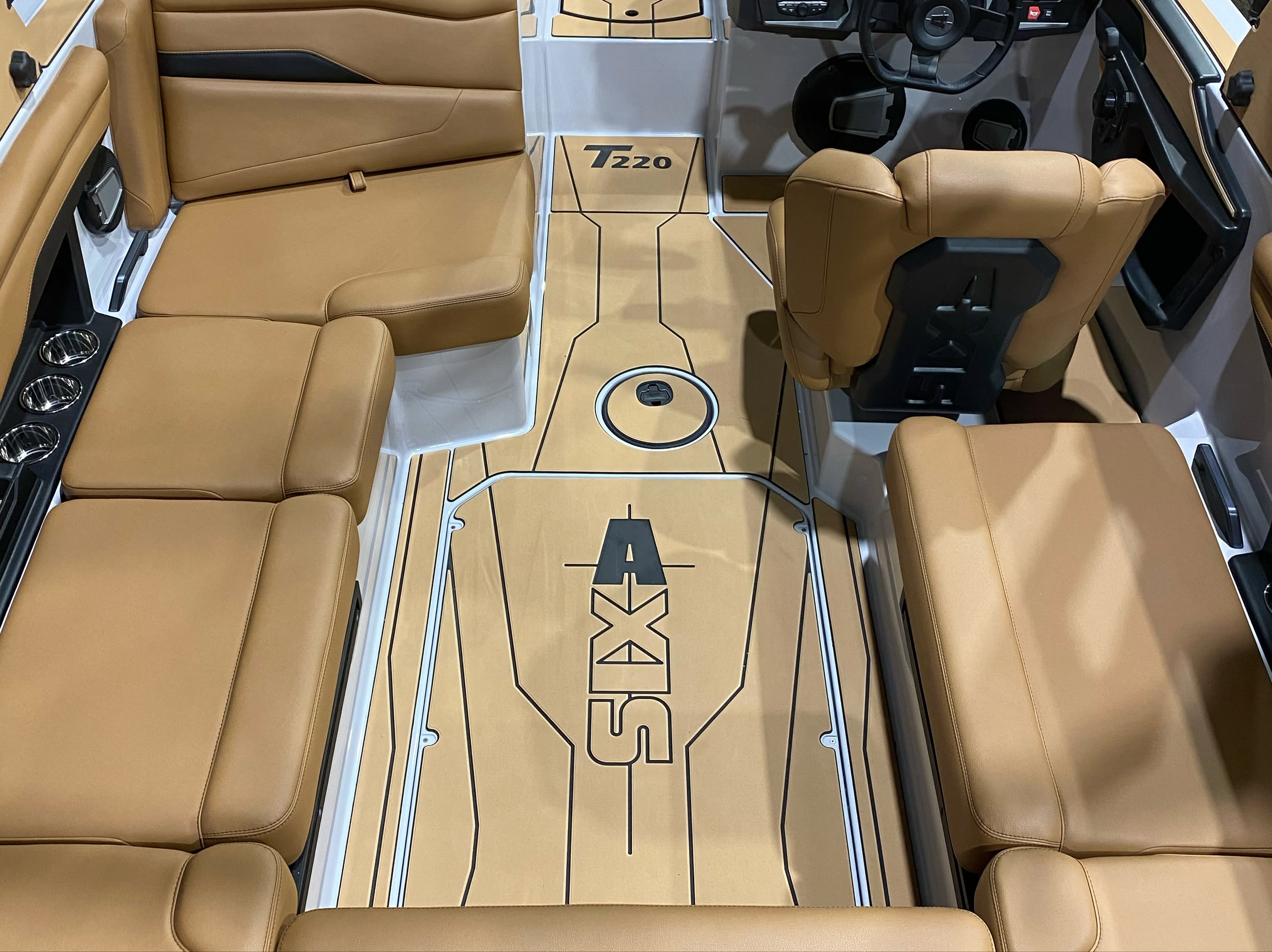
EVA foam boat decking is one option for recreational boats, fishing boats, swim platforms, and personal watercraft. Its lightweight, closed-cell construction and range of available colors and surface patterns give builders and customization specialists flexibility when planning different deck areas.
The right finish depends on the application. A cockpit, for example, may call for a different visual style from a swim platform or a boarding step. Choosing materials with the intended use in mind helps create a deck that feels coordinated without overlooking everyday functionality.

A Clean Finish Starts with Accurate Fit
Even a thoughtful deck layout can lose its impact when panels fit poorly or the finishing details feel inconsistent.
On customized boats, deck surfaces often need to follow curves, corners, hatches, and other features unique to a particular hull. Accurate measurements and CNC-CUT processing help produce panels that follow the intended layout, creating cleaner edges and a more integrated appearance.
Material consistency matters, too. Coordinated colors, repeatable surface patterns, and careful edge finishing help different sections of the deck look like part of the same design. For boat builders and marine customization businesses, these details can make a difference when moving from a design concept to a finished installation.
Of course, precision cutting is only one part of the process. Appropriate adhesive selection, surface preparation, and careful installation are also important to achieving a reliable result in a marine environment.
Designed for Life on the Water
A boat deck faces conditions that indoor flooring simply does not. UV exposure, moisture, saltwater, and frequent use all need to be considered when selecting marine decking materials. The most suitable option will depend on the type of vessel, its operating environment, and how the deck is expected to perform.
Planning for these conditions early can also help reduce compromises later. Builders can consider maintenance requirements alongside appearance, choose surface patterns suited to the intended application, and ensure that measurements and installation methods match the deck's design.
The result is a more considered approach to boat deck design—one that treats materials and finishing as essential parts of the overall layout rather than last-minute additions.
Better Decks Are Built Around Better Experiences
The most effective boat decks are not necessarily the largest or the most elaborate. They are the ones that make movement easier, accommodate real activities, and bring appearance and functionality together.
For modern boat builders, that means looking at the complete picture: how the space is used, how the surface performs, how each panel fits, and how the finished design holds together visually.
When these elements work in harmony, the deck becomes more than an area to stand on. It becomes a practical part of the boating experience—giving people fewer reasons to think about the space itself and more reasons to enjoy being on the water.
