
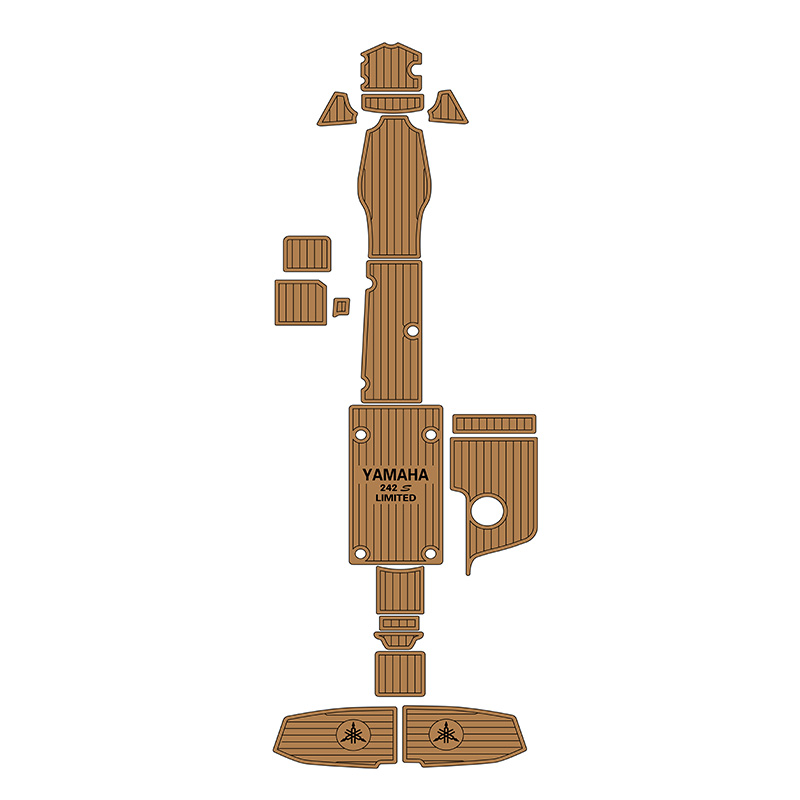
 Marine Decking & Custom Kits
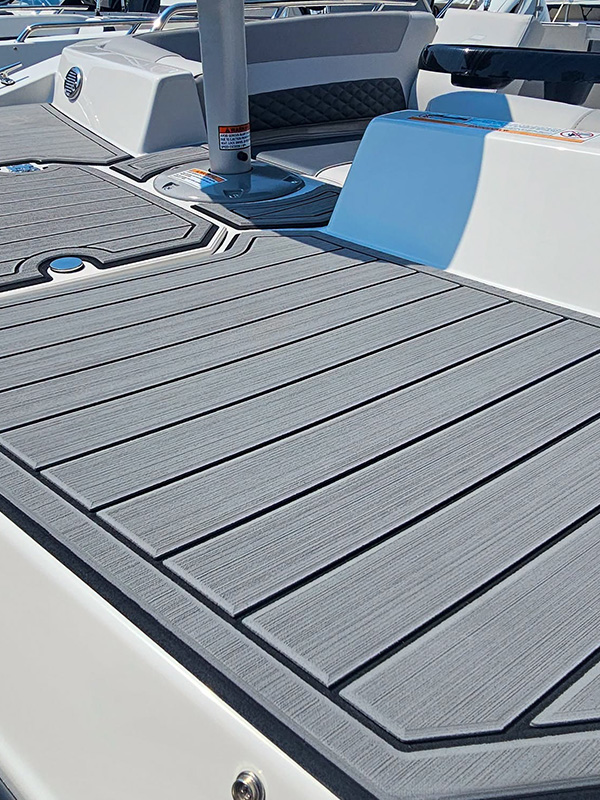 Yacht Decking
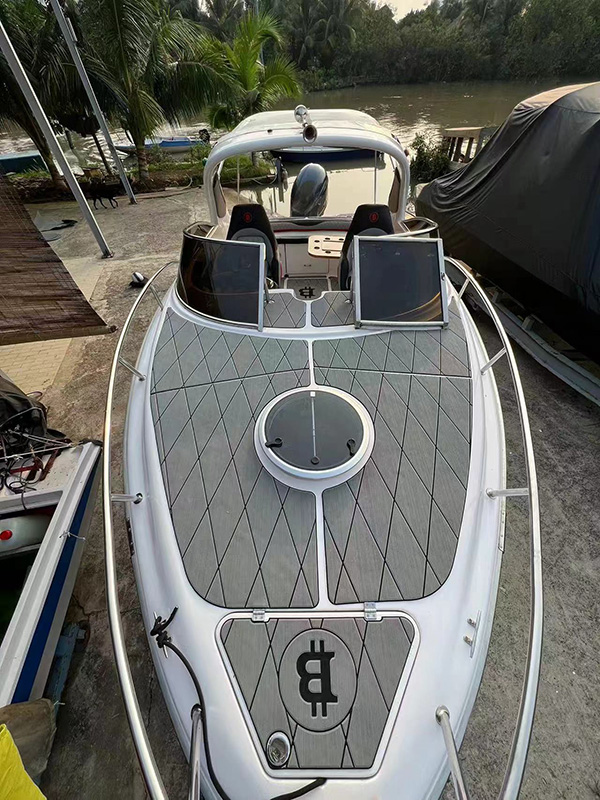 Fishing Boat Decking
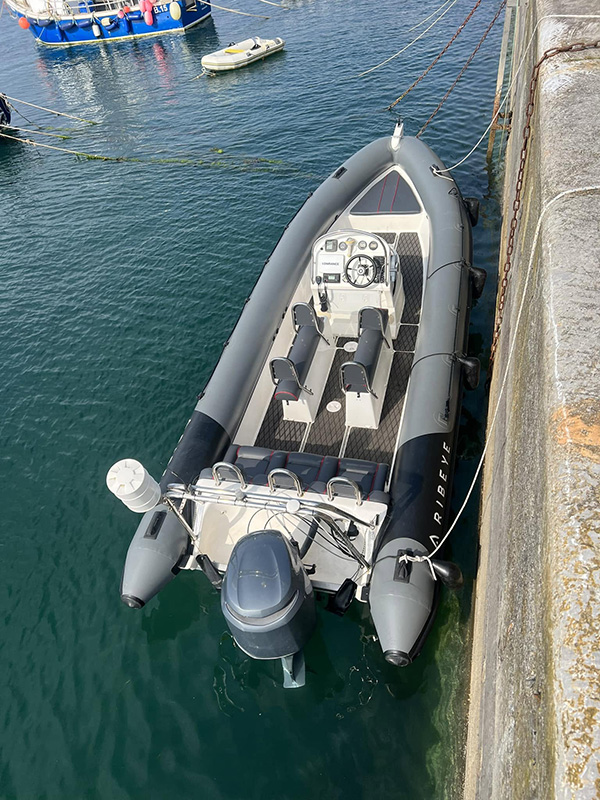 RIB Decking
 Kayak Deck Pads
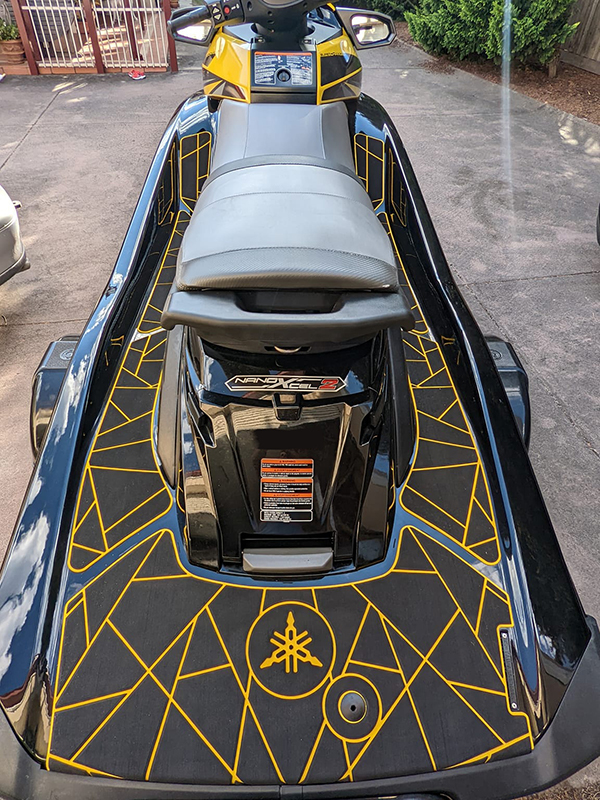 Jet Ski Traction Mats
 Onboard Comfort & Utility Pads
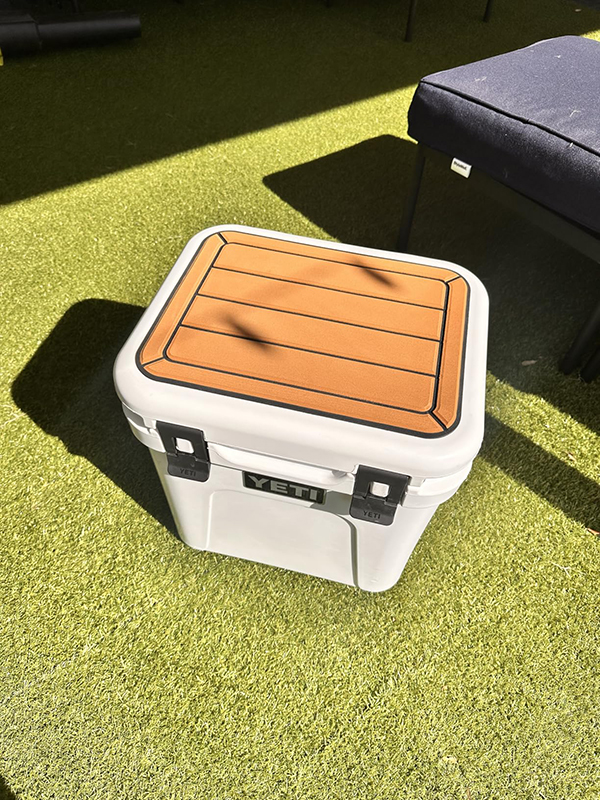 Cooler Pads
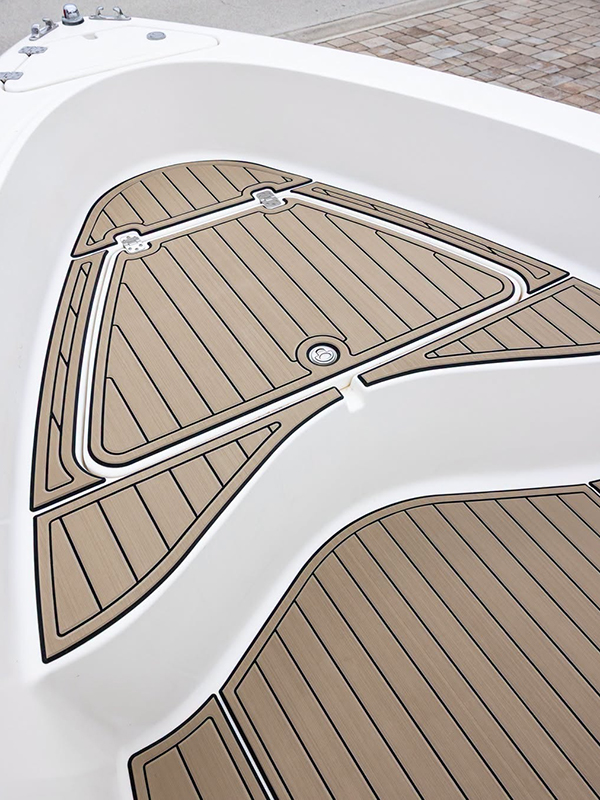 Coaming Bolster Pad
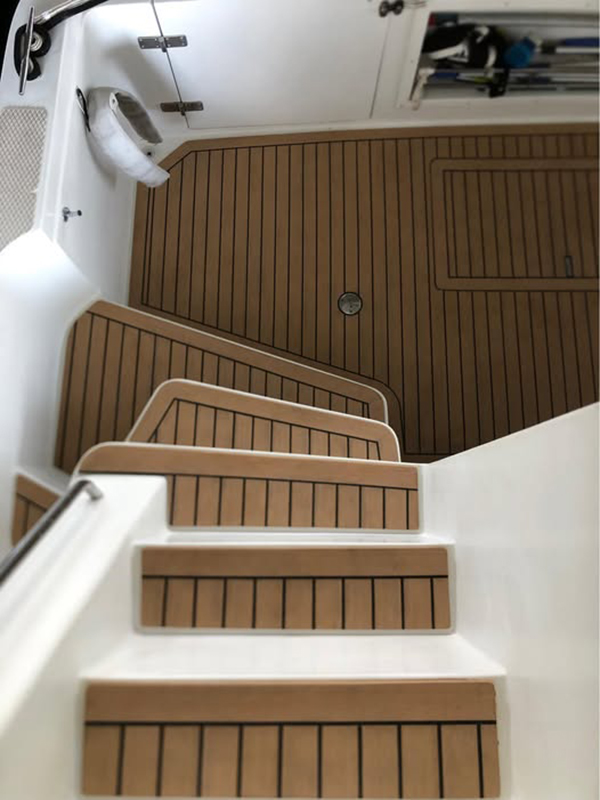 Step Pads
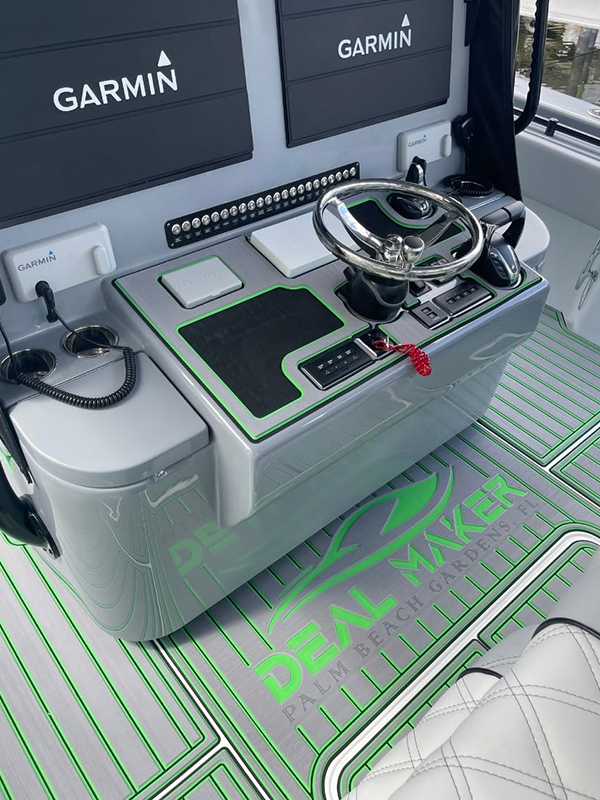 Helm Station Pads
 Watersports & Fishing Gear
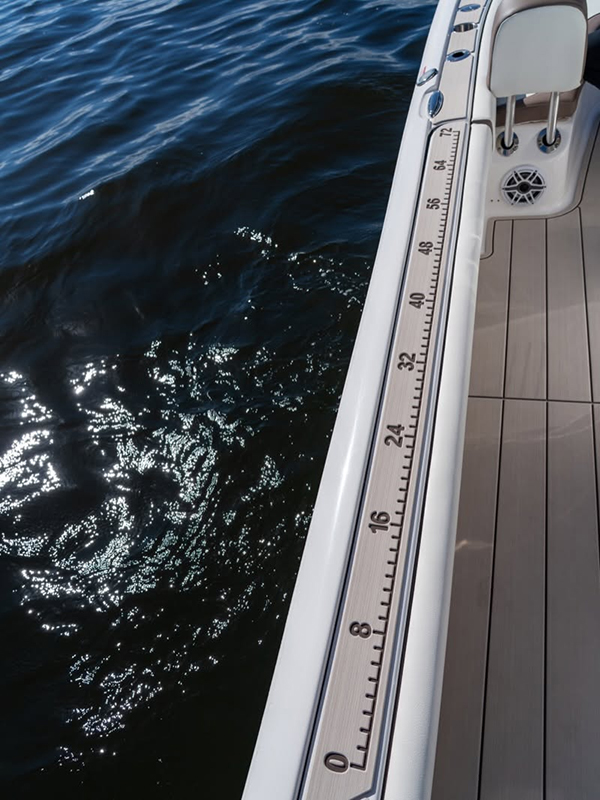 Fish Rulers
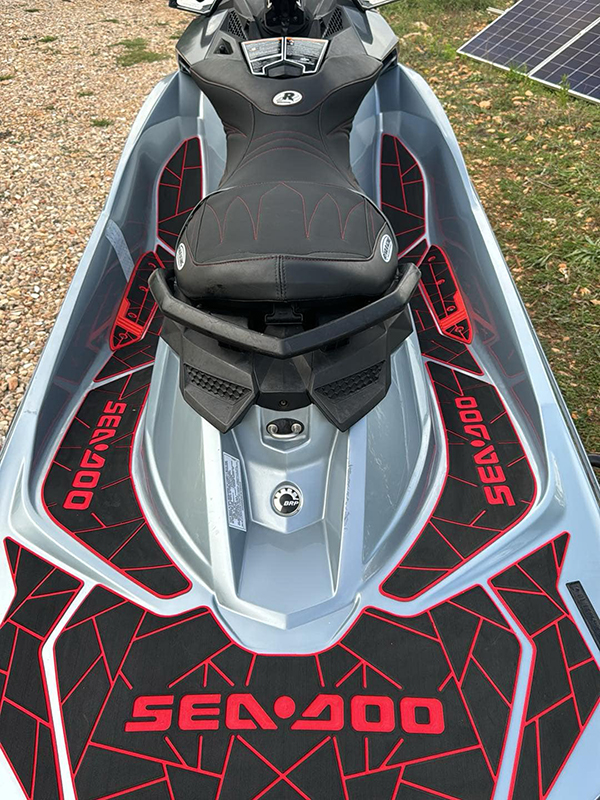 PWC Traction Pads
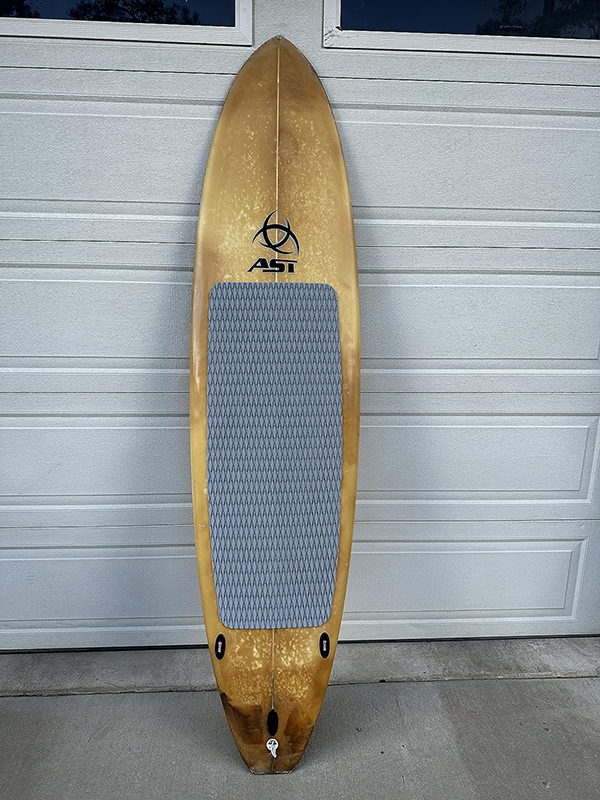 Stand-Up Paddleboard (SUP) Pads
 Hydrofoil Surfboard Pads
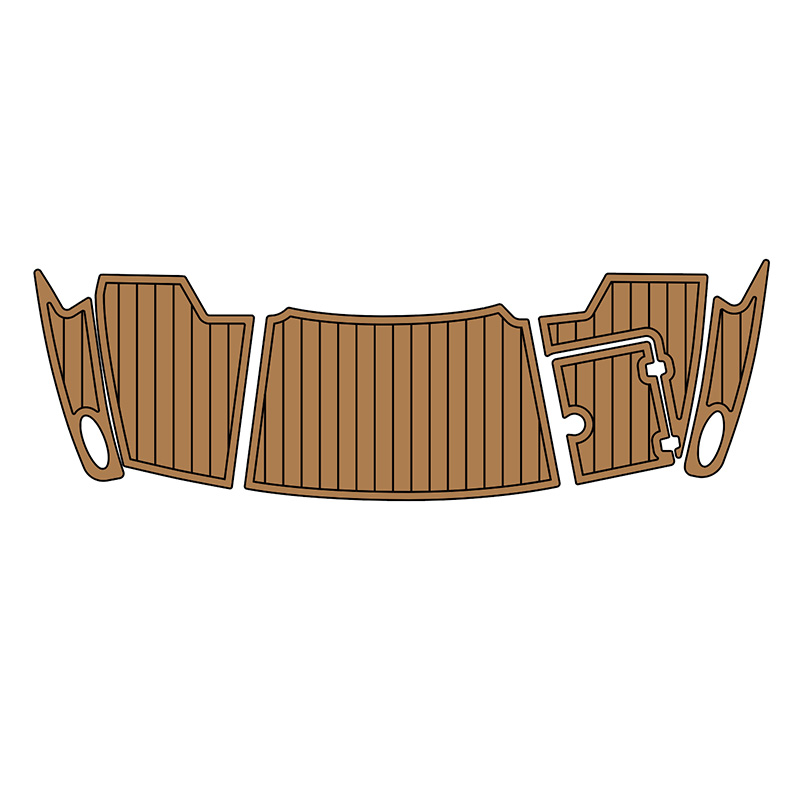 Other
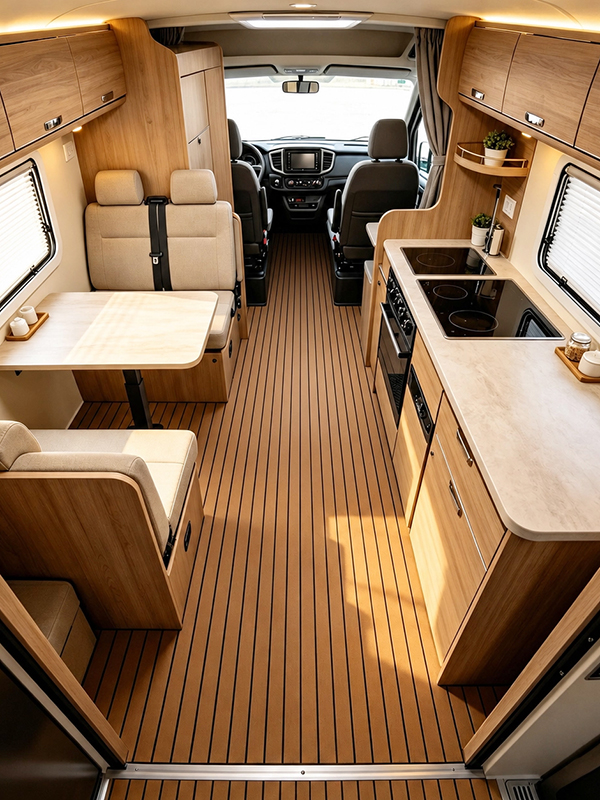 RV & Camper Flooring
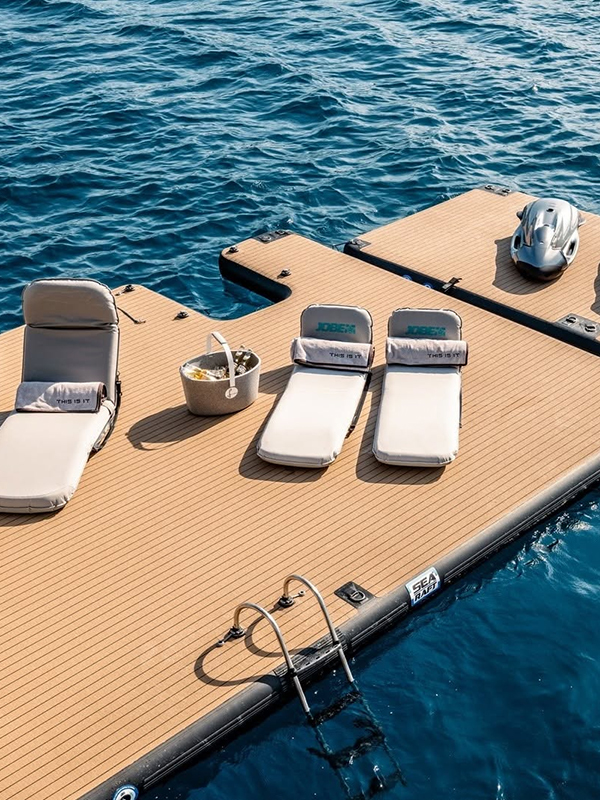 Inflatable Floating Docks
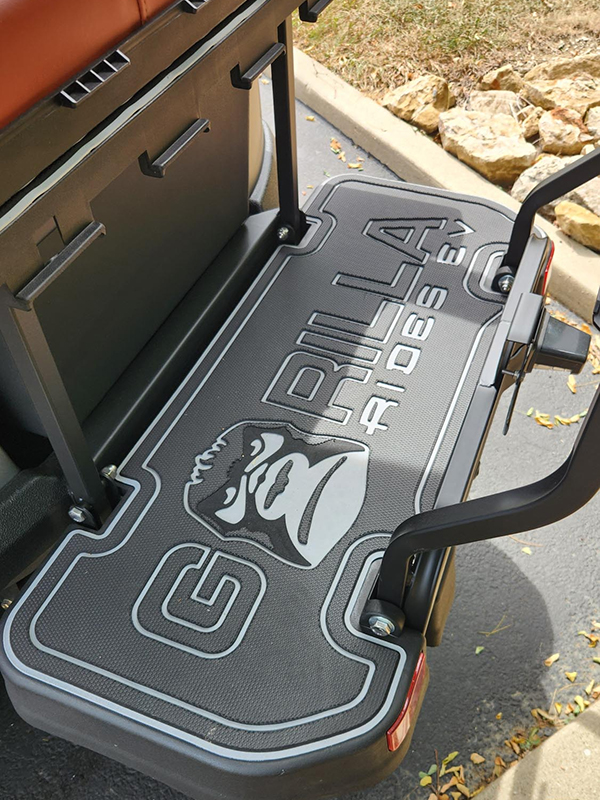 Golf Cart Mats
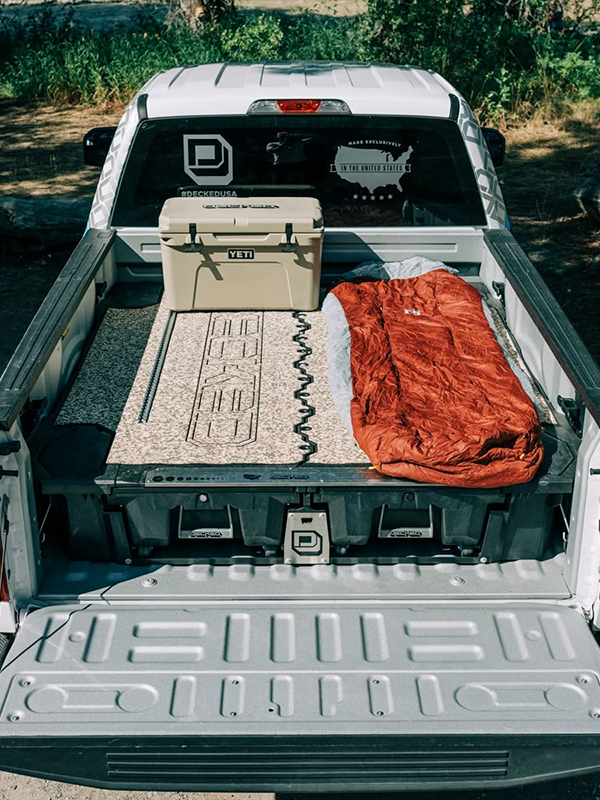 Auto Trunk Liners
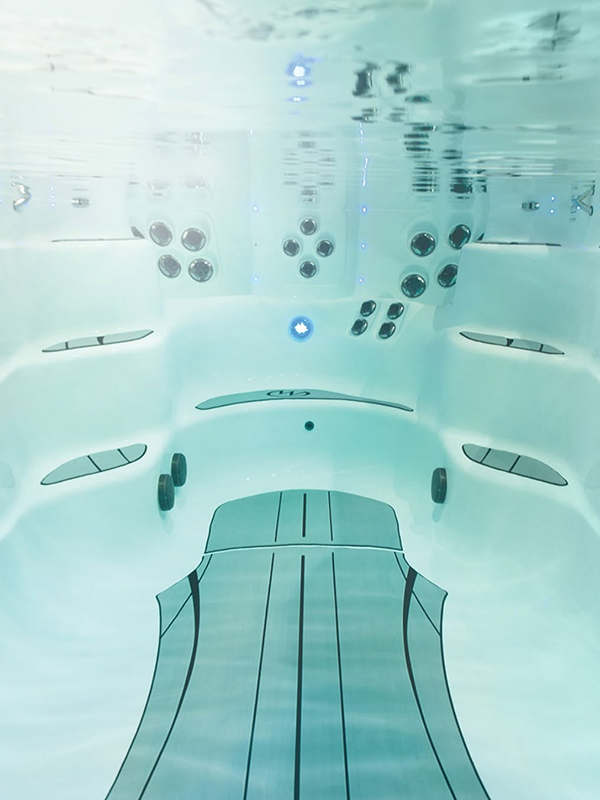 Bathtub Anti-Slip Mats
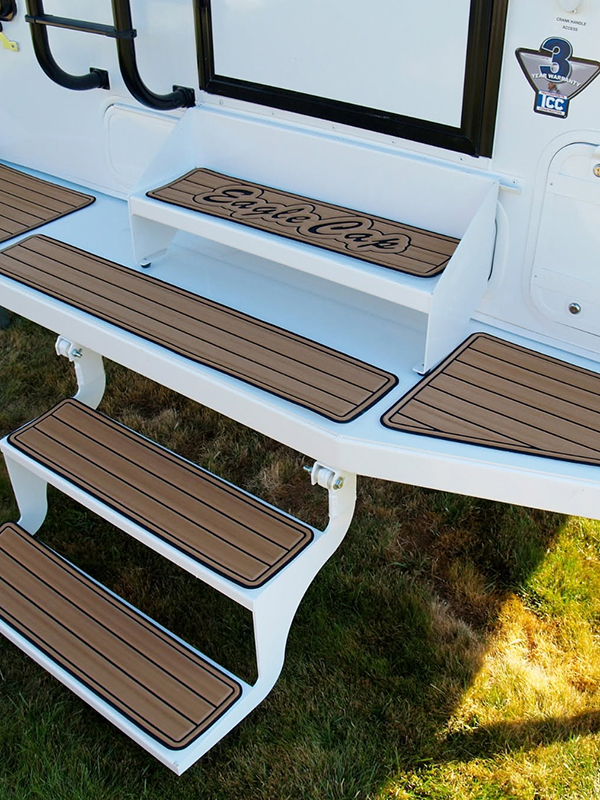 Stair Treads
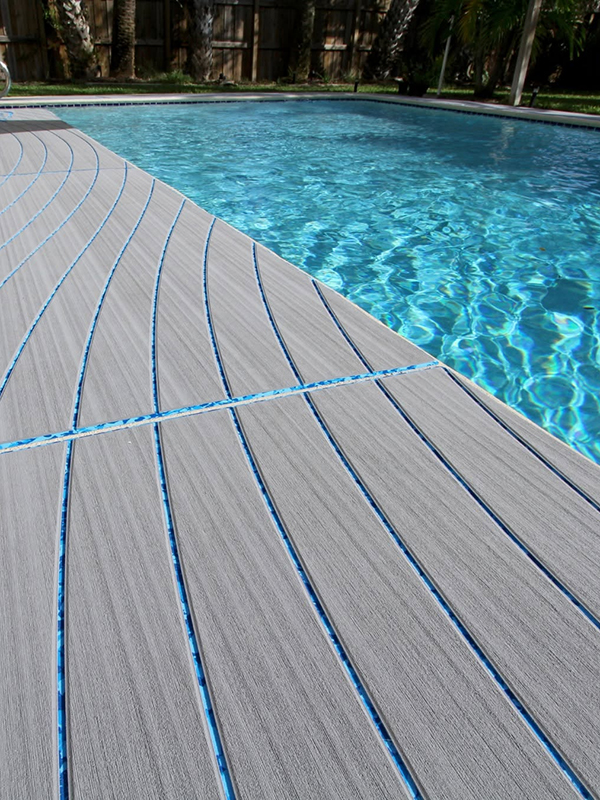 Swim Platform Mats



Industry News
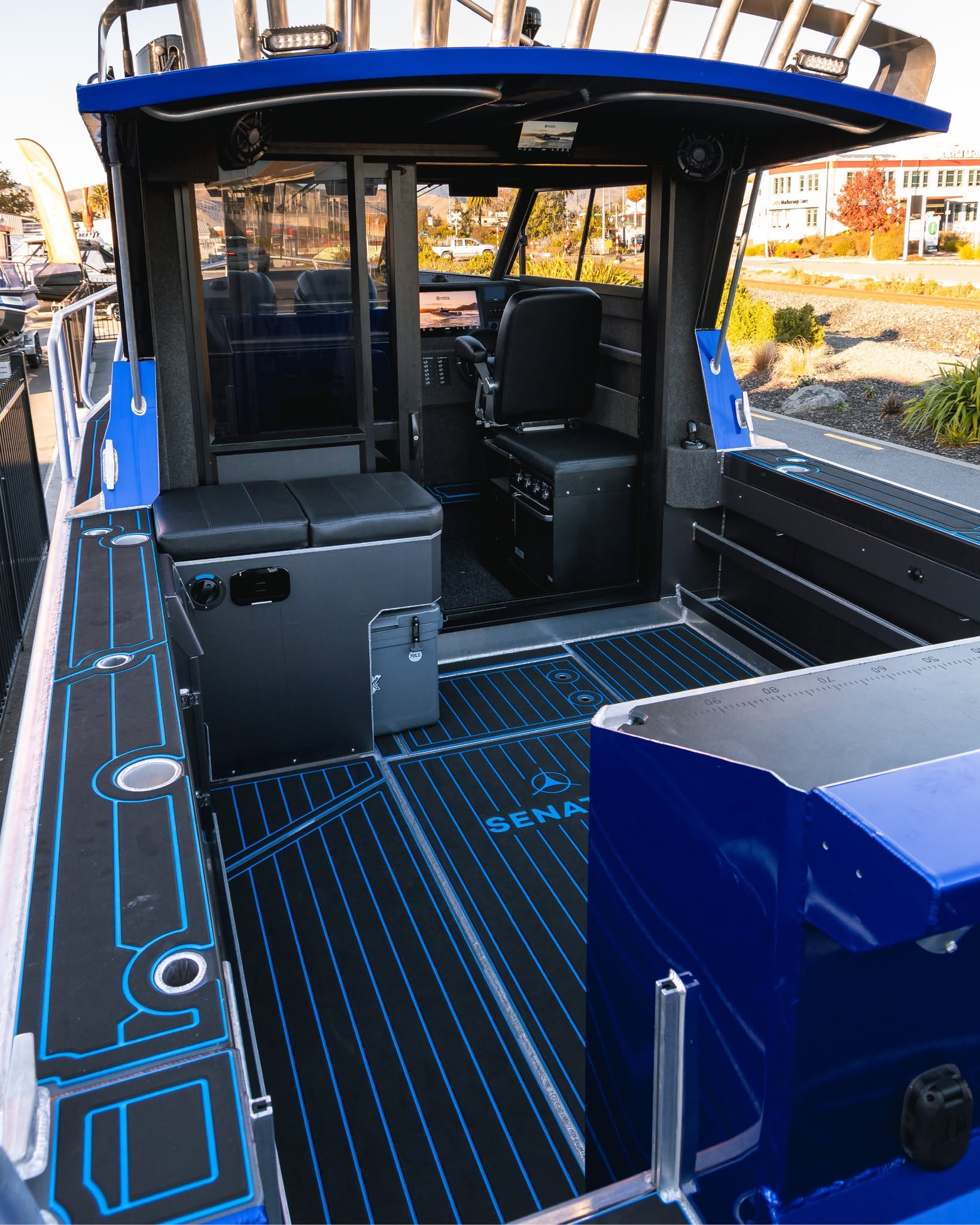
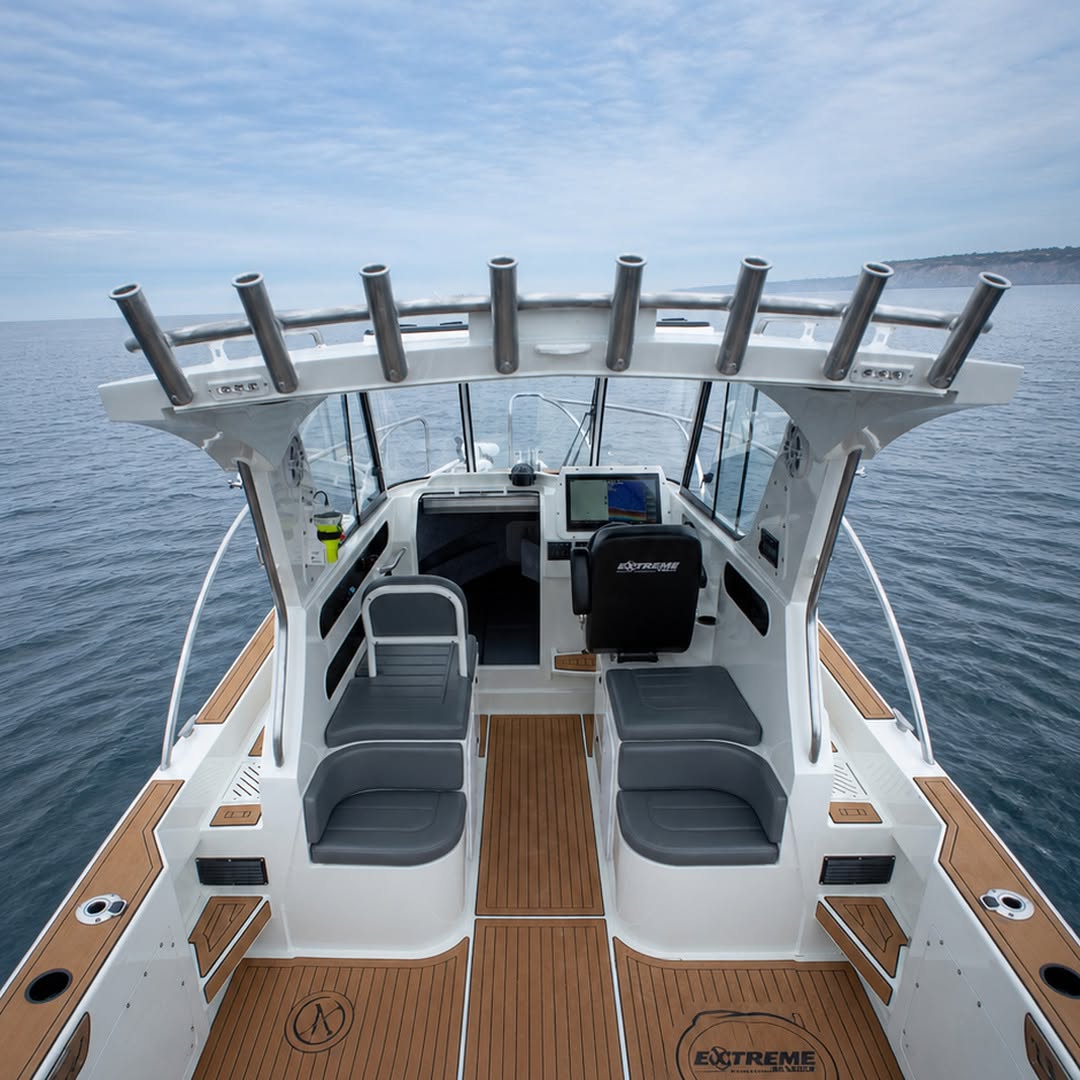
How Marine Product Design Is Responding to Changing User Needs
2026-10-08
Marine product design is entering a more user-focused stage. As recreational boat owners expect more from their vessels, designers and manufacturers are paying closer attention to how every part of a boat is used—not only how it performs.
Performance, durability, and safety remain fundamental requirements, but they are no longer the only factors shaping marine design. Comfort, usability, visual consistency, personalization, and ease of maintenance are becoming increasingly important in the development of modern recreational boats.
This shift is influencing everything from deck layouts and interior surfaces to the materials selected for high-use areas.
Comfort Is Becoming a Design Priority
A comfortable boat is not defined by seating alone. The way passengers move, stand, sit, and interact with different areas of the vessel can have a significant impact on the onboard experience.
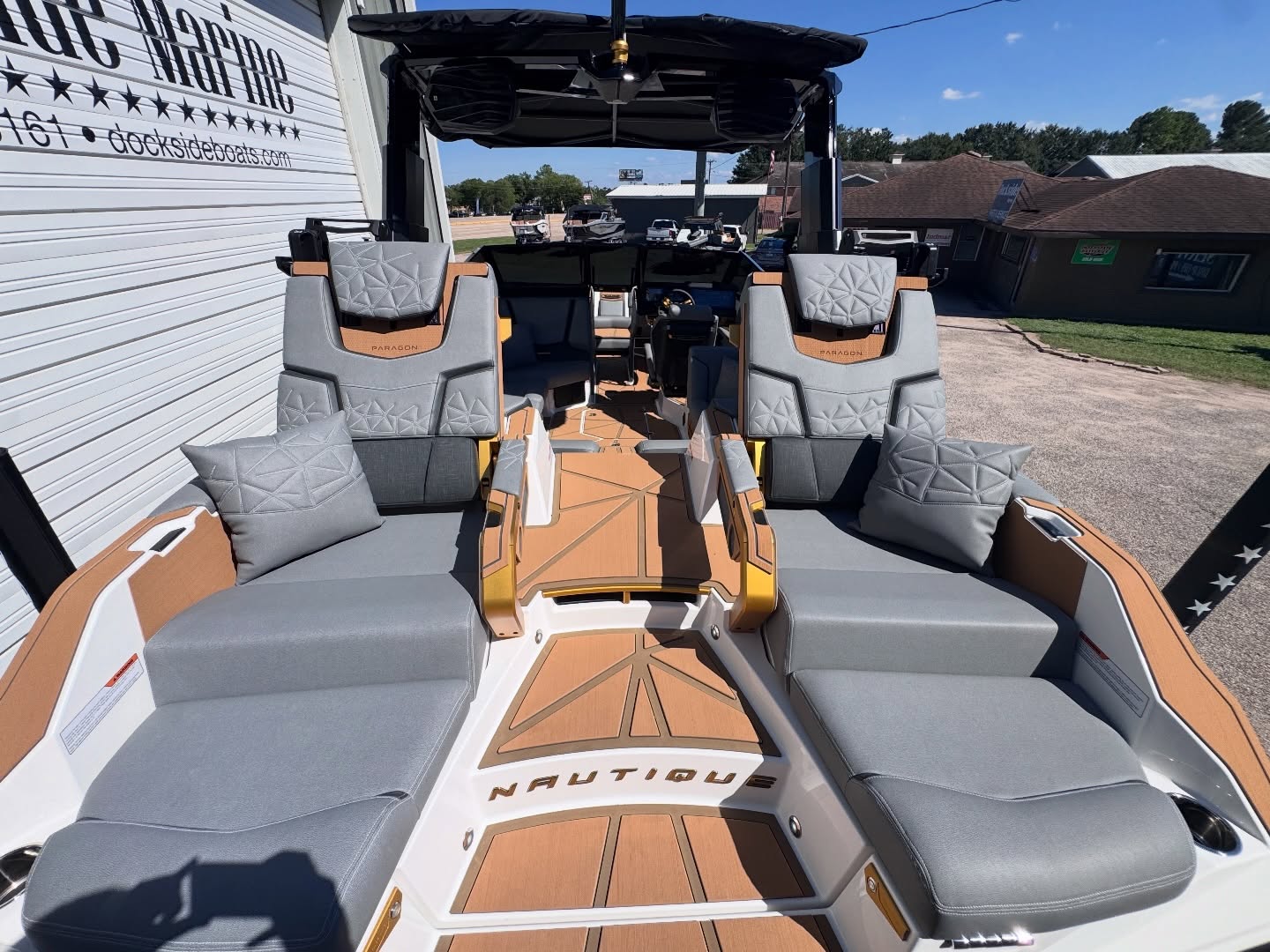
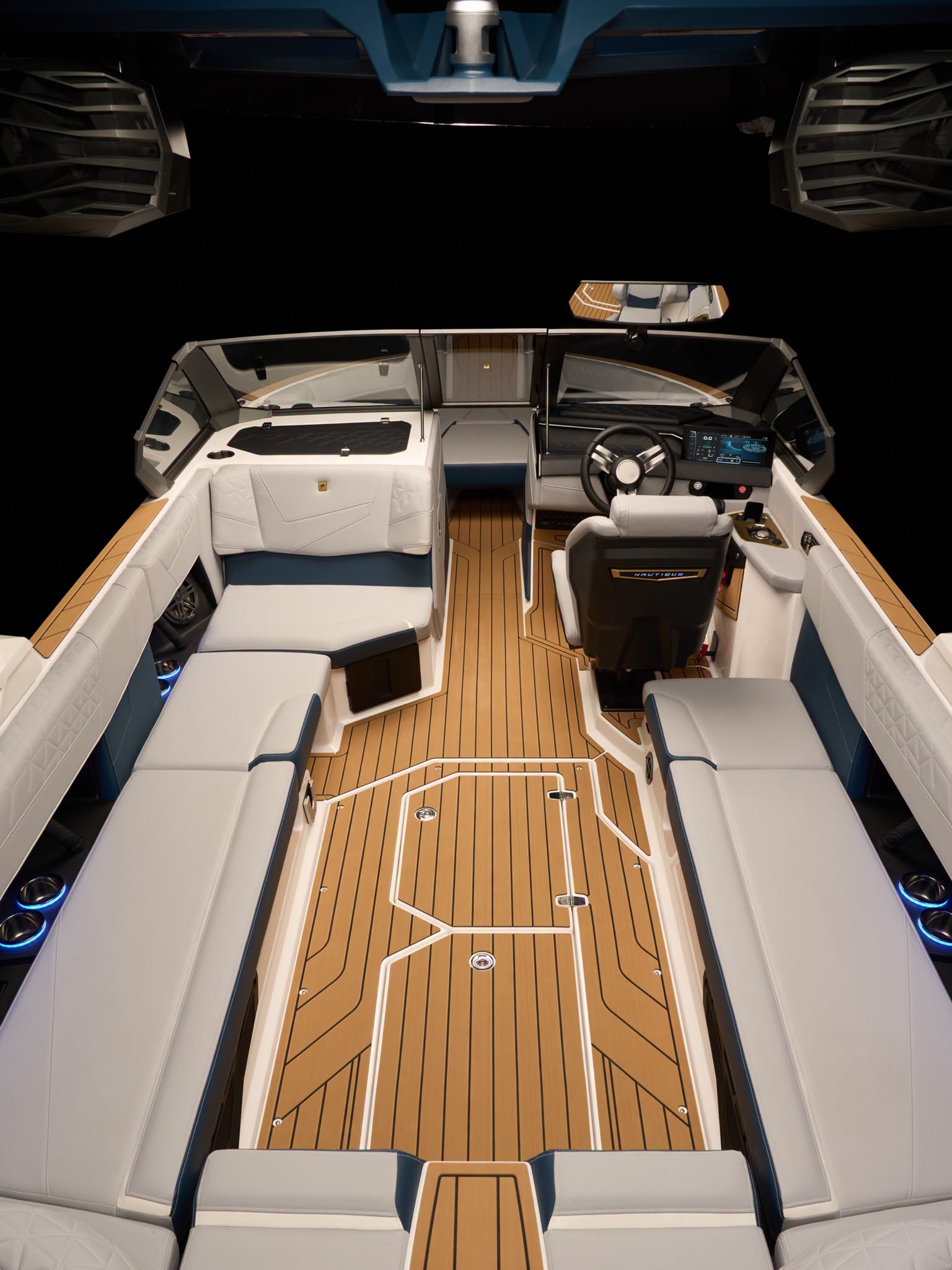
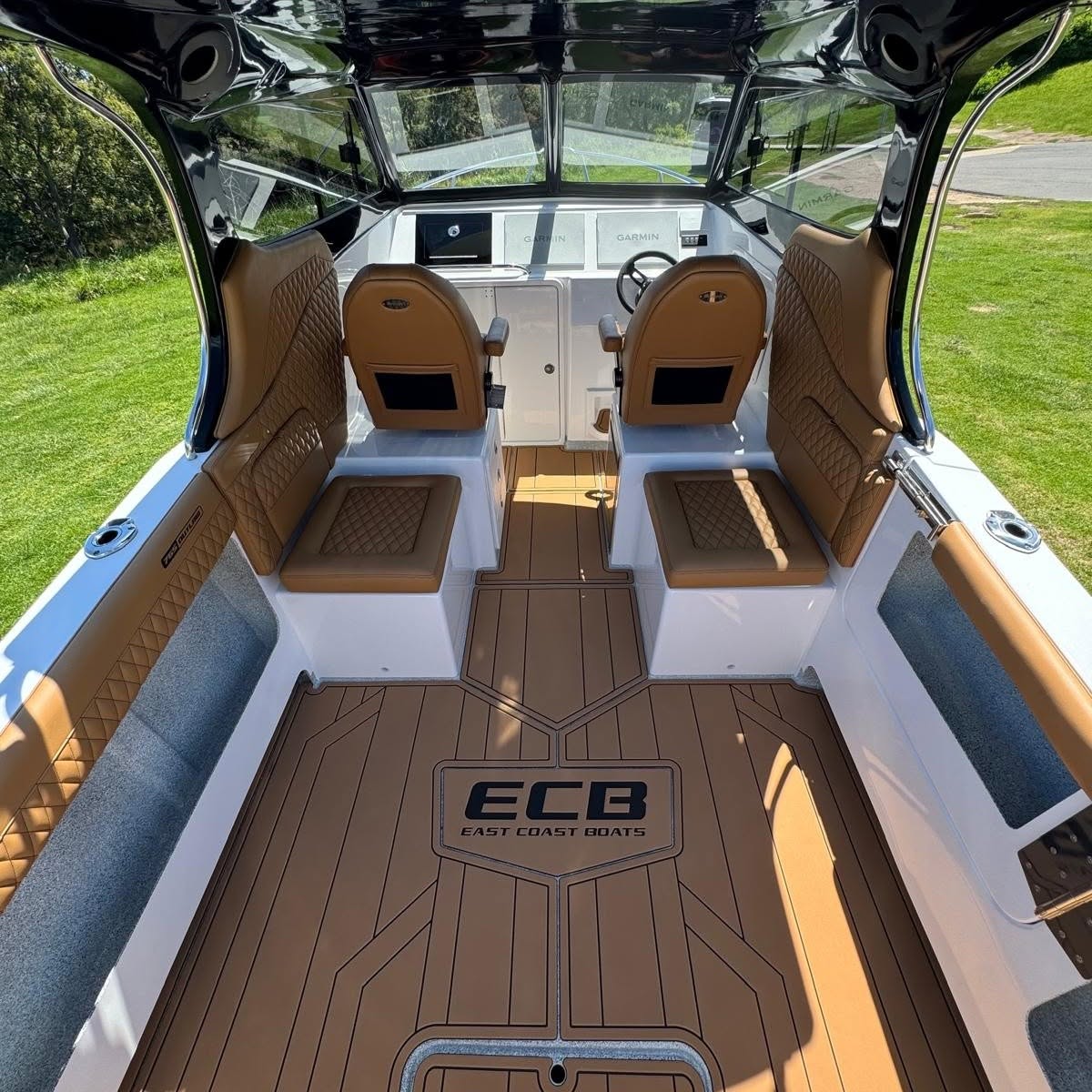
Deck surfaces are particularly important because they are constantly exposed to foot traffic, water, sunlight, and changing weather conditions. For this reason, designers increasingly need to consider more than basic durability when selecting marine decking materials.
Surface texture, cushioning, traction, and overall finish can all contribute to a more comfortable and practical environment. A well-designed deck should perform reliably underfoot while complementing the character of the vessel.
Making Limited Space More Functional
Space efficiency is another important consideration in modern boat design.
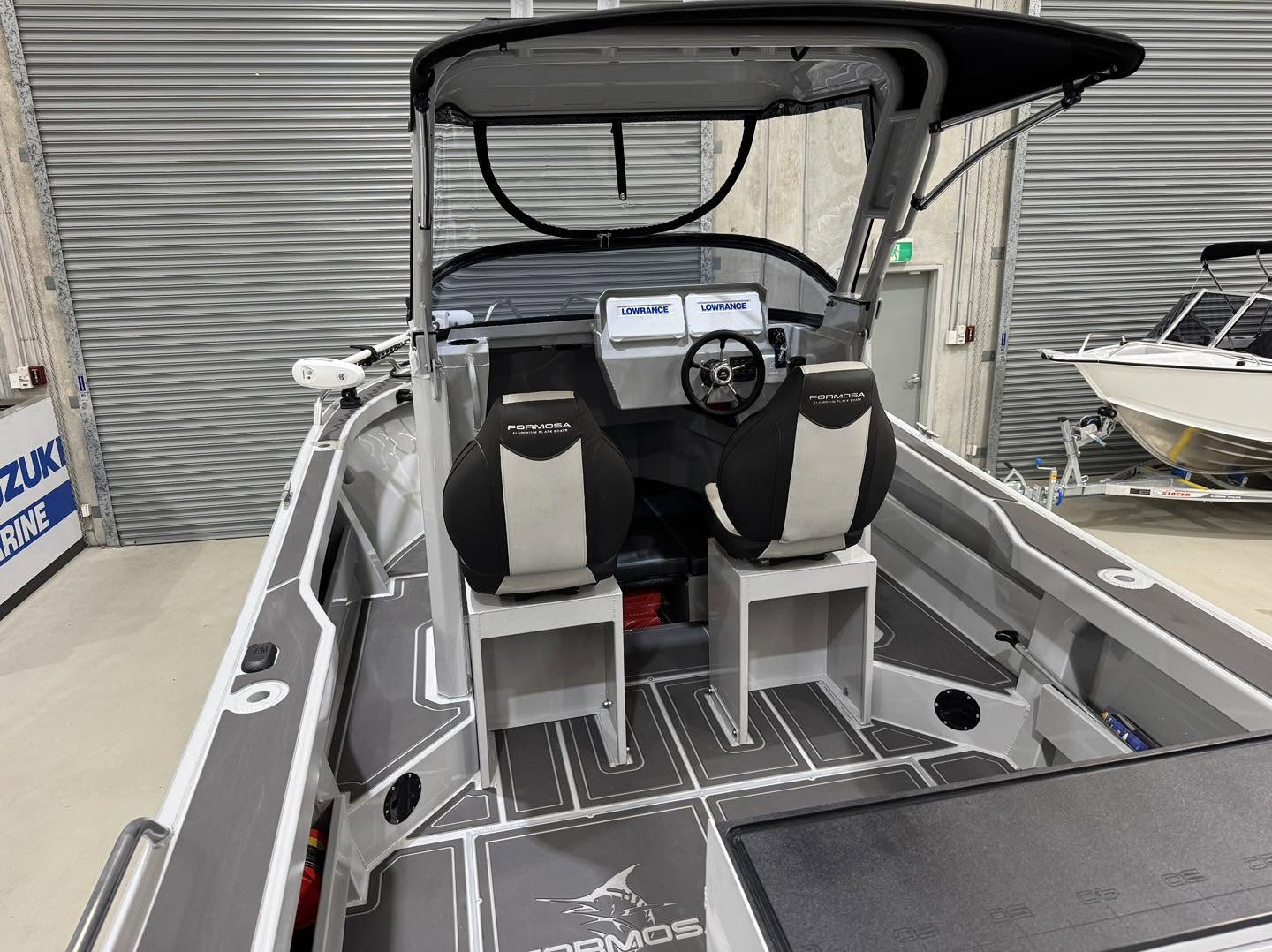
A recreational boat often needs to accommodate several activities within a relatively compact layout. The same deck may be used for cruising, fishing, boarding, swimming, storage, or socializing, depending on the vessel and its intended purpose.
This makes deck space and usability closely connected. Designers need to consider passenger flow, working areas, storage access, and the relationship between different activity zones.
Clearer layouts and purpose-driven surface treatments can help make available space easier to use without adding unnecessary complexity.

Personalization Is Changing Expectations
Standardized marine products still have an important role, but customization is becoming more relevant as boat owners look for solutions that better match their preferences and specific applications.
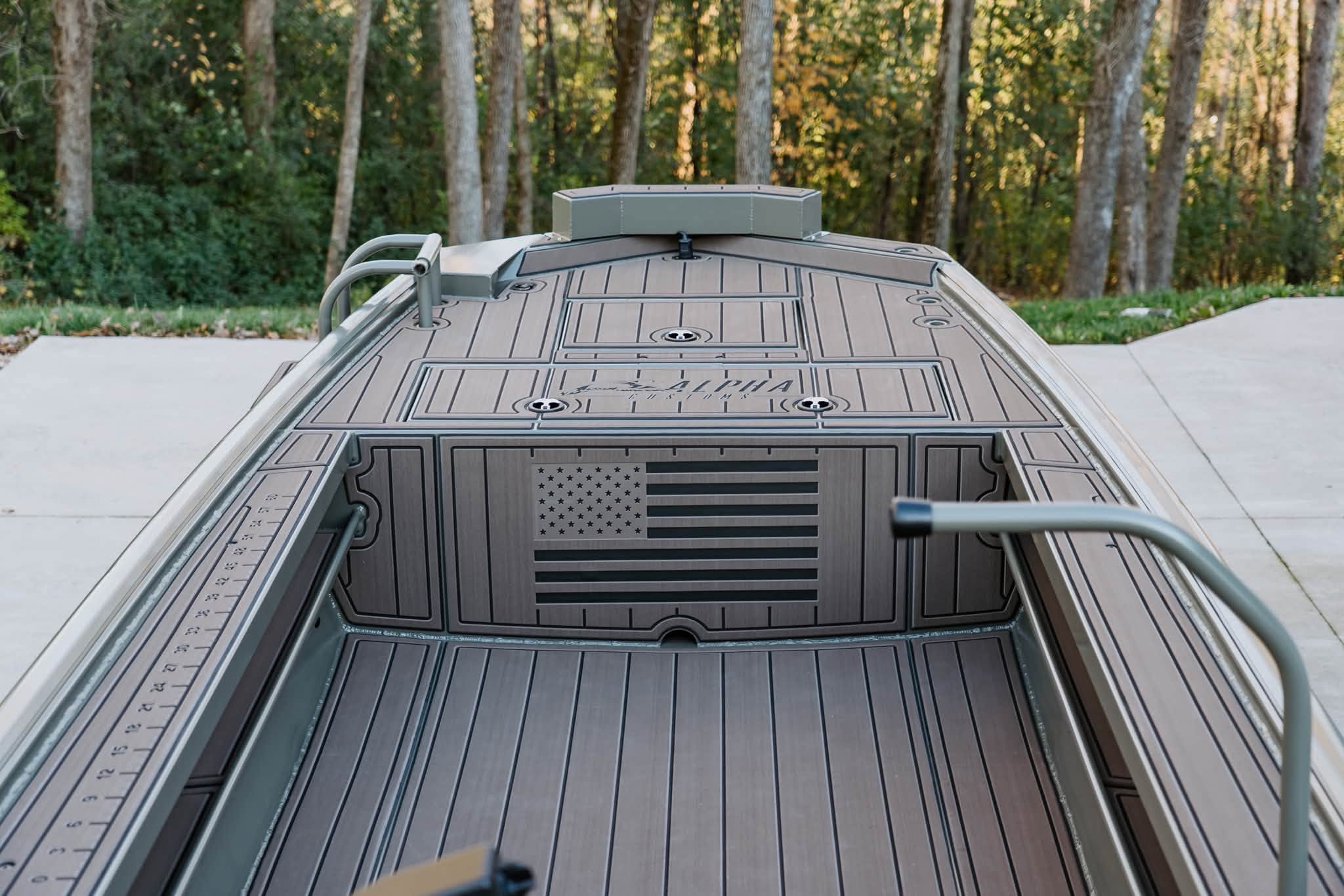
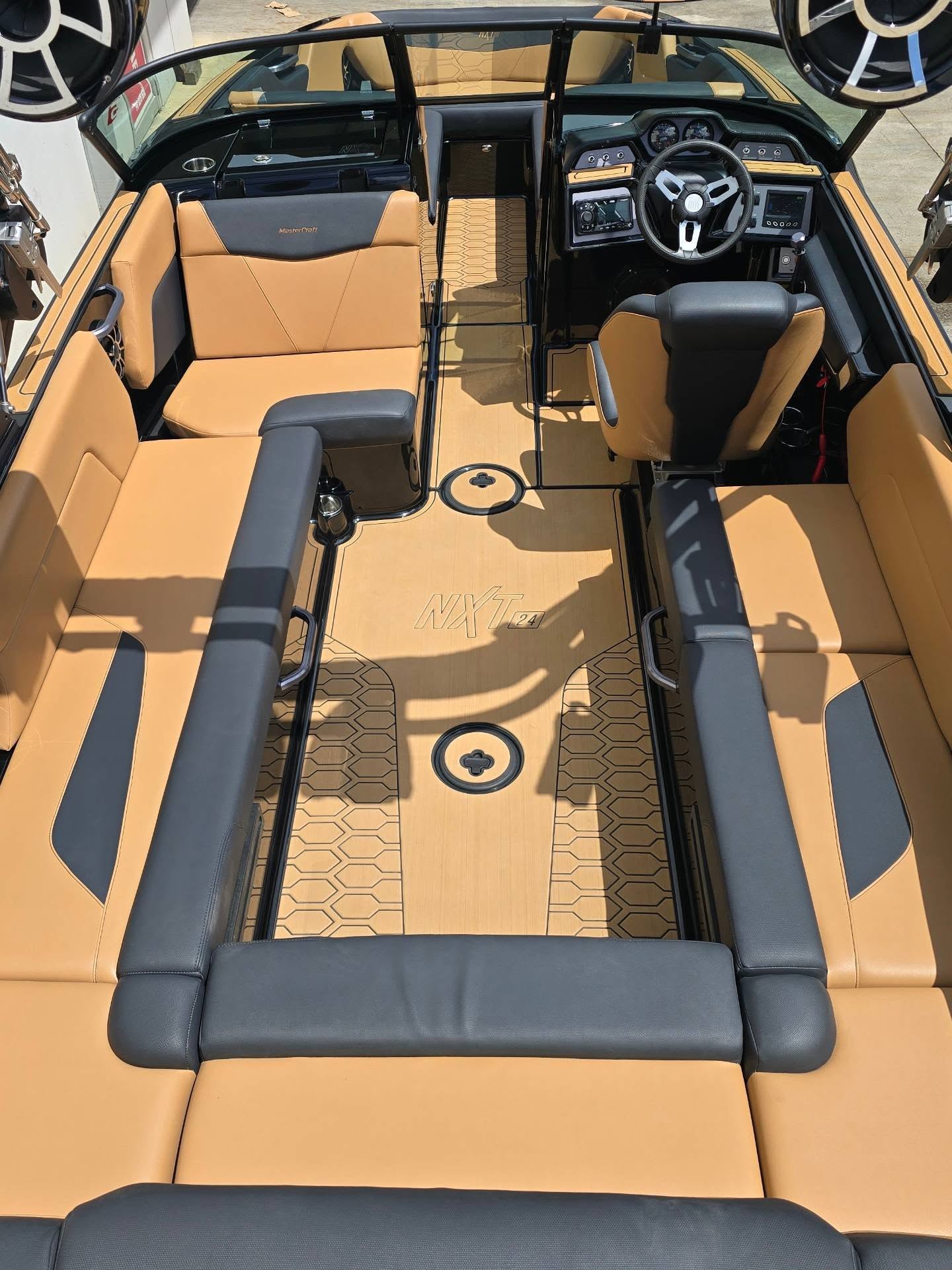
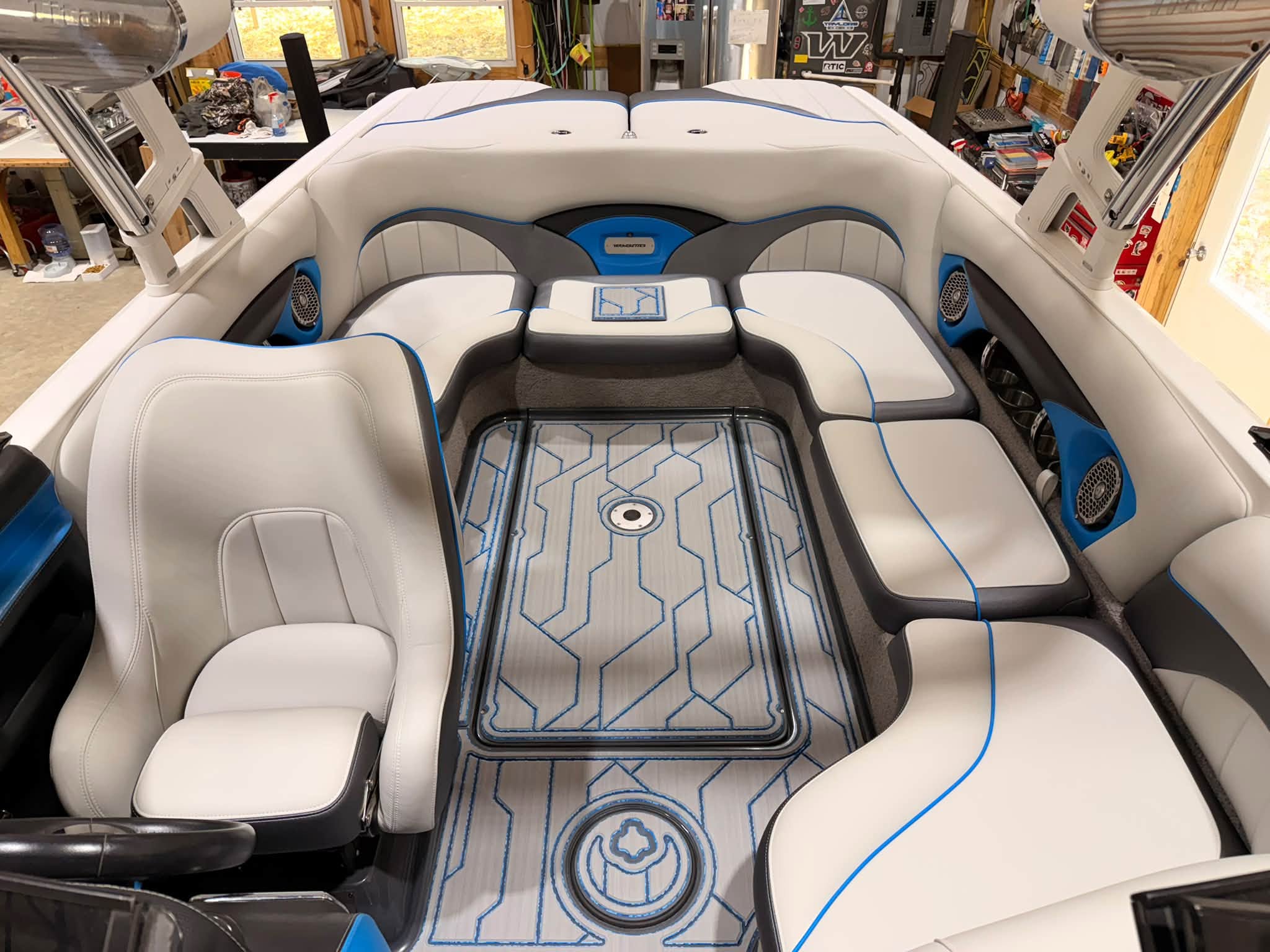
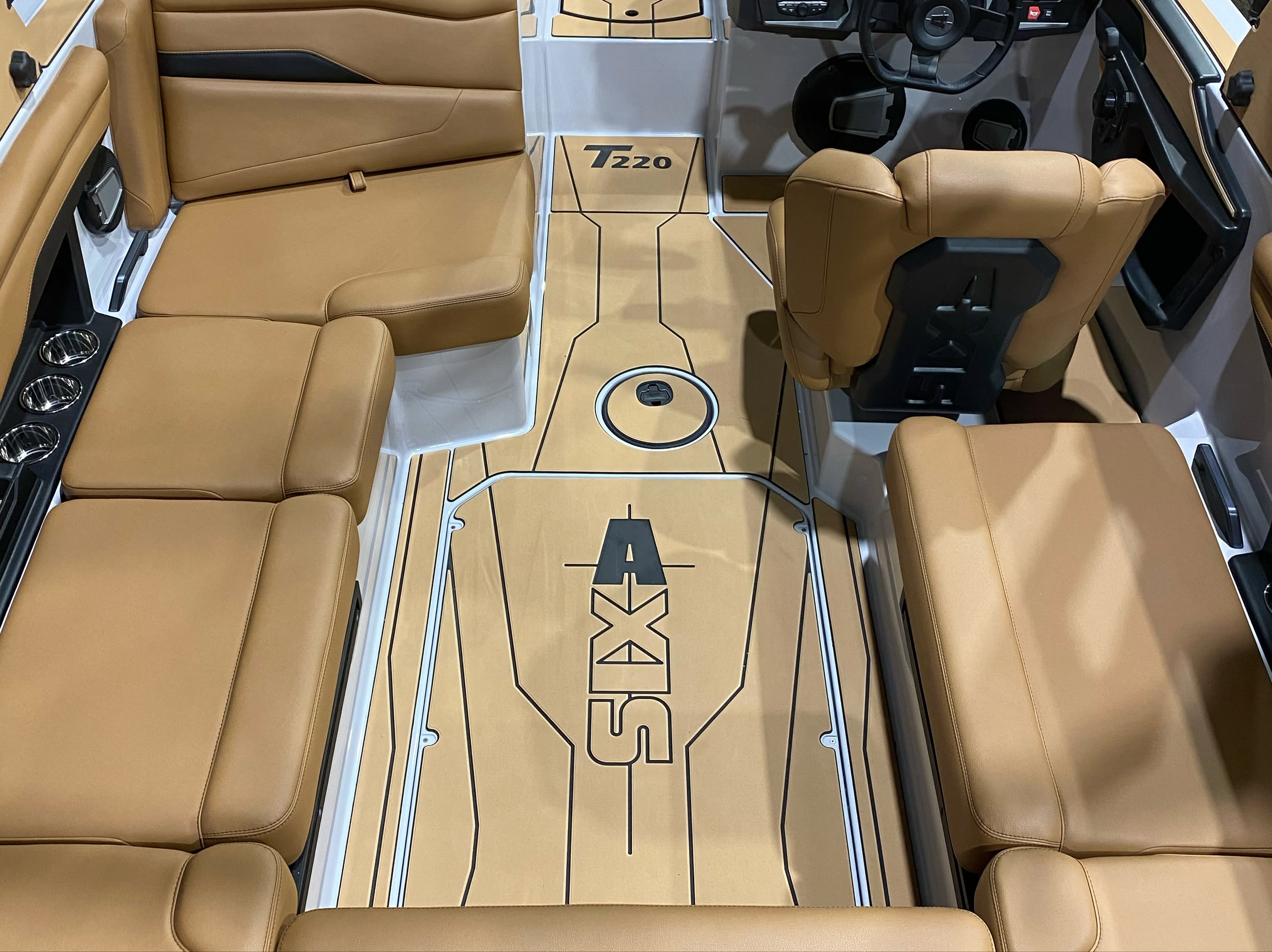
Personalization can involve color, pattern, texture, thickness, logos, or model-specific dimensions. These details may appear small, but together they can significantly influence the visual character of a boat.
For marine decking applications, advances in digital templating and CNC cutting have also made customized solutions more practical. Precise templates allow decking components to be produced for specific deck configurations, helping create a cleaner fit and a more consistent finished appearance.
Marine Materials Need to Do More
The changing expectations of boat owners are also affecting material selection.
Marine materials must operate in environments where exposure to water, UV radiation, salt, dirt, and repeated use is part of everyday operation. At the same time, users increasingly expect these materials to contribute to comfort, appearance, and ease of upkeep.
For decking applications, properties such as water resistance, UV resistance, stain resistance, slip resistance, flexibility, and dimensional consistency can all influence the choice of material.
Closed-cell EVA is one example of a material suited to applications where traction, cushioning, and design flexibility are needed. Depending on the application, EVA decking can be shaped and customized to complement different deck layouts while providing a more comfortable walking surface.
The wider lesson for marine product design is clear: material performance needs to be considered in relation to how the product will actually be used.
From Product Performance to User Experience
Modern marine design is increasingly moving beyond individual specifications and toward the complete user experience.
A technically durable component may meet basic performance requirements, but its real value also depends on how it performs in everyday use. Can passengers move around comfortably? Is the surface easy to maintain? Does the material remain visually consistent after repeated exposure? Can the design be adapted to different layouts or user requirements?
These questions are becoming increasingly relevant for boat builders, marine designers, and component suppliers.
As a result, product development is becoming more closely connected across different stages of the marine supply chain. Materials, manufacturing processes, installation methods, and final applications all need to work together to achieve a better result.

What This Means for Modern Recreational Boats
The evolution of user expectations is gradually reshaping the way recreational boats are designed.
Instead of treating comfort, functionality, appearance, and performance as separate considerations, modern marine product development is increasingly bringing them together. Deck surfaces, interior components, and other frequently used products are expected to support the vessel's purpose while also contributing to a more refined onboard environment.
For manufacturers and suppliers, this creates a broader design opportunity. The goal is no longer simply to produce a component that performs its basic function, but to develop solutions that integrate effectively with the vessel as a whole.
Looking Ahead
Marine product design will continue to evolve as boat owners seek vessels that are easier to use, more comfortable, more distinctive, and better suited to different activities.
This shift will continue to influence deck design, material selection, customization, and manufacturing processes across the recreational boating market.
Ultimately, the future of marine design is not defined by one material or one feature. It is about creating better connections between performance, functionality, comfort, and user experience.
For the marine industry, understanding these changing expectations will be essential to developing products and vessels that remain relevant in the years ahead.