


Industry News
How Marine Decking Influences the Overall Look of a Boat
2026-09-24
A boat’s appearance is often judged by its hull shape, upholstery, console, and exterior finish. But look more closely, and another element quietly ties many of these details together: the deck.
Once considered mainly a practical surface for walking and standing, marine decking has become an increasingly visible part of modern boat design. The choice of decking material, color, texture, pattern, and layout can influence not only how a boat performs on board, but also how the entire space looks and feels.
More Than a Surface Underfoot
The deck occupies a significant portion of a boat’s usable space. In areas such as the cockpit, swim platform, bow, and walkways, it is constantly visible and frequently used.
That makes boat decking an important part of the overall design rather than a finishing detail added at the end of the process.
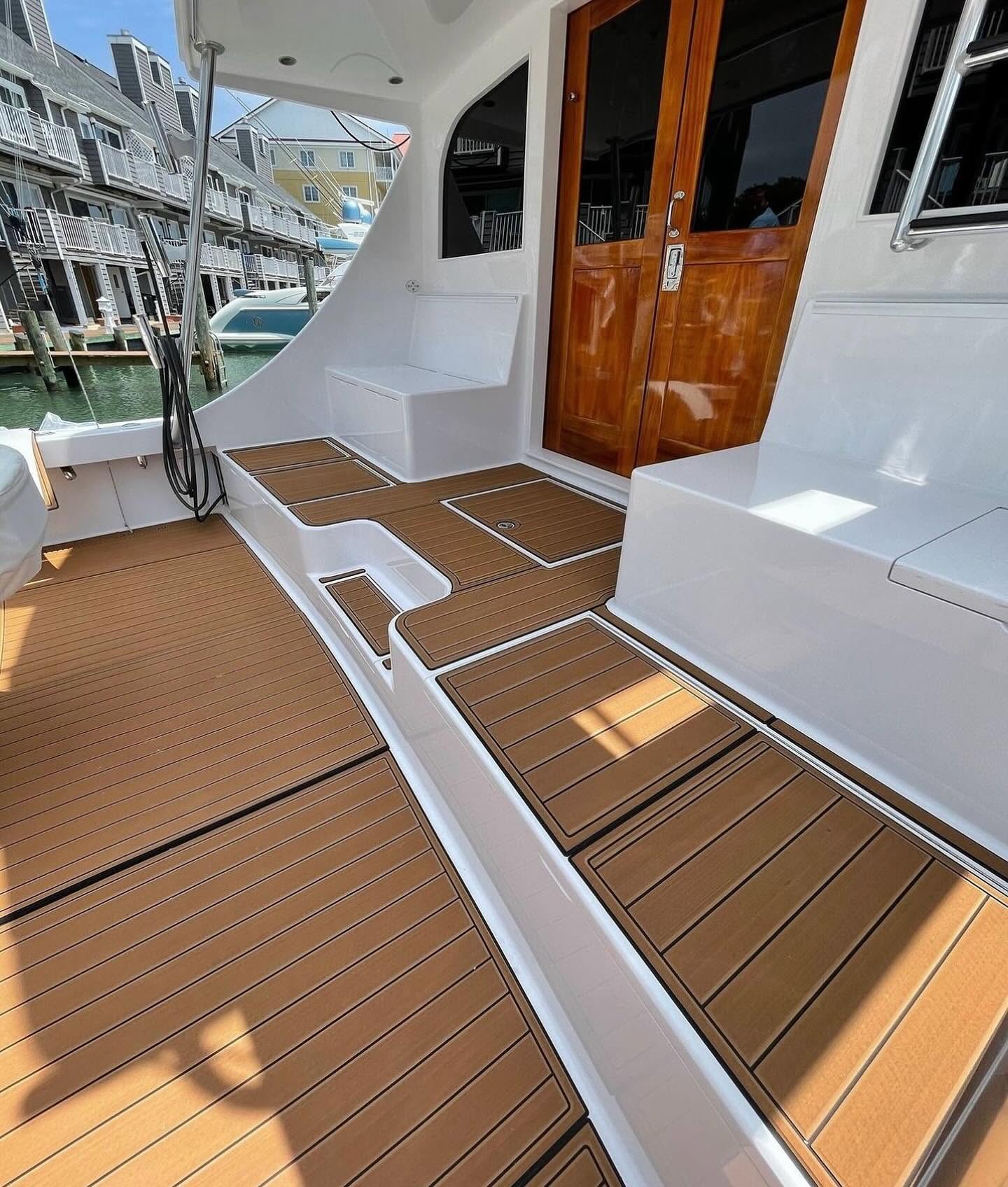
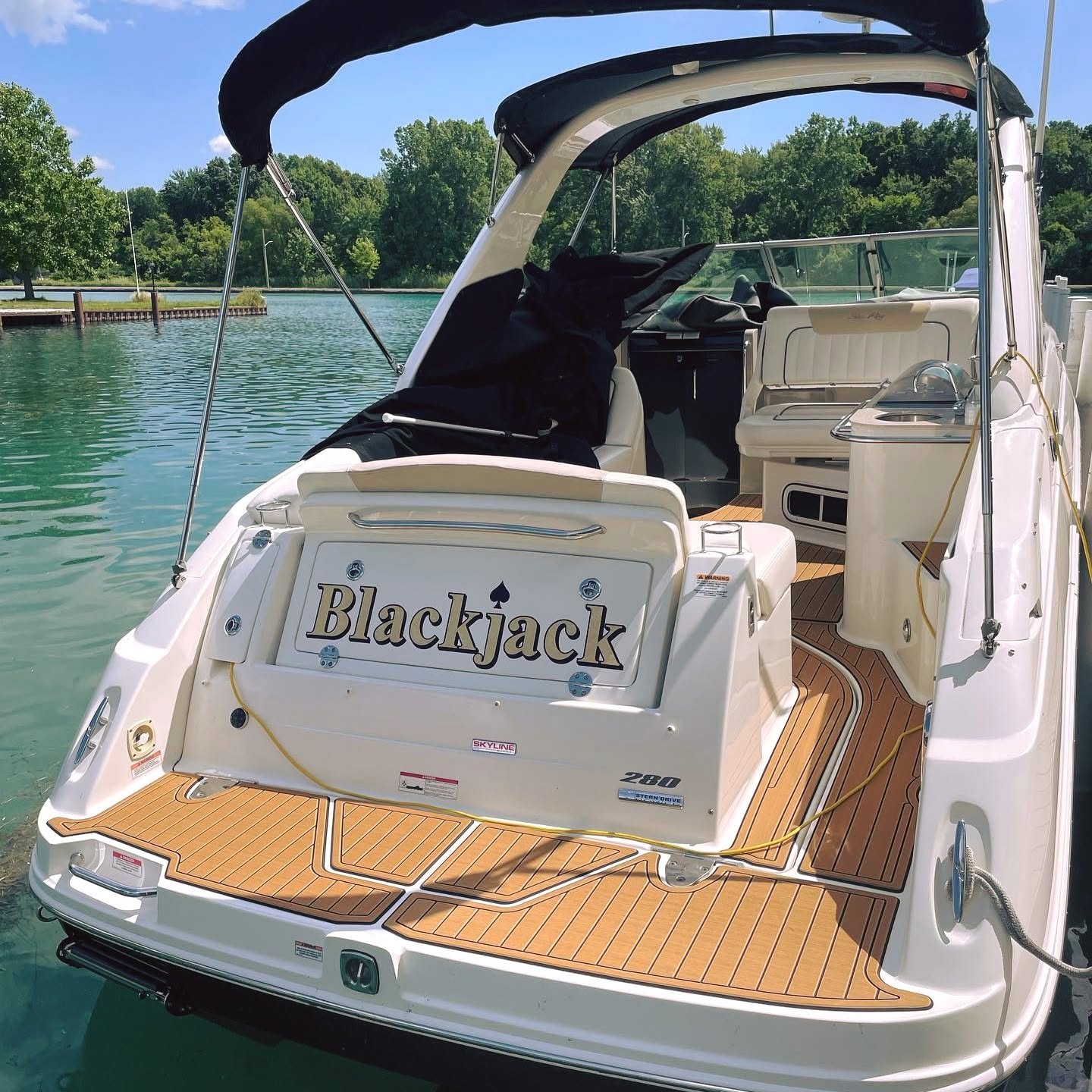
A well-designed deck can create visual continuity between different areas of a boat. It can also help define activity zones, frame seating areas, and complement surrounding materials. On a modern recreational boat, these details can make the interior feel more organized and intentional.
Color Can Change the Visual Balance
Color is one of the simplest ways to influence the appearance of a deck.
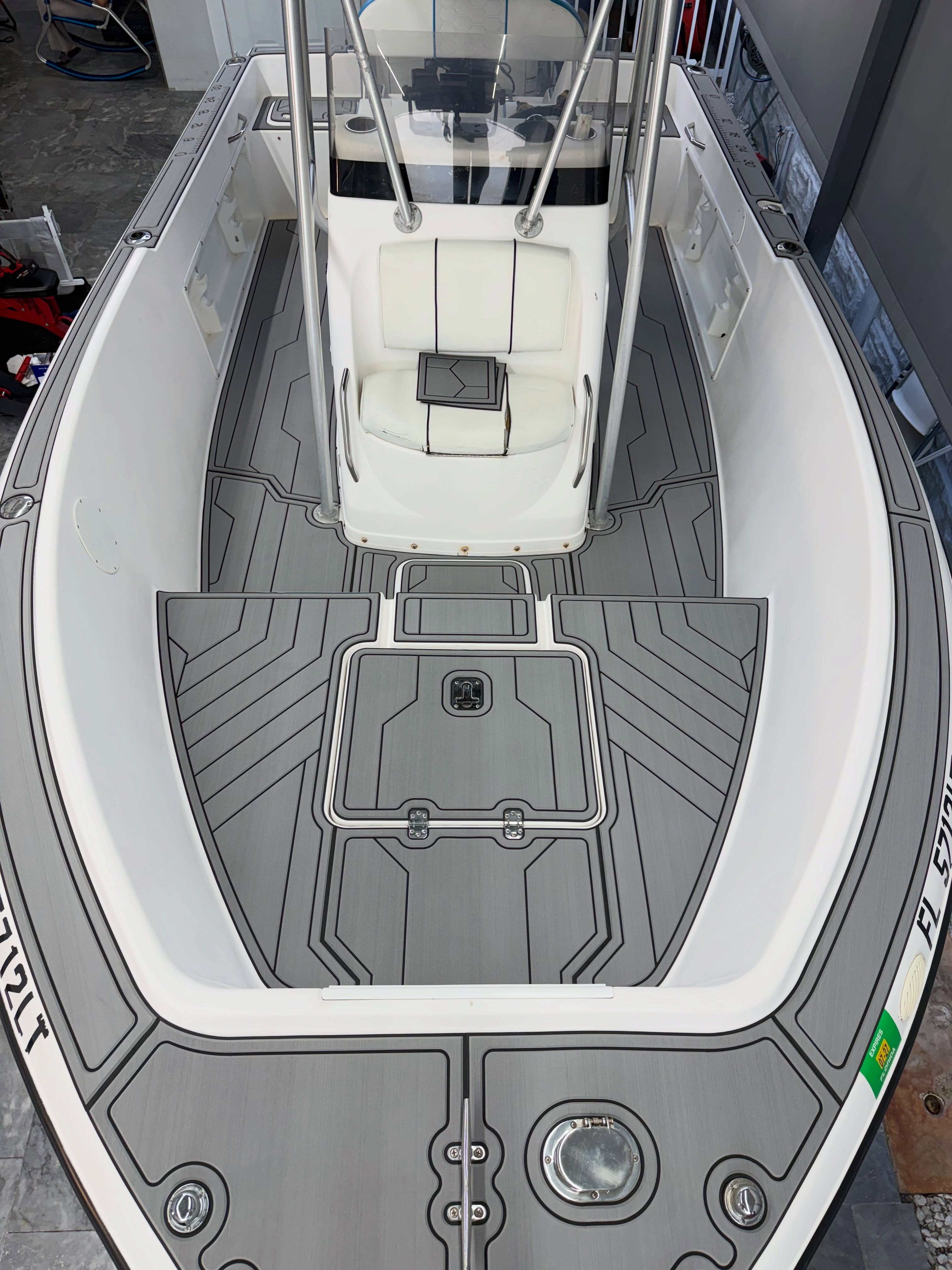
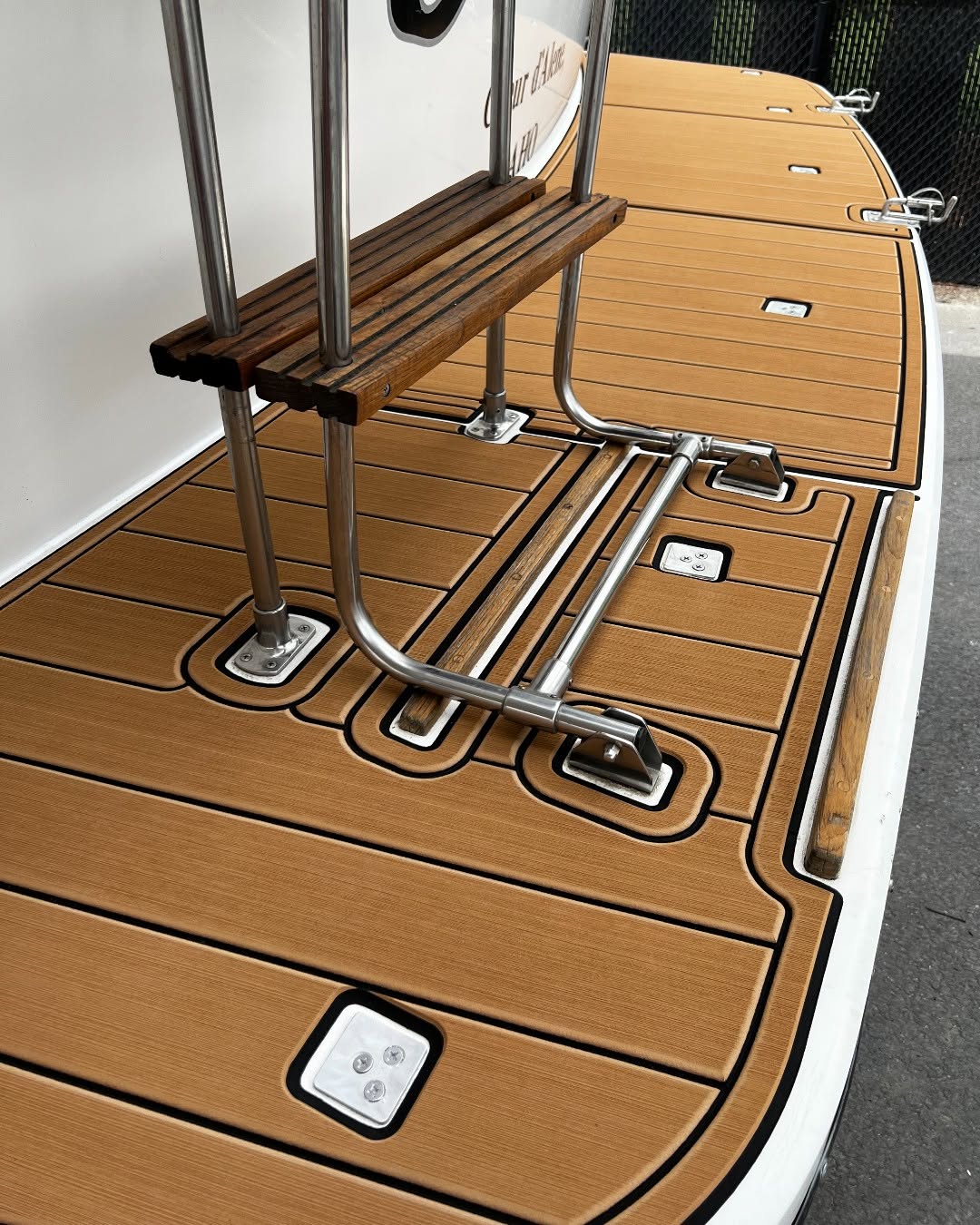
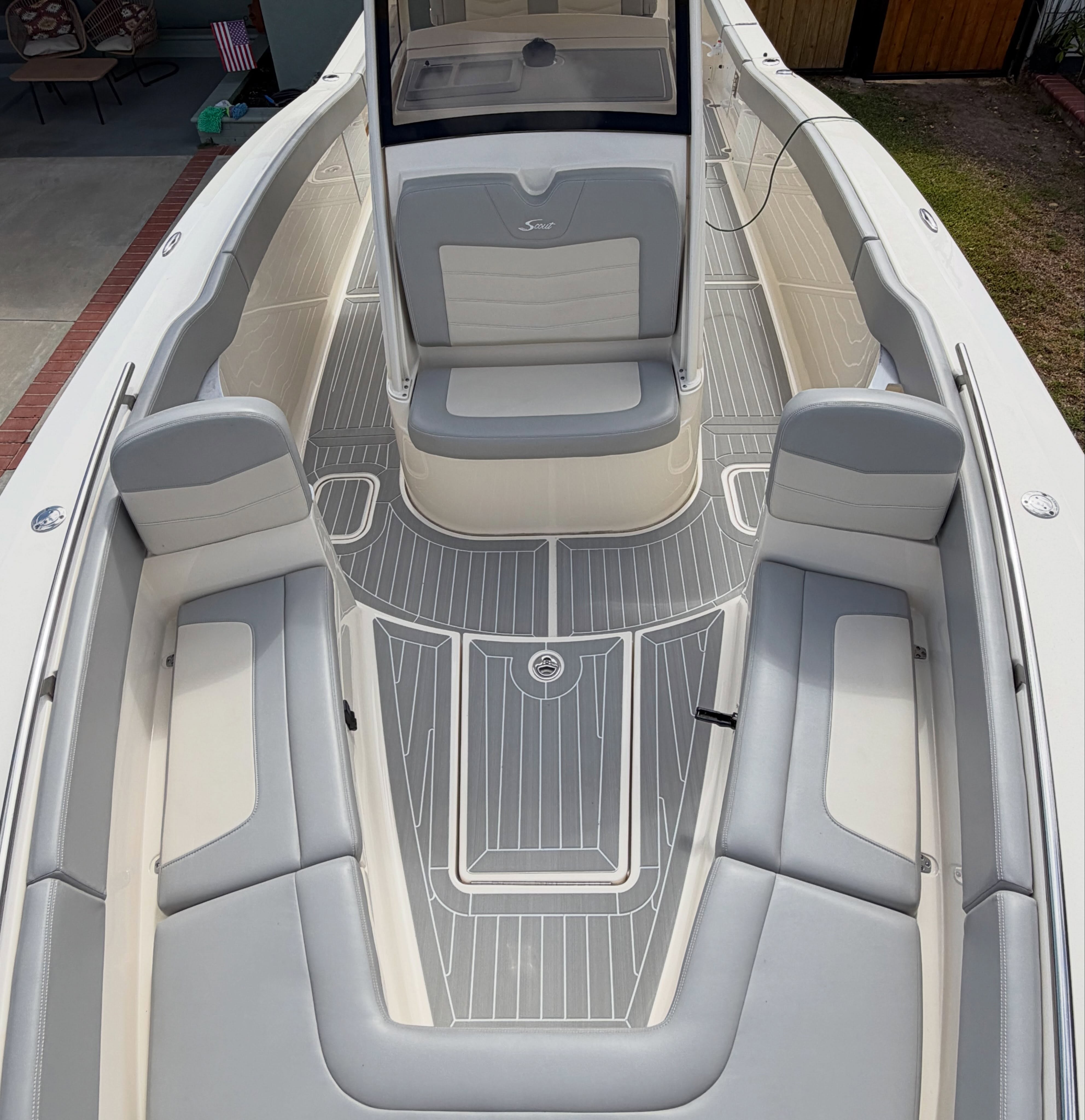
A single neutral tone can create a clean and understated look, while contrasting colors can add definition to specific areas. Darker tones may create a more integrated appearance with certain hull or trim finishes, while lighter shades can provide stronger visual contrast.
The key is not simply choosing an attractive color. It is choosing a color that works with the boat as a whole.
Modern EVA marine decking is available in a broader range of colors and combinations than traditional deck surfaces, giving boat designers, manufacturers, and owners more freedom to create a coordinated appearance.

Texture Adds Another Layer of Design
Color attracts attention first, but texture influences how a deck is perceived up close.
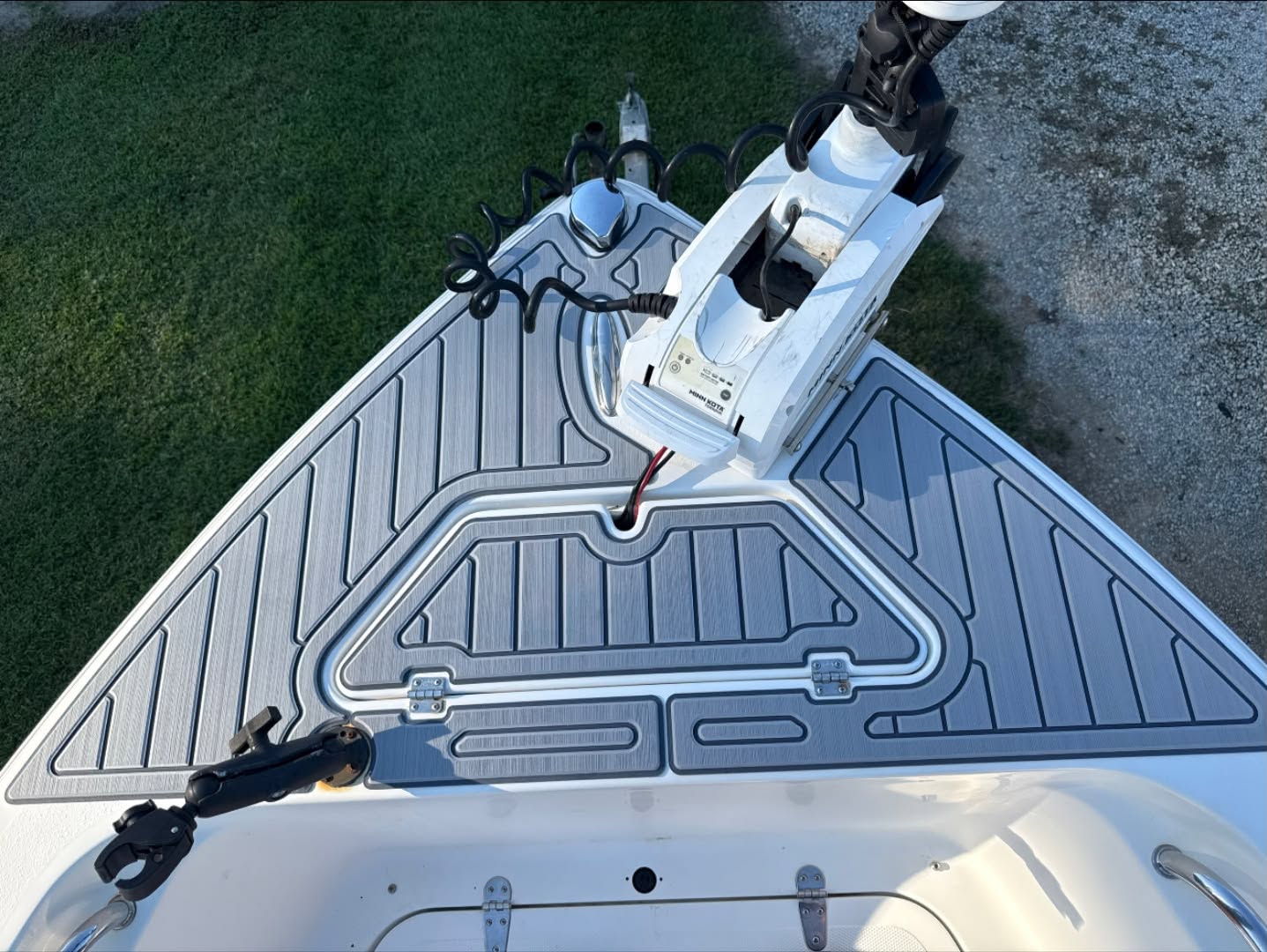
Different surface finishes can create very different visual impressions. Brushed surfaces can produce a more refined appearance, while linear or geometric patterns can introduce a stronger visual structure. Simple textures can also work well when the goal is to keep the deck understated and let other elements of the boat stand out.
For this reason, texture selection is increasingly becoming part of the design process for marine decking, rather than being treated purely as a performance consideration.
Deck Layout Can Shape the Entire Space
Material selection is only part of the equation. The arrangement of the deck pieces can have just as much impact.
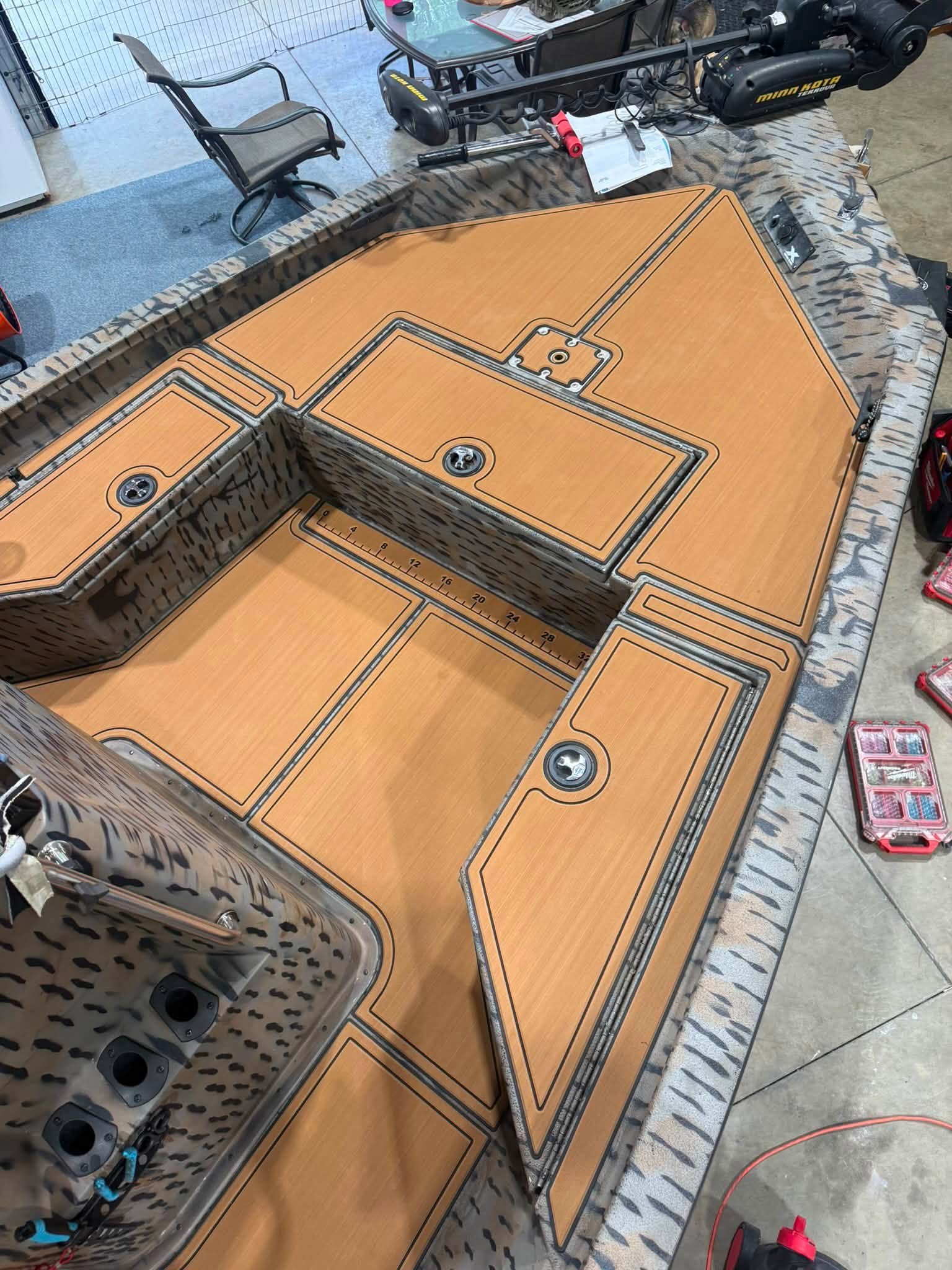
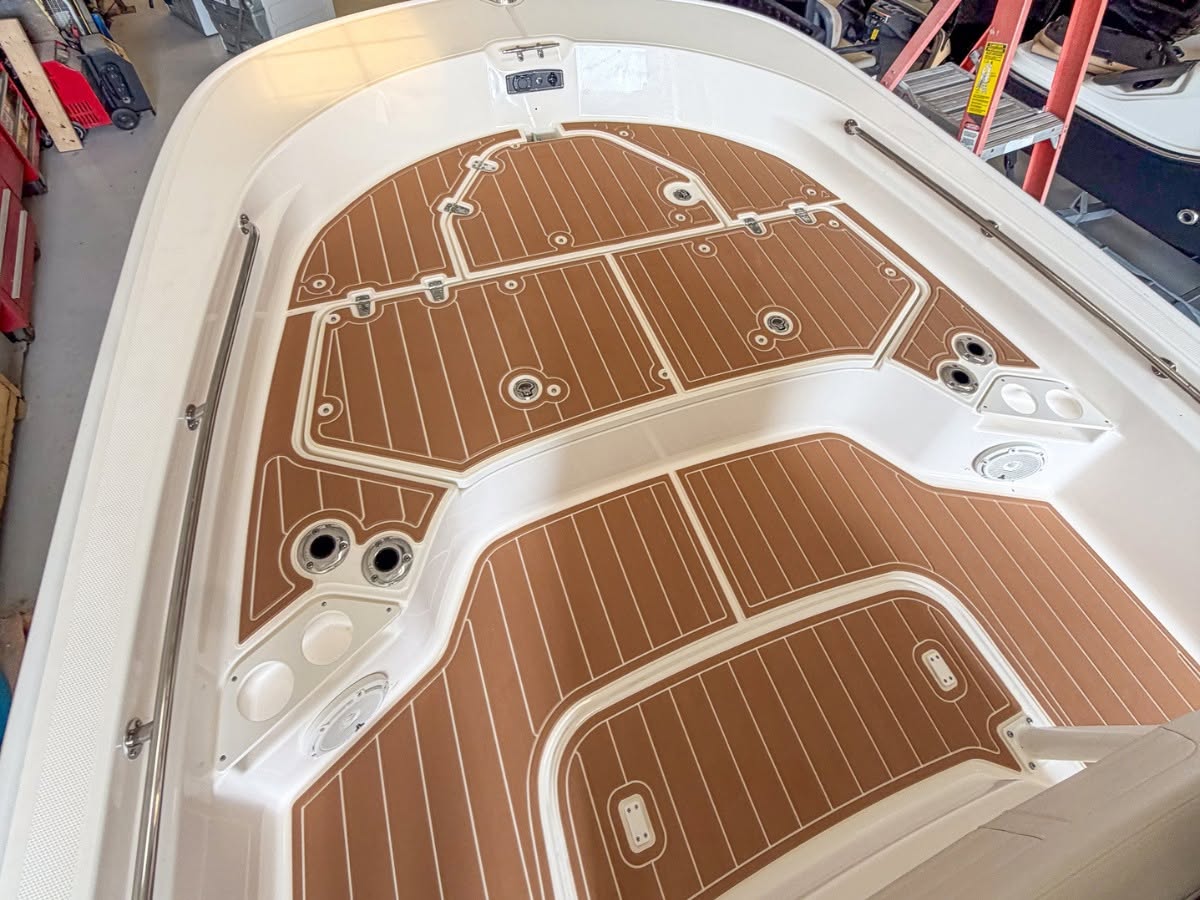
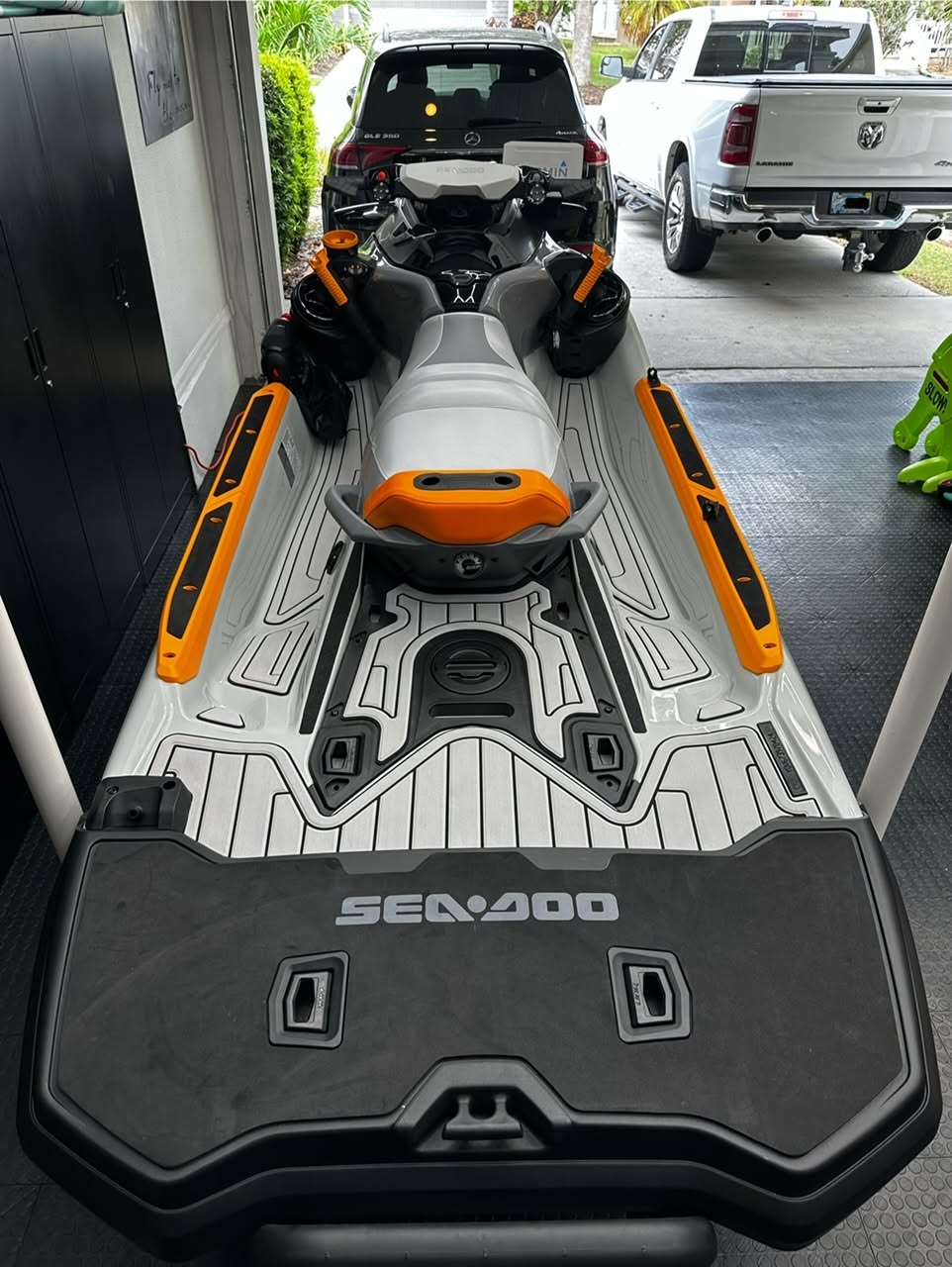
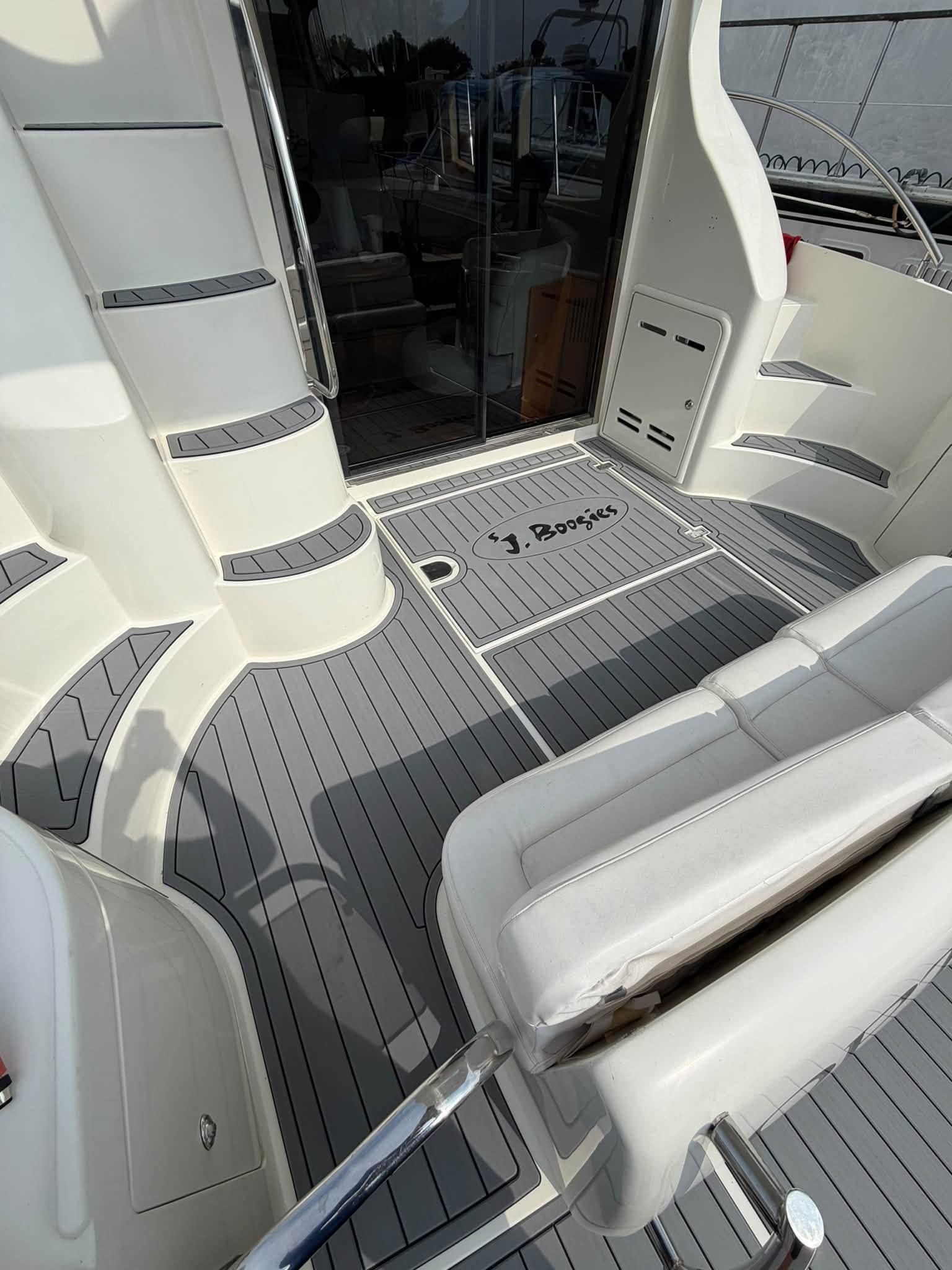
A precisely fitted deck can follow the contours of a cockpit, swim platform, step, or walkway, creating cleaner lines throughout the space. Different sections can also be visually separated through changes in color, pattern, or orientation.
This is where custom marine decking offers an important advantage over generic mats. Instead of adapting the boat to a standard product, the decking can be designed around the available space.
For boats with curved surfaces, irregular corners, storage openings, or model-specific features, a custom-fit approach can make the finished deck look much more integrated.

Function and Appearance Are Moving Closer Together
The evolution of boat decking reflects a broader shift in recreational boating: owners increasingly expect products to perform well without compromising appearance.
A deck surface may need to provide traction, underfoot comfort, resistance to moisture, and easy maintenance. At the same time, it needs to fit the visual language of the boat.
Closed-cell EVA is widely used in marine decking because it can provide a combination of cushioning, traction, and resistance to water exposure. When the material is precisely cut and coordinated with the surrounding design, its functional role becomes part of the boat’s overall visual appeal.
In other words, the best deck design does not separate appearance from usability. It considers both from the beginning.
Customization Is Becoming Part of Modern Boat Design
Personalization is also changing expectations for marine decking.
Boat owners and marine businesses may look for model-specific layouts, custom colors, logos, patterns, or combinations designed around a particular application. For manufacturers and aftermarket suppliers, this creates more opportunities to develop decking that is closely matched to a boat model rather than relying on one-size-fits-all solutions.
Technologies such as digital templating, CAD drawing, and CNC-cut EVA decking can help translate a boat’s dimensions into more precise deck layouts. This is especially valuable when accuracy and visual consistency are important.
The result is a deck that feels like part of the boat itself rather than an accessory placed on top of it.
What This Means for the Future of Boat Deck Design
As recreational boats continue to combine comfort, functionality, and personalization, deck design is likely to receive more attention.
The focus is moving beyond simply selecting a durable surface. Designers and manufacturers are increasingly considering how decking interacts with the boat’s colors, materials, layout, and intended use.
That means the future of marine decking is not only about improving traction or protecting the deck beneath it. It is also about creating a more cohesive onboard environment.
A carefully selected material, a well-planned layout, and precise customization can change the character of a boat without changing its basic structure. For modern recreational boats, the deck is no longer just something passengers stand on. It is becoming an important part of what they see, feel, and experience on board.
HZ Shark supports this approach with customizable EVA marine decking for cockpits, swim platforms, walkways, PWC applications, and other marine spaces, with options for different colors, patterns, thicknesses, and CNC-cut shapes.