


Industry News
How Boat Deck Design Is Changing With Modern Marine Lifestyles
2026-09-22
Boat deck design is evolving as recreational boating becomes more focused on comfort, flexibility, and everyday usability. Modern boat owners are no longer looking only at performance and appearance. They are also paying closer attention to how a boat feels, functions, and adapts to different activities on the water.
From cruising and fishing to watersports and family leisure, today’s marine spaces are expected to support a wider range of uses. As a result, boat deck design is becoming an increasingly important part of the overall boating experience.
From Basic Deck Space to Functional Living Areas
Traditional boat decks were often designed primarily around durability and essential movement areas. Modern recreational boats, however, are increasingly treated as social and leisure spaces.
Cockpits, swim platforms, seating areas, and walkways may serve several purposes throughout a single trip. A deck might be used for fishing in the morning, relaxing at midday, and watersports in the afternoon.
This shift is encouraging designers to focus on deck space and usability, with greater attention to surface comfort, safe movement, easy maintenance, and efficient use of available space.
Comfort Is Becoming Part of Deck Performance
A good marine deck does more than provide a stable surface. It also influences how comfortable people feel while standing, sitting, walking, or moving around the boat.
Material selection therefore plays a larger role in modern marine decking. Boat owners increasingly look for surfaces that provide reliable traction while offering a more comfortable feel underfoot.
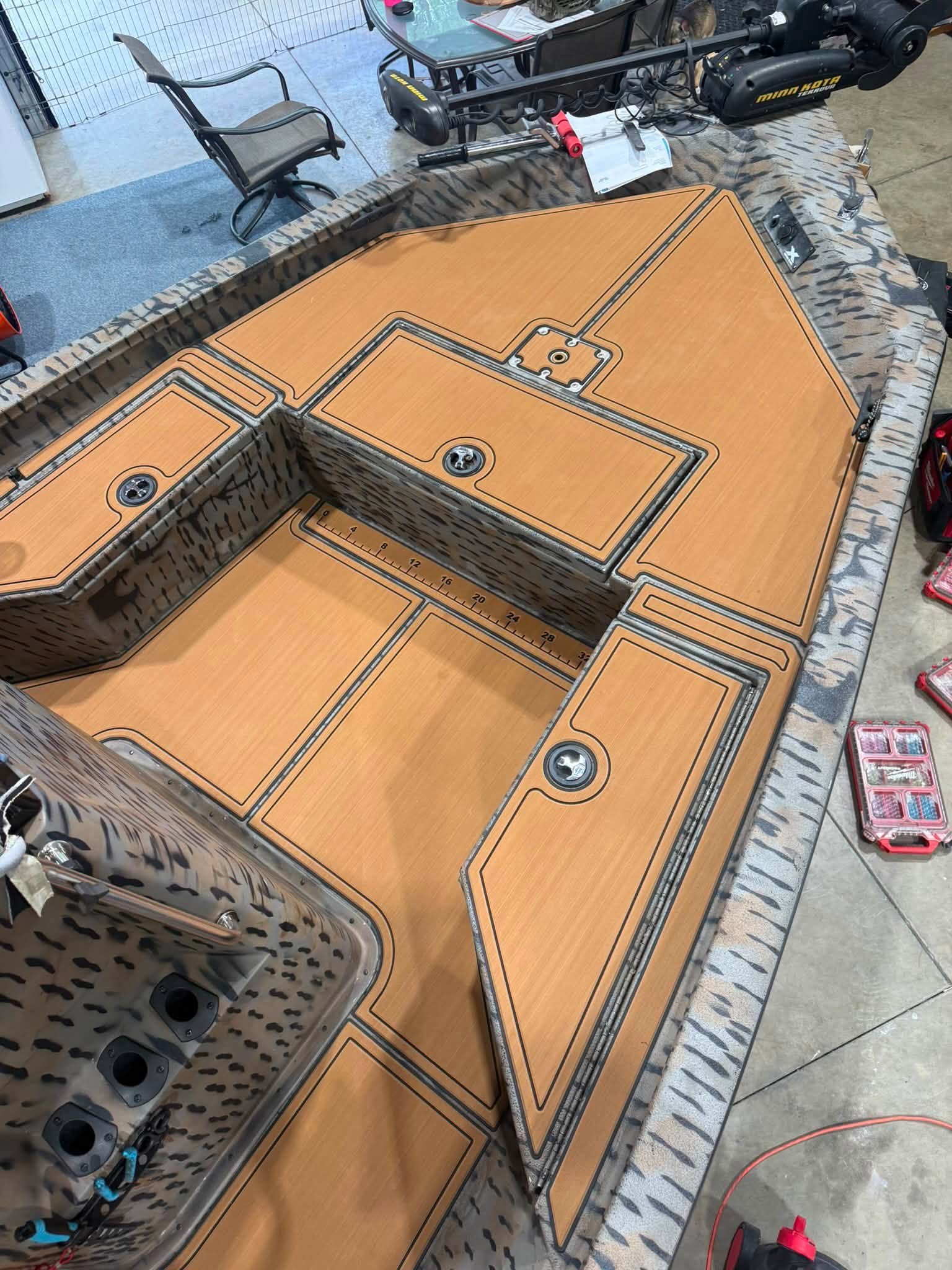
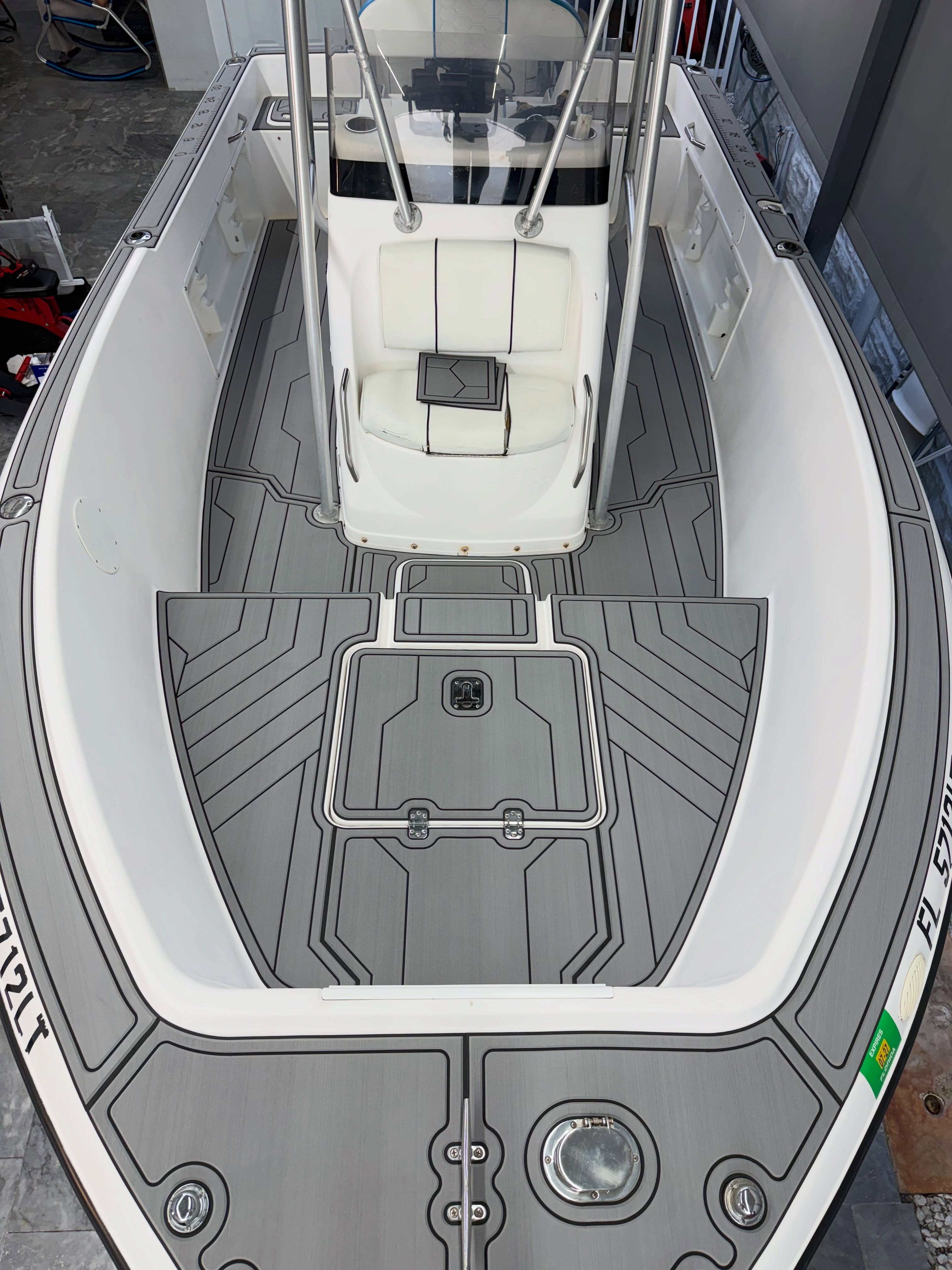
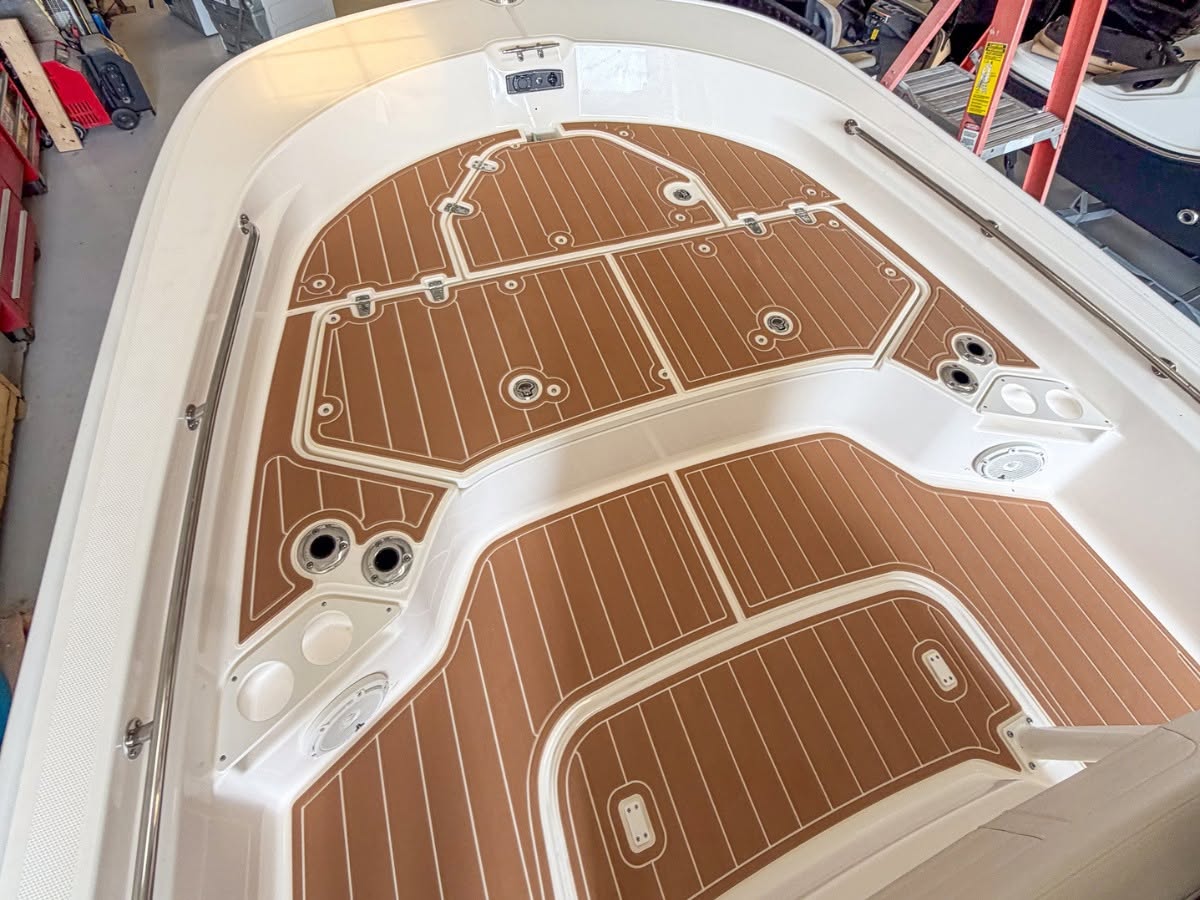
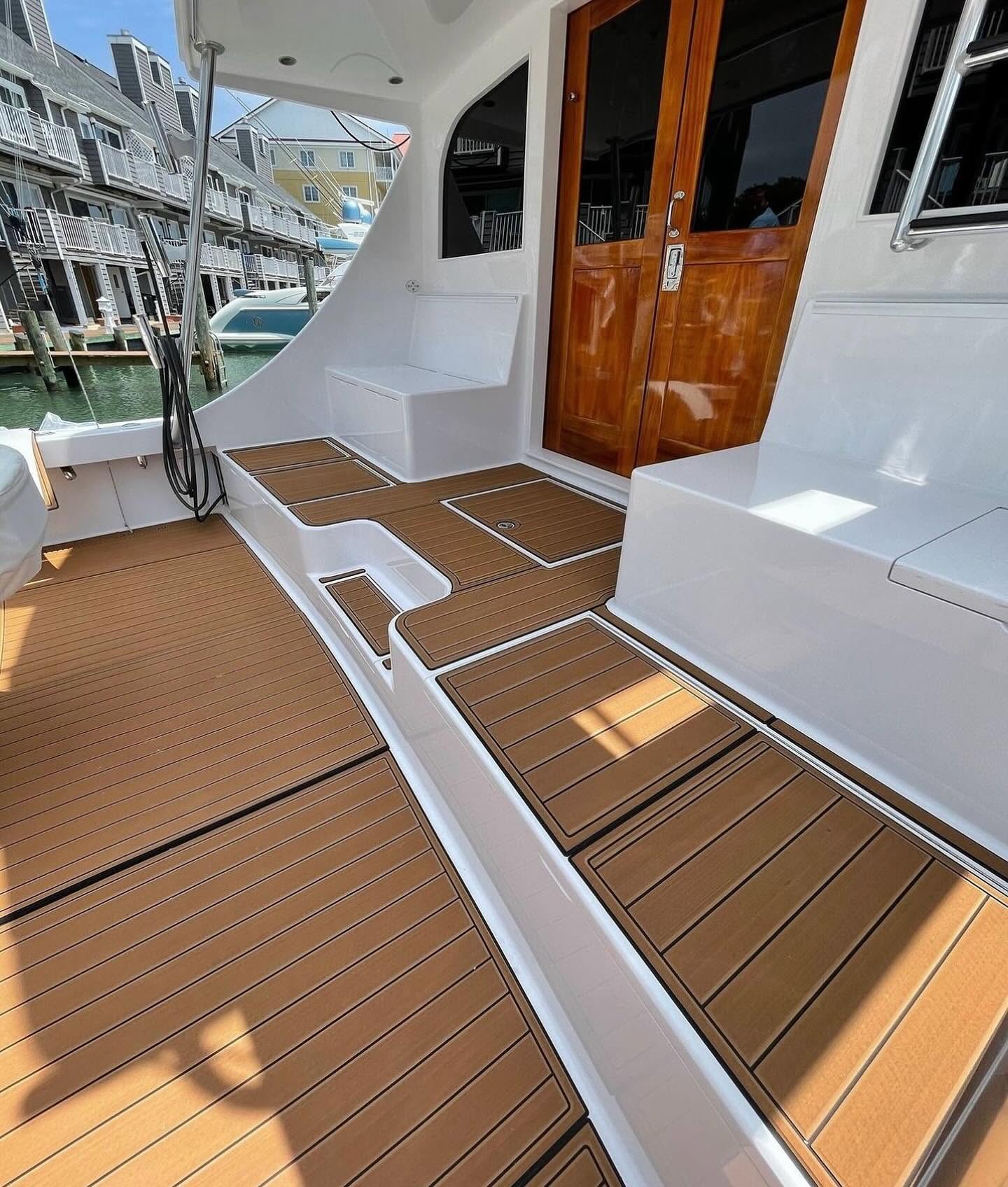
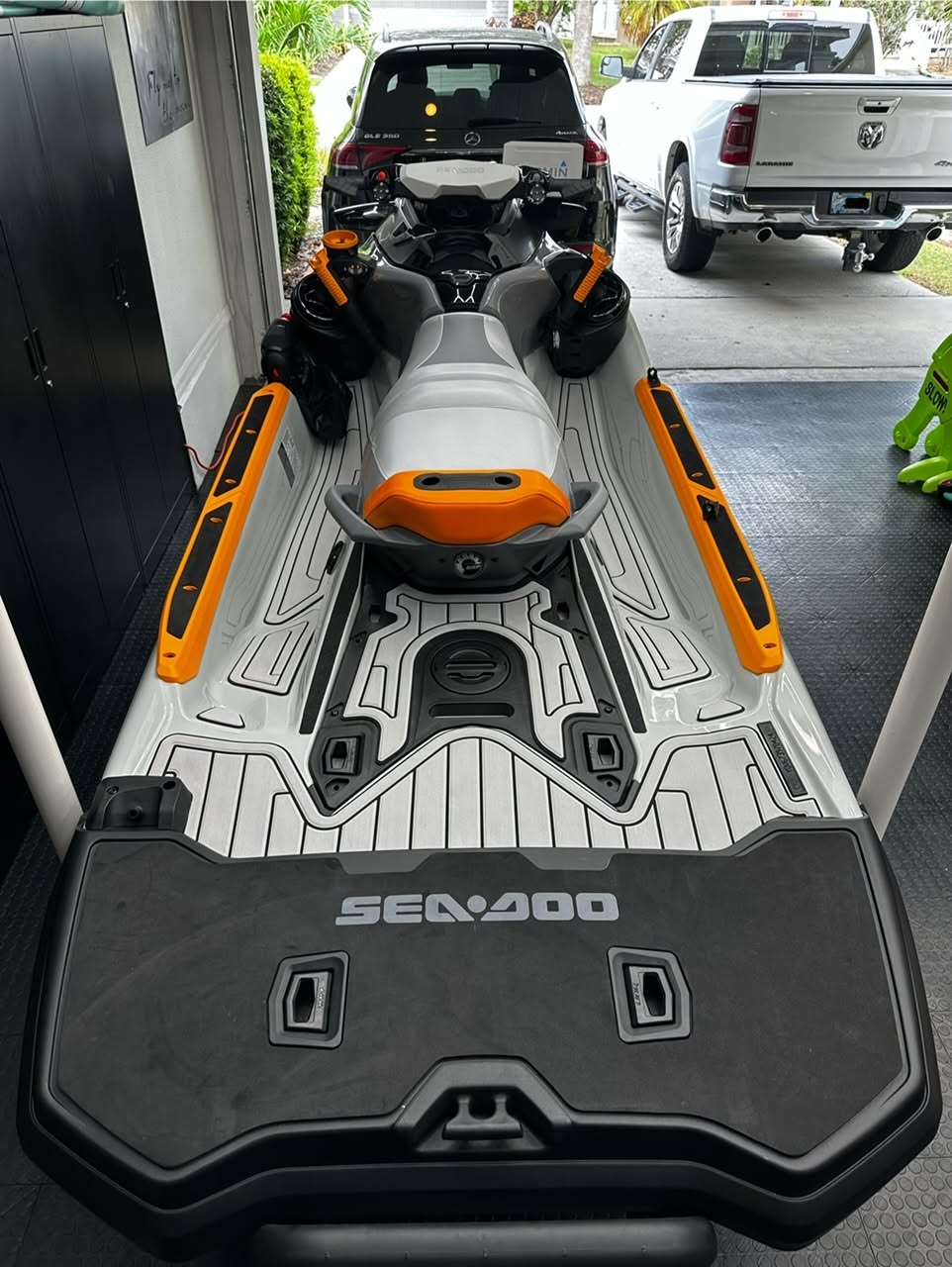
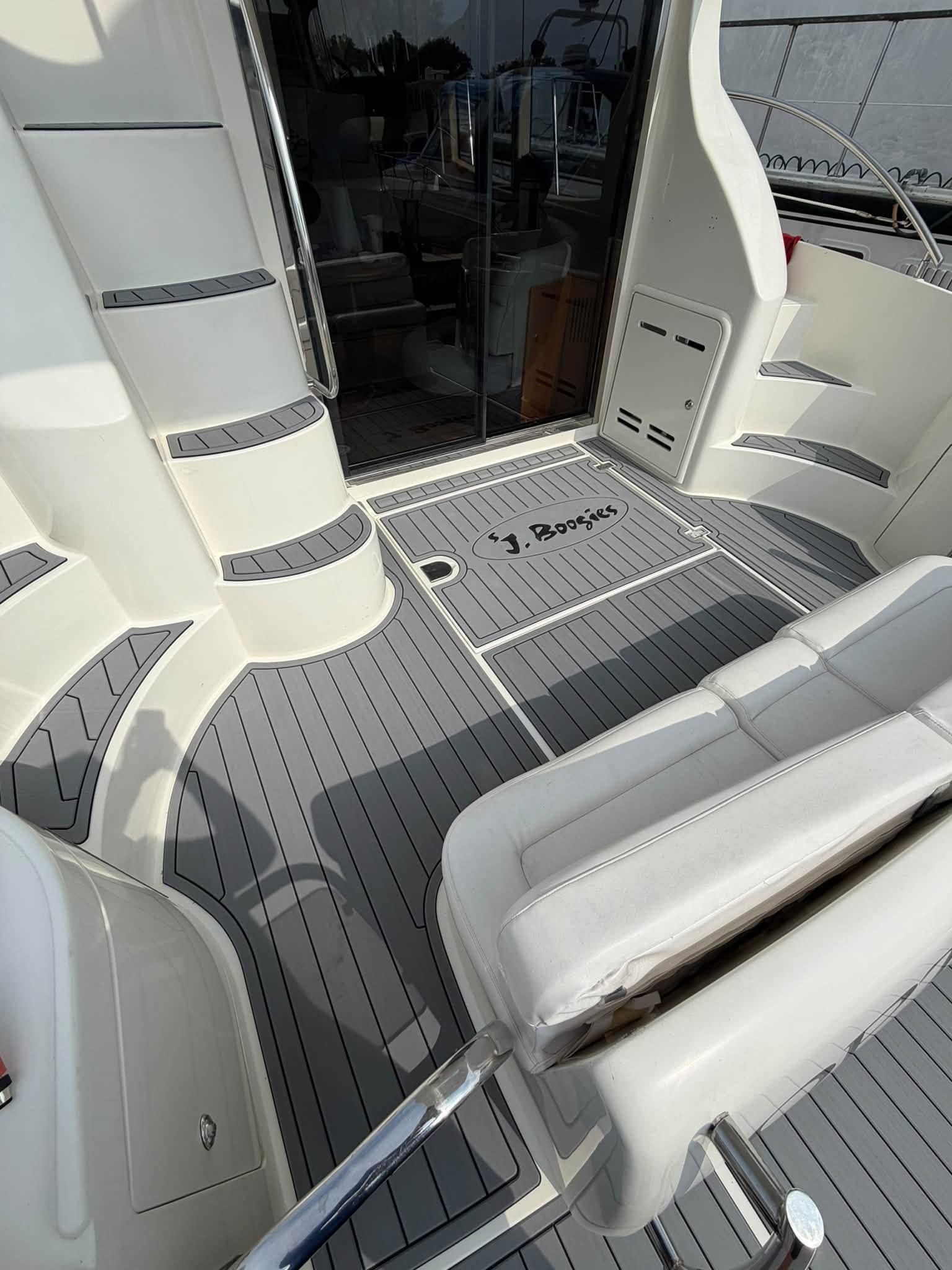
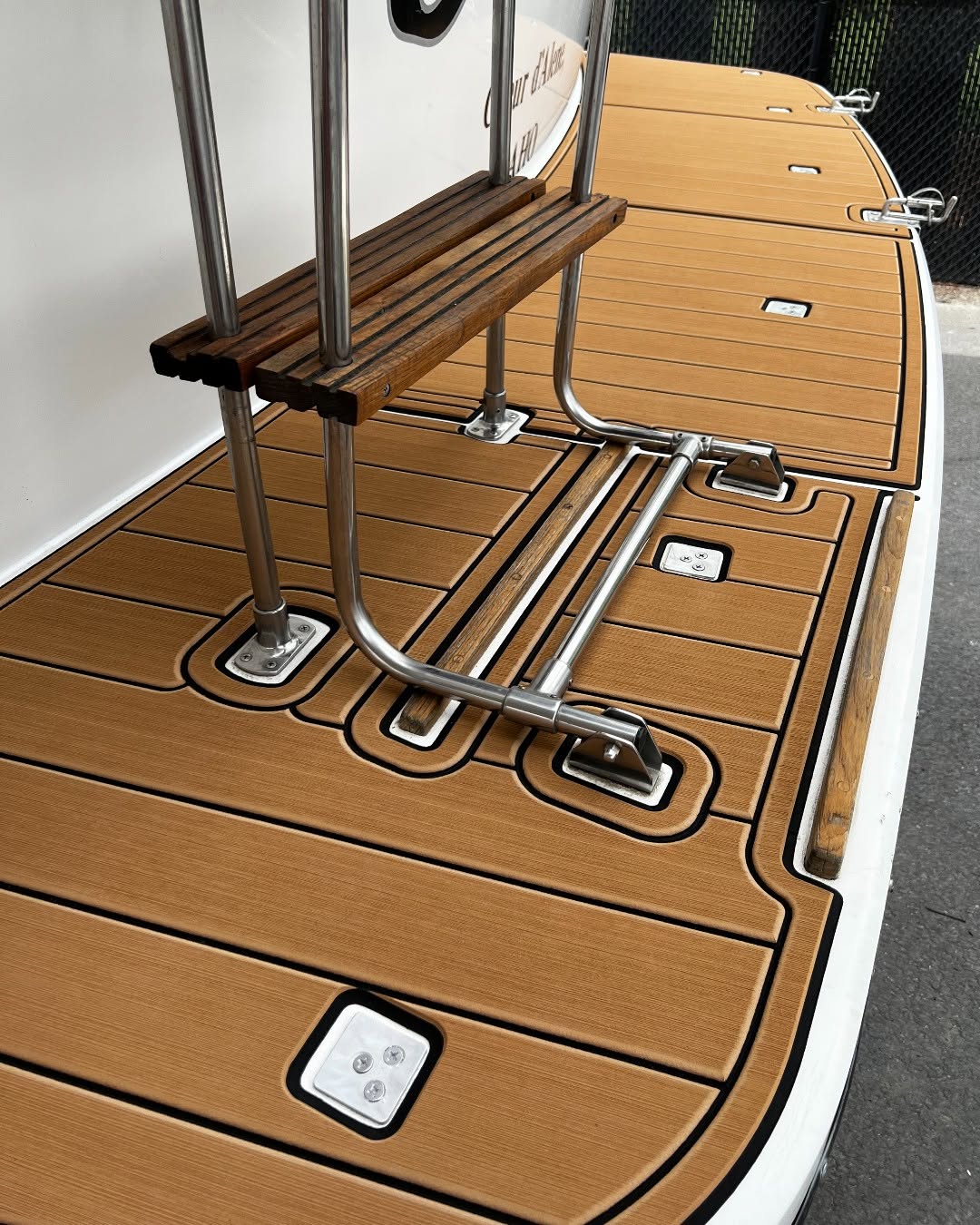
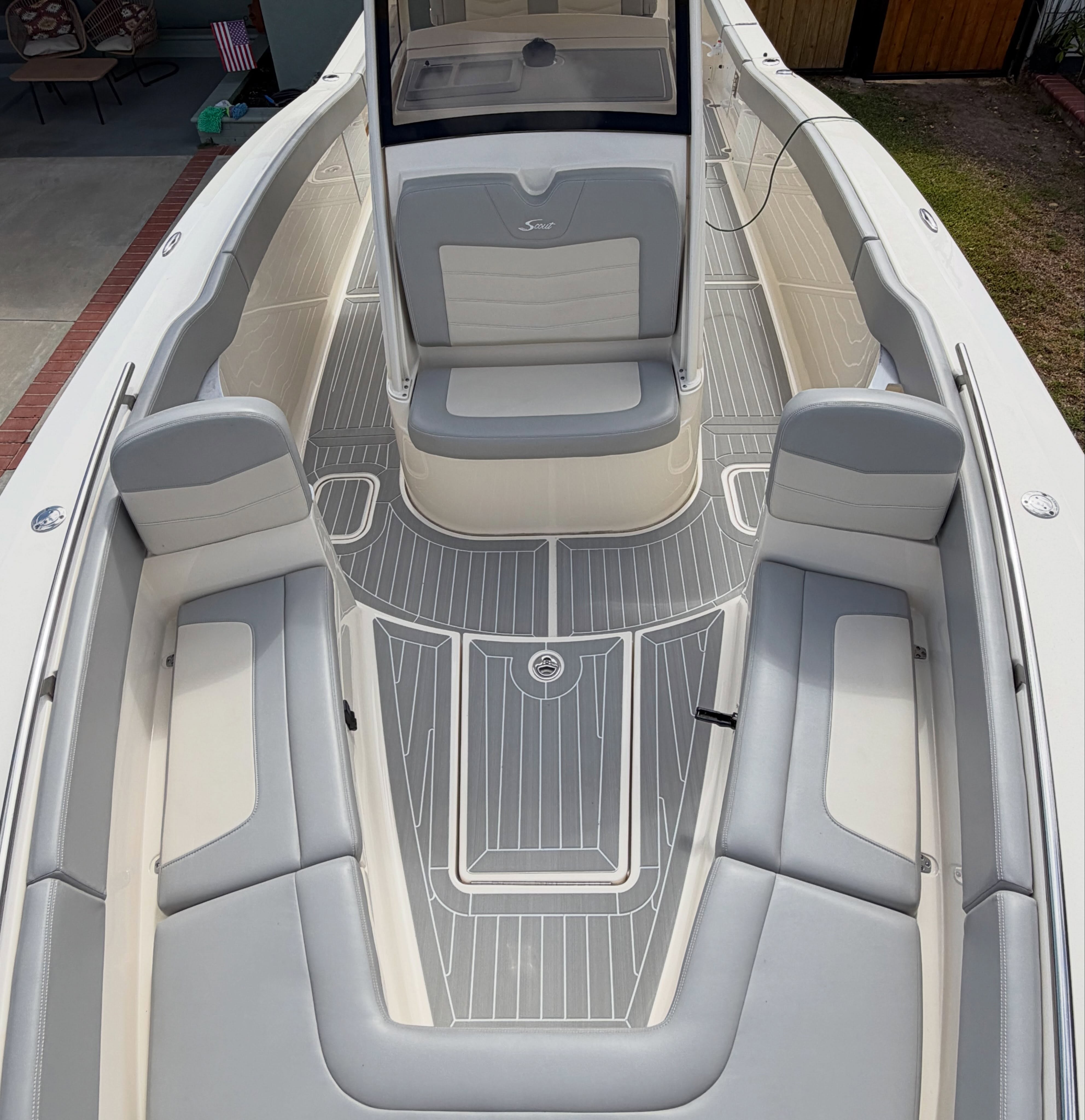
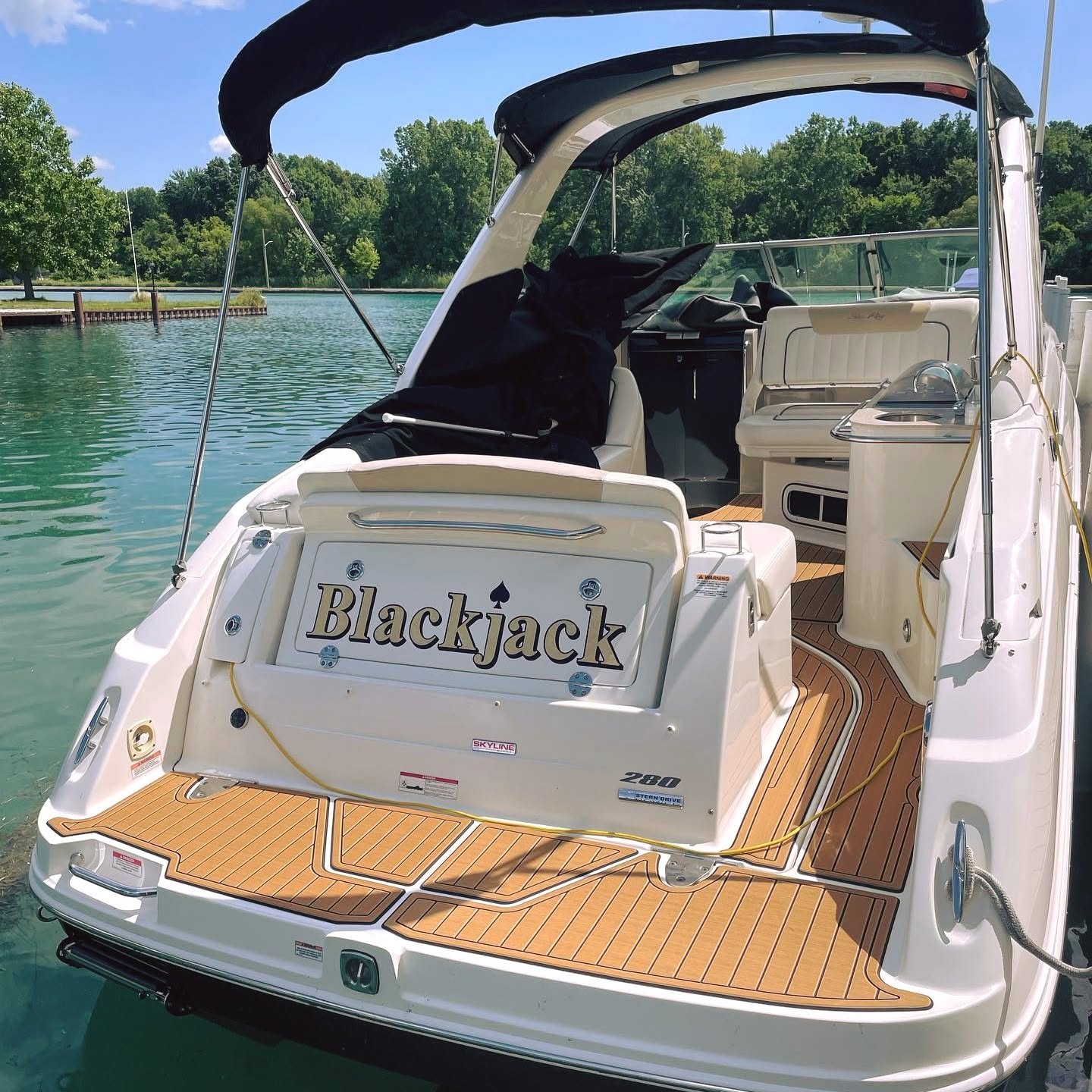
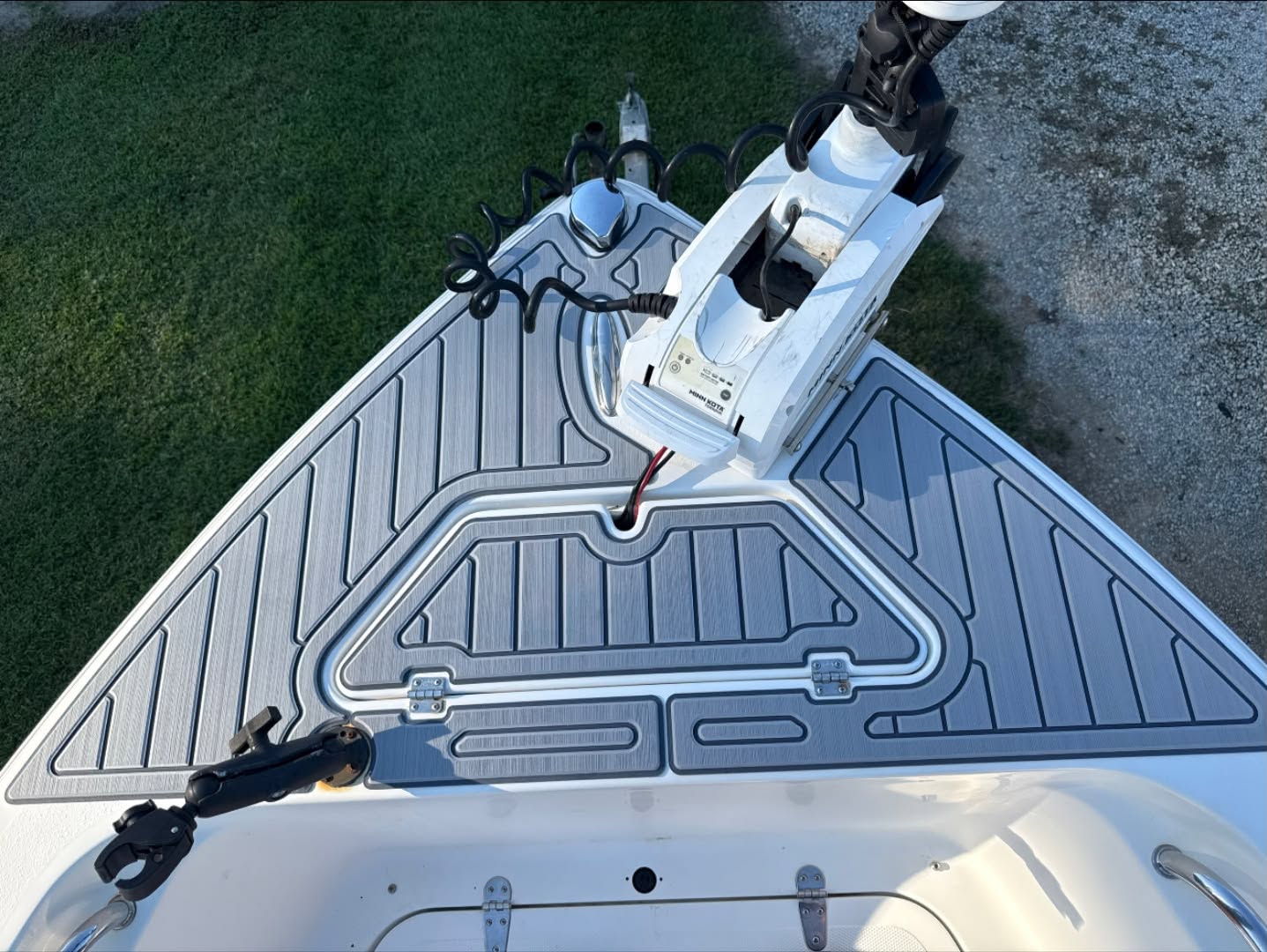
Closed-cell EVA materials are one example of how decking solutions are adapting to these expectations. EVA boat decking can provide a combination of cushioning, slip resistance, water resistance, and low-maintenance performance, making it suitable for a variety of recreational marine applications.

Personalization Is Reshaping Marine Decking
Another major development is the growing demand for personalization. Boat owners want their vessels to reflect their own preferences rather than follow a completely standardized design.
This can involve color, texture, pattern, thickness, logos, and model-specific cutting. Custom marine decking allows surfaces to be designed around specific boat layouts while also contributing to a more cohesive visual appearance.
For manufacturers and marine professionals, this creates new opportunities to combine functionality and design customization without compromising practical performance.
Materials Must Balance Performance and Appearance
Modern boat deck design increasingly requires materials to perform in demanding outdoor environments while maintaining a refined appearance.
Marine decking is regularly exposed to water, sunlight, salt spray, dirt, and repeated foot traffic. This makes durability and resistance to environmental conditions important considerations during material selection.
At the same time, appearance remains an important part of the overall design. Surface textures and patterns can help define different areas of a boat and create a more finished look. This is why contemporary decking solutions are increasingly designed to balance durability, comfort, safety, and aesthetics.

Designing for More Ways to Use a Boat
Modern marine lifestyles are also making versatility more important. A boat may be used for fishing, cruising, entertaining, family recreation, or watersports, sometimes within the same day.
This means deck surfaces need to support different activities without adding unnecessary complexity. Practical details such as traction, water resistance, surface comfort, cleaning requirements, and custom fit can have a noticeable impact on everyday usability.
As recreational boating continues to evolve, these considerations are likely to play a larger role in how manufacturers, designers, and boat owners approach boat deck design.
Looking Ahead
The future of marine decking is not simply about choosing a more durable surface. It is about creating deck spaces that better reflect how people actually use their boats.
Comfort, functionality, personalization, and visual consistency are becoming increasingly connected. As these expectations continue to develop, modern boat deck design will likely place greater emphasis on materials and surfaces that can support both performance and lifestyle.
For today’s recreational boating market, the deck is no longer just part of the boat. It is becoming an important part of the experience itself.