

- Home
- Products
- About Us
- Application
- Custom
- News
- Contact Us
Leave Your Message
-
Contact Email
Precision-engineered closed-cell EVA and co-polymer PE cushioning platforms designed for tournament fishing vessels, offshore center consoles, and recreational boats.
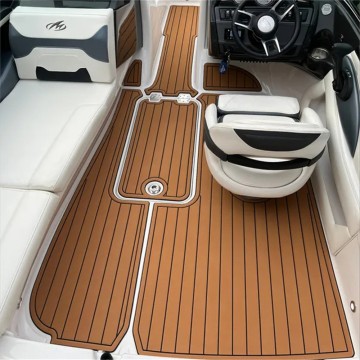
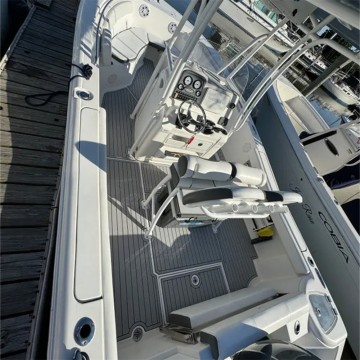
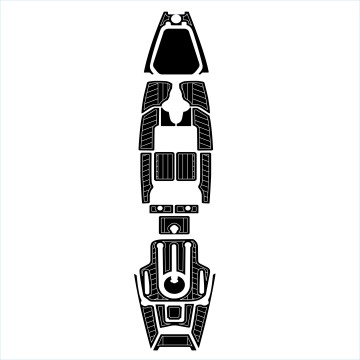
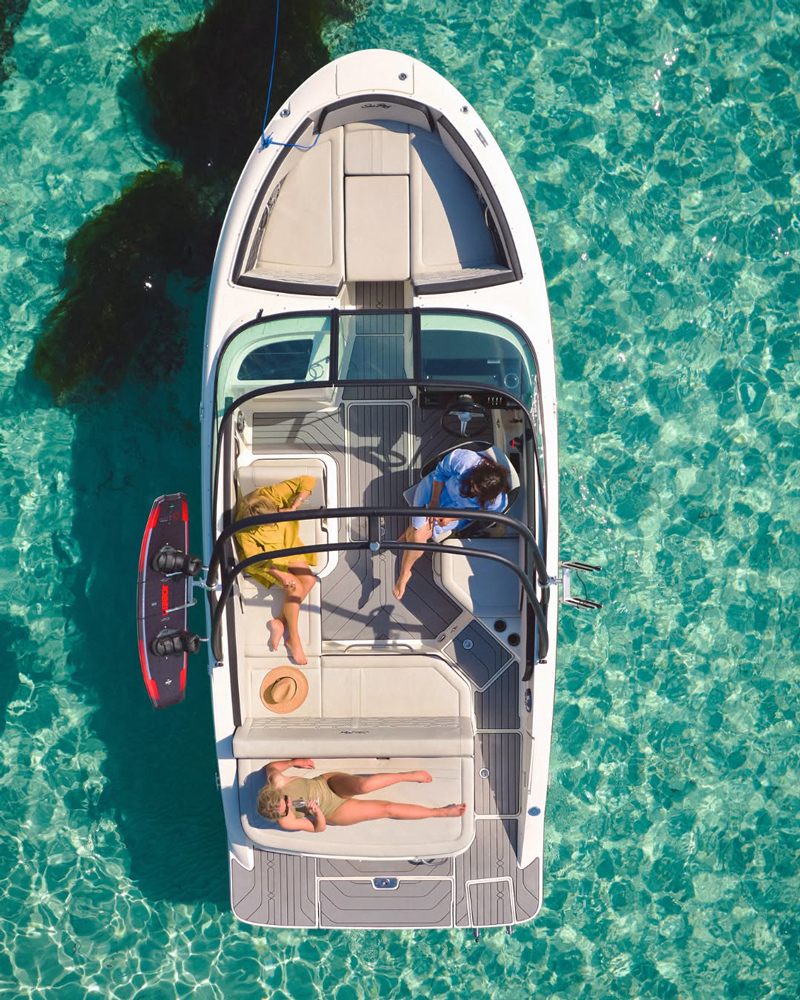
The global marine industry has transitioned dramatically from rigid fiberglass, gelcoat, and high-maintenance natural teak toward advanced closed-cell synthetic co-polymers. In modern sportfishing vessels, center consoles, and offshore commercial workboats, the helm station serves as the epicentre of navigational operations. Standing for 8 to 14 consecutive hours while pounding through heavy chop, offshore swells, and repetitive wave impacts generates acute biomechanical fatigue across the skipper's lumbar spine, knees, and ankles.
Consequently, fishing boat helm pad cushioning has evolved from an aftermarket luxury into an indispensable OEM component. Today’s naval architects and boat builders prioritize high-density microcellular Ethylene-Vinyl Acetate (EVA) and Cross-Linked Polyethylene (XLPE) composite pads. These specialized materials are scientifically engineered to attenuate high-frequency wave vibrations, dampen hull slam accelerations, and deliver uncompromising non-skid traction in blood, slime, seawater, and oil exposure.
Modern helm pad manufacturing harnesses 3D laser digitizing and CNC robotic routing. By integrating high-resolution topographical hull scans directly into automated multi-axis routing platforms, manufacturers achieve millimeter-perfect edge beveling, bespoke fish scales, topography maps, and dual-color lamination aesthetics that seamlessly integrate with contemporary vessel styling.
Understanding the polymer physics behind high-rebound closed-cell EVA, cross-linked PE blends, and multi-durometer composite lamination.
Combining a high-density (55–65 Shore C) top traction skin with an ultra-plush, shock-absorbing (35–45 Shore C) lower layer. This dual-durometer architecture distributes point-load pressure while maintaining firm lateral stability during aggressive vessel maneuvering.
Unlike open-cell sponges that absorb seawater and harbor organic bacterial decay, closed-cell EVA/PE copolymers retain zero moisture (
Formulated with specialized hindered amine light stabilizers (HALS) and antioxidant additives. Deck pads undergo 3,000+ hours of accelerated QUV weathering tests to prevent color fading, thermal deformation, and surface embrittlement in equatorial maritime zones.
Heavy outboard motors, twin diesels, and onboard generators transmit constant structural vibrations through the deck floor. High-loss microcellular polymer foams act as acoustic decouplers, dramatically reducing low-frequency resonance at the helm console.
Surface topologies including thermo-embossed brushed grain, diamond knurling, hexagonal micro-grooves, and directional laser siping yield a high dynamic friction coefficient (μ > 0.85), preventing slips even under wet, slimy tournament conditions.
Factory-laminated with industry-benchmark marine acrylic adhesives (such as 3M 9775WL). The high-tack transfer adhesive forms an indestructible cross-linked molecular bond with gelcoat, raw fiberglass, or powder-coated aluminum surfaces.

Our marine-grade EVA mats are specially developed for all types of boats, including yachts, speedboats, fishing boats and jet skis. Covering full deck paving, helm console pads, boat side fender bumpers and cockpit foot mats, the high-friction EVA material avoids slipping on wet decks. It resists seawater corrosion, high temperature and long-term sun exposure, maintaining stable service life in all marine environments. Ideal for shipyards, marine accessory shops and boat gear retailers.
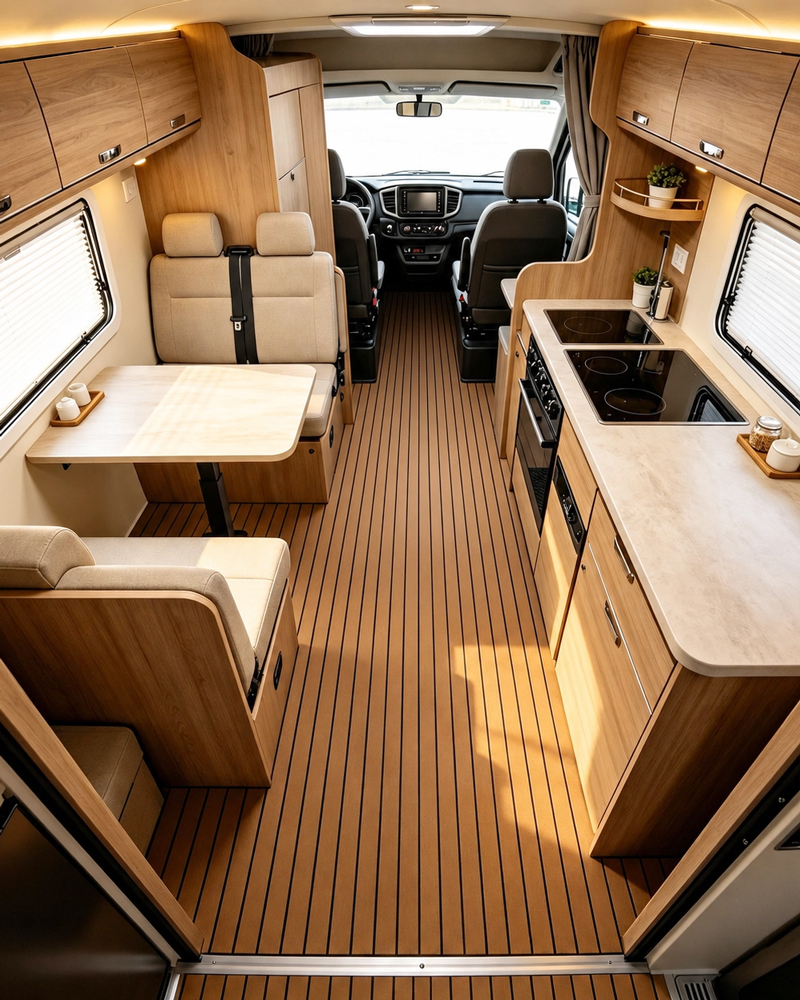
Multi-scene EVA mats for RV and outdoor recreation use, including RV step pads, caravan partial floor mats, golf cart foot mats and outdoor hot tub surrounding mats. The cushioning foam delivers comfortable foot feel, while outstanding weather resistance adapts to long-term outdoor exposure. Flexible small trial orders are available for RV suppliers, golf cart dealers and outdoor lifestyle retailers.

Professional surf traction pads made of high-density closed-cell EVA foam. With adjustable grain texture and customized cutting outlines, the pads deliver strong grip for surfboards, paddle boards and wakeboards. Soft yet tough, they won’t fall off after long-time soaking in seawater. We provide small-batch OEM & ODM services for water sports gear brands and outdoor leisure distributors.
Dedicated anti-slip top mats for fishing coolers, tackle boxes and fishing accessories. The textured EVA surface stops fishing rods, lures and gear from sliding during boating. Waterproof and stain-resistant, it’s easy to clean after fishing trips. We offer custom sizing, engraved fish rulers and brand logo printing, perfectly catering to fishing supply stores and outdoor fishing equipment sellers.
Rigorous laboratory verification under ASTM, ISO, and marine qualification standards ensures superior operational longevity.
| Physical / Chemical Property | Testing Standard | Marine Grade EVA / XLPE Helm Foam | Standard Vinyl / Rubber Matting |
|---|---|---|---|
| Foam Density | ASTM D3575 | 140 – 180 kg/m³ (Optimized for Shock Dissipation) | 350 – 600 kg/m³ (Excessively Dense, Poor Cushioning) |
| Shore Hardness | ASTM D2240 | Dual-Layer: 55C (Top Skin) / 38C (Sub-Layer) | 70A – 85A (Rigid, Minimal Impact Absorption) |
| Tensile Strength & Elongation | ASTM D412 | Tensile: > 1.8 MPa | Elongation: 180% - 220% | Tensile: 0.8 MPa | Elongation: 80% |
| Water Absorption (Volume %) | ASTM D1056 | < 0.08% (Impervious Hermetic Closed-Cell) | 3.5% - 12% (Open Pores, Waterlogged Decay) |
| UV Degradation Resistance | ASTM G154 (3000 Hrs QUV) | Delta E < 2.0 (No Fading, No Chalking, No Shrinking) | Delta E > 8.5 (Severe Yellowing, Surface Cracking) |
| Wet Kinetic Friction Coefficient | ASTM C1028 | μ > 0.88 (Superior Non-Skid with Fish Slime/Brine) | μ < 0.42 (Extremely Hazardous When Wet) |
| Peel Adhesion to Gelcoat | ASTM D903 (3M Acrylic) | > 28 N/25mm (High Shear Resistance Against Delamination) | 10 N/25mm (Prone to Edge Peeling & Curling) |
From tournament offshore battlewagons to shallow water poling skiffs, custom cushioning transforms the operational environment.
Running 50+ knots through 4-to-6 foot seas exerts massive G-force shockwaves onto the helmsman. Custom 16mm–20mm thick dual-layer helm pads absorb peak dynamic load spikes, safeguarding the lower back and knees during tournament runs.
Stealth is paramount when stalking redfish, bonefish, and permit. Closed-cell EVA poling platform and helm pads eliminate hull slap echo and foot thuds, preventing acoustic vibration transmission through the water column.
Captains spend hundreds of hours standing high above the roll axis of 60-foot convertibles. Engineered helm pads mitigate rotational fatigue, providing unmatched comfort during long blue marlin trolling sessions.
High-speed chop navigation across large reservoirs causes severe foot strain. Precision cut console mats insulate against icy aluminum deck chill in spring and scorching hot fiberglass in summer.
Heavy-duty marine work environments require extreme abrasion resistance. XLPE microcellular formulations withstand continuous contact with salty boots, fish processing waste, and heavy tackle gear without tearing.
CNC customizable sheet stock allows DIY boaters and custom marine upholstery shops to easily template, bevel, laser engrave, and adhere fresh helm pads over worn, chalked, or cracked nonskid fiberglass.
Unlike budget deck pads manufactured via low-cost chemical adhesives prone to thermal delamination, our premium marine decking materials utilize advanced solventless thermal bonding. The co-extruded colors and densities fuse under strict temperature and pressure profiles, creating a permanent molecular cohesion that never separates in extreme 120°F (49°C) surface heat.
Equipped with high-frequency multi-tool CNC routers, laser surface sipe cutters, and computerized optical measurement systems, our fabrication process guarantees edge bevels from 30° to 60°. This prevents tripping hazards while creating a sleek, factory-finished transition to the fiberglass cockpit deck.
Marine EVA and PE closed-cell helm pads require zero seasonal oiling, sanding, or chemical sealing. Routine washing with standard marine wash-and-wax soaps or mild degreasers restores the vibrant appearance instantly. The long-term return on investment is proven through saved labor hours, preserved factory gelcoat resale value, and unmatched crew comfort.
Explore our full line of custom-machined anti-slip closed-cell pads, helm cushioning systems, and watercraft deck kits.
Next-generation innovations focus on circular bio-based feedstocks, solar-reflective thermal pigments, and intelligent tactile feedback.
As international maritime regulatory bodies intensify environmental scrutiny, the synthesis of closed-cell marine deck foam is adopting sugarcane-derived ethylene and recycled ocean-bound polymers. These eco-advanced formulations retain all crucial mechanical damping properties, tensile resilience, and chemical resistance while cutting carbon footprints by over 35% compared to legacy petroleum foams.
Simultaneously, thermal management technology is advancing rapidly. Infrared-reflective micro-pigments embedded in dark-colored deck pads (such as charcoal, teak, and midnight blue) drop surface temperatures by up to 25°F (14°C) under direct tropical sunlight, ensuring bare-foot comfort during prolonged offshore expeditions.
Leading boat manufacturers globally now design console ergonomics around tailored helm pad cushioning systems. By supplying shipyards with custom-machined, pressure-sensitive kits matched to unique hull CAD files, assembly line efficiency is boosted while delivering unmatched end-user satisfaction.
Whether navigating severe offshore swells or casting from calm coastal flats, specialized marine deck materials for fishing boat helm pad cushioning deliver the ultimate fusion of biomechanical protection, high-traction safety, and long-lasting aesthetic appeal.