In-Depth Application Scenarios: Where High-Performance Decking Excels
Marine environments impose diverse structural, thermal, and chemical burdens on deck surfaces depending on specific vessel topologies and operational mission profiles. Analyzing how specialized marine decking serves these distinct sectors demonstrates why custom refits have become essential across the recreational, tournament fishing, and commercial fleet landscapes:
1. Offshore Tournament Angling & Center Consoles
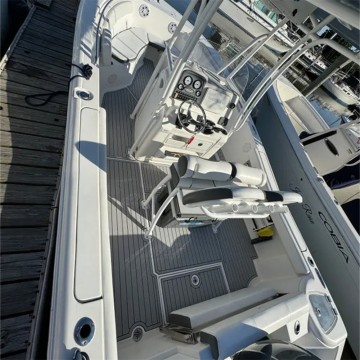
In offshore game fishing, the cockpit sole is continually subjected to rigorous washdowns, high-salinity exposure, blood splatter, tackle impact, and violent vessel pitching. Traditional fiberglass diamond molded decks quickly become slick when coated in fish slime, presenting a substantial safety hazard. Closed-cell EVA foam engineered with brushed or micro-embossed micro-textures delivers superior dynamic coefficient of friction (DCOF) even when submerged. Furthermore, integrated biological resistance prevents blood and foul bait odours from curing within the polymer chains, allowing effortless power-wash restoration at the end of every trip.
2. Luxury Motoryachts, Catamarans & Swim Platforms
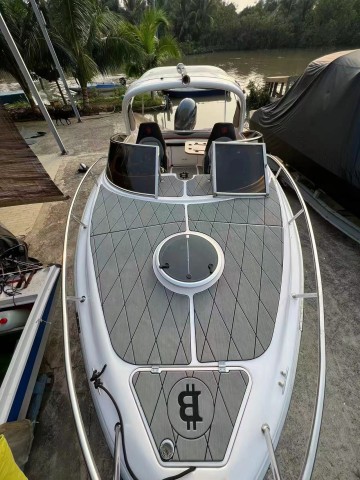
Yacht owners seeking deck upgrades focus on foot comfort, noise abatement, and aesthetic cohesion. Multi-layered dual-density foam assemblies dampen mechanical powertrain hum and acoustic chop reverberation through the hull sole. On expansive teak swim steps and beach club decks, synthetic materials offer the timeless elegance of classic plank lines or custom herringbone geometries without scorching guests' bare feet under mid-day tropical sun.
3. Personal Watercraft (PWC) & High-Octane Jet Skis
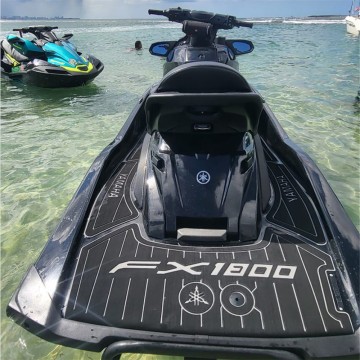
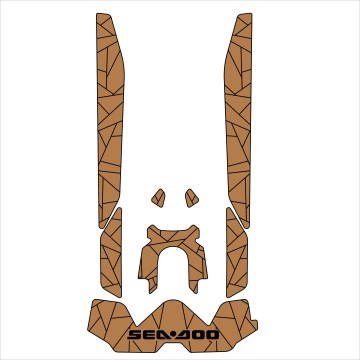
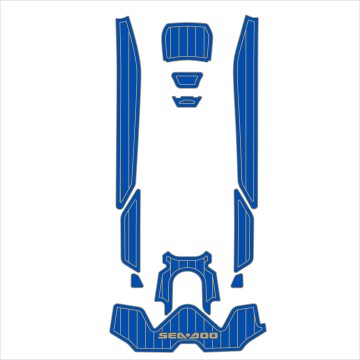
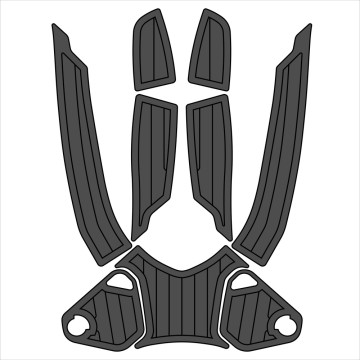
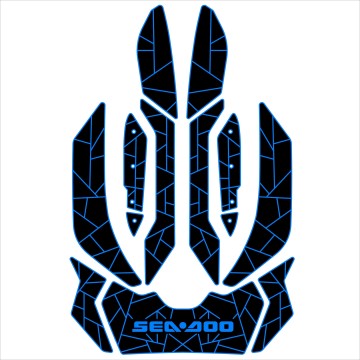
PWCs experience extreme centrifugal G-forces, rapid changes in direction, and continuous water inundation. Stock factory rubber mats degrade, shrink, and peel within seasons. High-tack 3M acrylic adhesive backed CNC-routed traction pads secure aggressive foothold in footwells, gunwales, and re-boarding steps, mitigating pilot slippage during high-speed carving.
4. Modular Floating Docks, Marinas & Commercial Boarding Gangways
Commercial marine infrastructure requires impact-dampening flooring capable of withstanding heavy pedestrian footfall, luggage rolling, and UV degradation. Applied to aluminum or rotomolded floating platforms, non-slip marine deck materials reduce falls, cushion knees during tender mooring, and shield structural substrate from abrasive scratches.
 Marine Decking & Custom Kits
 Yacht Decking
 Fishing Boat Decking
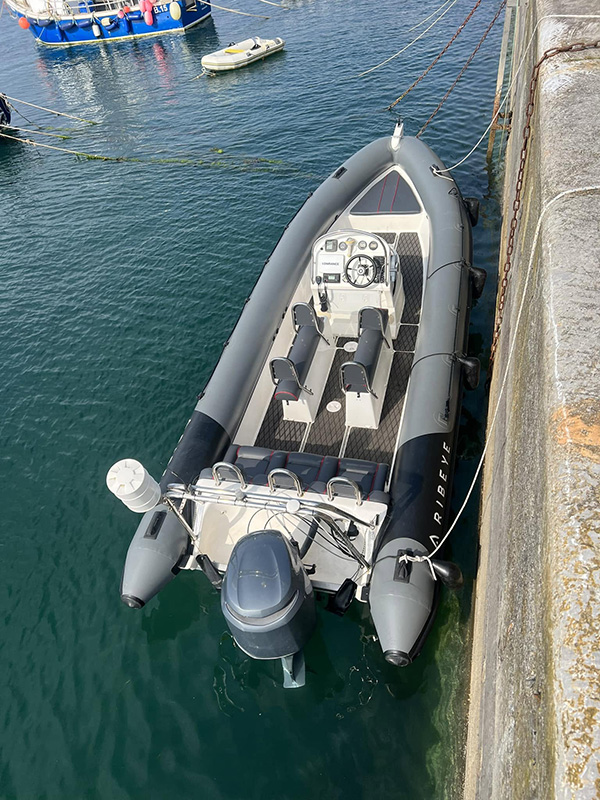 RIB Decking
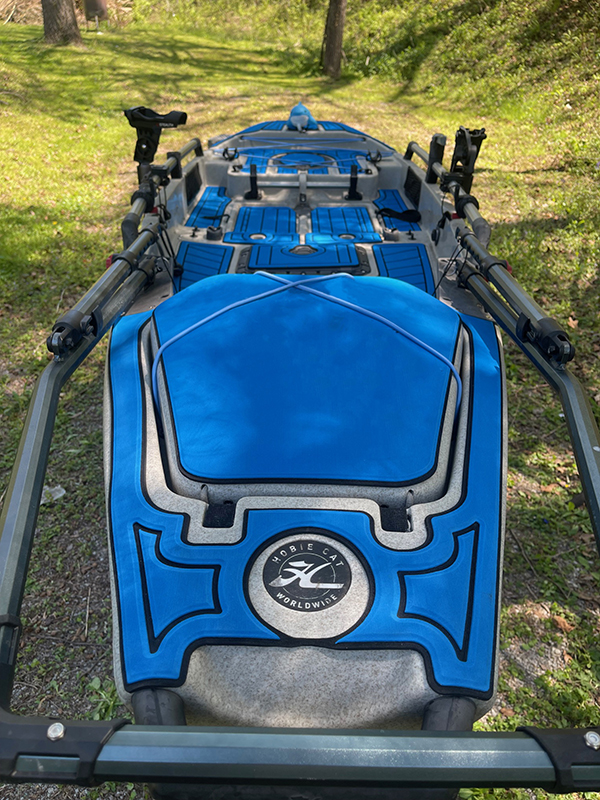 Kayak Deck Pads
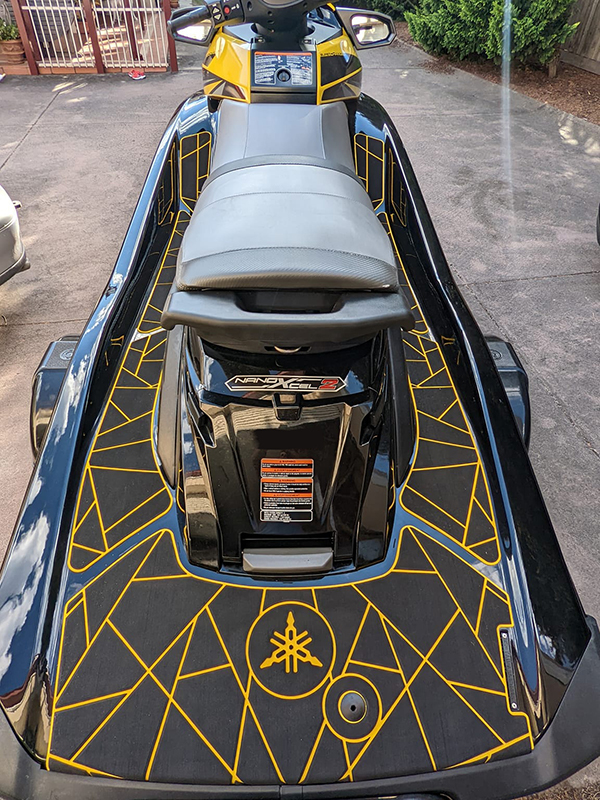 Jet Ski Traction Mats
 Onboard Comfort & Utility Pads
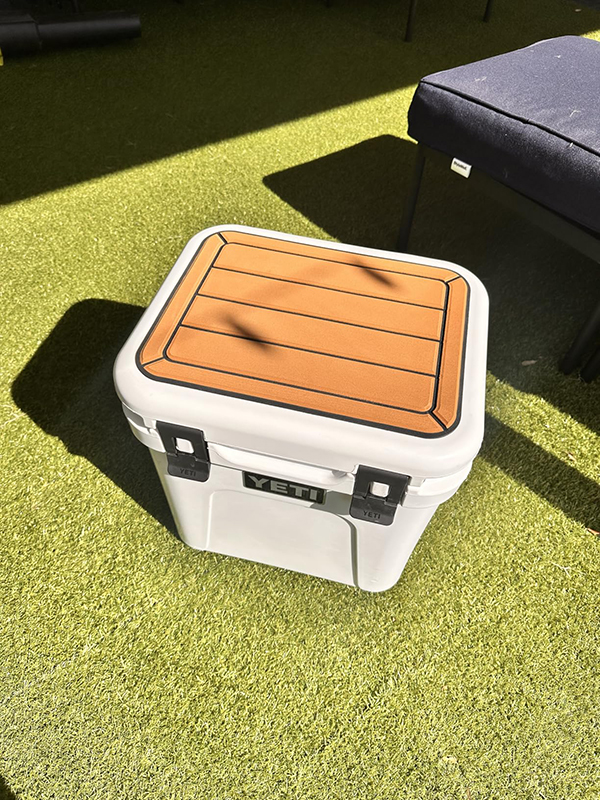 Cooler Pads
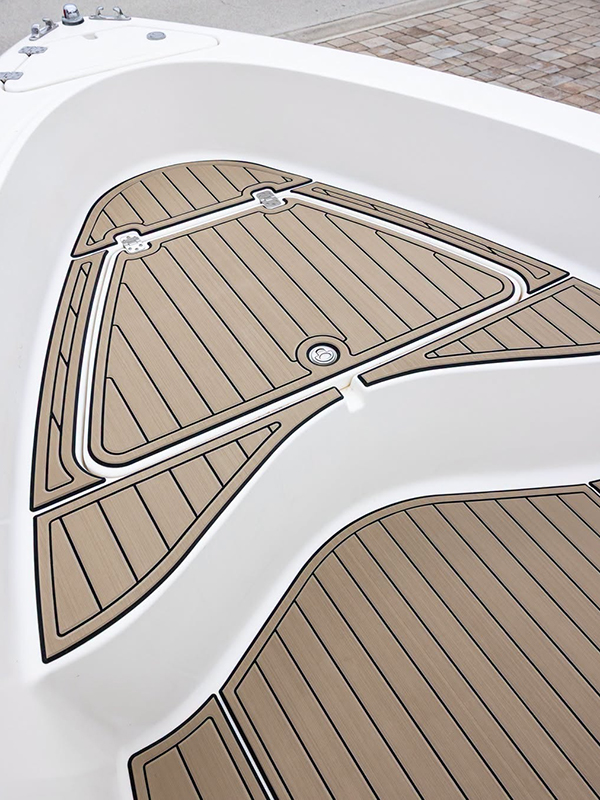 Coaming Bolster Pad
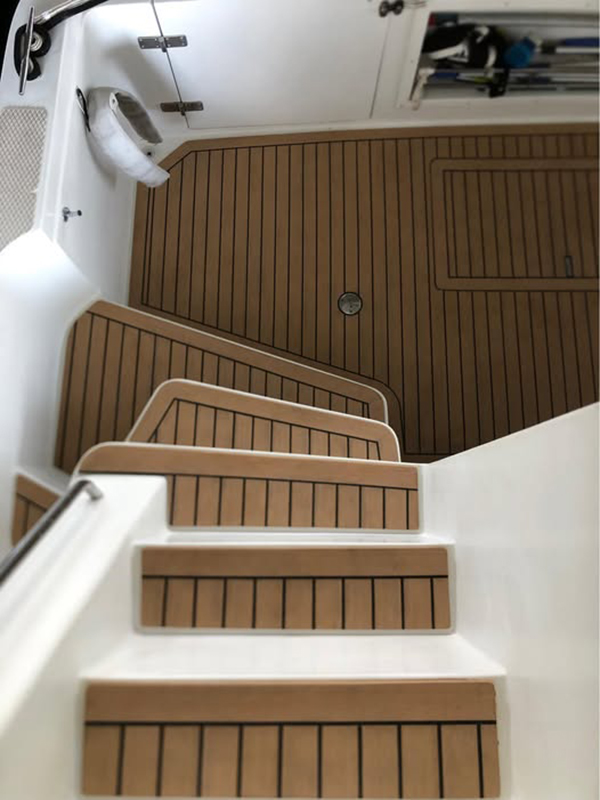 Step Pads
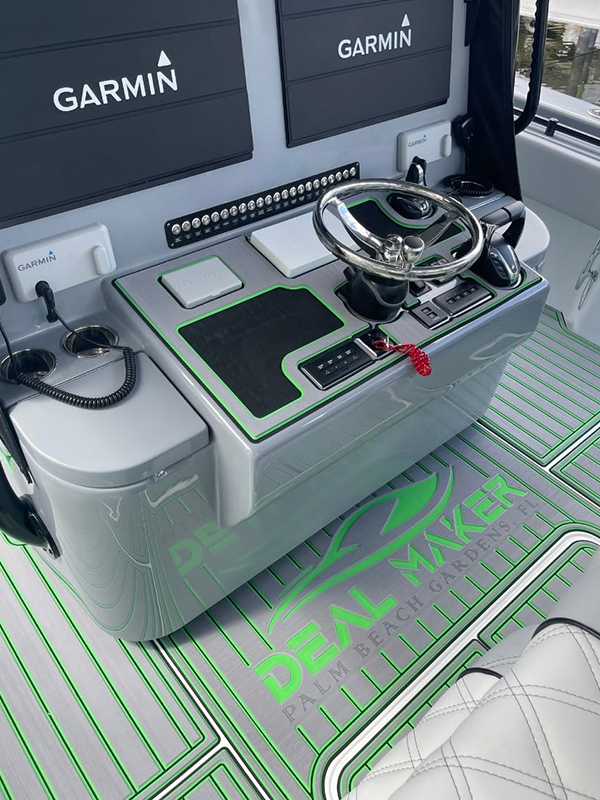 Helm Station Pads
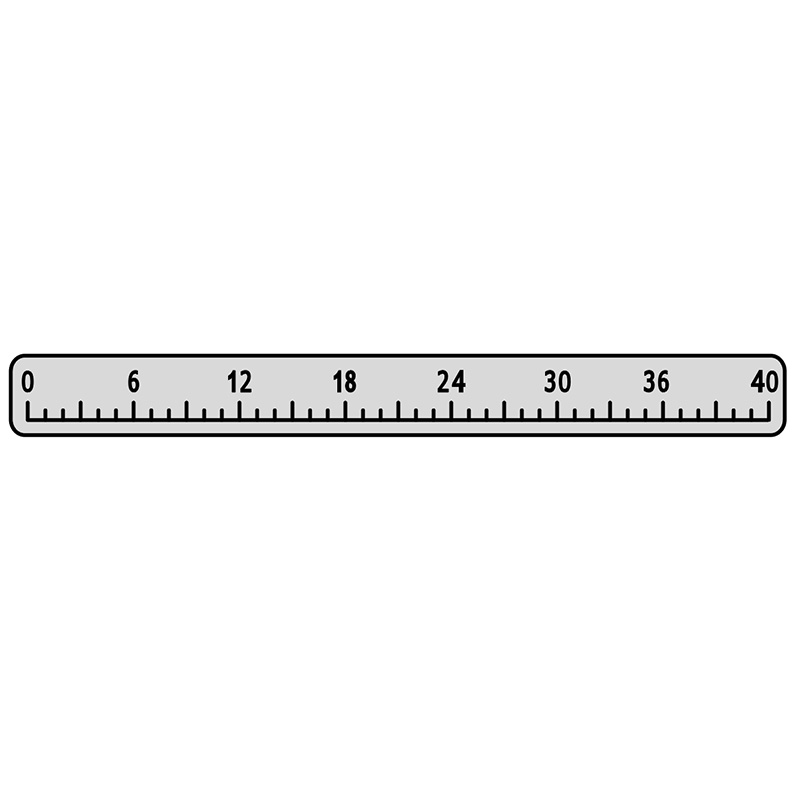 Watersports & Fishing Gear
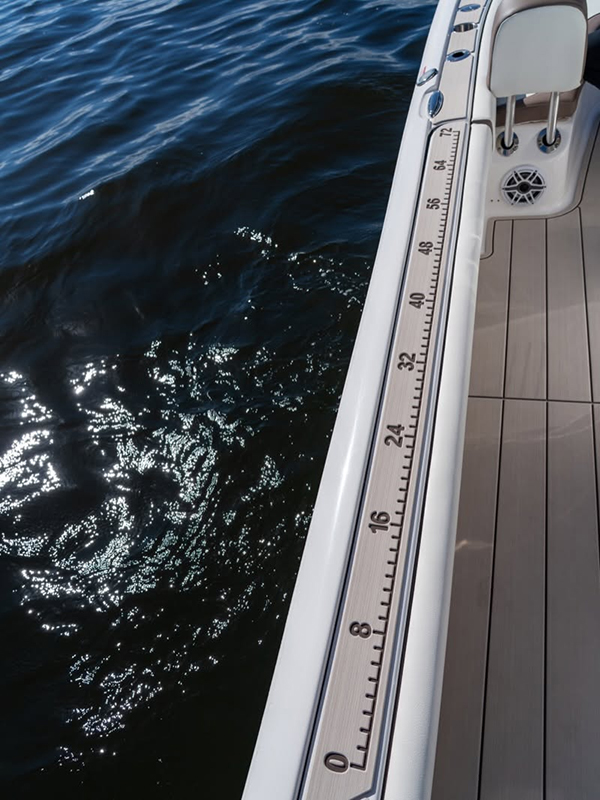 Fish Rulers
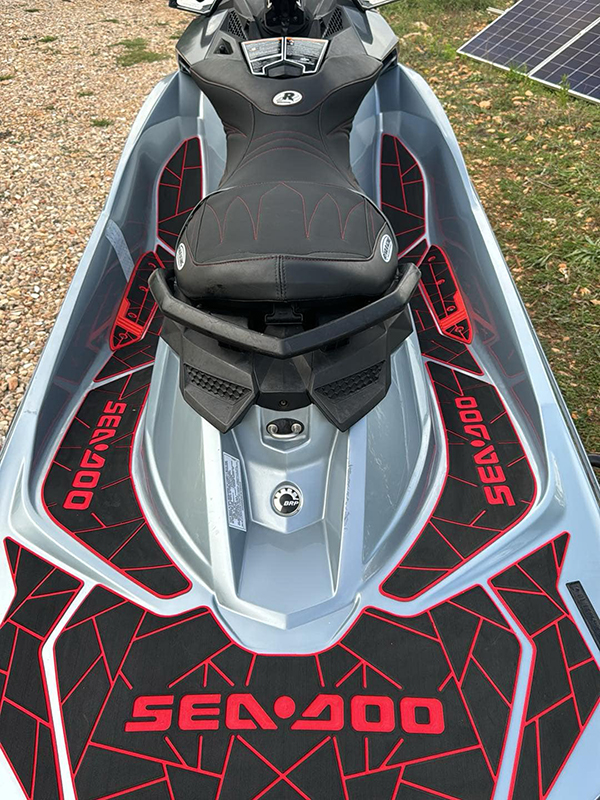 PWC Traction Pads
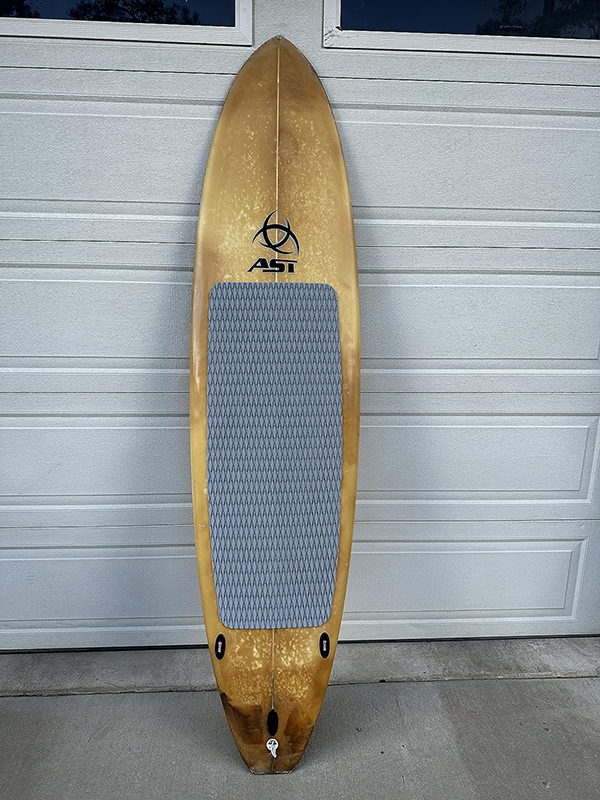 Stand-Up Paddleboard (SUP) Pads
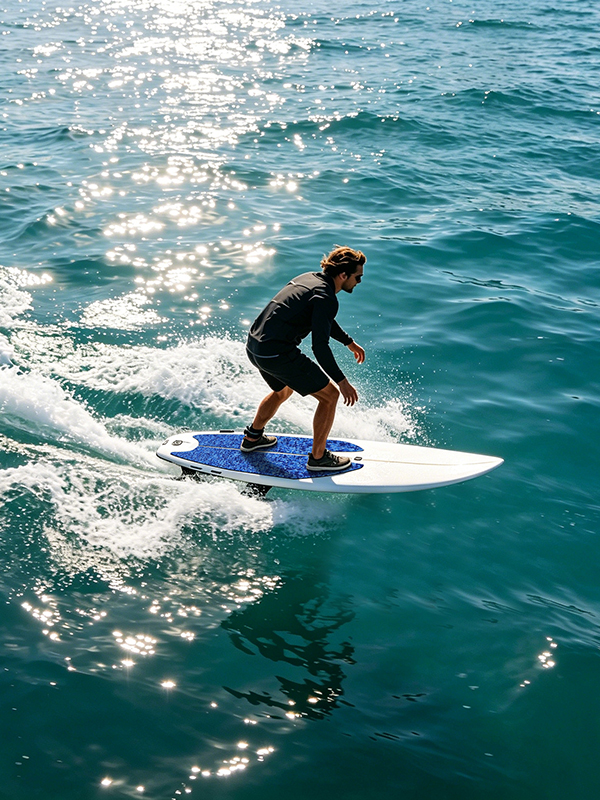 Hydrofoil Surfboard Pads
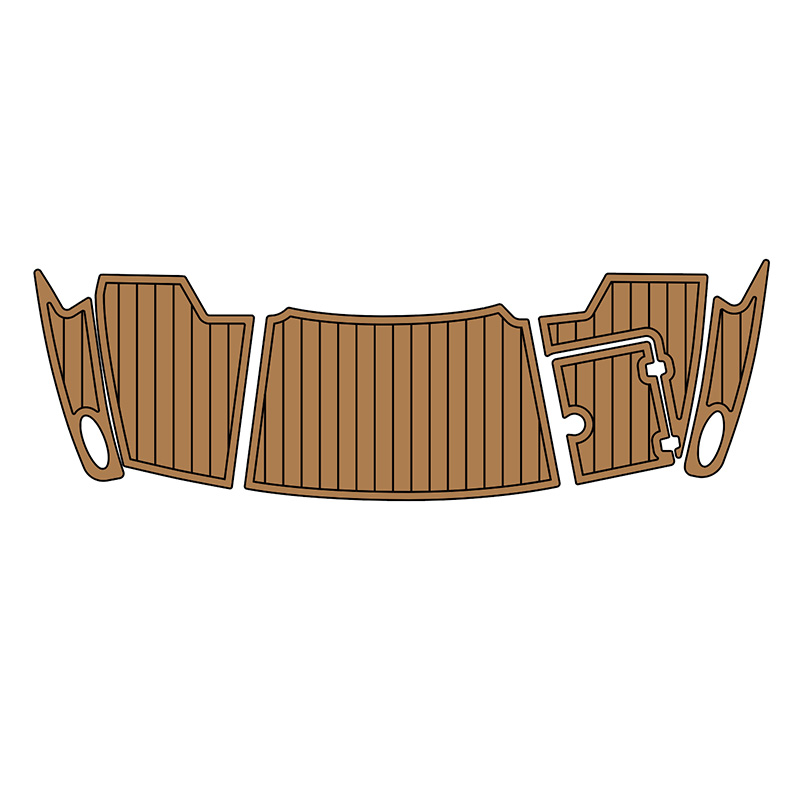 Other
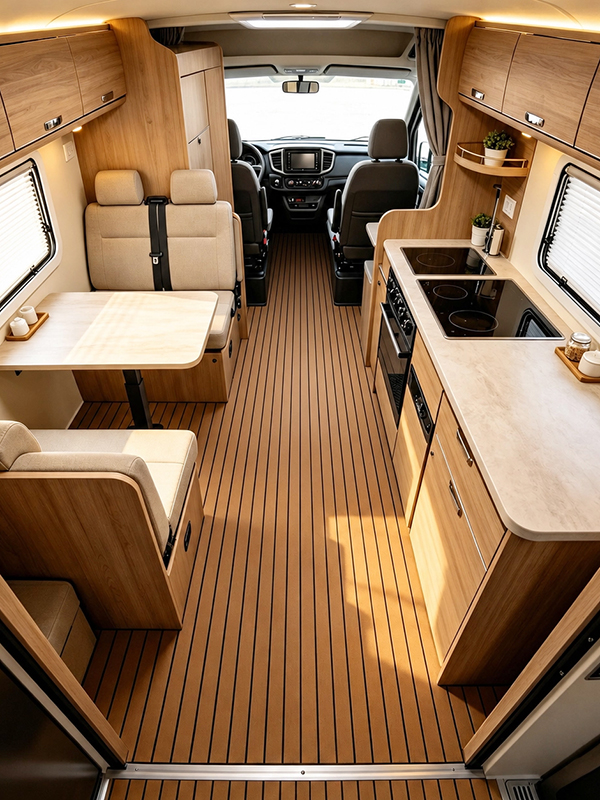 RV & Camper Flooring
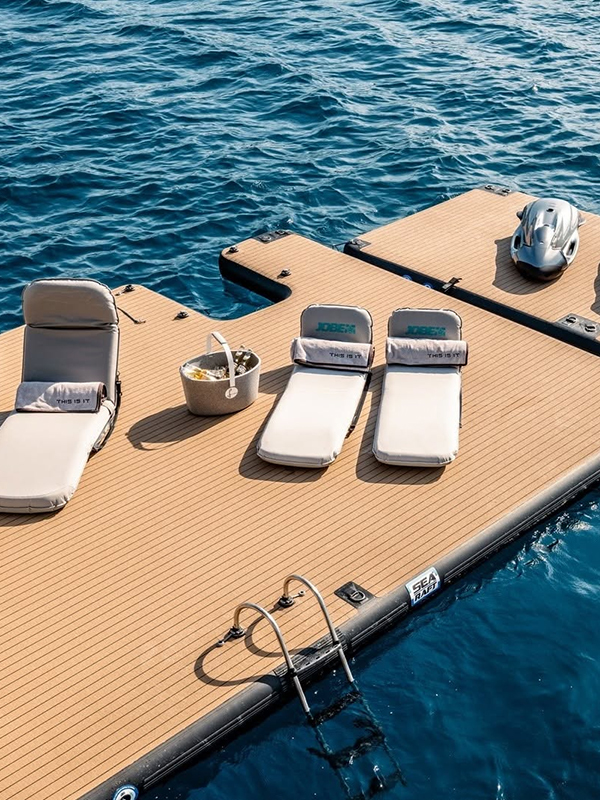 Inflatable Floating Docks
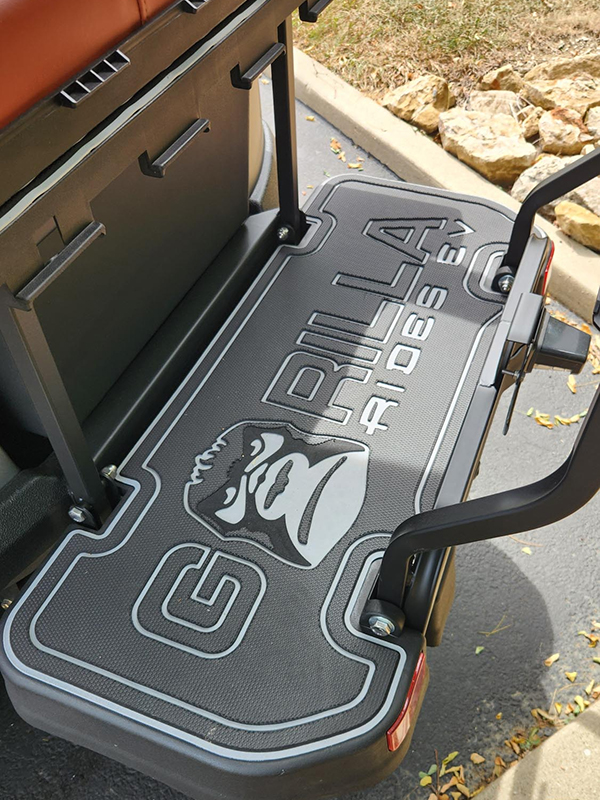 Golf Cart Mats
 Auto Trunk Liners
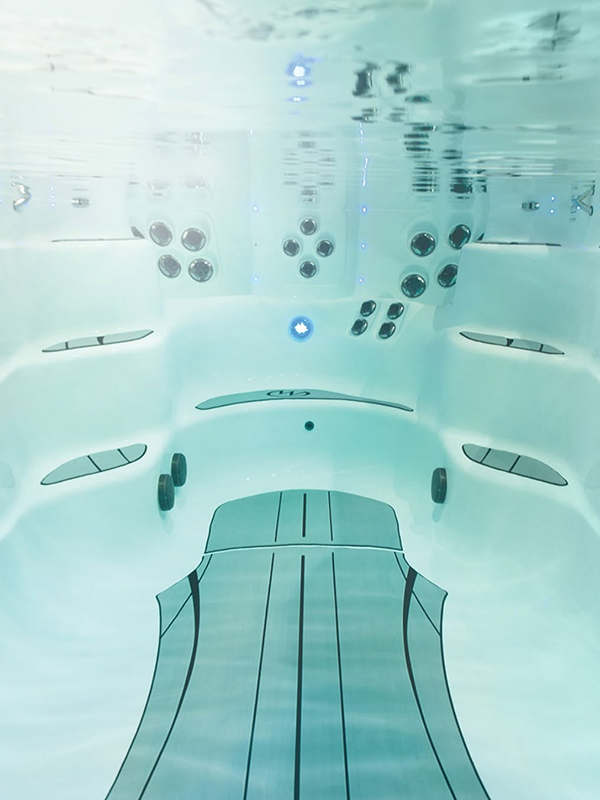 Bathtub Anti-Slip Mats
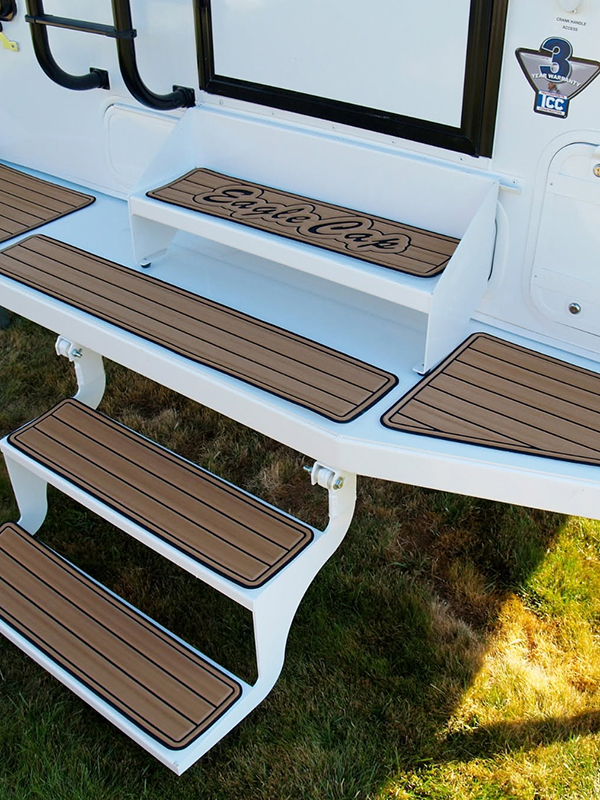 Stair Treads
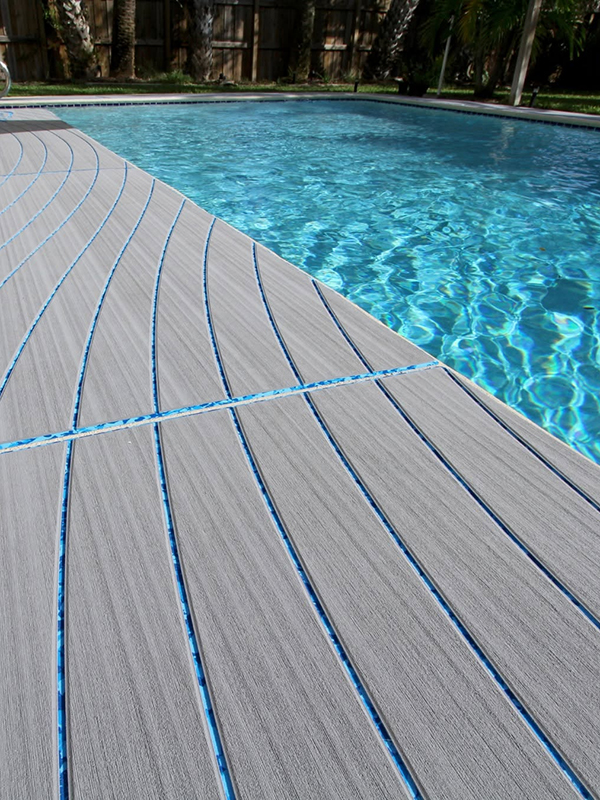 Swim Platform Mats