

- Home
- Products
- About Us
- Application
- Custom
- News
- Contact Us
Leave Your Message
-
Contact Email
High-density closed-cell marine foam tailored for severe slip hazards, marine cabins, yachts, swimming pool perimeters, and luxury bathtubs.
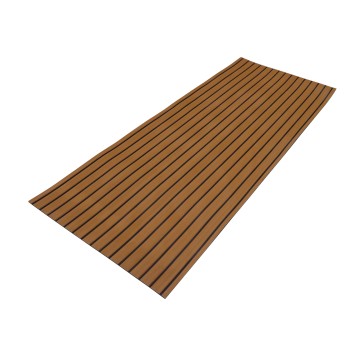
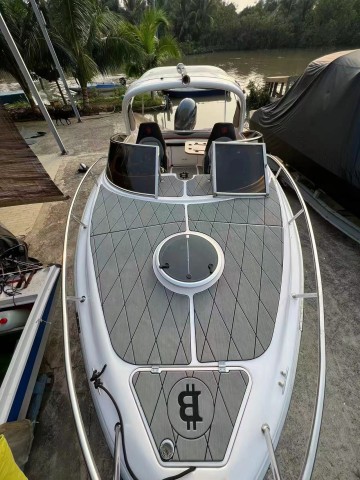
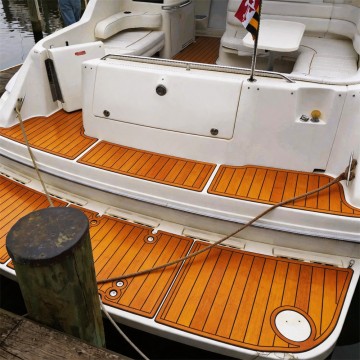
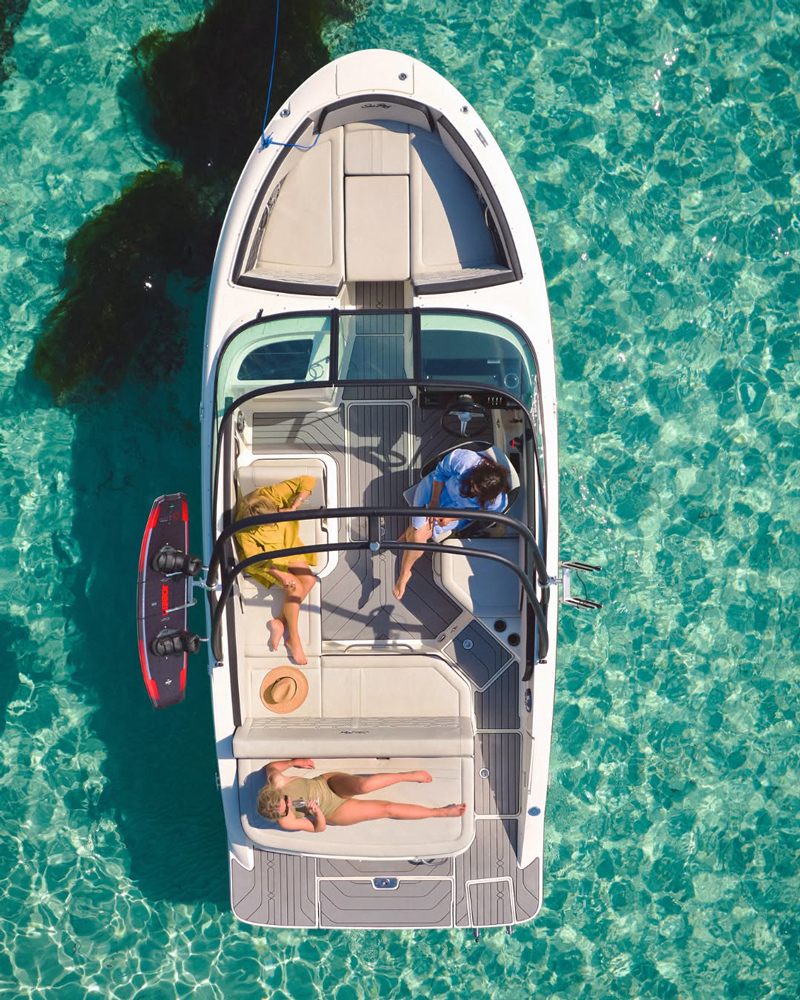
How advanced closed-cell PE/EVA polymer technology transcended harsh ocean environments to revolutionize wet safety across residential, hospitality, and commercial aquatic architecture.
Wet surface safety represents one of the most critical challenges in both maritime engineering and contemporary leisure infrastructure. From open boat decks constantly lashed by saltwater waves to luxury residential bathtubs, hot tub surrounds, and commercial waterpark splash zones, moisture buildup creates severe slipping hazards. Traditional flooring solutions—such as bare fiberglass, glazed ceramic tiles, rigid PVC gratings, and teak timber—often suffer from serious structural drawbacks, including thermal overheating under direct sun, water permeability, mold proliferation, high maintenance demands, and dangerously low dynamic coefficients of friction when wet.
To overcome these intrinsic limitations, material engineers pioneered the application of high-density, closed-cell Ethylene-Vinyl Acetate (EVA) and Polyethylene (PE) blended foams. Originally formulated to endure the rigorous conditions of offshore yacht racing and deep-sea angling, this specialized foam flooring has rapidly expanded into a cross-industrial safety standard. Its unique molecular architecture offers 100% waterproof performance, superior shock absorption, thermal isolation, and unmatched grip under bare feet or rubber footwear.
Closed-cell polymer matrix prevents water ingress entirely, mitigating bacterial buildup, foul odors, mildew, and internal structural rotting in humid environments.
Engineered micro-textures (brushed, grooved, diamond cut) channel water away from the contact plane, substantially exceeding DIN 51097 Class C wet-friction standards.
Formulated with advanced hindered amine light stabilizers (HALS) and anti-oxidants to resist intense sunlight, chlorinated pool water, and corrosive salt mist.
1. Marine & Fishing Vessels: On speedboats, commercial trawlers, and luxury yachts, constant pitching and sea-spray turn standard decks into severe fall zones. Closed-cell EVA decking provides the fatigue-reducing cushioning essential for long fishing hours while maintaining critical grip under torrential wet conditions.
2. Bathtubs & Walk-in Shower Enclosures: Transitioning from marine vessels to interior wellness, custom foam pads eliminate the slippery chill of enamel and acrylic bathtubs. The soft-touch closed-cell surface provides immediate warmth underfoot and prevents catastrophic slipping for children and elderly individuals.
3. Swimming Pool Wet Decks & Hot Tubs: Concrete coping and slippery ceramic tiles surrounding swimming pools and spa hot tubs represent major liability areas. Foam decking acts as a thermally insulating, impact-absorbing perimeter that stays cool under scorching sun and prevents hydroplaning.
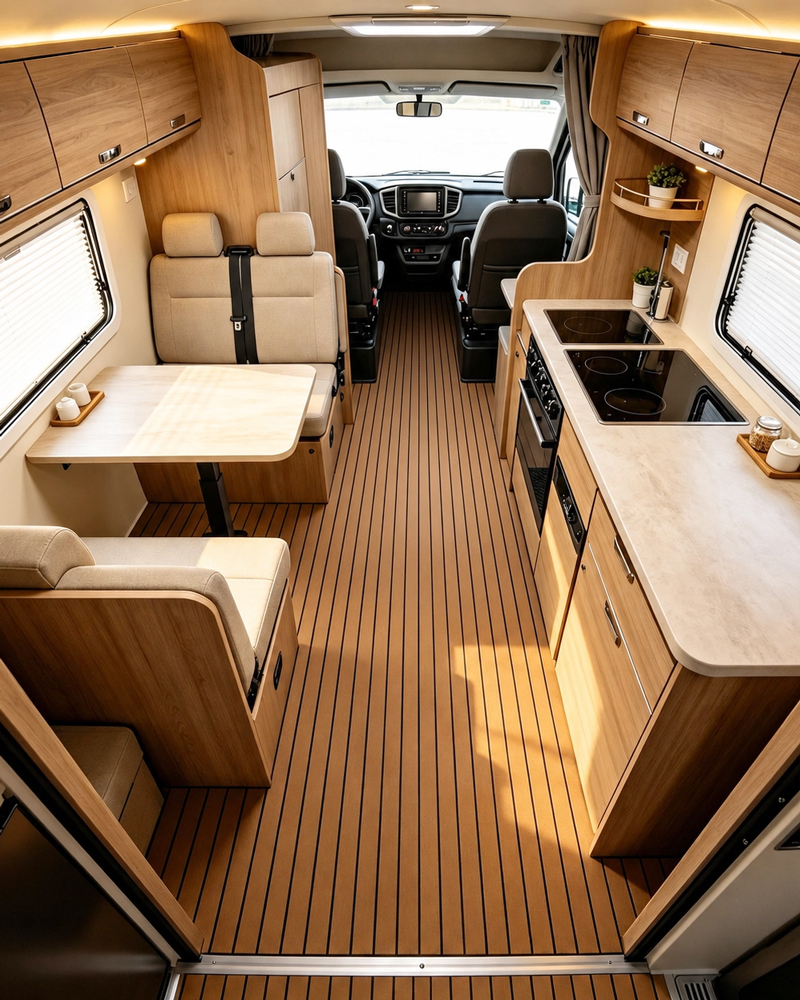
A detailed technical overview illustrating why high-density PE/EVA composite foam outperforms alternative surfaces in high-moisture installations.
| Performance Parameter | Marine Closed-Cell PE/EVA Foam | Natural Teak / Hardwood | Glazed Ceramic / Porcelain Tile | Standard Molded PVC Mats |
|---|---|---|---|---|
| Wet Dynamic Friction (Slip Resistance) | Exceptional (> 0.85 CoF) - Exceeds Class C | Moderate (Degrades when wet/algae forms) | Very Poor (< 0.30 CoF) - High slip risk | Moderate (Becomes slick with soap/scum) |
| Water Absorption Rate | 0.00% (Hermetic Closed-Cell) | 5.0% - 15.0% (Requires periodic oiling) | 0.5% - 3.0% (Grout lines absorb water) | 1.0% - 4.0% (Traps moisture underneath) |
| Thermal Insulation & Barefoot Comfort | Soft cushioning, stays temperate | Heats up moderately, prone to splinters | Extremely hot in sun, freezing in shade | Rigid, transfers surface heat rapidly |
| Chemical & Chlorine Resistance | High resistance to pool chlorine & saltwater | Low (Vulnerable to harsh cleansers) | High (Grout degrades over time) | Moderate (Plasticizers leach and harden) |
| Installation & Customization | Peel-and-stick with marine 3M adhesive, CNC cut | Labor intensive, screw fastenings required | Heavy mortar, structural grouting required | Loose lay, prone to shifting and curling |
The global market for anti-slip wet area foam is witnessing rapid technological convergence driven by computer-aided design (CAD) and digital laser templating. Manufacturers now offer fully customized CNC-routed patterns—ranging from classic faux-teak caulking lines and modern geometric hexagons to bespoke brand logos and laser-etched fish measurement rulers. Furthermore, continuous formulation upgrades integrate bio-based PE resins and recyclable EVA compounds, meeting rigorous international green building standards (LEED) and environmental directives for marine ecosystems.
Another major trend is the integration of high-tack, pressure-sensitive acrylic adhesive systems (such as 3M 99786 or customized structural water-resistant glues). These structural bonding films ensure effortless installation on diverse substrates including fiberglass gelcoats, painted aluminum, polished acrylics, treated timber, and smooth concrete, delivering peel strengths exceeding 20 N/cm without delaminating under continuous thermal cycles.


Explore our complete range of certified closed-cell anti-slip decking solutions for boats, yachts, bathtubs, pool wet decks, and mobile recreational vehicles.