For more information about our products or to schedule an appointment, complete the form below we'll get back to you as soon as we can.
OEM & ODM closed-cell foam pads providing ergonomic shock absorption, helm fatigue protection, and custom CNC fitment.
For centuries, genuine Burmese teak (Tectona grandis) stood uncontested as the pinnacle of nautical deck fabrication. Celebrated for its natural silica content, dense grain, and organic resistance to rot, traditional hardwood nevertheless introduced formidable engineering liabilities to modern sportfishing architectures. The rigorous demands placed on tournament center consoles, offshore express boats, and coastal skiffs have exposed genuine teak to aggressive cyclic fatigue, steep seasonal maintenance overheads, caulking failure, and considerable cumulative weight penalty.
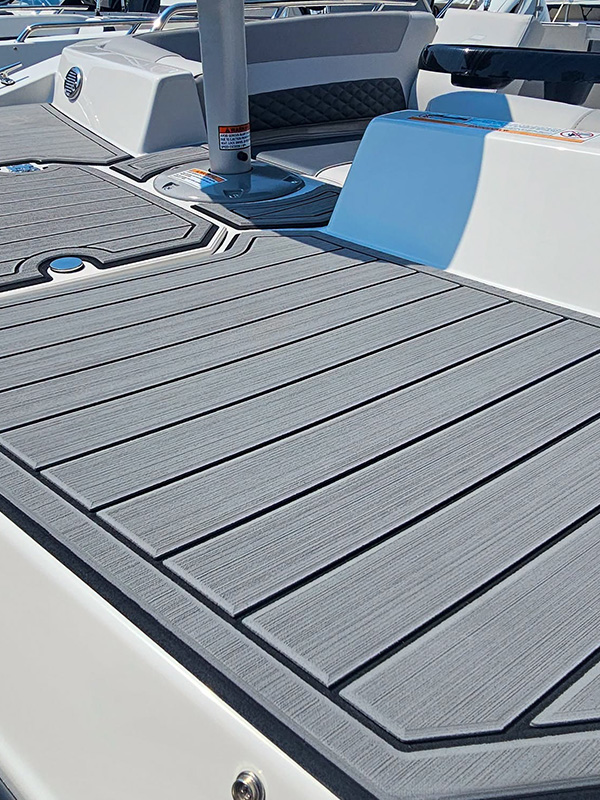
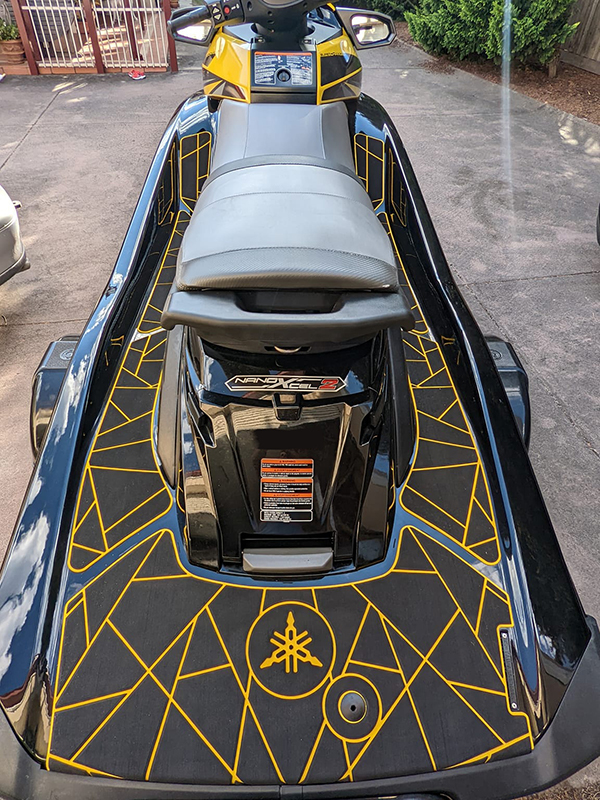
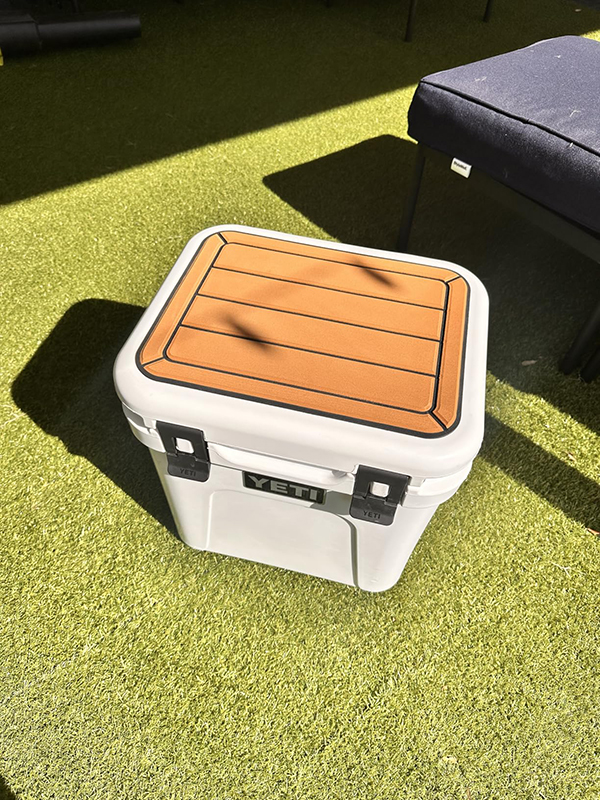
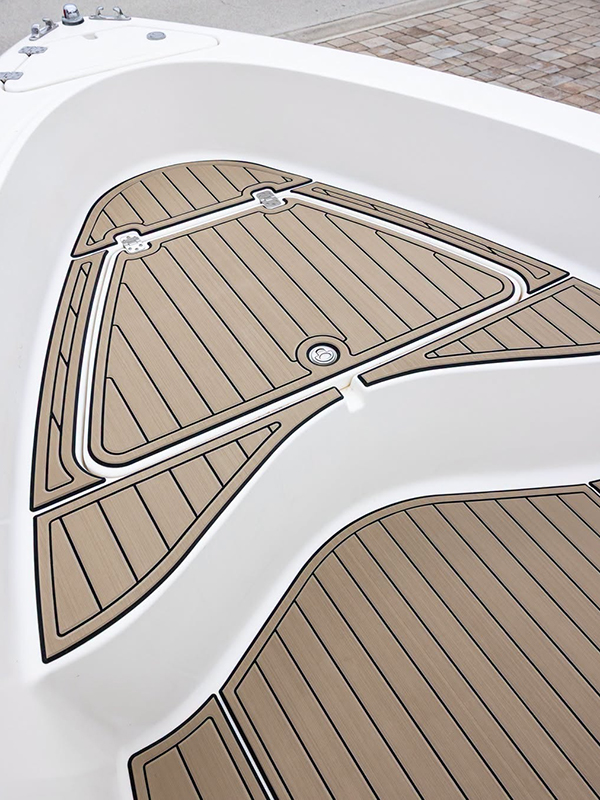
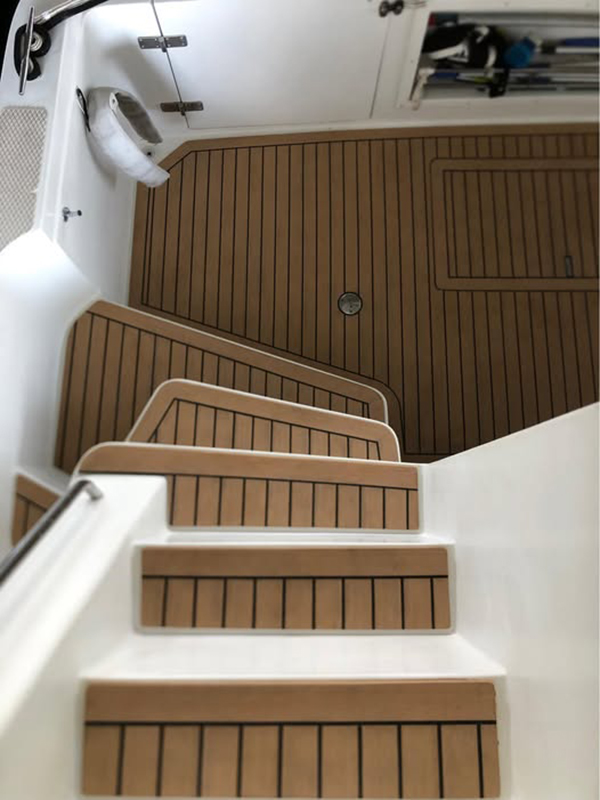
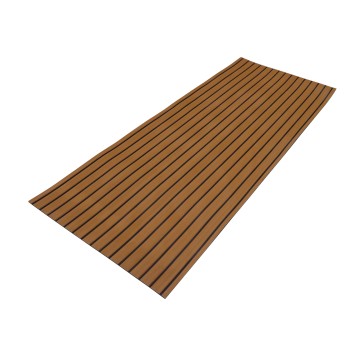
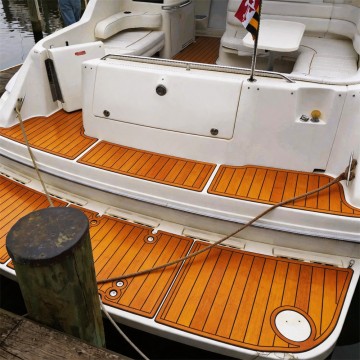
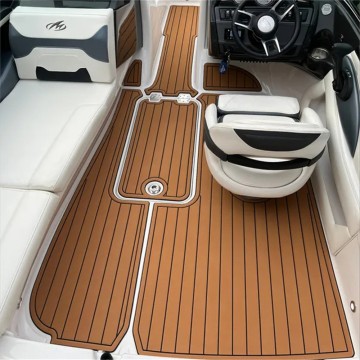
In contemporary naval architecture, Faux Teak Marine Flooring fabricated from high-density, closed-cell Ethylene-Vinyl Acetate (EVA) and cross-linked Polyethylene (PE) copolymers has catalyzed a technological paradigm shift. Specifically engineered for critical operator command centers, Fishing Boat Helm Pad Cushioning represents far more than an aesthetic upgrade; it serves as a high-performance biomechanical interface that actively decouples the vessel pilot from violent wave impact force vectors and hydrodynamic hull vibrations.
When high-speed sportfishing vessels navigate rough offshore seas at speeds exceeding 30 to 50 knots, the captain and crew absorb continuous pounding impact loads known in naval architecture as wave-slamming accelerations. Sustained vertical G-force jolts travel upward from the non-yielding deck through the calcaneus, tibia, knee joints, and lumbar vertebrae. Custom dual-density helm pads act as mechanical dampeners, compressing under instantaneous impulse loads to attenuate musculoskeletal peak shock levels.
Wet helm decks coated in seawater, spray, slime, and fish blood present high slipping hazards. Faux teak EVA helm flooring features directional micro-grooving, embossed brushed textures, and specialized dual-channel CNC water relief patterns that maintain aggressive coefficient of friction (COF) levels even when submerged under continuous deck washdowns.
Engineering the molecular matrix of marine copolymers for maximum rebound elasticity, thermal insulation, and ultraviolet stability.
Our proprietary formulation integrates high-grade EVA and cross-linked PE resins at controlled expansion ratios. This creates millions of microscopic, hermetically sealed gas chambers per cubic centimeter. The resulting matrix resists hydraulic water permeation, fuel oils, fish blood stains, and chemical deck cleaners while maintaining flexible tensile strength between -25°C and 85°C.
Modern helm pads utilize a co-extruded dual-layer composite system: a softer 13mm to 16mm low-durometer base layer designed specifically for progressive shock absorption and anti-fatigue rebound, fused chemically with a robust 3mm to 5mm high-density faux teak cap layer engineered to withstand rigorous friction, cleat abrasion, and dropped fishing tackle.
Prolonged exposure to solar radiation rapidly breaks down ordinary cellular foams. By blending specialized hindered amine light stabilizers (HALS) and antioxidant compounds throughout the masterbatch, faux teak marine decking resists surface chalking, micro-cracking, shrinkage, and premature chromatic discoloration across seasons of brutal maritime sunlight.
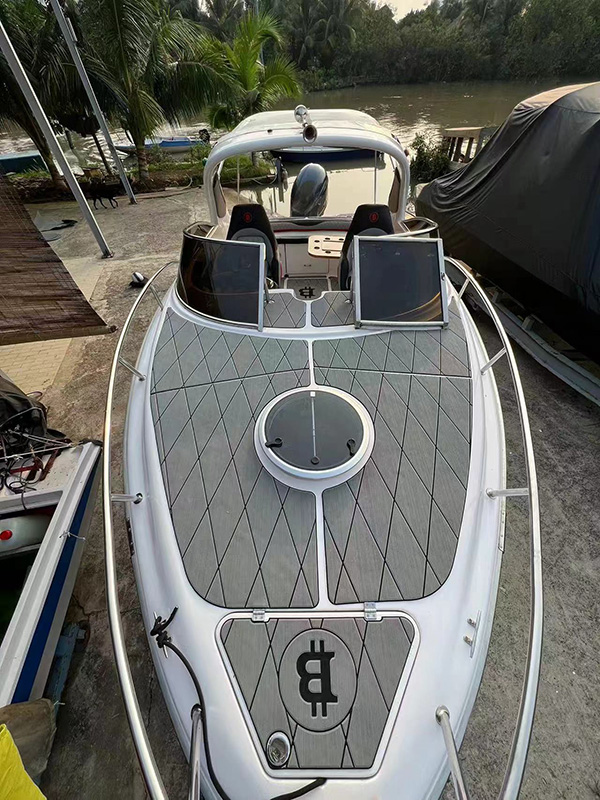
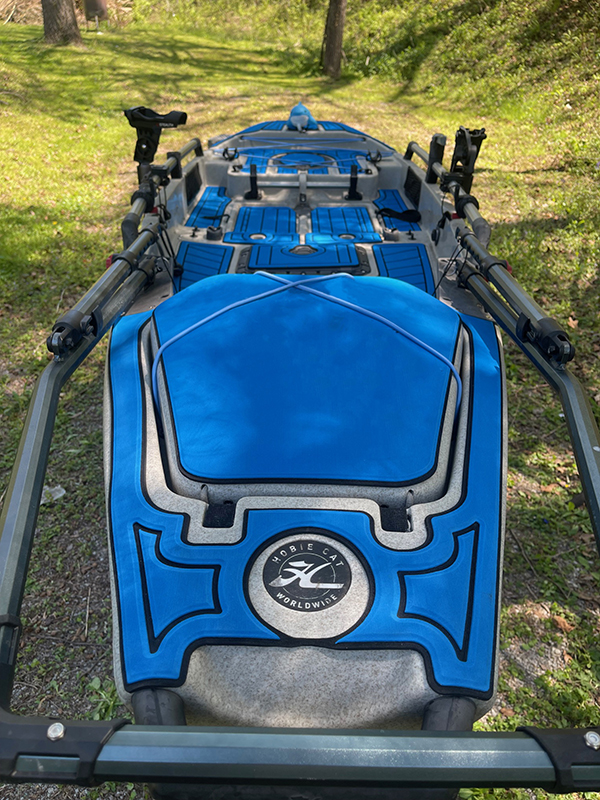
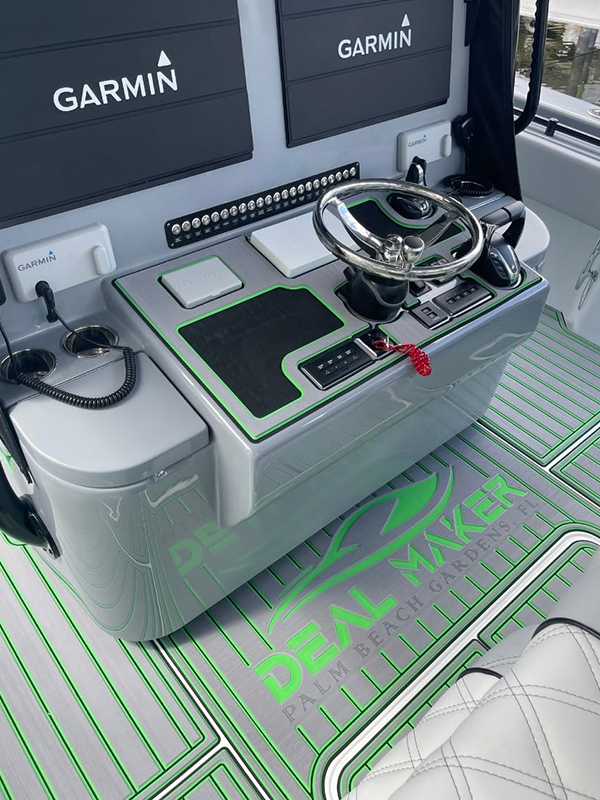
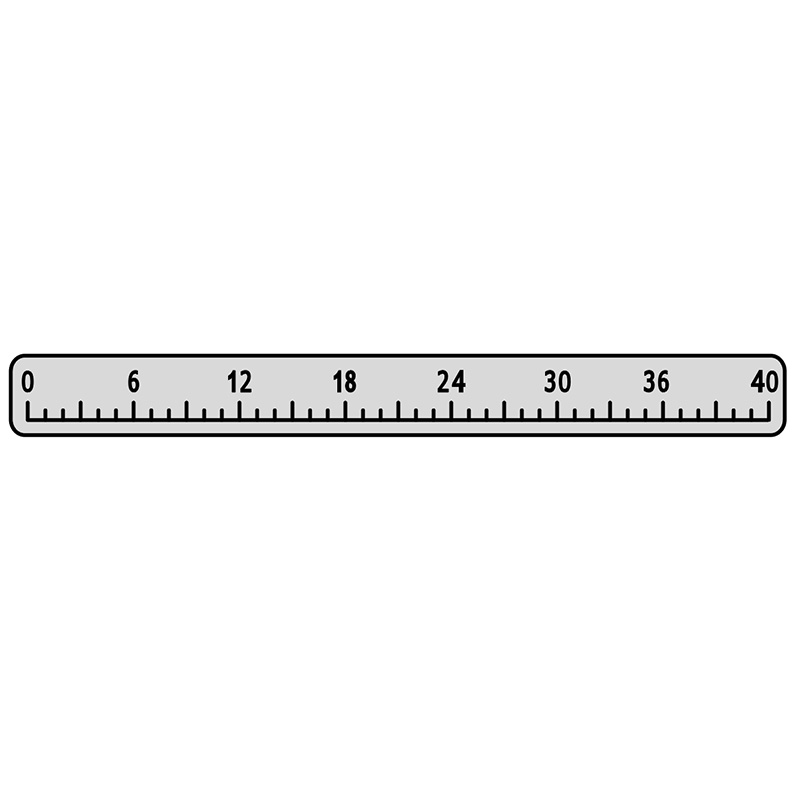
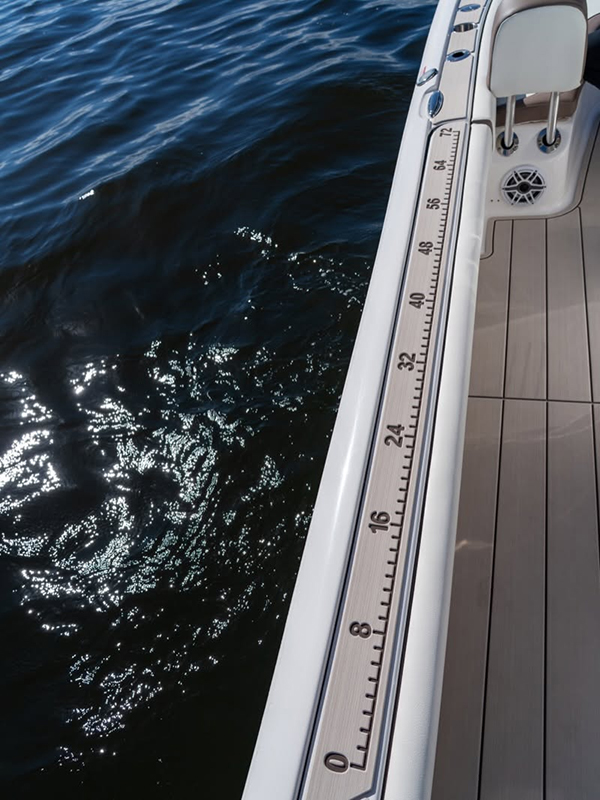
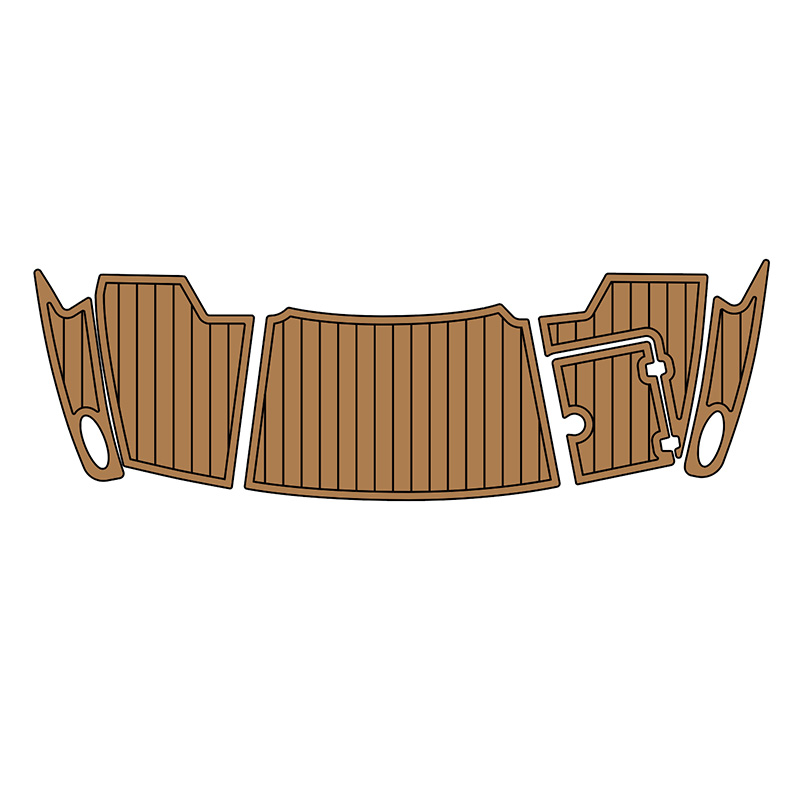
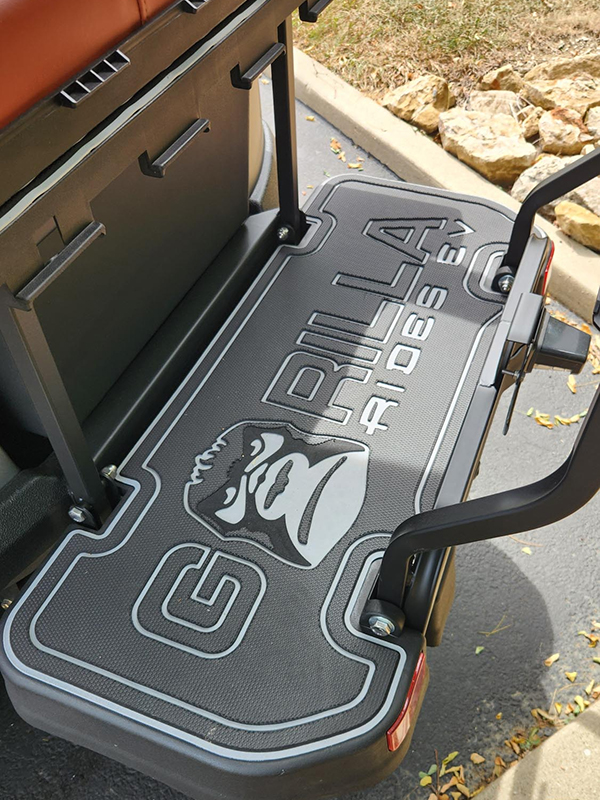
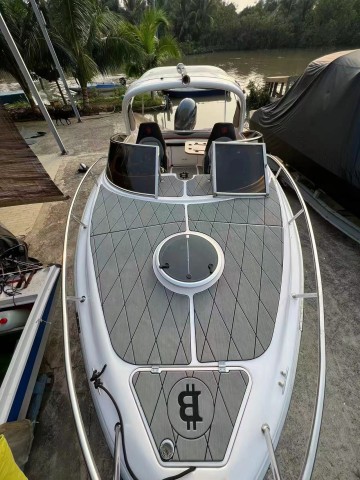
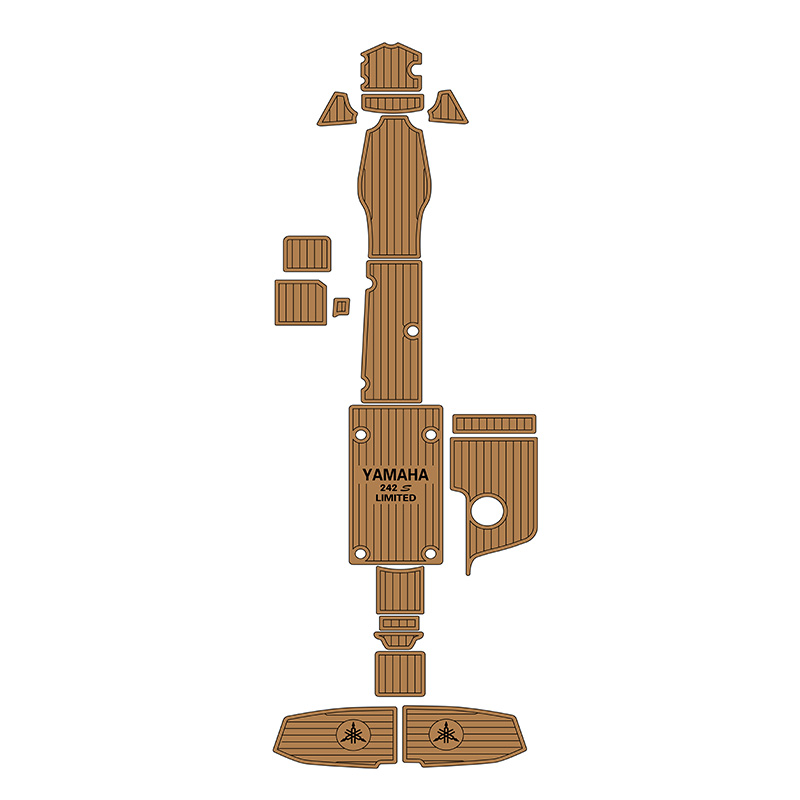
Every commercial and sport fishing helm station possesses unique structural geometry, console contouring, pedestal seat cutouts, and hatch integration lines. Utilizing AI-enhanced digitizing software paired with 3D coordinate laser scanning, naval designers convert raw helm deck contours into millimeter-exact CAD routing geometries. High-speed multi-axis CNC machines mill the faux teak aesthetic: beveling the perimeter edges, incising deep water-shedding caulking lines, and engraving custom boat builder logos or scaled fish measuring rulers directly into the contrasting underlying foam color.
Underneath each precision-cut helm pad lies an ultra-resilient, moisture-curing marine acrylic pressure-sensitive adhesive (PSA) system. Engineered specifically for high-energy gelcoat and aluminum vessel surfaces, this structural bond resists shear delamination even under heavy horizontal braking friction and turbulent high-velocity slipstream exposure.
| Engineering Metric | Traditional Solid Teak | Dual-Density EVA/PE Faux Teak |
|---|---|---|
| Average Density | 650 - 750 kg/m³ | 150 - 180 kg/m³ (Significant savings) |
| Shock Absorption Rate | < 5% (Rigid impact transfer) | 55% - 70% Kinetic Dissipation |
| Wet Friction Coeff. (COF) | 0.50 - 0.60 (Slippery when wet) | 0.75 - 0.90 (High-traction safety) |
| Maintenance Reqt. | Oiling, sanding, caulking rework | Pressure wash or mild citrus soap |
| Acoustic Decoupling | Reflects hull vibrations | Dampens engine & sonar harmonics |
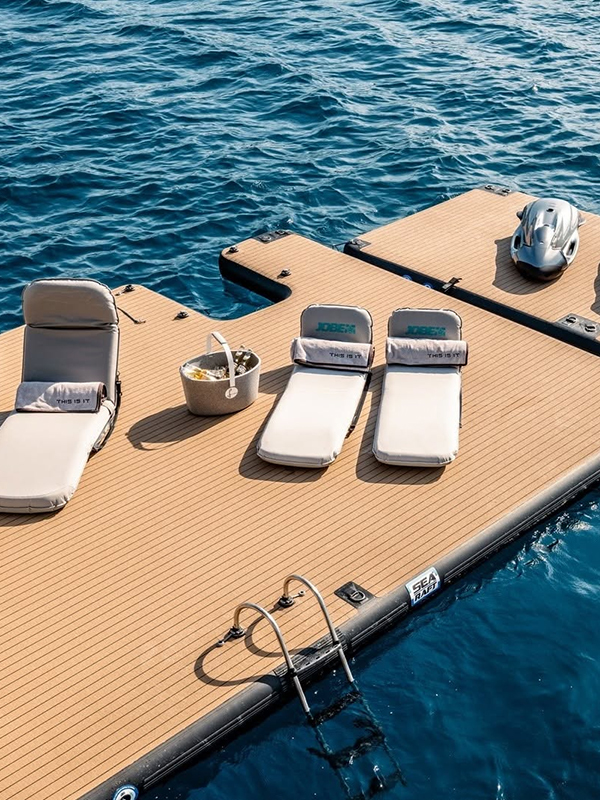
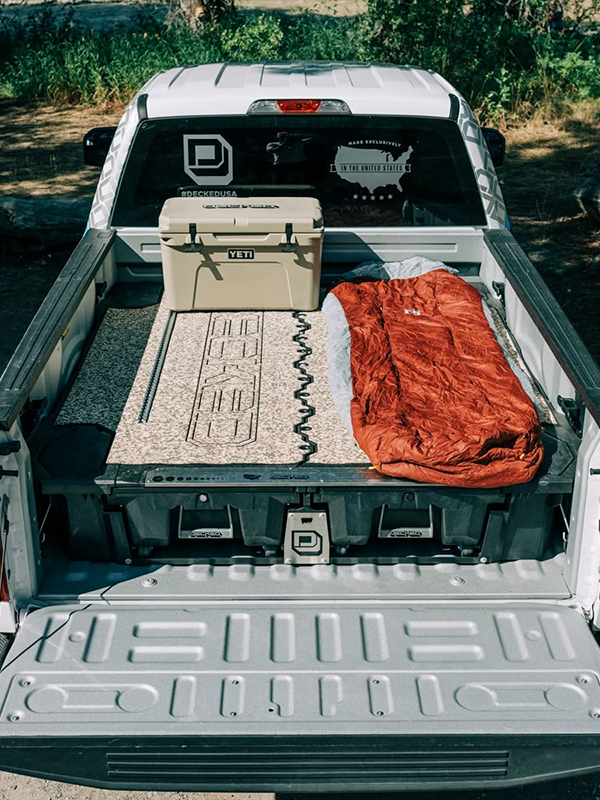
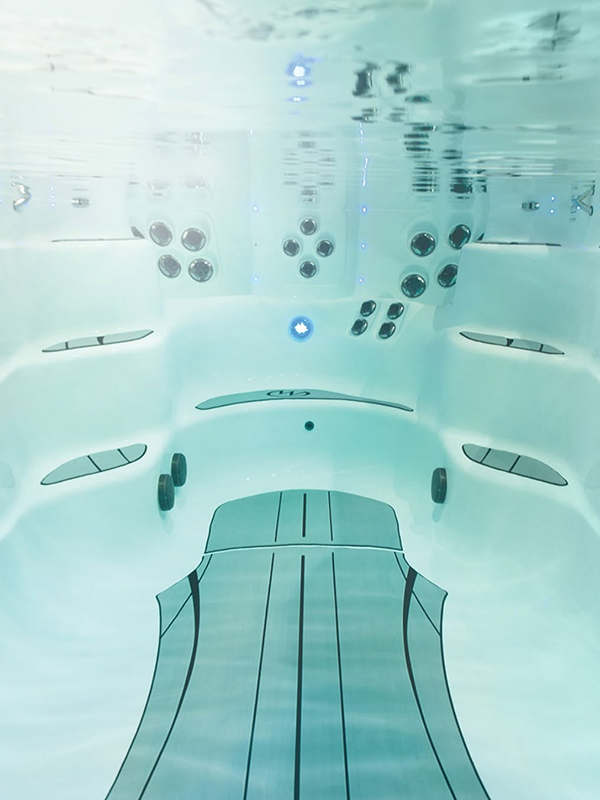
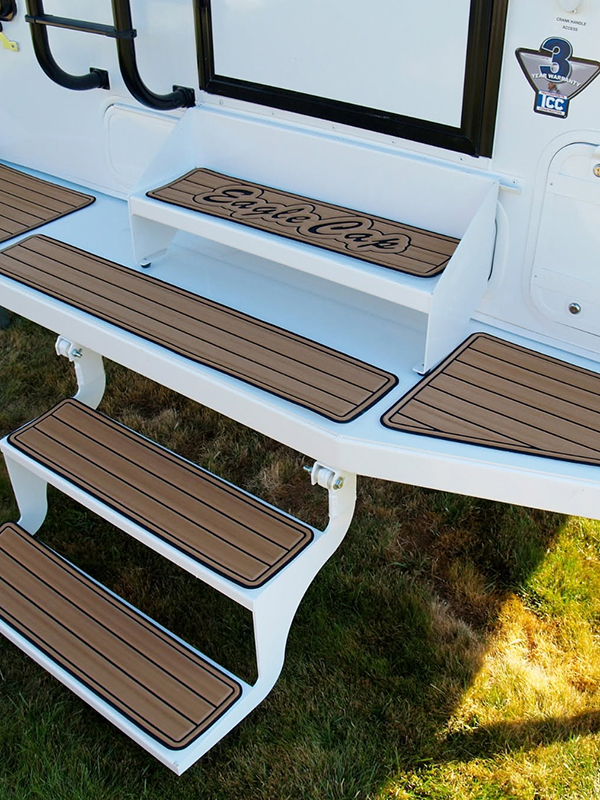
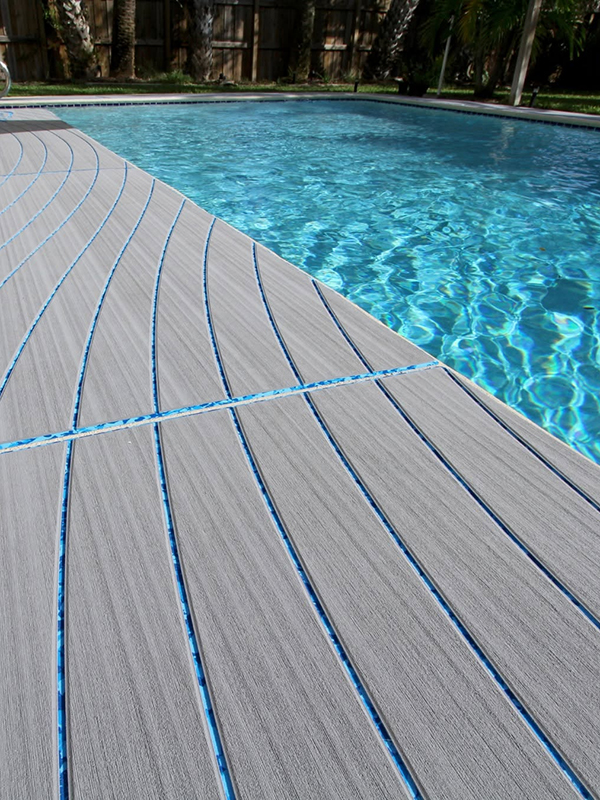
Versatile closed-cell decking formulations deployed across professional fishing fleets, luxury motor yachts, and dynamic outdoor lifestyle recreational vehicles.
Analyzing the functional role of faux teak helm padding across distinct sportfishing disciplines and global marine markets.
Triple and quad-outboard center consoles travel extended nautical miles at high speeds to reach blue-water canyons. Captains frequently pilot standing for 8 to 14 consecutive hours. Ultra-thick 20mm dual-density helm pads serve as indispensable biomechanical shock isolators, mitigating lumbar spine compression and keeping tournament anglers alert and fresh.
Commercial charter captains subject boat decks to heavy foot traffic, wire tackle drops, gaff spikes, and persistent fish blood staining. Faux teak helm cushioning preserves the underlying gelcoat, reduces cockpit noise that could startle fish in shallow environments, and cleans rapidly with common low-pressure saltwater washdowns.
In stealth-critical shallow-water flats fishing (targeting species like permit, bonefish, and redfish), dropped metal pliers or hard-soled shoes against unpadded fiberglass create acoustic sound waves that transmit directly through the hull into the water column. Closed-cell EVA foam provides sound-dampening acoustic absorption for silent tactical approaches.
Tower and flybridge command stations sit high above the vessel's center of gravity, amplifying roll angles and centrifugal motion in heavy swells. High-traction faux teak helm pads with ergonomic beveled borders provide surefooted lateral stability for offshore captains balancing against rough sea movements.
The global marine decking and accessories market has witnessed continuous compound annual growth, driven predominantly by synthetic foam alternatives replacing high-maintenance natural timber and slippery bare diamond non-skid fiberglass. Modern boatbuilders (OEMs) increasingly specify custom-branded faux teak helm pads as standard equipment straight from the factory floor. Anglers view high-resilience helm mats not merely as an aftermarket accessory, but as standard safety gear essential for physical well-being during rough offshore excursions.
Moreover, advancements in automated digital templating platforms have enabled marine accessory retailers and refit yards to rapidly deliver custom-tailored helm solutions. Boat owners can select tailored sheet thicknesses, classic teak plank spacing, diamond routing accents, custom hull serial numbers, and customized company emblems with automated CNC turnaround times.
OEM & ODM specialized manufacturing for fishing vessels, yachts, RVs, and marine leisure equipment.
Ensuring permanent substrate adhesion, structural resilience against shear forces, and effortless deck sanitation.
A flawless helm pad installation begins with systematic chemical surface decontamination. Gelcoat or aluminum surfaces must be thoroughly stripped of wax, silicone, oil residues, and sea salts using non-filming solvents such as 100% Isopropyl Alcohol (IPA) or acetone. Maintaining deck temperature between 18°C and 35°C during pressure-sensitive adhesive application optimizes viscoelastic acrylic cross-bonding, ensuring maximum adhesion strength.
Unlike natural teak which demands laborious chemical brightening, oil treatments, and deep sanding, closed-cell faux teak repels organic compounds at the surface layer. Fish blood, squid ink, motor grease, and bait remnants lift effortlessly using warm freshwater mixed with biodegradable citrus boat soap, followed by light bristled deck brushing or low-pressure power washing up to 1500 PSI.
In modern offshore angling, vessel performance is measured not only by hull speed, fuel efficiency, and livewell capacity, but equally by ergonomic crew endurance. The helm station is the vessel's primary nerve center. Equipping it with a custom-engineered Faux Teak Marine Flooring Helm Pad transforms the operational experience, neutralizing wave impacts and preventing physical exhaustion before fatigue compromises operator focus.
By synergizing cross-linked high-density polymer foam chemistry, high-tack marine acrylic adhesives, and precision AI-powered CNC fabrication, we deliver bespoke helm mats that enhance safety, preserve long-term resale value, and elevate tournament sportfishing ergonomics to the highest industrial standards.