- Home
- Products
- About Us
- Application
- Custom
- News
- Contact Us
Leave Your Message
-
Contact Email
The global marine aftermarket has experienced a paradigm shift over the past decade. For centuries, traditional Burmese natural teak represented the ultimate expression of nautical luxury and seaworthiness. However, environmental restrictions, rapid deforestation, escalating raw material costs, and intensive maintenance cycles have forced boat owners, naval architects, and refit shipyards to seek high-performance alternatives. Synthetic faux teak boat flooring—specifically formulated from closed-cell Ethylene-Vinyl Acetate (EVA) and Cross-Linked High-Density Polyethylene (PE)—has emerged as the premier solution for vessel modernization and comprehensive deck overhauls.
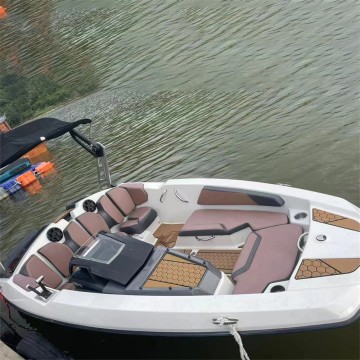
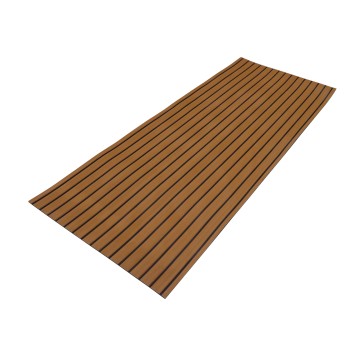
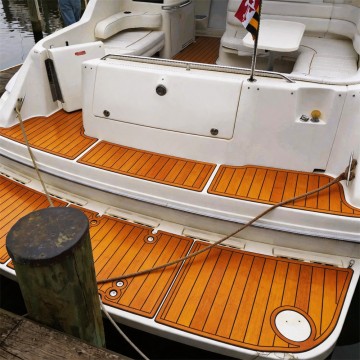
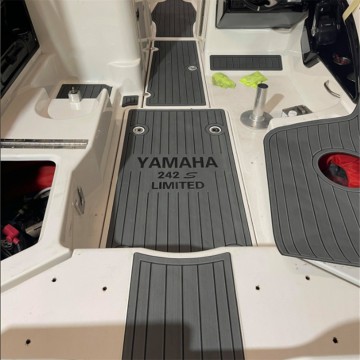
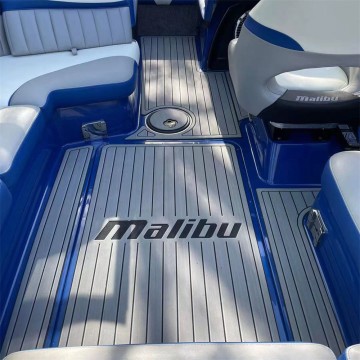
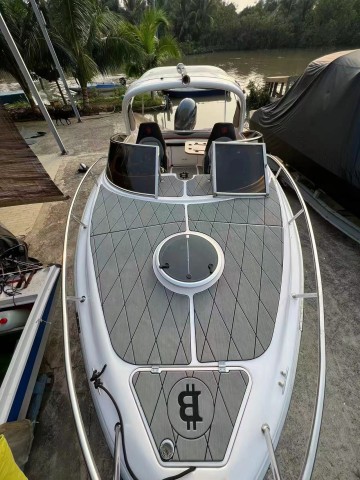
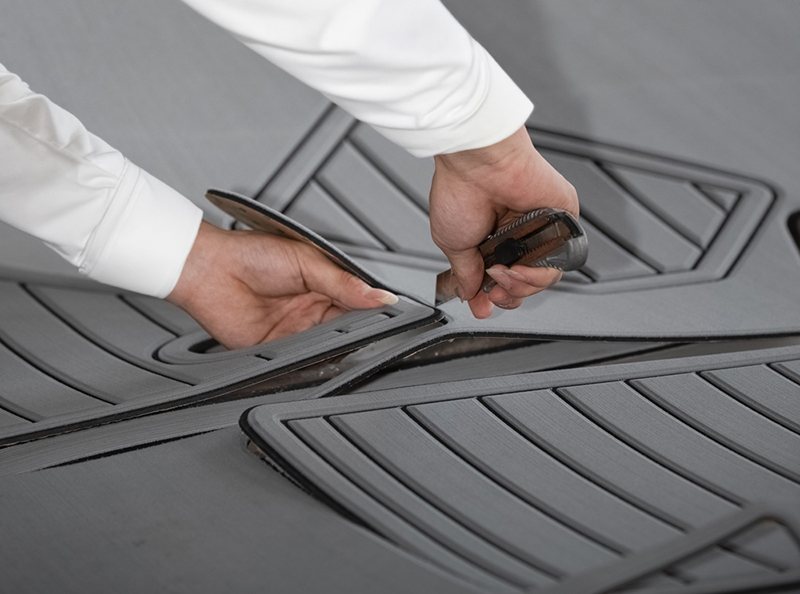
Marine refits require materials that balance lightweight construction with maximum mechanical endurance. Traditional teak decking adds substantial deadweight to a hull, negatively altering the center of gravity and degrading fuel efficiency on powerboats and sailing yachts alike. In contrast, modern synthetic marine foam decking weighs up to 75% less, delivering substantial hydro-efficiency benefits while providing authentic woodgrain aesthetics, bevel-routed caulking lines, and bespoke logos tailored to each yacht's profile.
Eliminates continuous oiling, chemical bleaching, sanding, and caulking repair cycles required by traditional organic timber decks.
Ultra-low density closed-cell structure preserves vessel fuel economy while absorbing rigorous footfall impact and hull vibration.
Engineered micro-textured traction surfaces retain wet friction values (ASTM C1028), ensuring total boarding and underway safety.
The functional supremacy of marine-grade faux teak resides in polymer formulation. Low-grade open-cell foams act like sponges, absorbing moisture, fish blood, diesel soot, and organic debris, inevitably leading to inner delamination and noxious bacterial odors. Our proprietary blend combines high-purity EVA foam with cross-linked polyethylene, resulting in a hermetic, closed-cell matrix impervious to fluid ingress.
Operating under intense maritime conditions requires uncompromising resistance to solar degradation. Standard consumer polymers quickly oxidize, harden, chalk, and lose elasticity when subjected to continuous UV radiation and high-salinity spray. Our advanced marine faux teak sheets integrate specialized UV-inhibitors and thermal stabilizers within the copolymer matrix. This protects against polymer chain scission, preventing thermal shrinkage and discoloration even under tropical solar exposure exceeding 1,200 kLy (kilo-Langley).
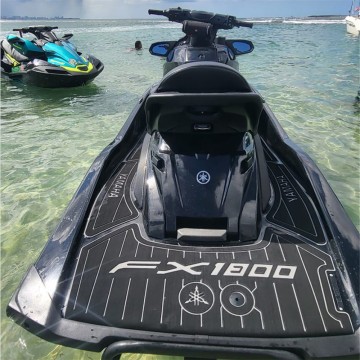
Upgrading boat flooring with synthetic teak is not limited to aesthetic refreshes; it solves complex ergonomic and structural challenges across diverse boat classes:
A flawless faux teak refit demands sub-millimeter precision. Modern marine refurbishment yards execute upgrades through a streamlined, multi-phase technical protocol:
1. Digitization & Laser Templating: The cockpit, casting decks, and swim steps are digitized using high-precision optical laser scanners or tactile digitizer arms, capturing every hatch hinge, livewell lid, and deck contour.
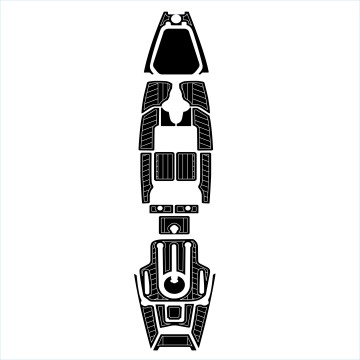
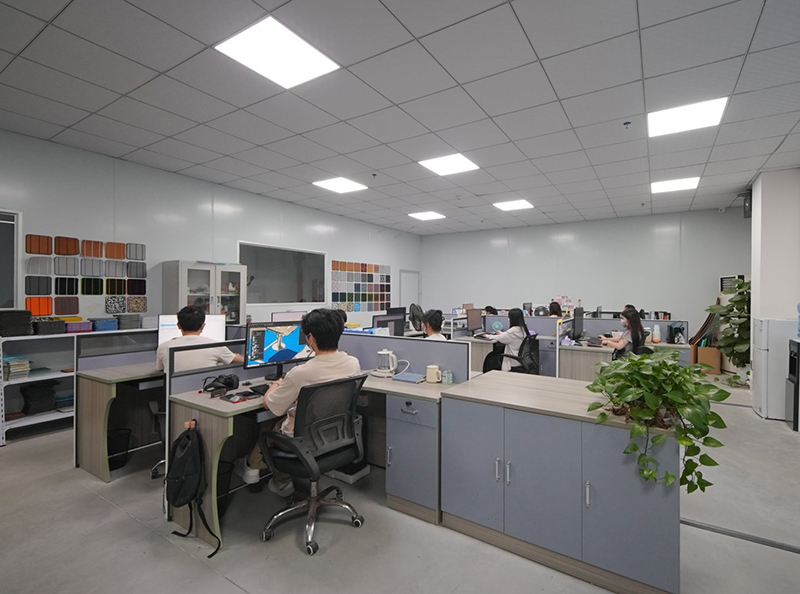
2. CAD/CAM Layout Engineering: Vector paths are generated, factoring in exact 5mm margin clearances around hardware, custom margin bevels (55-degree chamfers), integrated drainage channels, and personalized boat name engraving.
3. Multi-Axis CNC Routing: Multi-layer sheets (e.g., Teak Top over Black Base) are routed using high-speed diamond-tipped CNC spindles, exposing high-contrast caulk line grooves and sharp border styling.
4. Substrate Degreasing & 3M Bonding: The boat substrate is stripped of organic wax, oxidation, and oil residues with specialized solvent degreasers (Isopropyl/Acetone). The adhesive release liner is peeled, and the high-tack acrylic 3M 99786/9775WL adhesive is pressure-rolled to establish structural adhesion to fiberglass, aluminum, or composite substrates.


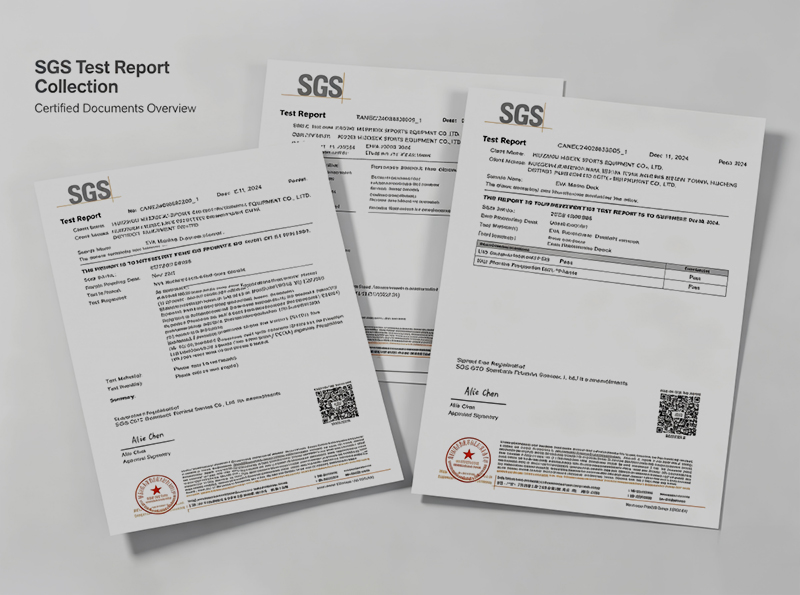
State-of-the-art automated foaming production lines, cleanroom lamination, and precision multi-spindle CNC machining guarantee flawless batch consistency.
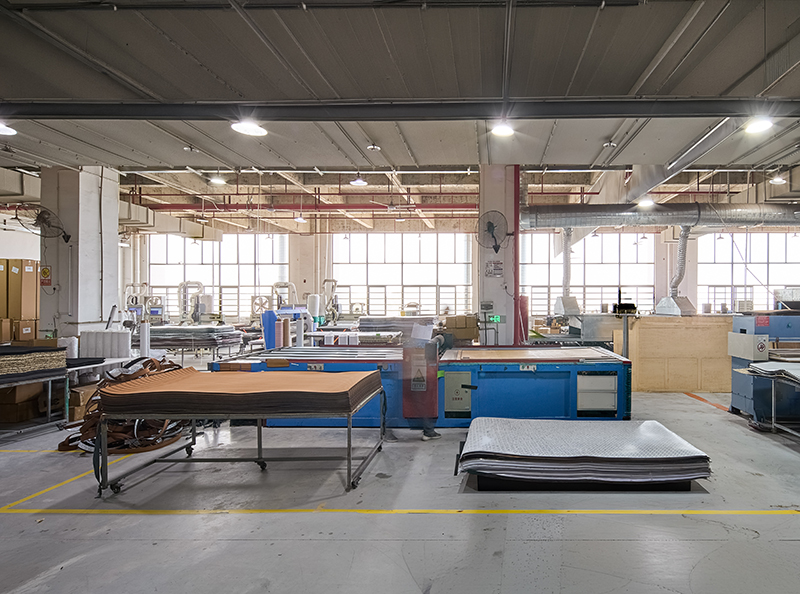
From a shipyard perspective, time in the drydock represents the single most significant operational cost variable. Traditional wood carpentry decks require weeks of manual templating, caulking cure times, and labor-intensive sanding phases. Synthetic EVA/PE faux teak transforms what was once a multi-week bottleneck into a 24- to 48-hour turn-key installation. Marine technicians can execute a full 40-foot motor yacht deck retrofit in a single afternoon once CAD layouts are verified.
For vessel owners, the lifecycle return on investment (ROI) is compelling. A conventional timber deck requires seasonal chemical washing, brightener applications, recurrent sanding that depletes wood thickness, and eventual total re-caulking every 5 to 7 years. Synthetic faux teak decking eliminates these recurring operational expenses completely. Simple freshwater rinsing or mild deck soap is all that is required to maintain a pristine, showroom-level presentation.
The synthetic marine flooring industry continues to evolve through rapid chemical and structural innovations. Next-generation faux teak solutions are integrating infrared-reflective micro-pigments that scatter solar thermal wavelengths, keeping dark teak shades up to 30% cooler under direct equatorial sunshine. Furthermore, advancements in closed-cell bio-based polymers and circular polyethylene compounding are paving the way for fully recyclable marine decking solutions that reduce ecological footprint without compromising marine resistance.
We can provide you with surface protection pads that are anti slip, waterproof, heat-insulating, earthquake resistant, and aesthetically pleasing on any object.
 Marine Decking & Custom Kits
Onboard Comfort & Utility Pads
Watersports & Fishing Gear
Other Marine Solutions