

- Home
- Products
- About Us
- Application
- Custom
- News
- Contact Us
Leave Your Message
-
Contact Email
Factory-tailored closed-cell marine foam decking engineered for exact vessel templates, offering effortless peel-and-stick installation, high tensile strength, and lasting UV defense.
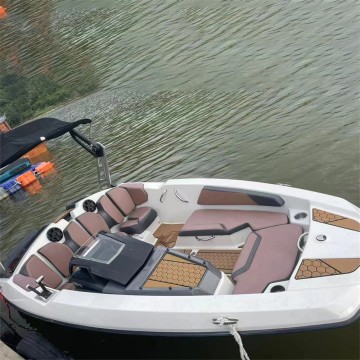
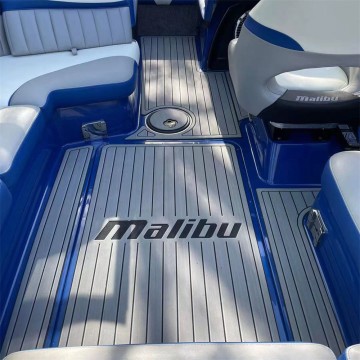
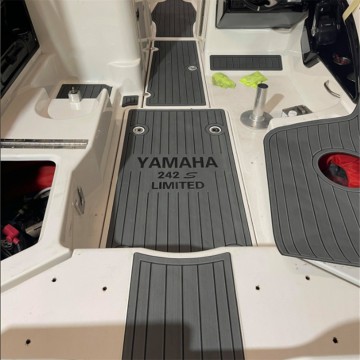
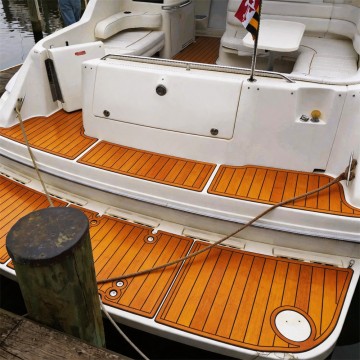
In modern naval architecture and recreational boating, the evolution of decking substrates reflects a continuous pursuit of safety, fuel efficiency, aesthetic customization, and acoustic comfort. For decades, natural Burmese teak, wet marine carpeting, and bare molded non-skid fiberglass served as the industry defaults. However, natural teak mandates exhaustive seasonal maintenance, chemical sealing, and heavy weight penalties, alongside mounting deforestation restrictions. Traditional marine carpets suffer from chronic water retention, mold incubation, and difficult odor remediation. Bare fiberglass, while structural, offers zero ergonomic cushioning and can become hazardous when coated in water, sun lotions, or marine fish oils.
Enter high-density, cross-linked, closed-cell Ethylene-Vinyl Acetate (EVA) and Polyethylene (PE) co-polymer foam. Specially synthesized with marine-grade ultraviolet inhibitors and microbial repellents, boat foam has revolutionized vessel surfaces from modest family runabouts to mega-yachts. The modern boat foam ecosystem is no longer merely an aftermarket convenience; it has transformed into an indispensable original equipment manufacturer (OEM) baseline specification worldwide.
Advanced photo-stabilizers protect the foam matrices against ultraviolet degradation, preventing surface chalking, brittleness, and excessive deck heat absorption even under prolonged tropical exposure.
Engineered with independent, closed-cell bubble formations, the foam maintains a completely impermeable barrier against saltwater, motor fuels, organic blood, and cleaning solvents.
Micro-textured brushed surfaces and precision embossed diamond channels rapidly disperse surface liquids, ensuring reliable non-slip traction under extreme offshore conditions.
CAD-driven digital patterning paired with multi-axis CNC routing enables complex multi-layer geometric designs, faux-teak routing, custom boat logos, and integrated vessel rulers.
Understanding the delicate equilibrium between EVA flexibility, PE tensile resilience, and structural shore hardness for yacht environments.
Standard consumer foam collapses under sustained compression. Marine-spec boat foam relies on a co-polymer blend balancing EVA (for resilient rebound and soft foot feel) with PE (for thermal dimensional stability and tear resistance). Shore hardness ratings between 50° and 65° ensure that high heels, cooler corners, and heavy dive gear do not puncture or permanently compress the material.
Marine foam decking performance hinges upon adhesive integrity. Premium kits leverage high-shear, solvent-free 3M acrylic adhesive transfer tapes engineered to adhere directly to gelcoat, aluminum, or wood. The chemically cross-linked adhesive cures aggressively over 72 hours, resisting peel failure caused by dynamic hull flexing, hydrostatic pressures, and engine engine heat transfers.
In high-speed performance catamarans and diesel-powered luxury yachts, engine vibrations translate directly into hull drumming. A 6mm to 9mm layer of closed-cell foam interrupts acoustic soundwave propagation, dropping cockpit ambient decibel levels by up to 4–7 dB while simultaneously eliminating radiant heat transfer from hot aluminum or fiberglass decks into the vessel cabin.


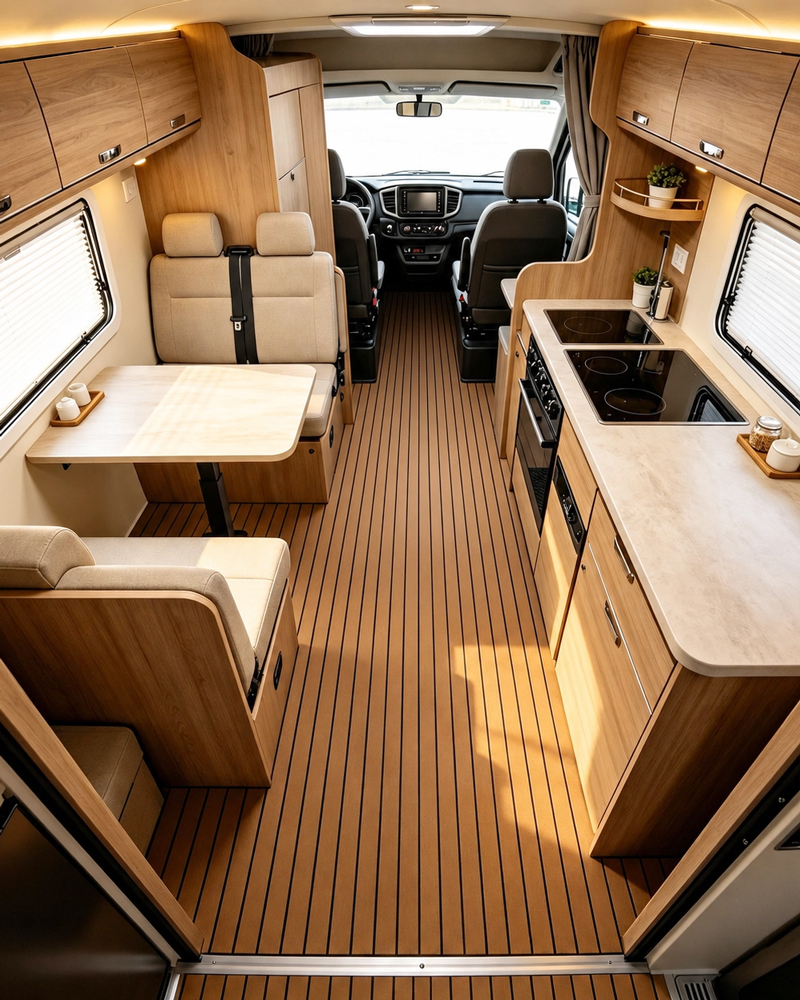

In blue-water angling tournaments and commercial charters, deck surfaces are continuously subjected to fish blood, motor lubricants, heavy salt spray, and abrasive ice chests. Boat foam with non-porous cross-linked cellular geometry prevents biological matter from embedding within microscopic cavities, eliminating stubborn stains and foul microbial odors with a simple pressure wash.
Furthermore, captains standing for 8 to 12 consecutive hours at the helm station often experience acute plantar fasciitis, lower back strain, and knee joint fatigue resulting from unrelenting hull pounding against oceanic chop. High-resilience EVA anti-fatigue helm pads absorb over 35% of repetitive kinetic shocks, safeguarding physical health and boosting navigational focus.
| Marine Performance Metric | Standard Marine Carpet | Natural Teak Wood | Engineered Closed-Cell Boat Foam |
|---|---|---|---|
| Hydrophobic Barrier | Poor (Saturates water) | Moderate (Absorbs moisture) | Superior (< 0.01% absorption) |
| Slip Resistance (Wet) | Low (Slick when soaked) | High (When maintained) | Maximum (Traction channeled) |
| Maintenance Burden | High (Vacuum, shampooing) | Extremely High (Oiling, sanding) | Minimal (Soap & fresh water) |
| Vessel Weight Add | Heavy (Water-logged) | Heavy (Dense hardwood) | Ultralight (Optimal fuel economy) |
| Thermal Comfort | Hot / Damp | Extremely Hot under midday sun | Cool, barefoot-friendly comfort |
The global marine decking market is rapidly accelerating toward digital customization and circular-economy materials. Digitalization in yacht refit centers now utilizes handheld 3D LiDAR scanners to capture boat floor curvatures down to the sub-millimeter level. This eliminates cumbersome manual Mylar film tracing, allowing naval designers to upload point-cloud models directly to CNC routers for flawless edge-to-edge boat foam mat fabrication.
Simultaneously, environmental regulations across Europe and North America are incentivizing the production of bio-based EVA resins and recyclable PE decking sheets. Modern closed-cell production facilities are actively integrating up to 25% post-industrial recycled marine plastics into sub-layer foam matrices without sacrificing UV elongation thresholds or tensile structural integrity. As electric propulsion systems gain prominence in recreational boats, minimizing vessel deadweight to optimize battery range makes lightweight closed-cell foam flooring an absolute imperative over traditional heavyweight materials.
Browse our factory-engineered replacement deck kits and custom boat foam accessories, fully compatible with industry-leading marine brands and harsh open-water environments.