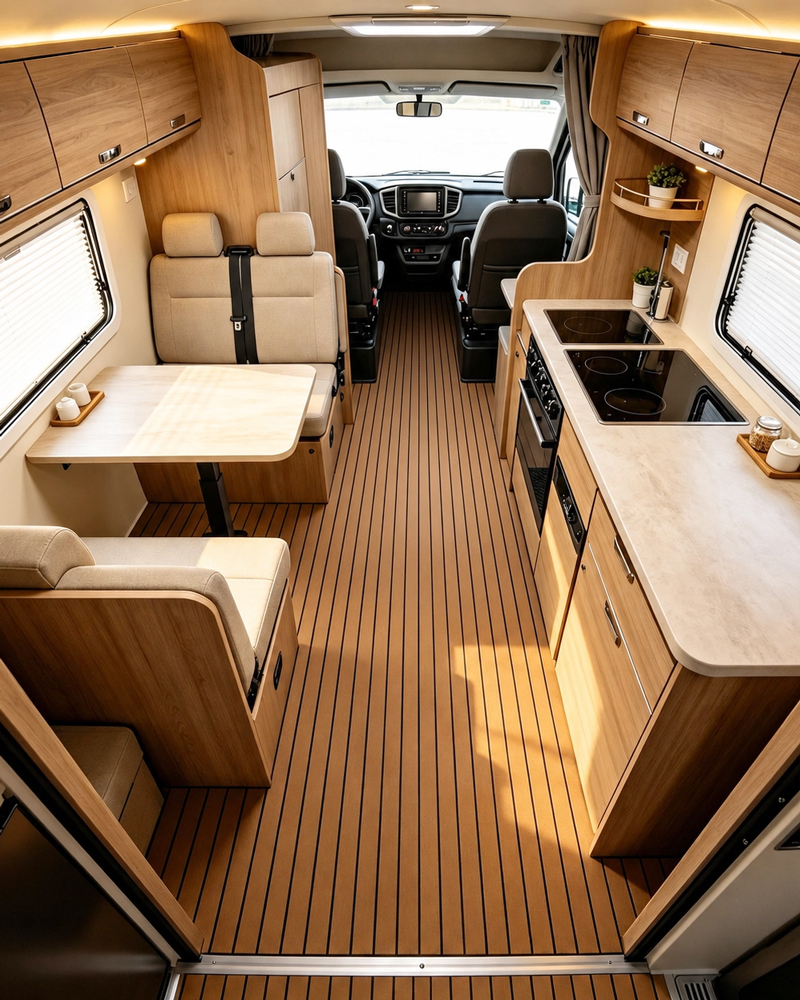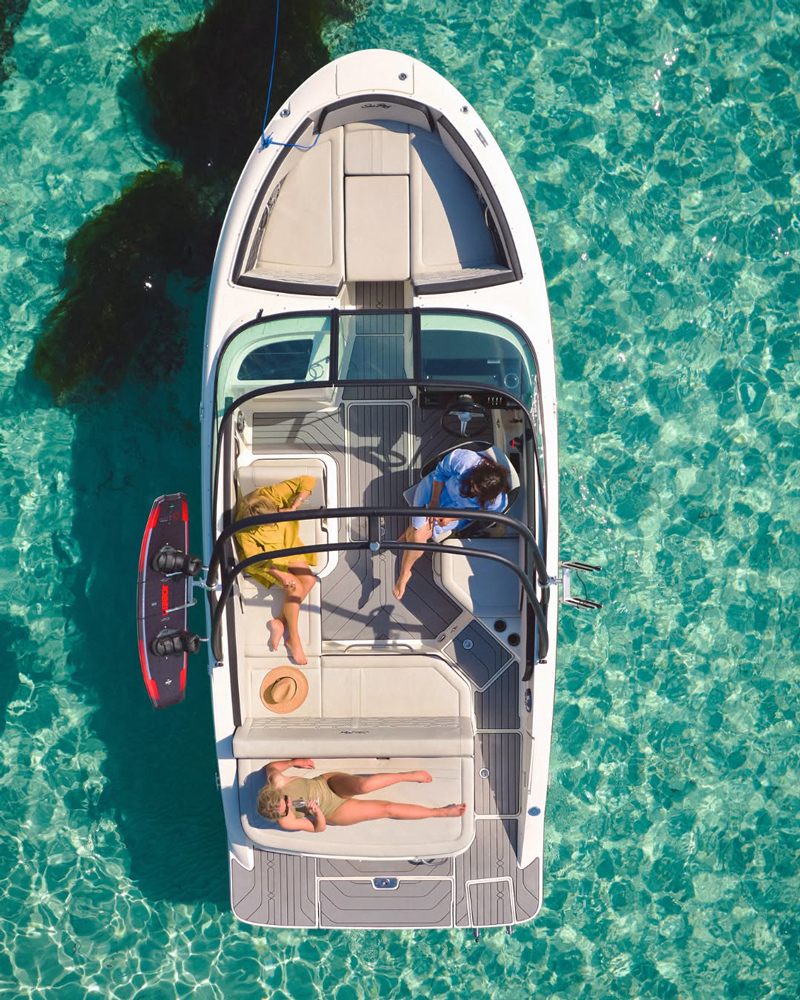
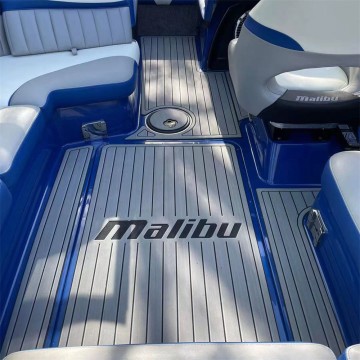
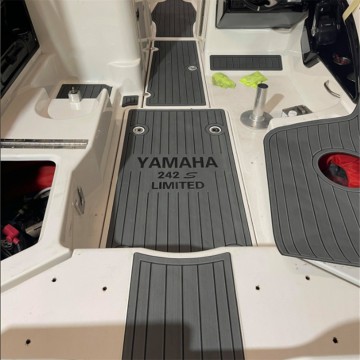
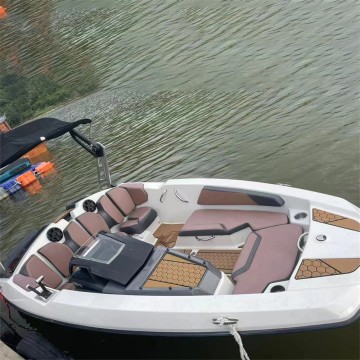
Explore our premium custom-machined EVA and PE decking sets optimized for sports boats, performance cruisers, and marine refit programs.
The global marine aftermarket and refit sector has experienced unprecedented transformation over the past decade. Aging fiberglass hulls, degrading traditional teak decks, and the rapid expansion of secondary boat sales have created massive demand for modern, lightweight, low-maintenance surface solutions. In this landscape, synthetic closed-cell ethylene-vinyl acetate (EVA) and cross-linked polyethylene (PE) foam flooring systems have shifted from a luxury customization trend to an essential standard across boatyards, OEM manufacturing lines, and commercial charter fleets.
Traditional marine decking materials, such as genuine teak or molded non-skid fiberglass, present substantial ongoing hurdles for boat owners and marine contractors. Teak requires persistent oiling, sanding, and caulking maintenance, while contributing substantial deadweight to performance vessels. On the other hand, raw gelcoat surfaces are prone to chalking, surface cracking, and offer minimal shock absorption, leading to severe passenger and crew fatigue over extended passages. Modern boat foam flooring directly solves these structural and operational challenges by introducing advanced closed-cell polymer composites backed by marine-grade pressure-sensitive adhesives (PSA).
Impermeable cell structures provide 100% moisture barrier protection, fully preventing waterlogging, oil contamination, mildew formation, and chemical deterioration.
Formulated with advanced optical stabilizers to endure extreme subtropical UV indexes, preventing color fading, surface chalking, and delamination over years of marine exposure.
CAD-to-CAM digital workflow provides razor-sharp tolerances (±0.5mm), custom bevel routing, non-slip brushed finishes, and bespoke laser-etched boat logos.
Marine refit projects impose strict engineering constraints on weight, adhesion reliability, and thermal insulation. Marine-grade EVA/PE foam formulations deliver a high strength-to-weight ratio, typically weighing only a fraction of synthetic PVC or solid wood alternatives. This weight reduction directly boosts vessel fuel efficiency, lowers the center of gravity, and enhances overall hull hydrodynamics during planing.
The microcellular structure absorbs engine bay vibrations and hull slap resonance, dropping cabin and cockpit ambient noise levels significantly for a smoother cruise.
Offering optimal deflection underfoot, EVA decking drastically mitigates joint fatigue, lumbar strain, and impact loads sustained across high-speed offshore chop.
Shields hot sunbaked gelcoat from conducting heat onto bare feet, while concurrently acting as a protective barrier against heavy drop impacts, anchors, and tackle gear.
Equipped with factory-laminated 3M marine adhesives, custom foam pads eliminate messy epoxy resins, enabling complete deck refits within hours instead of weeks.
1. Wake, Surf, and Ski Boats: High-energy watersports demand superior wet grip. Foam flooring around swim platforms, bow walk-throughs, and transoms ensures maximum safety for wakeboarders transitioning in and out of the water.
2. Offshore Center Consoles & Sportfishers: Anglers encounter salt spray, fish slime, and extended standing hours. Custom EVA mats with integrated measurement rulers, helm anti-fatigue pads, and coaming bolsters turn demanding tournament trips into comfortable experiences.
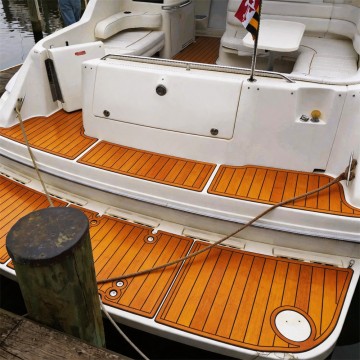
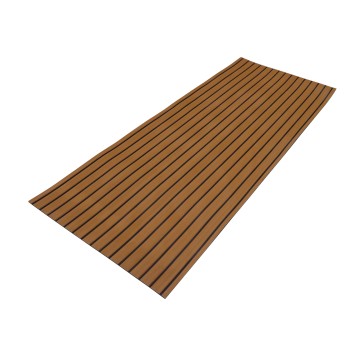
3. Luxury Motor Yachts & Express Cruisers: Older cruising yachts undergoing comprehensive modernization gain immediate visual value with faux teak plank patterns, dual-tone beveling, and seamless cockpit transitions.
4. Commercial Fleets & Watercraft: From charter catamarans to commercial diving vessels and tender ribs, foam decking offers an easily replaceable, non-hazardous, and cost-effective deck resurfacing solution.

The boat flooring industry is continuously progressing with new technological breakthroughs. Future-ready refit operations are rapidly embracing 3D digital photogrammetry and portable handheld laser scanners. Instead of manually templating boats with mylar plastic sheets, marine professionals can digitize complex cockpits within minutes, transferring high-resolution CAD files straight into multi-axis CNC routers for zero-waste production.
1. Thorough Substrate Decontamination: The key to permanent adhesive bonding is a clean deck. The surface must be stripped of old waxes, silicone residues, and oxidation using non-filming solvents such as denatured alcohol or acetone.
2. Dry Fitting & Alignment Verification: Prior to peeling adhesive liners, laying out the full kit ensures perimeter margins, hatch clearances, and drain channels align perfectly.
3. Pressure Activation: Pressure-sensitive marine adhesives require steady mechanical compression. Using an industrial rubber roller ensures uniform adhesive wet-out across the entire fiberglass surface, guaranteeing a permanent bond that withstands heavy saltwater exposure.
Engineered for perfect fitment, unmatched comfort, and long-term durability across all premier boat and outdoor recreational models.