Contact Us

For more information about our products or to schedule an appointment, complete the form below we'll get back to you as soon as we can.

Name:
Phone:
Company:
Message:
0%

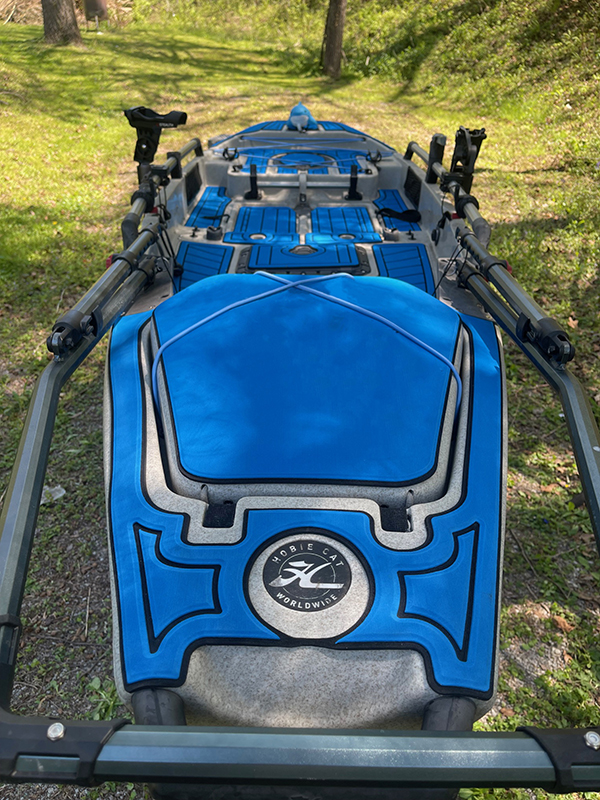
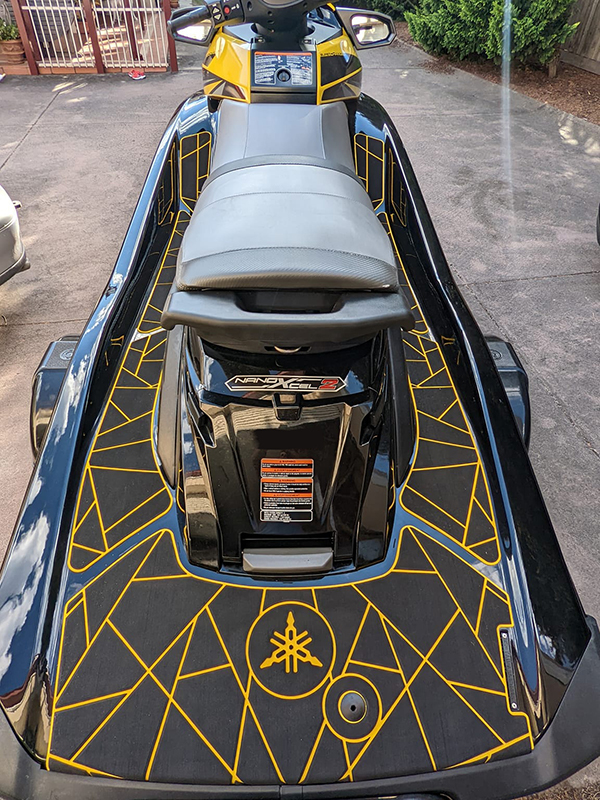
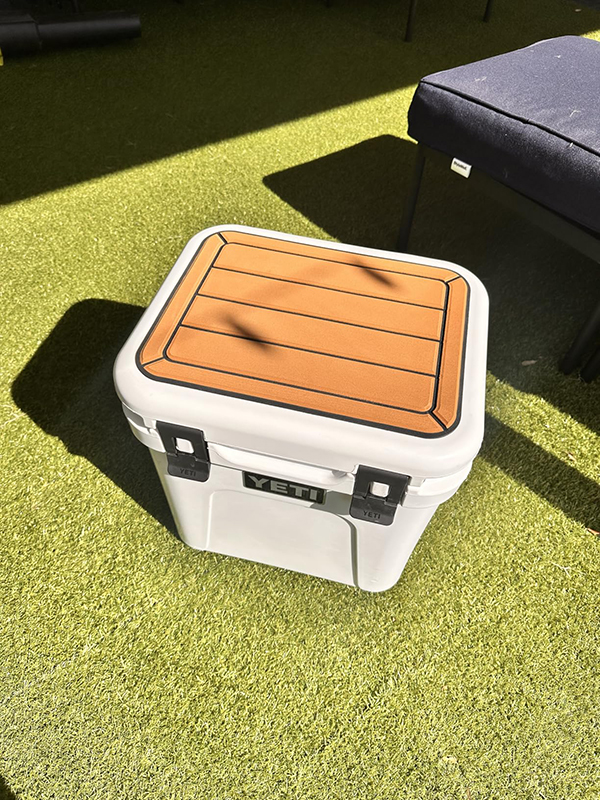
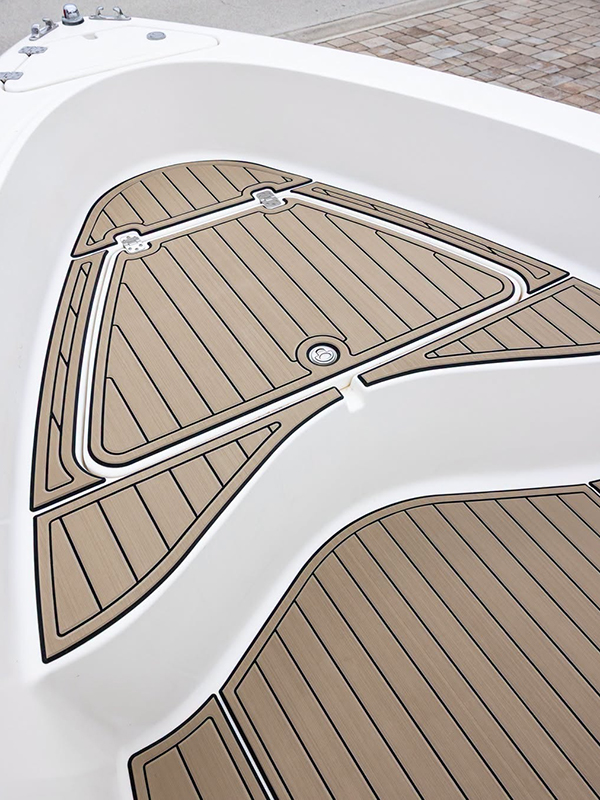
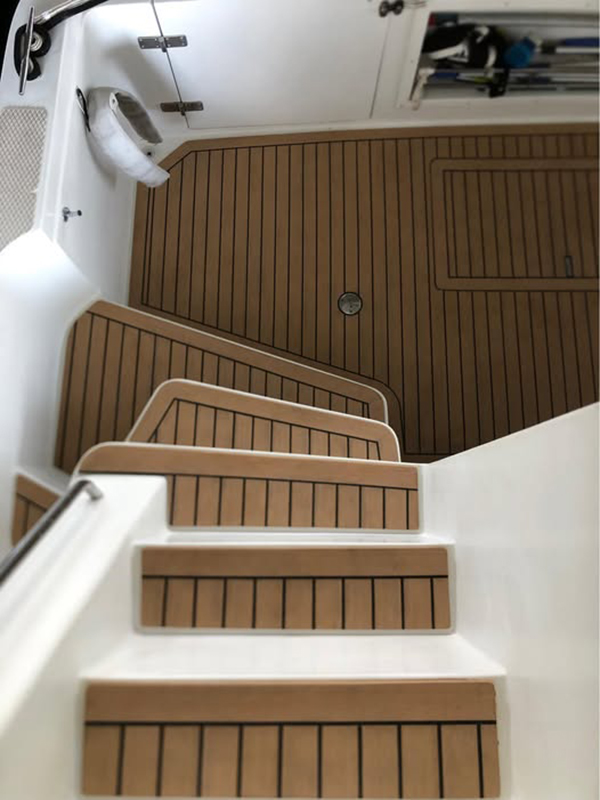
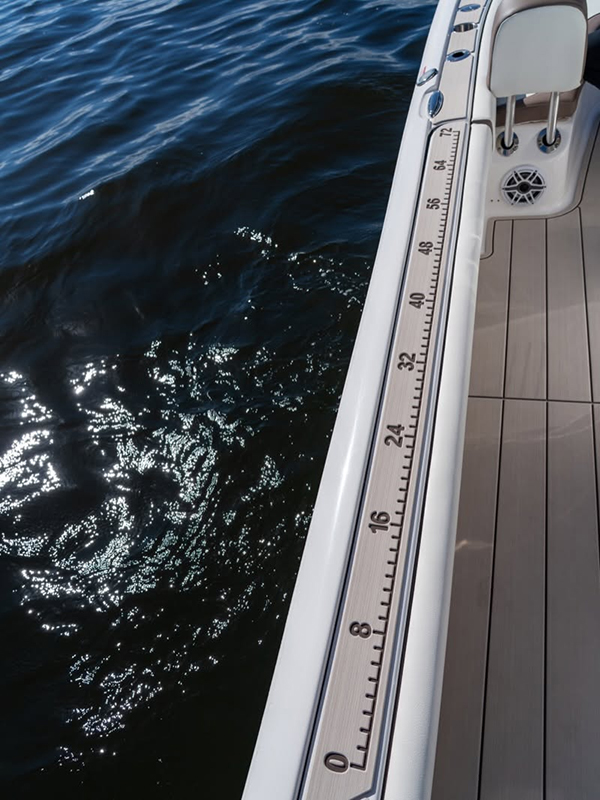
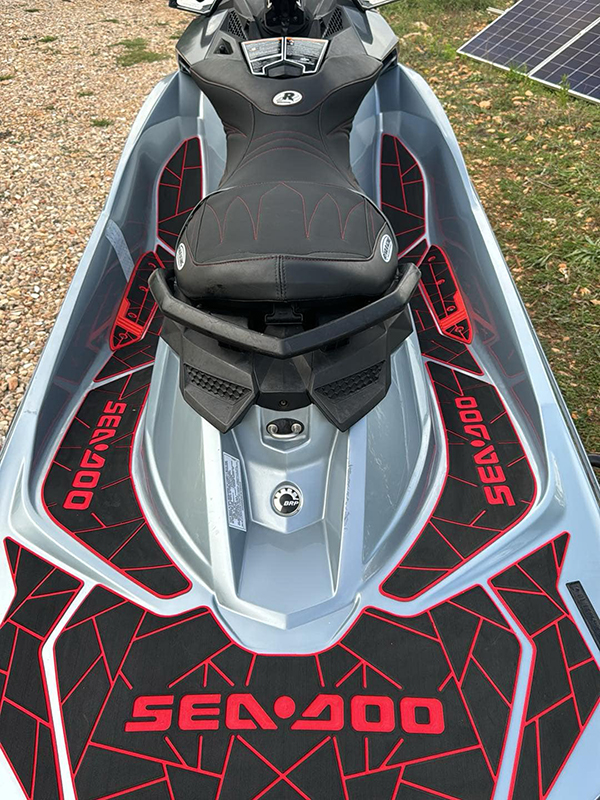
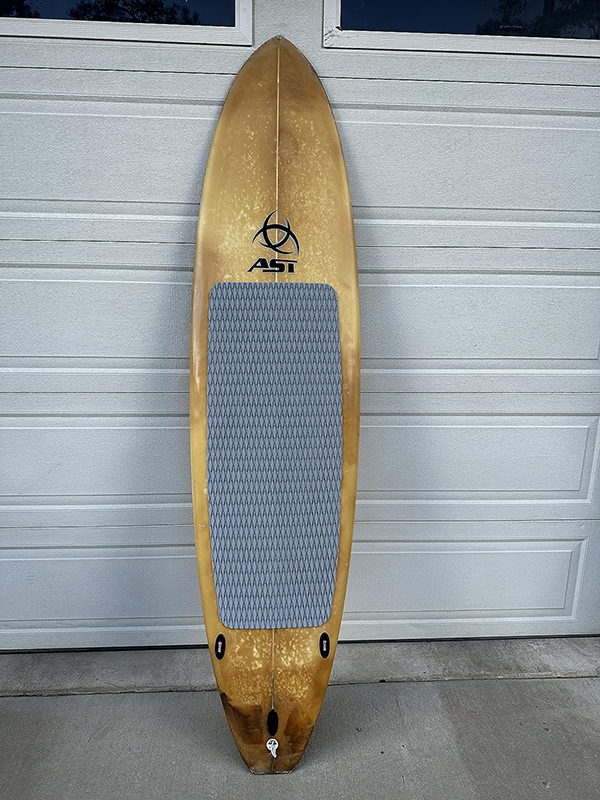
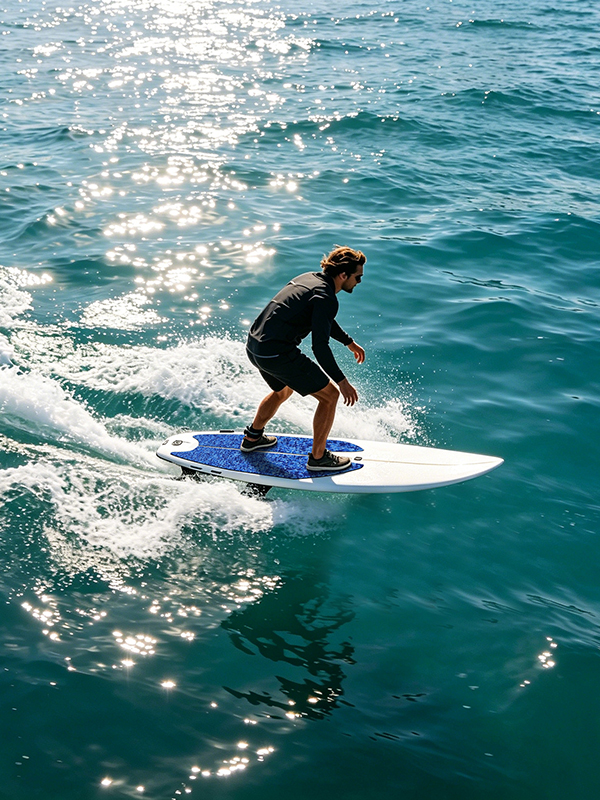
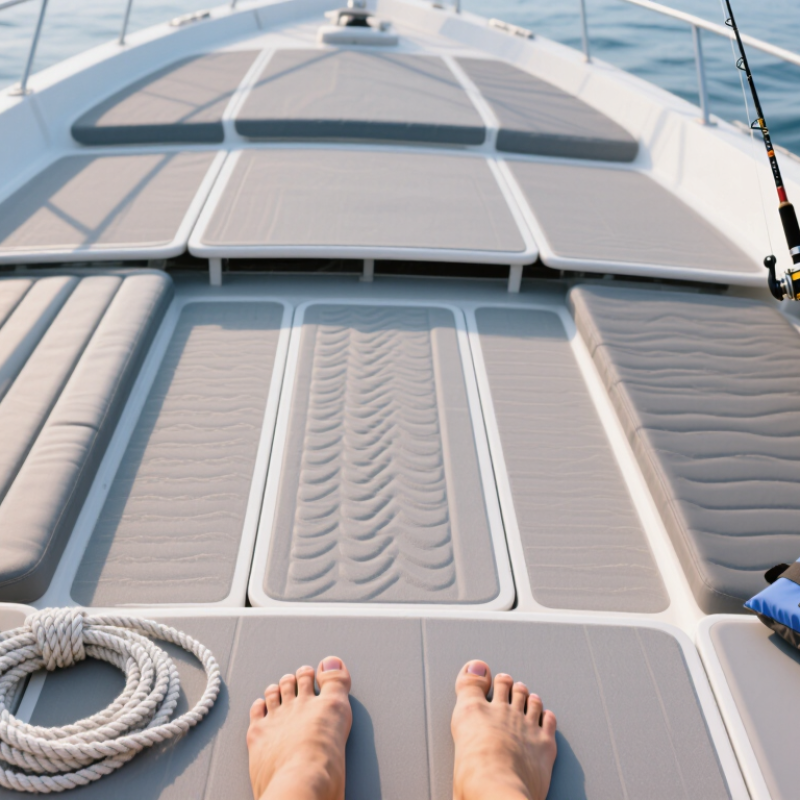
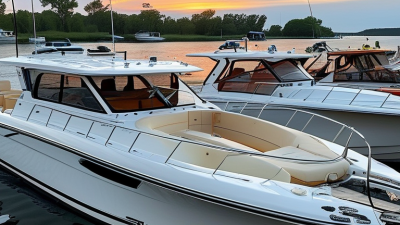
Why EVA boat flooring? Let's be honest—your deck goes through a lot. It's not just a surface you walk on; it's dealing with spray, sunscreen, dirt, heat, and long stretches in the sun. EVA flooring is a lighter, cushioned option compared to those hard surfaces, and the texture helps with grip and feels nicer underfoot. But don't get it twisted—no flooring is completely maintenance-free. Salt and grime can find their way into the grooves, so a good rinse every now and then goes a long way.

So, the National Marine Manufacturers Association did a survey and found that around 85 million Americans head out on the water every year. That's a huge number, and it kind of explains why boat owners care so much about comfort, upkeep, and durability. I mean, think about it—on a fishing boat, having softer flooring can be a lifesaver when you're standing by the console for hours. And on a family runabout, it's just nicer on bare feet, you know? So, Boat Eva Flooring can definitely be ordered in custom-cut layouts, but honestly, the fit and installation quality? That's where it gets a bit hit or miss.

Honestly, details matter more than people think. Before you settle on anything, it’s worth checking things like thickness, whether the adhesive will actually work with your setup, UV resistance, how you’re supposed to clean it, and what the warranty really covers. And don’t underestimate the value of ordering a sample first — ideally, look at how the deck holds up after a full season. One caveat: I haven’t been able to find a verifiable quote from a named EVA boat-flooring expert, so I’m not going to make one up. That kind of caution is part of the deal here. Ultimately, the best pick depends on your boat, your climate, and how you really use the space.

Why Choose EVA Boat Flooring for Your Boat?

What EVA Boat Flooring Is and How It Is Made

Why Choose Eva Boat Flooring for Your Boat?
What EVA Boat Flooring Is and How It Is Made

Eva Boat Flooring is a lightweight, cushioned surface made from ethylene-vinyl acetate foam. It is commonly used on boat decks because it feels softer underfoot than bare fiberglass or metal. Many sheets have a textured top to improve grip when the deck is damp. The foam is usually closed-cell, so it absorbs less water than open-cell materials. That does not mean dirt or moisture can never collect around its edges.

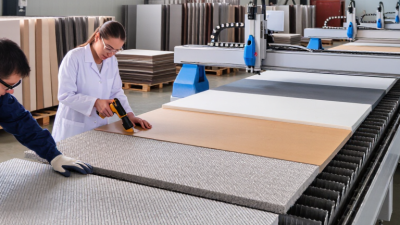
During production, EVA resin is combined with foaming agents, pigments, and other additives. Heat and pressure expand the mixture into sheets with a consistent thickness. Manufacturers then cut the sheets, add surface patterns, and may apply an adhesive backing. Processes vary, so check the product details rather than assuming every sheet has the same density or weather resistance.

Tips: Clean and dry the deck before installation. Test a small piece first, especially on an older surface. A neat fit takes patience; corners can be fiddly. Also inspect seams regularly, since trapped grit or lifting edges may need attention.

Why Choose EVA Boat Flooring? How It Is Made

EVA (ethylene-vinyl acetate) is a lightweight, flexible polymer often made into closed-cell foam for boat flooring. This chart shows a generalized production sequence—not measured performance data. Exact methods and step order can vary by product.

How EVA Flooring Performs in a Marine Environment

Why Choose EVA Boat Flooring for Your Boat?
How EVA Flooring Performs in a Marine Environment

EVA flooring adds cushioning underfoot and a textured surface for everyday movement aboard. Its closed-cell foam resists absorbing water, which can make it more comfortable than a bare deck. But grip depends on the texture, dirt, and footwear. Fish slime or sunscreen can make any surface slippery. Real conditions matter.

Sun and salt test flooring over time. Marine-grade EVA can handle routine exposure, but prolonged sunlight may fade or stiffen it. Rinse away salt and grit with fresh water, then use a mild cleaner and soft brush. Avoid harsh solvents unless the flooring manufacturer confirms they are suitable. Check adhesive edges regularly; poor preparation or trapped moisture can cause lifting. A loose corner is easy to miss until it catches a shoe. Heavy gear may also leave compression marks.

Tips: Test cleaners on a small area first. Dry the deck before installation, and follow the adhesive’s curing instructions. Inspect seams after rough weather. EVA is not maintenance-free, and that is worth remembering. Its comfort and traction are useful, but regular care helps preserve them.

Key Benefits of EVA Foam on Boat Decks

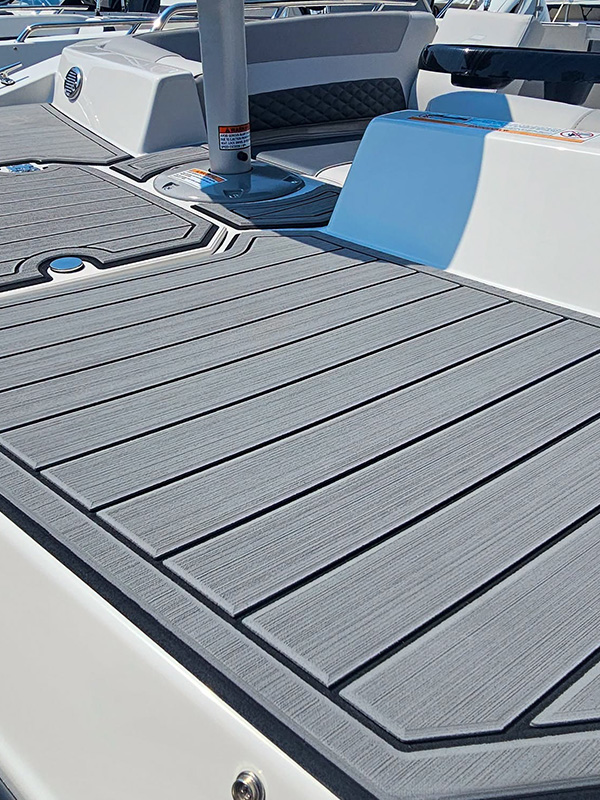
EVA foam can make a boat deck more comfortable underfoot, especially during long days of standing at the helm or handling gear. Its slightly cushioned surface also offers grip when the deck is damp, though traction depends on the texture and how clean the flooring stays. Small details matter. A wet footprint, fish scales, or sunscreen can change how secure a step feels. The cushioning may also soften the impact of dropped tools, but it cannot protect the deck from every dent.

Boat Eva Foam Flooring is valued for its low weight and the option to cut panels around seats, hatches, and storage lids. Its closed-cell structure resists soaking up water, which can make routine rinsing easier. I would not call it maintenance-free. Sand can wear the surface, and prolonged sun exposure may fade some materials. Clean spills promptly, use a gentle cleaner, and inspect panel edges for lifting. There is a trade-off: textured surfaces improve grip but can take more effort to scrub. It is worth checking a small area first, since cleaning results vary.

Limitations to Consider Before Choosing EVA Flooring

EVA boat flooring can soften hard fiberglass under bare feet, but comfort comes with trade-offs. On a sunlit deck, dark foam may become noticeably warm, and prolonged exposure can fade its color. Temperature changes may also affect how the material and adhesive sit against the deck.

Small gaps can collect sand, fish scales, or dried salt. They are easy to overlook. The foam’s cushioning can compress under chair legs, coolers, and repeated foot traffic. It may also show cuts from sharp gear.

Eva Teak Boat Flooring is not a substitute for repairing a damaged deck; the surface underneath still needs to be sound, clean, and dry before installation. Adhesion depends heavily on preparation, and removing old foam later can take patience.

I have seen neat-looking layouts become frustrating around hatches and curved edges. Measure twice. A sample helps, though it cannot fully predict how the flooring will feel after a hot afternoon or months of use.

Check cleaning guidance and deck compatibility before committing.

How to Select EVA Flooring for Your Boat

How to Select EVA Flooring for Your Boat

Start with the deck, not the color. Measure each area, including hatch covers and curved edges, and note where water collects. A paper template can reveal awkward corners before you order. Check the deck surface for old adhesive, wax, or loose coating; EVA needs a clean, sound base. Small details matter.

Choose a thickness and texture that suit how you use the boat. A softer, thicker sheet may feel better underfoot, but can sit awkwardly around latches or tight fittings. For wet steps and fishing areas, look for a texture that grips without being harsh on bare feet. Ask for material specifications on UV resistance and adhesive compatibility. Then test a sample in direct sun. Dark colors may get hot, while pale ones can show stains.

Think about installation and upkeep, too. Peel-and-stick backing can simplify the job, but temperature and surface preparation affect adhesion. Follow the maker’s installation guidance, and avoid stretching the foam around corners. I find this easy to underestimate: a neat layout takes longer than expected. Leave access to drains and removable hardware. Check how the flooring responds to your usual cleaners before covering a large area.

Why Choose EVA Boat Flooring for Your Boat? - How to Select EVA Flooring for Your Boat

Selection Factor Options to Consider Why It Matters How to Choose
Flooring material Closed-cell EVA foam sheets or pads EVA foam is lightweight and provides a cushioned surface. Closed-cell construction generally absorbs less water than open-cell foam, but seams and edges can still admit water. Check the product specifications for water absorption, intended marine use, and care instructions.
Thickness Common offerings include approximately 5 mm, 6 mm, and 10 mm; availability varies. Thicker foam can feel more cushioned, but it may change deck height and affect clearances around hatches, latches, and fittings. Measure clearances first. Choose thickness based on comfort needs and the available space on the deck.
Surface texture Brushed, embossed, or grooved finishes Texture affects underfoot feel, drainage, and how easily dirt can be removed. Grip can vary when surfaces are wet, oily, or contaminated. Request a sample and assess it with clean, wet footwear. Follow the maker’s cleaning guidance to maintain the surface.
Color and pattern Light or dark colors; solid or contrasting patterns Color influences appearance and how noticeable dirt, scuffs, and fading may be. Dark surfaces can become hot in direct sunlight. Consider sun exposure, cleaning habits, and deck layout. Check a sample outdoors because lighting can change its appearance.
Sun and weather exposure Products with documented UV and outdoor-weather performance Sunlight and weather can contribute to color change or material deterioration. UV performance is formulation-dependent. Review test information and warranty terms for the specific product; do not assume all EVA flooring has the same UV resistance.
Installation method Self-adhesive backing or a separate adhesive system Adhesion depends on deck material, surface preparation, temperature, and exposure conditions. Poor bonding can cause lifting at edges or seams. Confirm compatibility with the deck surface. Clean and dry the deck, and follow the specified installation temperature and curing instructions.
Deck layout and fit Pre-cut pads or sheets cut to a measured template Accurate fit helps keep access to drains, fasteners, hatches, and service points clear. Measure the deck, account for curves and removable panels, and avoid covering drainage paths or inspection access.
Cleaning and maintenance Routine rinsing and cleaning with products approved for the flooring Sand, spills, and residues can collect in textured surfaces and may affect appearance or footing. Check the care instructions before using solvents, harsh chemicals, or abrasive tools. Rinse away salt and debris as needed.
Best-use area Cockpit, swim platform, walkway, or other deck area Different locations have different levels of foot traffic, water exposure, and exposure to equipment or sharp objects. Match the product’s stated use to the location, and consider whether the area needs extra abrasion resistance or frequent cleaning.

Installation and Care for Long-Term Performance

A clean installation begins with a dry, level deck. Before cutting, check the surface for loose paint, old adhesive, and raised screws. Remove debris, then let the deck dry completely; trapped moisture can weaken the bond. Measure each section twice, especially around hatches and seat bases. Dry-fit the pieces before removing their backing. Mark alignment points with removable tape. Small details matter. Apply the flooring gradually, pressing from the center outward to push out air pockets. Follow the kit’s temperature and curing instructions, and avoid walking on fresh adhesive too soon. Eva Boat Flooring Kits can simplify planning, but careful measuring still makes the difference.

For routine care, rinse away salt, sand, and fish residue with fresh water. Use mild soap and a soft brush for stubborn dirt, then rinse again. Avoid harsh solvents, abrasive pads, and concentrated pressure near seams, which can lift edges over time. Let the surface dry before covering the boat. Inspect corners and cutouts every few weeks; early repairs are usually simpler than replacing a larger section. If an edge begins to lift, clean and dry the area before using a compatible repair method. It is tempting to rush cleanup after a day on the water. That is often when grit gets ground into the texture. A quick rinse helps.

Choosing Custom EVA Anti-Slip Deck Mats for Fishing Boats: Performance, Design, and Factory Solutions

Choosing a custom EVA anti-slip deck mat for a fishing boat starts with the conditions it must handle. Wet decks, saltwater, and strong sunlight call for closed-cell, marine-grade EVA that resists water, UV exposure, stains, and odors. Its textured surface helps anglers keep their footing while casting or moving around the cockpit, while the cushioned material can ease foot fatigue on long trips and guard the deck against scratches and daily wear.

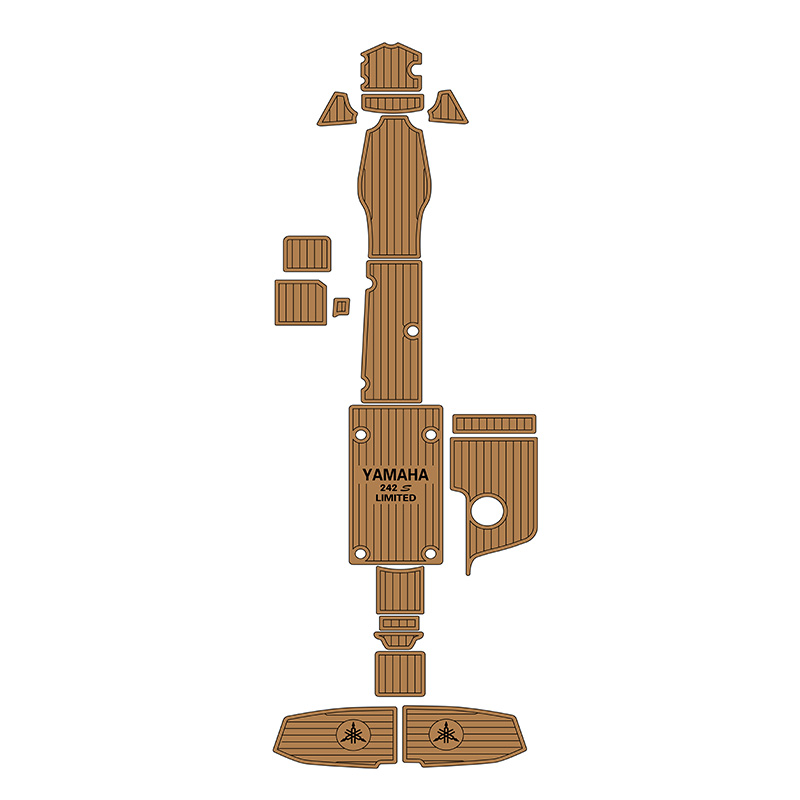
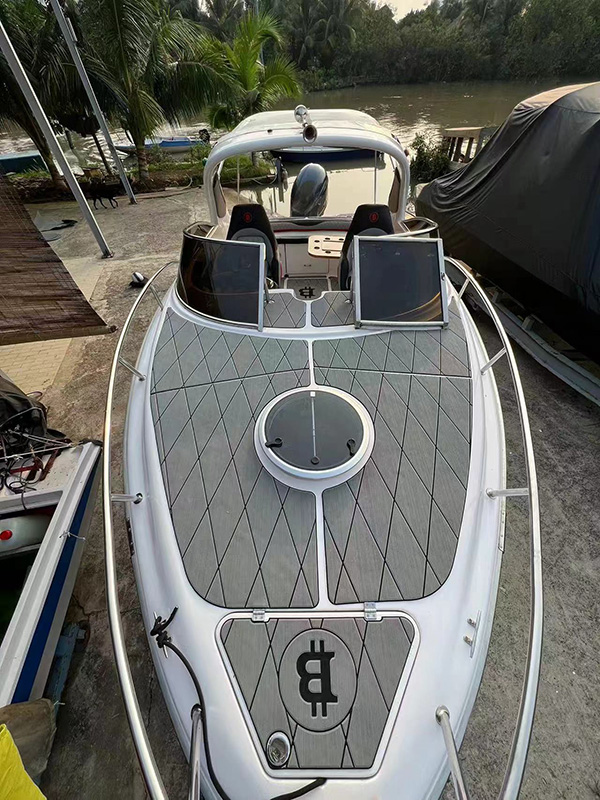
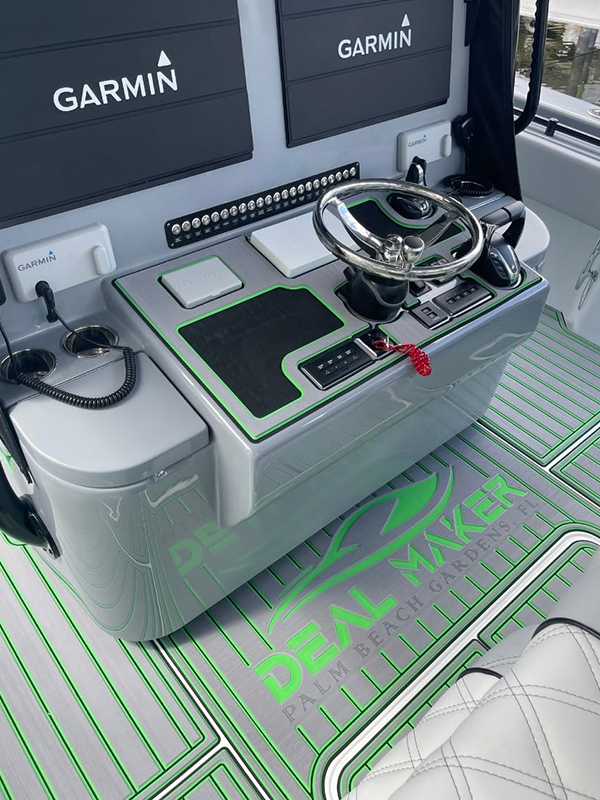
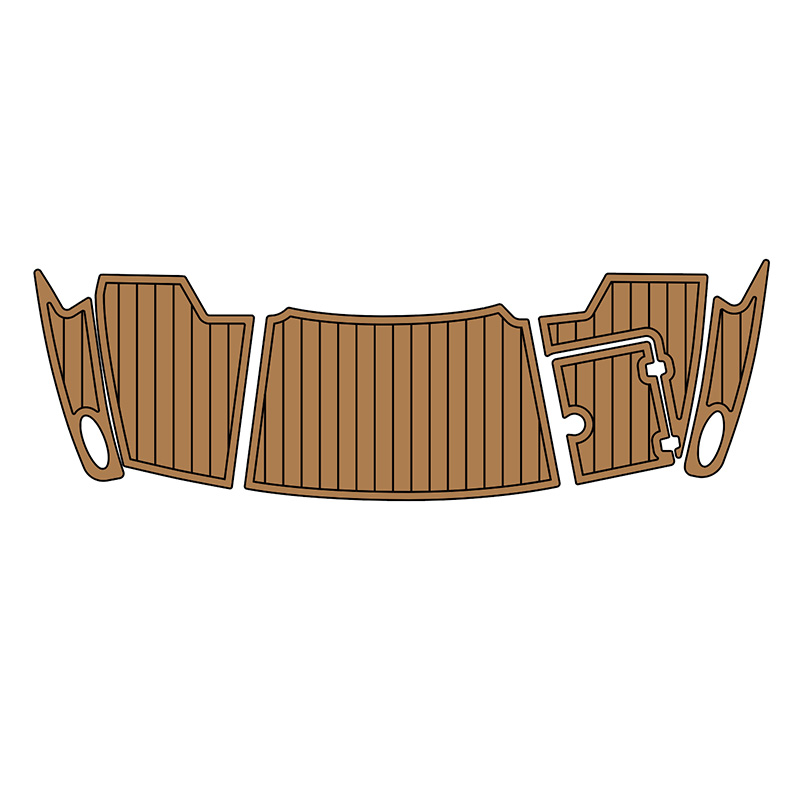
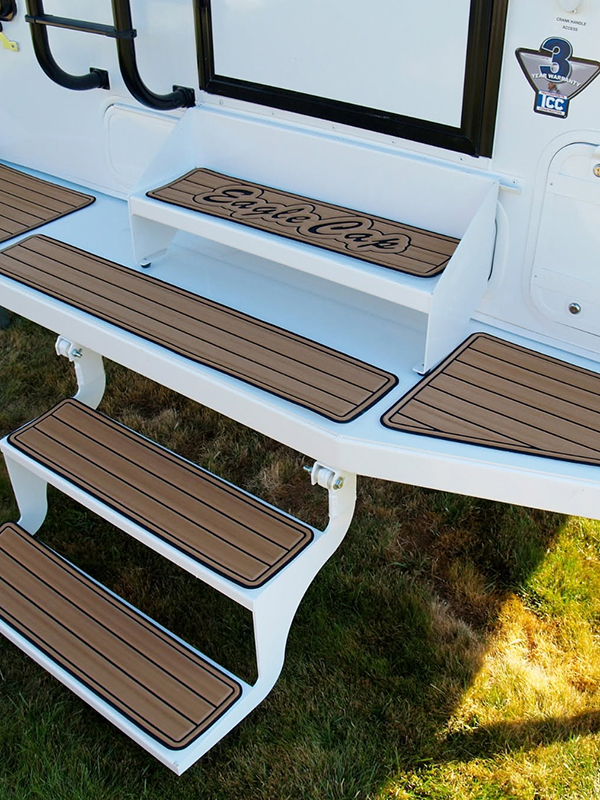
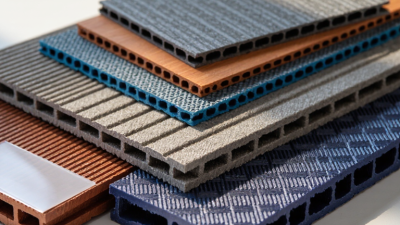
Design choices can be tailored to both the boat and its use. Select from patterns such as vertical brushed grain, diamond, or honeycomb, then match the mat to the vessel with standard or custom colors, two-tone combinations, and wrapped edges. Full-size scanning and precision CNC cutting allow factory teams to create fitted sections for casting platforms, cockpit floors, and storage areas. Pre-cut installation holes and segmented layouts help simplify fitting and achieve a neat finish.

For boat builders, marine suppliers, customization shops, and individual anglers, working directly with a capable factory can make it easier to specify dimensions, textures, colors, and layout details in one coordinated order. The result is a practical deck surface designed around the fishing boat rather than a generic flooring shape.

FAQS

Does EVA flooring absorb water?

Its closed-cell foam resists water absorption, making it more comfortable than a bare deck. It still needs care.

Is EVA flooring always slip-resistant when wet?

No. Texture, dirt, footwear, fish slime, and sunscreen can affect grip. Test it in real conditions.

How should I clean EVA flooring?

Rinse away salt and grit with fresh water. Use mild cleaner and a soft brush.

Can sunlight damage EVA flooring?

Prolonged sun exposure may fade or stiffen it. Dark flooring can also feel hot underfoot.

What should I check before installation?

Measure around hatches, curved edges, drains, and fittings. A paper template can reveal awkward corners.

How can I help the flooring stick securely?

Start with a clean, dry, sound deck. Follow curing instructions and avoid stretching foam around corners.

What thickness and texture should I choose?

A thicker sheet may feel softer, but can interfere with latches. Choose texture for wet steps and bare feet.

How often should I inspect EVA flooring?

Check seams and adhesive edges after rough weather. A loose corner can hide until it catches a shoe. Small details matter.

Does EVA flooring need much maintenance?

It is not maintenance-free. Test cleaners on a small patch, and remember that heavy gear may leave marks. I still underestimate layout time.

Conclusion

Eva Boat Flooring is a cushioned marine decking material made from closed-cell EVA foam, shaped into sheets or panels and finished with a textured surface. Its resistance to water, dependable grip, shock absorption, and comfortable feel can make it a practical choice for boat decks exposed to sun, spray, and regular foot traffic. It may also help reduce noise and offer a range of colors and patterns. However, EVA can wear, fade, stain, or lose adhesion over time, so it may not suit every deck or maintenance preference.

When choosing Eva Boat Flooring, consider the deck’s size and shape, the foam’s thickness and texture, UV resistance, drainage, and how easily it can be cleaned. Careful surface preparation and accurate cutting are important for a secure installation. Regular rinsing, prompt cleanup of spills, and gentle cleaning help preserve its appearance and performance for longer.

Madeline

Madeline

Madeline is a seasoned marketing professional with a profound expertise in marine EVA formulation and precision CNC fabrication. Her extensive background equips her with the knowledge to craft effective strategies that showcase the company's unique offerings to global marine retailers and yacht......
Previous China Best EVA Boat Flooring Supplier?