Leave Your Message
0%

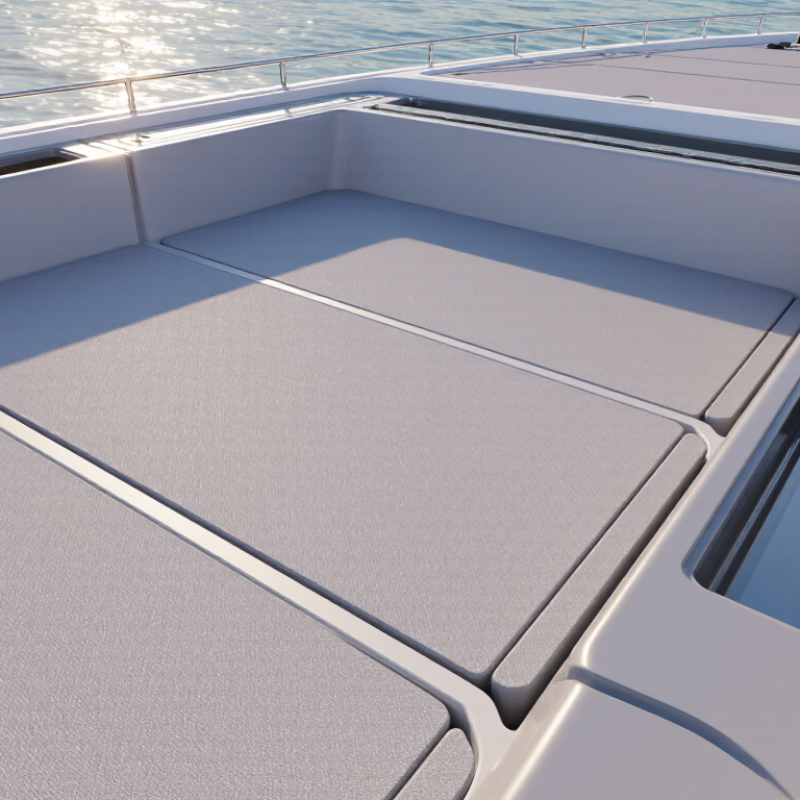
Choosing the right Boat Foam Decking can really make a difference in how your boat feels, performs, and even ages over time on the water. You want a deck that offers solid traction, feels comfortable under your feet, and can handle sunlight, saltwater, and regular cleaning without falling apart. Plus, it’s gotta match your boat’s layout — because a fishing boat, a sailing yacht, and a family pontoon all have their own specific needs.

If you’re experienced with boats, you know it’s not just about looks. Many folks check things like foam density, how good the adhesive is, thickness, surface texture, and how well it drains around hatches. It might feel nice and soft at first, but if you’re hauling around heavy gear, that softness could be a problem—it might compress or wear out faster. Denser foam usually holds up longer, but it might not feel as plush when you’re barefoot. And don’t forget about color! Dark shades can get really hot when they’re sitting in the sun for hours.

Make sure to measure carefully before you order. It’s a good idea for professionals to create a full template first, especially when ordering custom panels. Tiny mistakes around rails, consoles, or storage lids can leave gaps that are pretty noticeable. And of course, installation is all about preparing a clean, dry surface — anything like grease, wax, or moisture hiding underneath can seriously mess things up, even with top-quality decking. Sometimes folks overlook this detail, but trust me, it’s a big deal.

There’s no one-size-fits-all material out there. Your choice should depend on your budget, how much maintenance you’re willing to do, the climate where you boat, and what you’re planning to use it for. Sometimes, folks just go for the cheapest option and end up regretting it later. Others pick expensive decking without thinking about how easily they can get to the underlying layers or deal with daily wear and tear. Reviews can be really helpful, but always take them with a grain of salt — actual experiences matter most. A reliable supplier should provide clear specs, installation tips, and good support. Basically, the best pick is one that’s practical, proven, and suited to your boat’s actual conditions.
How to Choose Boat Foam Decking for Your Boat?

Understanding the Purpose and Benefits of Boat Foam Decking

Boat foam decking is more than a soft surface underfoot. It improves traction when the deck is wet, reduces glare, and makes long trips less tiring. The closed-cell foam structure resists water absorption, while its cushioning can protect knees and bare feet during fishing or maintenance. It also helps reduce sharp movement noise. That matters in quiet waters.

The right decking should match your boat’s real use. A fishing boat may need firm, textured foam around the casting area. A family boat may benefit from softer panels near seating and swim platforms. Measure every section carefully, including hatches and curved edges. Poor measurements create gaps, and gaps collect dirt. Check the adhesive requirements, surface temperature, and cleaning instructions before installation. A clean, dry, lightly prepared deck usually gives better results.

I once underestimated surface preparation. The foam looked perfect for several days, then one corner lifted after repeated heat and moisture. Foam is not magic. It cannot fix loose flooring or hidden corrosion beneath the deck. Choose suitable thickness, drainage-friendly textures, and colors that do not become painfully hot under sunlight. Press the material firmly, especially along edges and around hardware. Leave space for inspection panels, because convenient access is easy to forget during installation.

Comparing Foam Decking Materials, Textures, and Construction Methods

How to Choose Boat Foam Decking for Your Boat?

Choosing boat foam decking starts with the boat’s actual use, not appearance. EVA foam is lightweight, soft under bare feet, and easy to cut around hatches. Closed-cell construction resists water absorption, but poor bonding can still cause lifting. PVC foam may feel firmer and tolerate heavier traffic, yet it can become less comfortable under strong sunlight. Rubber-based options offer strong grip, though they may add weight and odor. In my experience, a sample under wet feet reveals more than a catalog photograph.

Texture affects safety and cleaning. Brushed surfaces feel gentle, but fine grooves can hold sand and fish scales. Deep diamond patterns improve traction in spray, although they may press into knees. Flat foam cleans quickly and suits cockpit seating. Adhesive-backed sheets install faster, but the substrate must be dry, smooth, and degreased. CNC-cut panels look precise; hand-cut edges sometimes expose small gaps. Those gaps are easy to ignore at first.

Tips: Compare samples when wet, dry, and heated by sunlight. Press each sample with bare feet and inspect its recovery. Check the adhesive after several temperature changes. Leave space around hatches for expansion. Measure twice. Cut once. Also, avoid judging comfort from texture alone; drainage, thickness, and installation quality matter just as much. My own mistake was choosing a deep pattern that looked secure but collected stubborn debris after every trip.

How to Choose Boat Foam Decking for Your Boat? — Comparing Foam Decking Materials, Textures, and Construction Methods

Foam Material Typical Construction Surface Texture Water Absorption UV and Weather Resistance Traction When Wet Comfort and Heat Performance Installation Considerations Best-Suited Applications
Closed-cell EVA foam Cross-linked foam sheet, commonly supplied with a pressure-sensitive adhesive backing Brushed, embossed, grooved, or faux-teak pattern Very low; closed cells limit water penetration Good when formulated with UV stabilizers; prolonged sunlight can still cause fading or surface aging High Soft underfoot and more comfortable than bare fiberglass, aluminum, or gelcoat; reduces reflected heat Requires a clean, dry, smooth, and properly prepared surface; accurate templates help prevent gaps and misalignment Cockpits, swim platforms, bow areas, walkways, and fishing decks
Open-cell polyurethane foam Flexible foam with interconnected pores; often used where cushioning and airflow are priorities Usually smooth, molded, or lightly textured Higher; can retain water and dry more slowly Varies by formulation; generally needs protection from prolonged UV exposure Medium Very soft and cushioning, but may feel less stable under heavy loads Needs careful drainage and cleaning; less suitable for areas that remain constantly wet Cushioning layers, removable pads, seating, and low-exposure interior areas
Neoprene-based foam Flexible synthetic rubber foam, commonly laminated with a fabric or protective surface Fine fabric, molded, or lightly embossed finish Low to moderate, depending on the facing and seams Good resistance to sunlight, ozone, and weather compared with many general-purpose foams Medium to High Comfortable, flexible, and resistant to temperature changes; less firm than many decking-grade EVA sheets Seams, edges, and adhesives must be selected for marine exposure; fabric surfaces require regular cleaning Seat pads, leaning posts, removable cushions, and areas needing flexibility
Cross-linked polyolefin foam Closed-cell polyethylene or polypropylene foam, supplied as sheet material or molded components Embossed, grooved, or lightly textured surface Very low; closed-cell structure provides strong resistance to water uptake Good to very good with suitable UV protection; exact performance depends on the foam formulation High Lightweight, buoyant, and resilient; firmness can be selected by changing foam density and thickness Adhesive compatibility must be confirmed because some plastics have low surface energy; mechanical retention may be useful on removable panels Lightweight deck panels, storage compartments, utility boats, and custom protective liners
Marine carpet with foam backing Textile face bonded to a foam or rubber backing, sometimes installed as removable sections Loop pile, cut pile, or ribbed textile surface Moderate to high; carpet fibers and backing may hold moisture Moderate to good when designed for outdoor use, but color fading is possible over time Medium to High Comfortable and relatively cool underfoot; provides sound absorption Needs drainage, regular rinsing, and drying; edges should be sealed or finished to reduce fraying and delamination Removable cockpit flooring, freshwater use, and areas where a textile appearance is preferred
Foam-filled synthetic teak-style decking Closed-cell foam sheet manufactured with plank lines, grooves, or contrasting borders to imitate teak Grooved faux-teak, brushed plank, or embossed wood-grain texture Very low; grooves may channel surface water when correctly installed Good with UV-resistant pigments and coatings; darker colors generally absorb more heat High More comfortable and lighter than natural teak; thermal comfort depends strongly on color and ventilation Requires precise layout to align plank lines and borders; adhesive bonding needs a clean, dry substrate and controlled temperature Premium-looking cockpits, swim platforms, cabin soles, and visible deck areas

Selection note: For most exposed boat-deck applications, closed-cell foam with a textured or grooved surface offers a practical balance of water resistance, comfort, traction, and low maintenance. Actual performance depends on foam density, thickness, UV stabilizers, adhesive quality, surface preparation, drainage, and installation conditions.

Measuring Your Boat Deck for an Accurate Foam Flooring Fit

Choosing Foam Boat Decking starts with measuring, not color or texture. A precise fit depends on patient deck mapping. Wash and dry the surface before measuring. Dirt can hide edges, screw heads, and shallow curves. Use a flexible tape for length and width. Measure each section at several points. Boat decks rarely behave like perfect rectangles. Record every result immediately.

For irregular areas, create a full-size paper or plastic template. Press it around consoles, hatches, rails, and raised fittings. Mark centerlines and label the bow, stern, port, and starboard sides. Photograph the template beside a ruler for a second check. Do not measure only the outside perimeter. Interior cutouts often change the final panel shape. Leave clearance around moving hardware and drainage paths. Follow the flooring supplier’s stated seam allowance.

Before ordering, compare your sketch with the actual deck again. A second person can spot reversed dimensions or missing corners. One overlooked hatch can spoil an otherwise careful layout. That small mistake is worth reflecting on. If measurements disagree, pause and measure again. Accurate notes, clear reference marks, and a dry fit reduce waste. They also make installation more predictable on a moving boat.

Selecting the Right Thickness, Color, Pattern, and Surface Finish

Choosing Eva Boat Decking Foam starts with thickness, not color. NMMA’s 2023 U.S. Recreational Boating Statistical Abstract reports about 11.6 million registered recreational boats, showing how varied deck conditions can be. For compact runabouts, 6 mm foam may suit light foot traffic and preserve cockpit clearance. A 9–12 mm layer feels softer under bare feet and helps cushion hard fiberglass. Measure hatch gaps, seat clearances, and drainage channels before ordering. I once underestimated a locker lid by only a few millimeters. It still opened, but awkwardly.

Color affects heat and visibility. Dark charcoal looks refined, yet it can become uncomfortable under strong sunlight. Light gray reflects more heat but may reveal sunscreen, fish residue, and muddy footprints quickly. Choose patterns that guide movement around helm controls, swim platforms, and casting areas. Large panels create a clean appearance, while smaller sections simplify replacement after damage. The surface finish needs equal attention. Brushed textures usually offer dependable grip with wet feet, while deeper grooves can trap sand and salt. The U.S. Coast Guard’s Recreational Boating Statistics consistently identifies falls overboard and onboard falls among serious accident concerns, so traction deserves more than visual appeal.

Ask for test samples. Wet them. Step on them. Check the edges after bending. A slightly imperfect color match may be acceptable; poor adhesion is not. Marine flooring guidance and installation practices commonly stress clean, dry substrates and proper surface preparation, but real boats rarely stay perfectly clean. That is the part I would reconsider before installation.

Evaluating Adhesive Types, Installation Options, and Surface Preparation

Choosing Eva Foam Boat Decking starts with the deck surface, not the foam color or texture. In my installations, adhesive failure usually begins beneath the pad. Salt residue, wax, and old glue reduce contact. Preparation matters most. Remove fittings that block a flat bond. Scrape loose coating carefully, then clean the surface with a compatible degreaser. Let it dry fully. Keep it dry. A moisture meter is useful on plywood, although I do not trust readings alone. Press a dry cloth against the deck; any damp mark deserves attention. Sand glossy fiberglass lightly, but avoid cutting through its protective layer. Vacuum every grain of dust.

Adhesive choice depends on temperature, movement, and the substrate. Pressure-sensitive adhesive is convenient for clean, stable surfaces and smaller panels. It allows careful positioning, but early repositioning can weaken the bond. Liquid marine-grade contact adhesives can fill slight texture differences and suit complex contours. They demand accurate spreading, ventilation, and open-time control. Some installers prefer two-part systems for demanding areas. These can provide strong resistance, yet mixing errors and short working times create avoidable problems. Read the technical data sheet, not just the label.

Installation can use full-sheet coverage, pre-cut sections, or narrow strips around hatches and hinges. I favor dry-fitting every piece with masking tape before removing backing. Mark centerlines and drainage paths. Work from one reference edge. Press firmly. Use a hard roller, especially along seams and corners. Do not stretch the foam to force alignment. That shortcut often returns as a lifted edge. Leave the deck undisturbed during curing, according to the adhesive instructions. I once rushed this step and had to replace a corner. Patience would have cost less. Check the finished seams after the first outing, because real use reveals mistakes hidden in a garage.

Balancing Durability, Comfort, Maintenance, and Overall Cost

Choosing boat foam decking is less about appearance than daily demands. Wet feet, fishing hooks, sunscreen, and engine heat expose weak materials quickly. I have found that closed-cell foam offers dependable water resistance and cushioning, but density matters. Softer foam feels pleasant under bare feet. It may dent sooner beneath coolers or folding chairs. Test a sample with your thumb and a loaded storage box. Small tests reveal more than showroom claims.

Durability should match your boating routine. A weekend cruiser may accept lighter foam, while a working fishing boat needs tougher texture and stronger adhesive. Camo Foam Boat Decking can suit owners wanting visual camouflage, yet its pattern should not hide poor cutting or uneven seams. Check UV resistance, temperature tolerance, and edge bonding. Clean spills promptly with mild soap and fresh water. Harsh solvents can weaken foam or discolor the surface. I once underestimated fish slime; it left a stubborn odor after delayed cleaning. That mistake changed my maintenance habits.

Comfort also affects fatigue. Supportive decking reduces pressure during long hours standing, especially near the helm. However, thicker foam is not automatically better. It can raise costs, interfere with hatch clearance, or trap dirt around fittings. Measure every panel, hatch, and corner before ordering. Include templates, spare material, installation time, and future replacement in the budget. Cheap installation can become expensive rework. Leave room for doubt. Marine conditions are unpredictable, and no decking choice stays perfect forever.

How to Choose Boat Foam Decking for Your Boat?

Ten-year ownership comparison for a 100 sq ft deck. Values are representative planning estimates in USD and include initial installation, expected replacement, and routine cleaning costs. Comfort is rated from 1 to 5, where 5 indicates the softest and most comfortable walking surface.

Use the chart as a planning guide: EVA foam generally offers the best balance of cushioning and easy maintenance, while marine carpet has a lower initial cost but can require more cleaning and earlier replacement. Actual costs vary with deck size, installation method, climate, and UV exposure.

Sea Ray Sundancer 370 EVA Flooring: Market Insights from NMMA and Grand View Research Reports

The marine flooring market is gaining momentum as boat owners prioritize comfort, safety, and low-maintenance upgrades. According to the National Marine Manufacturers Association (NMMA), recreational boating in the United States generated approximately $230.6 billion in economic activity and supported about 812,000 jobs in 2023. This strong industry base is encouraging demand for durable EVA flooring solutions that improve traction, reduce surface heat, and enhance cockpit and deck aesthetics. Grand View Research also projects steady growth in the global marine flooring market, supported by rising boat ownership, refurbishment activity, and demand for weather-resistant materials.

For a 37-foot-class sport cruiser, custom-cut EVA flooring can provide a practical balance of cushioning, slip resistance, and long-term performance. Before installation, ensure the deck is clean, degreased, completely dry, and free of wax residue. A dry-fit test is recommended to verify alignment, edge placement, and panel spacing before applying the adhesive. Installation should be performed in an environment between 15°C and 35°C to support proper bonding and material stability.

As a China-based supplier and factory, we provide premium marine flooring manufactured to international quality standards. Our solutions are designed for durability, reliable adhesion, and consistent performance in demanding marine environments, supported by professional recommendations and dependable production capabilities.

FAQS

How should I measure a boat deck for foam flooring?

Wash and dry the deck completely. Dirt can hide screw heads, edges, and shallow curves. Measure each section several times. Use a flexible tape. Record every result immediately. Boat decks are rarely perfect rectangles.

What is the best way to measure irregular deck areas?

Create a full-size paper or plastic template. Press it around consoles, hatches, rails, and raised fittings. Mark the bow, stern, port, and starboard sides. Include interior cutouts. Do not measure only the outside perimeter.

How can I reduce measurement mistakes before ordering?

Compare your sketch with the actual deck again. Ask another person to check reversed dimensions and missing corners. Photograph the template beside a ruler. One forgotten hatch can ruin the layout. Pause when measurements disagree.

How should the deck surface be prepared?

Remove fittings that block a flat bond. Scrape loose coating carefully. Clean salt, wax, old glue, and grease with a suitable cleaner. Lightly sand glossy fiberglass. Vacuum every grain of dust. Let the surface dry fully.

Which adhesive type is suitable for foam boat flooring?

The choice depends on temperature, movement, and the deck material. Pressure-sensitive adhesive suits clean, stable surfaces and smaller panels. Liquid contact adhesive can handle slight texture differences. Two-part systems may suit demanding areas. Read the technical data sheet carefully.

How should foam panels be installed?

Dry-fit every piece with masking tape before removing the backing. Mark centerlines and drainage paths. Work from one reference edge. Press firmly with a hard roller. Do not stretch the foam. That shortcut can lift an edge later.

How can I balance comfort, durability, and cost?

Match the foam to your boating routine. Softer foam feels comfortable but may dent under coolers or chairs. Test a sample with your thumb and a loaded storage box. Thicker foam is not always better. It may block hatch clearance.

How should foam boat flooring be cleaned and maintained?

Clean spills quickly with mild soap and fresh water. Pay attention to sunscreen, fish residue, and engine heat. Harsh solvents may weaken or discolor the foam. Check seams after the first outing. Real use reveals hidden mistakes.

What extra costs should I include in the flooring budget?

Include templates, spare material, adhesive, installation time, and future replacement. Cheap installation can become expensive rework. Leave room for uncertainty. Marine conditions are unpredictable. I once rushed curing and replaced a lifted corner.

Conclusion

Choosing the right Boat Foam Decking can improve your boat’s comfort, safety, appearance, and long-term usability. Start by considering how the decking will be used, such as for fishing, relaxing, or frequent movement, then compare foam materials, textures, densities, and construction methods. Accurate measurements of every deck section are essential for achieving a clean fit, reducing waste, and avoiding installation problems. You should also select a suitable thickness, color, pattern, and surface finish based on comfort, heat resistance, visibility, and the overall style of your boat.

Installation quality depends on choosing the correct adhesive or a suitable removable installation option and preparing the surface carefully by cleaning, drying, and removing grease or old residue. Finally, evaluate the decking’s resistance to water, sunlight, stains, and daily wear, while considering how easily it can be cleaned and replaced. Balancing durability, cushioning, maintenance requirements, appearance, installation effort, and total cost will help you choose a practical foam flooring solution that performs well over time.
Ethan

Ethan

Ethan is a dedicated marketing professional with a wealth of knowledge in marine EVA formulation, precision CNC fabrication, and flexible OEM/ODM customization. With years of experience in the marine industry, he excels in delivering tailored solutions that cater to the diverse needs of global......
Previous Why Choose Marine Foam Sheets for Boat Building?