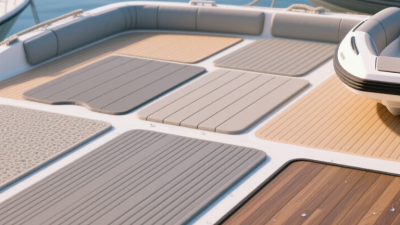
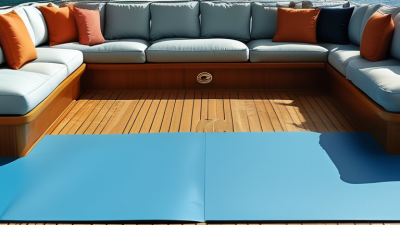
For more information about our products or to schedule an appointment, complete the form below we'll get back to you as soon as we can.

Honestly, picking the right Eva Decking can really change the way your boat feels under your feet—especially on those long days out on the water. You want a surface you can trust: something with good grip, decent comfort, and steady performance even when it's wet. And of course, it should fit your boat's layout, the climate you're in, and how you actually use it. Like, if you’ve got a fishing boat, you’ll probably want something firm underfoot around the casting spots. But a family cruiser? That’s a different story—softer, cooler flooring near the seating just makes more sense.
Honestly? Seeing the stuff in person beats any glossy product photo. You want marine-grade, closed-cell EVA foam, the kind with even thickness and obvious UV-resistance details. Go ahead and run your fingers over the surface. It should feel grippy and secure, not rough enough to scrape up bare feet. Then check the adhesive backing, the edges, and how well water drains around hatches, rails, and storage lids. Those little gaps? They love trapping salt, sand, and whatever drink someone spilled. Yeah, details matter.
A supplier you can really rely on? They should walk you through things like density, thickness, temperature limits, how to clean it, and what installation involves. And if they've got independent testing or solid specs to back that up, even better. That said, no Eva Decking product is flawless. Darker colors can get pretty hot in direct sun, and if the texture's really aggressive, it might trap more dirt. Honestly, from what I've seen, picking purely based on looks tends to lead to regret down the road. Before you order anything, take your time measuring the deck. Think about which sections might need replacing, too. And hey, if you can, check out samples in actual sunlight—not just under store lights. A good choice isn't only about the cheapest price. It's about finding that sweet spot between safety, comfort, upkeep, and how long it'll actually last. That kind of practical balance? It helps boat owners feel sure about their decision, while still keeping in mind the real conditions the deck has to handle every time they head out.
Choosing EVA boat decking starts with understanding how the material behaves on the water. EVA is a closed-cell foam with a lightly textured surface, so it provides cushioning and traction under bare feet. It also reduces heat from sunlit decks and softens footsteps near sleeping areas.
During a hot afternoon inspection, touch the sample after several hours in direct sunlight. Comfort can change noticeably. It felt secure.
The best EVA decking depends on your boat’s layout and use. Thicker sheets offer more cushioning, while thinner sheets preserve clearance around hatches and fittings. A detailed texture can improve grip, but it may collect more sand and salt. Neutral colors often hide light dirt, although darker surfaces can become hotter. Check the adhesive’s compatibility with fiberglass, aluminum, or painted surfaces before installation. Measure twice.
Installation quality affects reliability as much as the foam itself. Remove wax, oil, and loose paint, then allow the surface to dry completely. Press the sheet firmly, especially around corners and hatch edges.
I once underestimated surface preparation, and a small lifted edge collected grit quickly. It is not indestructible.
Rinse EVA regularly with fresh water, use mild soap, and avoid sharp tools or harsh solvents. Inspect seams after heavy use, because small gaps can expand with movement and moisture.
How to Choose EVA Decking for Your Boat?
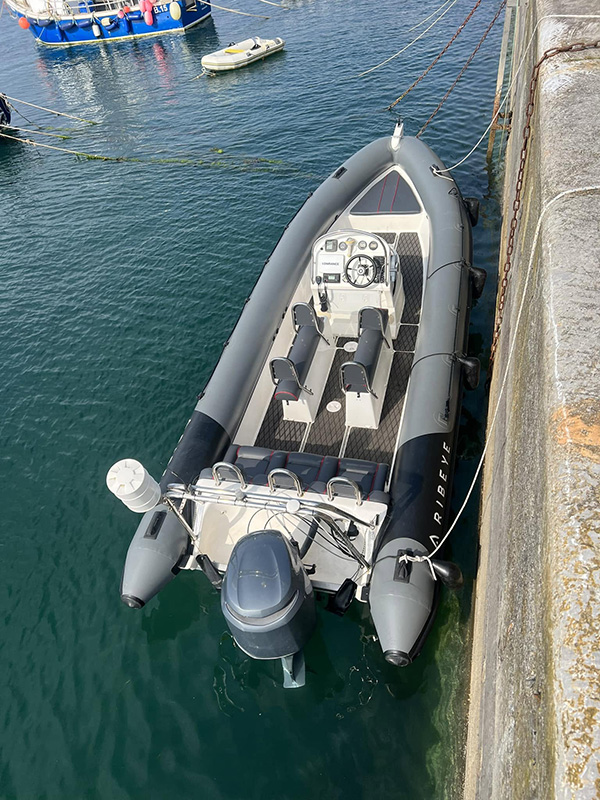
Choosing Eva Foam Decking begins with understanding how your boat is used. Walk across the deck in wet shoes and bare feet. Notice where people stand, sit, fish, or move quickly. A fishing boat may need firm traction around the console and gunwale. A family boat may need softer padding near the swim platform. Measure these high-use areas carefully. Wet areas matter most.
Inspect the deck surface before selecting the foam. It should be clean, dry, smooth, and free from loose paint or oil. Uneven surfaces can create weak spots beneath the adhesive. In hot climates, dark decking can become uncomfortably warm under direct sunlight. UV exposure also affects color and surface texture over time. Saltwater leaves crystals in small grooves, so regular rinsing is practical. A textured pattern can improve grip, but it may hold more dirt.
Thickness also deserves attention. Thicker foam feels comfortable during long trips, but it can reduce clearance around hatches, latches, and moving doors. Check every fitting before installation. I once focused on comfort and overlooked a locker hinge. That mistake caused rubbing and early wear. Consider drainage, cleaning habits, and storage conditions too. Follow tested installation procedures, allow proper curing time, and inspect the edges after several outings. Small lifting sections should be repaired early, before water and dirt spread underneath.
Choosing Eva Boat Decking starts with the foam structure. Closed-cell EVA resists water absorption and cushions bare feet better than harder plastic sheets. Cross-linked foam usually keeps its shape under repeated boarding, though heat can still cause expansion. The 2024 Global EVA Foam Market report estimates steady market growth through 2030, supported by marine and outdoor applications. That trend suggests wider material choice, not automatic quality.
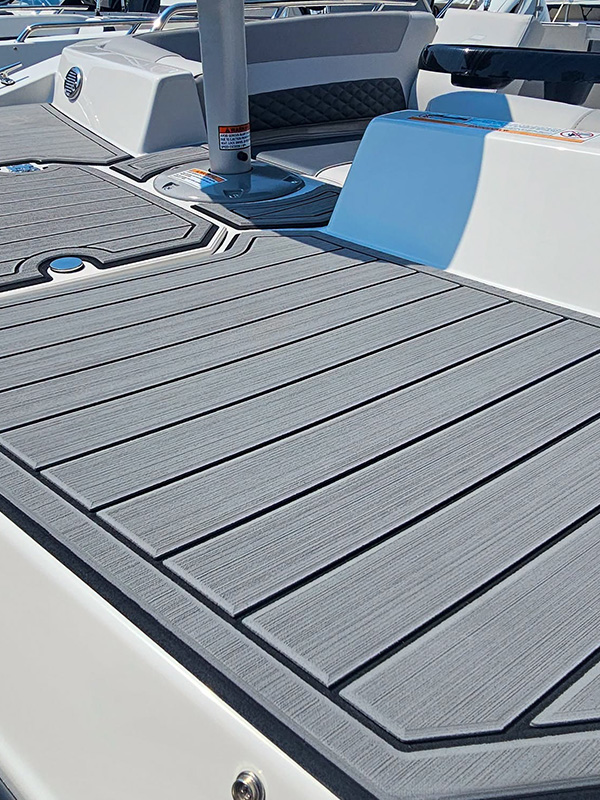
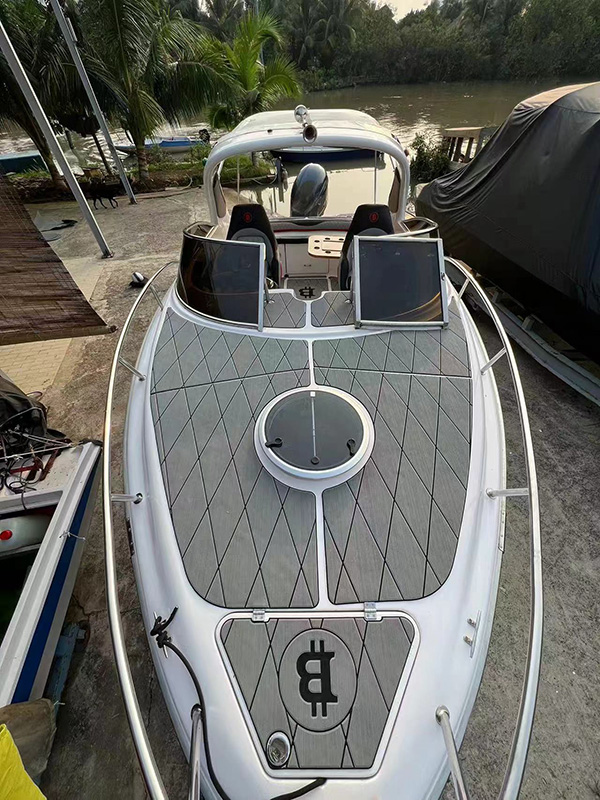
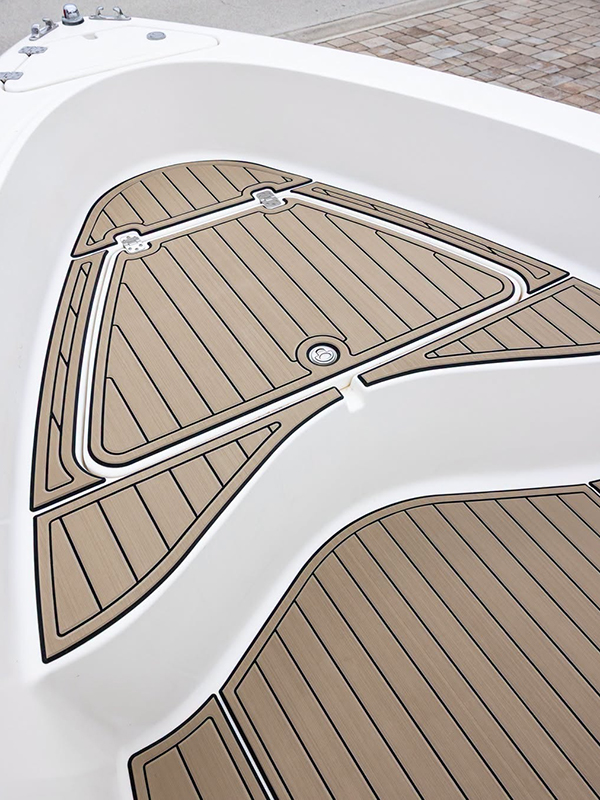
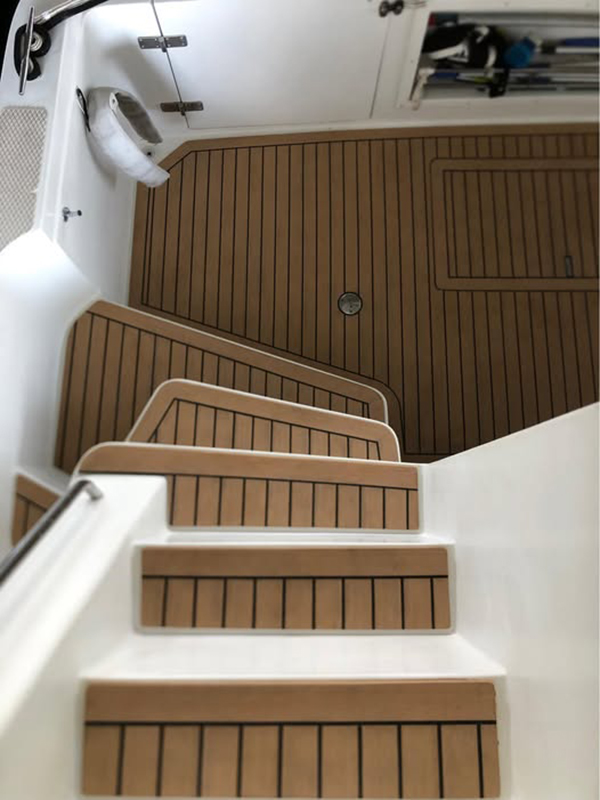
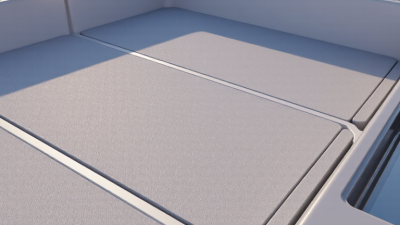
Texture changes safety and cleaning effort. A brushed surface feels comfortable around seating areas, while a diamond or groove pattern sheds water more aggressively near swim platforms. Teak-style lines look convincing, but dirt can collect inside narrow grooves. Color matters too. Dark gray hides stains, while light gray stays cooler under direct sun. A 6–9 mm sheet often balances comfort, weight, and door clearance. Thicker foam feels softer, yet may compress around fasteners or hatch edges. I would test a sample under wet shoes first. My preference has changed after seeing attractive patterns become slippery when algae formed.
Tips: Check the supplier’s density, closed-cell rating, UV testing, and adhesive compatibility. ASTM D3575 provides relevant test methods for flexible cellular materials, but it does not certify every marine flooring product. Measure hatch gaps carefully. The NMMA 2023 Recreational Boating Statistical Abstract reported about 11.6 million registered recreational boats in the United States, so replacement conditions vary widely. Saltwater, trailer storage, and intense sunlight need different priorities. A small deck sample can reveal heat, grip, odor, and cleaning problems before installation.
Comparing EVA foam types, textures, colors, and thicknesses
Brushed and diamond patterns usually provide more underfoot grip than smooth surfaces, especially when wet. Aggressive textures can be harder to clean.
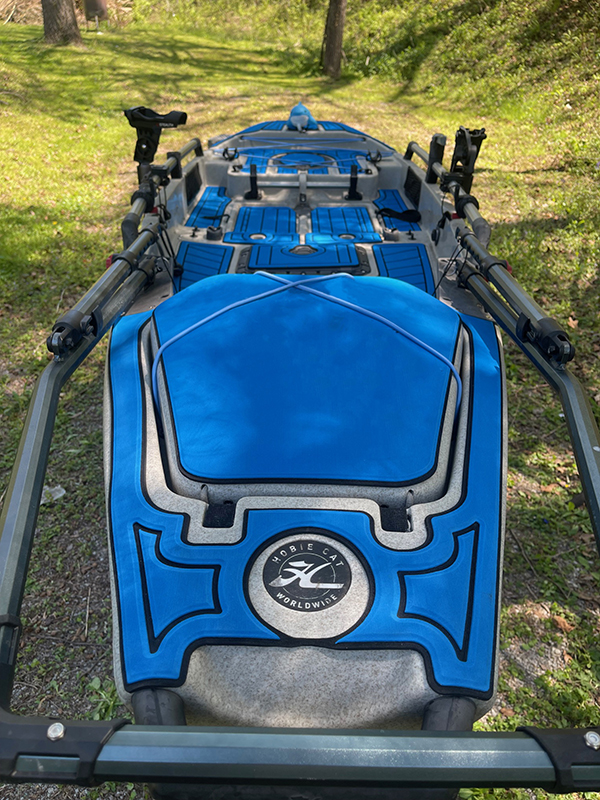
Light colors reduce heat absorption and make dust easier to see. Dark colors can hide stains better but may become hotter in direct sunlight.
About 3–4 mm suits low-clearance areas, 6 mm is a common general-purpose choice, and 9–12 mm adds cushioning where deck clearance permits.
How to Choose EVA Decking for Your Boat?
Choosing the right adhesive begins with the deck surface. Fiberglass, aluminum, painted steel, and old nonskid finishes need different preparation. Remove wax, grease, loose paint, and salt residue with a suitable cleaner. Let the surface dry completely. Moisture trapped beneath the foam can cause bubbles and weak edges.
Use an adhesive designed for marine EVA foam and your deck material. Check its temperature range, water resistance, curing time, and removal limits. A small test patch is worth the effort. Leave it for several days, then inspect the bond after heat, water, and foot pressure. Do not rely only on a label. The technical data sheet provides more dependable guidance.
Installation also affects long-term performance. Make a paper or plastic template before cutting the actual sheet. Dry-fit every piece around hatches, rails, and corners. Mark the centerline, peel the backing gradually, and press the foam with a firm roller. Work from the middle toward the edges. Keep the deck and air within the adhesive’s recommended temperature range.
My first instinct was to remove the entire backing quickly. That created alignment problems near a curved locker. Slow application worked better. Corners may still lift if they are sharply bent. In that case, adjust the cut instead of forcing the foam into place. Allow full curing before heavy use, even when the surface feels bonded.
| Installation Factor | Recommended Option | Typical Working Conditions | Advantages | Limitations | Best Use on a Boat |
|---|---|---|---|---|---|
| Deck Surface | Clean, dry, smooth, and structurally sound surface | Remove wax, grease, oil, dust, loose paint, and salt residue before bonding | Improves adhesive contact and reduces the risk of lifting at the edges | Damaged, chalky, or contaminated surfaces can cause premature failure | Fiberglass, painted metal, aluminum, sealed wood, and other properly prepared substrates |
| Surface Preparation | Mechanical cleaning followed by a compatible solvent wipe | Allow the substrate to dry completely before applying adhesive | Removes contamination that ordinary washing may leave behind | Strong solvents may damage paint, plastic, or sealants; always check substrate compatibility | Any EVA installation where long-term adhesion is important |
| Two-Part Marine Polyurethane Adhesive | Preferred for permanent, high-load installations | Use within the adhesive manufacturer’s specified temperature and pot-life range | High bond strength, good resistance to water exposure, and strong durability under foot traffic | Requires accurate mixing, controlled application, and careful positioning | Large cockpit pads, swim platforms, high-use decks, and permanently installed panels |
| One-Part Moisture-Curing Adhesive | Suitable when simple application is more important than maximum installation speed | Needs suitable atmospheric moisture and adequate curing time | Easy to apply and does not require on-site mixing | Curing may be slower in dry conditions or beneath impermeable materials | Small to medium EVA panels and installations with sufficient curing time |
| Pressure-Sensitive Adhesive Backing | Suitable for clean, smooth, fully sealed surfaces | Apply with firm, even pressure; bond strength generally improves over time | Fast, clean installation with no wet adhesive or mixing | Less forgiving of dust, surface texture, moisture, and poor edge preparation | Removable or semi-permanent pads, access panels, and lightly to moderately used areas |
| Contact Adhesive | Use only when specifically approved for closed-cell EVA foam and the substrate | Both surfaces normally need to become tacky before joining | Rapid initial grab and limited clamping requirements | Limited repositioning after contact; some formulas may attack foam or soften under heat | Small components, trim pieces, and controlled repair work |
| Temperature During Installation | Follow the adhesive technical data sheet; moderate conditions are generally easiest to control | Avoid bonding to surfaces that are hot from direct sunlight, cold, or subject to condensation | Improves wetting, working time, and cure consistency | Extreme temperatures can shorten open time or delay curing | Outdoor deck work planned for stable weather and shaded working conditions |
| Humidity and Moisture | Dry substrate with no visible condensation | Do not install immediately after washing, rain, or heavy dew | Reduces blistering, weak spots, and edge lifting | Some moisture-curing adhesives require humidity, while excessive water can weaken the bond | All exterior marine EVA applications |
| Panel Positioning | Dry-fit and mark the panel before removing release film or applying wet adhesive | Check alignment around hatches, hardware, drains, curves, and nonskid patterns | Prevents permanent misalignment and reduces material waste | Incorrect placement may require removal and replacement of the EVA panel | Custom-cut pads and complex cockpit layouts |
| Adhesive Application | Apply a uniform, continuous layer according to the adhesive instructions | Do not leave excessive puddles or uncoated areas beneath the EVA | Creates more consistent support and reduces hollow spots | Too much adhesive can extend curing time and squeeze out around edges | Large panels where complete contact is needed |
| Pressure After Placement | Use a hand roller or firm, even pressure across the entire panel | Roll from the center toward the edges to help remove trapped air | Improves contact and helps prevent bubbles and local voids | Insufficient pressure can leave weakly bonded sections | Flat and moderately curved EVA decking panels |
| Edges and Corners | Round exposed corners and seal or bond edges carefully where appropriate | Keep edges free of contamination and avoid sharp, unsupported corners | Reduces snagging, peeling, and water intrusion beneath the panel | Edge treatments cannot compensate for a dirty or poorly prepared substrate | High-traffic walkways, swim platforms, and hatch surrounds |
| Curing and Launch Time | Keep the deck unloaded and protected until the adhesive reaches its specified cure | Follow the adhesive data sheet rather than relying only on surface dryness | Allows the bond to develop before exposure to water, movement, and heavy foot traffic | Premature launching or use may cause panel movement or edge failure | Every permanent EVA installation, especially below-waterline splash zones |
| Maintenance Compatibility | Use mild soap, fresh water, and a soft or medium-soft brush | Avoid petroleum-based cleaners, aggressive solvents, and abrasive tools | Helps preserve the foam surface and adhesive bond | Harsh chemicals may discolor, swell, or weaken EVA and surrounding sealants | Routine cleaning of cockpit, foredeck, swim platform, and cabin-top pads |
| Removability Requirement | Choose a compatible pressure-sensitive system or removable mounting approach | Confirm that removal will not damage paint, gelcoat, or the underlying finish | Allows access to hatches, inspection areas, and service panels | Removable systems may provide less resistance to heat, moisture, and heavy loads | Temporary layouts, rental boats, access covers, and seasonal installations |
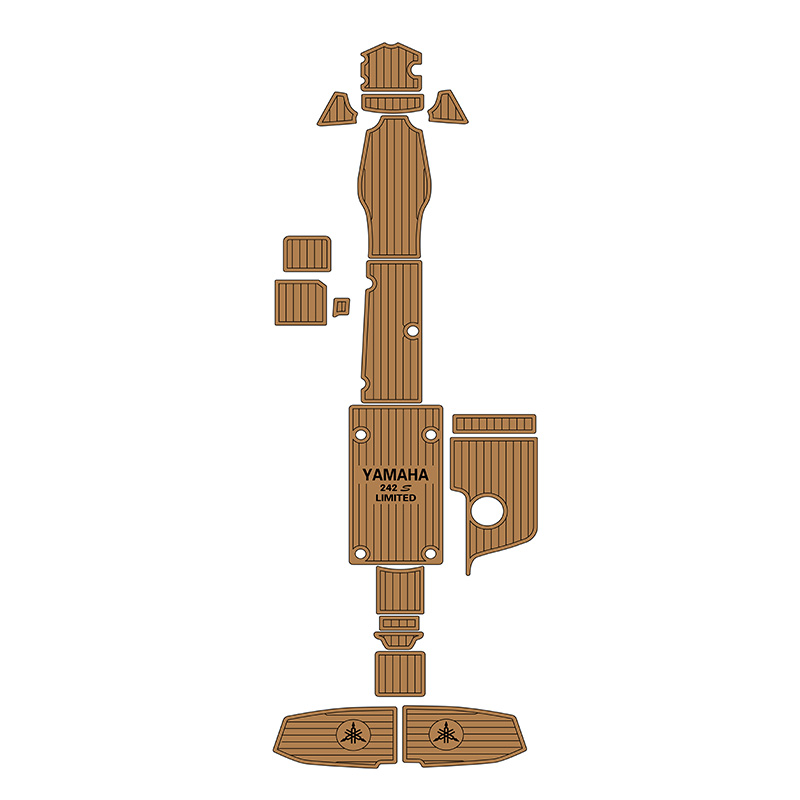
Choosing an Eva Decking Sheet begins with evidence, not color or pattern. Ask the supplier for batch test results covering density, thickness, peel strength, compression set, and water absorption. ASTM D570 can measure water absorption, while ASTM D1000 helps assess adhesive performance. These tests do not guarantee perfect service, but they expose weak products before installation. Press the sheet with a thumb. It should recover without leaving a deep, permanent mark. Examine the edges too. Poorly cut edges can lift under fishing gear or repeated foot traffic.
Safety needs equal attention. The U.S. Coast Guard’s 2023 Recreational Boating Statistics recorded 556 boating fatalities and 2,641 injuries in the United States. A stable, wet-resistant walking surface cannot prevent every accident, but it can reduce avoidable slips. Request wet-slip test results, preferably using recognized methods such as ASTM F1677. A textured surface should feel secure with wet bare feet, yet remain easy to clean. Sharp grooves may trap sand, fuel residue, and fish scales. That detail is easy to miss.
Environmental resistance requires more than claiming “marine grade.” NOAA’s UV Index guidance classifies levels of 8 to 10 as very high, conditions common in exposed coastal regions. Ask for accelerated UV-aging data under ISO 4892-3, plus evidence of resistance to saltwater, detergents, heat, and freezing cycles. Check samples after aging. Fading may be acceptable; cracking, shrinking, or adhesive failure is not. I would still inspect the product every season, because laboratory exposure rarely matches a real deck perfectly.
Choosing Yacht Eva Decking should involve more than color, thickness, or softness underfoot. Study your boat’s traffic areas first. Helm steps, swim platforms, and boarding zones usually wear fastest. In my maintenance checks, trapped sand caused more damage than expected. It acted like sandpaper beneath wet shoes. Inspect edges, seams, and corners every few months. Small lifting areas can allow water and grime underneath.
Cleaning should fit real boating habits. Rinse the surface with fresh water after saltwater trips. Use a soft brush and mild soap for sunscreen, fish residue, and oily marks. Avoid harsh solvents and aggressive pressure washing. They may weaken the surface or damage adhesive bonds. Let the deck dry completely before covering the boat. Moisture under a cover creates unpleasant odors and may encourage staining. It sounds simple. Crews still skip it.
Replacement planning affects long-term costs. Measure each panel before ordering, including curved sections and access hatches. Removal may leave adhesive residue, so labor can exceed the material price. A professional installer can check subfloor condition and alignment, but DIY work may reduce expenses when surfaces are sound. Be realistic about your skills. I once underestimated preparation time and lost an entire weekend. Keep spare material for damaged sections, although matching older color can be difficult. Reviewing cleaning records, sun exposure, and foot traffic annually gives a more reliable replacement schedule than guessing by age alone.
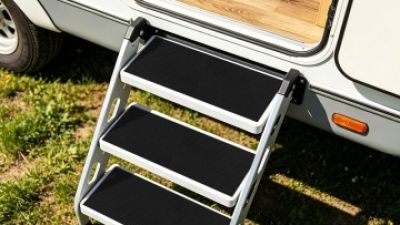
The global ethylene-vinyl acetate (EVA) market is expanding as manufacturers seek lightweight, waterproof, resilient materials for construction, transportation, and consumer applications. Grand View Research estimates that the market was worth approximately USD 11 billion in 2023 and is projected to grow at a mid-single-digit CAGR through 2030. Meanwhile, MarketsandMarkets identifies continuing demand for anti-slip and protective surface solutions, driven by workplace safety, building renovation, and infrastructure maintenance. These trends support the growing use of EVA stair treads in both residential and commercial environments.
Custom EVA stair tread pads combine practical safety with flexible design. Made from closed-cell EVA foam, they resist water absorption, daily abrasion, and surface deterioration while improving traction on indoor and outdoor steps. A standard 6 mm thickness provides cushioning, noise reduction, and stable underfoot support; thicker or thinner options can be produced for specialized installations. Brushed, diamond, wood-grain, and honeycomb textures allow designers to balance slip resistance with contemporary appearance.
As China-based manufacturers and suppliers, we provide standard and customized colors, two-tone combinations, logo printing, and personalized surface designs. Template scanning and CNC cutting enable accurate fitting for straight stairs, curved edges, irregular profiles, and renovation projects. With custom dimensions and surface finishes, these EVA treads help protect stair materials while offering a durable, comfortable solution for homes, offices, hotels, workshops, and other high-traffic spaces.
EVA is closed-cell foam with a lightly textured surface. It cushions bare feet and improves traction on wet decks.
It can reduce heat compared with bare flooring. Touch a sample after hours outdoors. Dark colors may still become hot.
Thicker foam offers more cushioning during long trips. Thinner sheets preserve clearance around hatches, hinges, and doors.
The deck must be smooth, clean, dry, and free from wax, oil, and loose paint. Preparation matters greatly.
Textured foam can reduce avoidable slips with wet bare feet. It cannot prevent every accident, especially during sudden boat movement.
Request information about density, thickness, water absorption, peel strength, and compression recovery. Press the sample with your thumb.
Usually, yes. Deep grooves can collect sand, salt crystals, fish scales, and dirt. Rinse with fresh water regularly.
Check resistance to sunlight, saltwater, detergents, heat, and freezing conditions. Fading may be tolerable, but cracking is not.
Do not ignore small lifted edges. Grit and moisture can enter quickly. I once underestimated preparation, and the edge worsened.
Inspect seams and edges after heavy use and at least once each season. Real boat conditions can differ from laboratory tests.
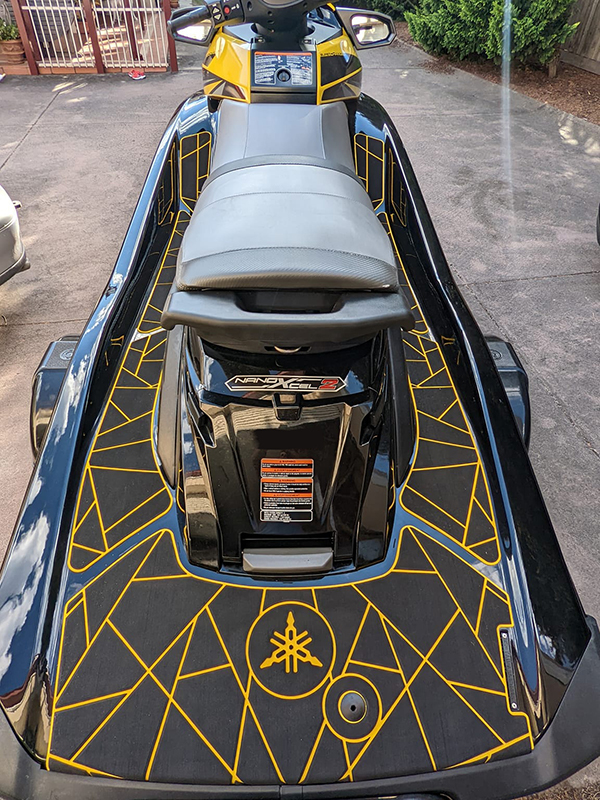
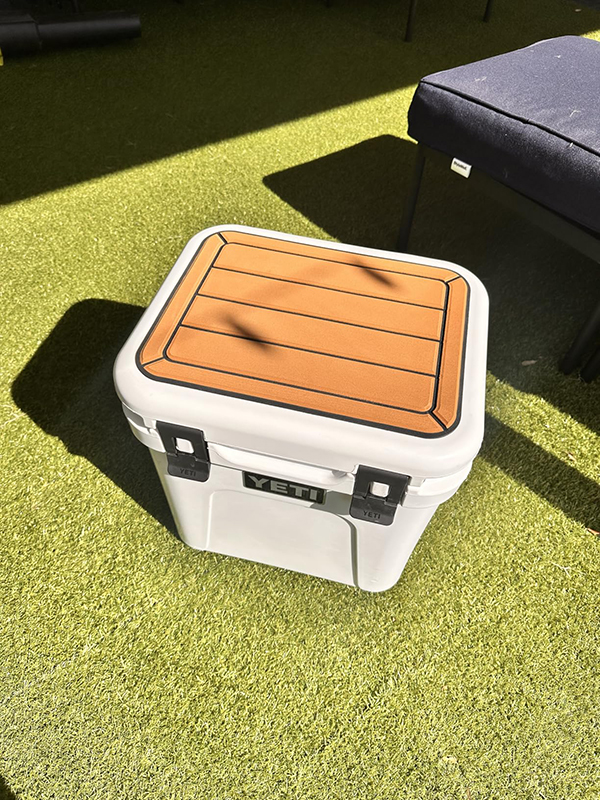
Choosing the right Eva Decking can improve your boat’s comfort, safety, and overall appearance. Start by considering how you use the boat, including exposure to sunlight, saltwater, rain, fishing equipment, and frequent foot traffic. EVA foam is valued for its cushioning, slip resistance, noise reduction, and ability to make hard deck surfaces more comfortable. Compare different foam types, surface textures, colors, and thicknesses to match your boat’s design and practical needs. Lighter colors may reduce heat, while textured surfaces can provide better grip in wet conditions.
Before purchasing, check the adhesive compatibility and decide whether professional installation or a carefully prepared DIY process is more suitable. Product quality should be evaluated through its resistance to UV rays, water, stains, abrasion, and temperature changes, as well as its safety and environmental characteristics. Finally, consider cleaning routines, storage, possible repairs, replacement frequency, and total long-term cost. A well-planned choice will help maintain a durable, attractive, and comfortable deck for many seasons.