- Home
- Products
- About Us
- Application
- Custom
- News
- Contact Us
Leave Your Message
-
Contact Email
Picking the right Boat Mat Flooring isn’t just about matching a color to your deck. It affects traction, comfort, heat control, maintenance, and long-term boating safety. And honestly, a mat that feels soft in a showroom can turn slippery once you add spray, sunscreen, or fish slime. Small details matter.
Jim Miller, founder of SeaDek, put the purpose of marine flooring pretty simply: “A good deck surface should make time on the water safer, more comfortable, and more enjoyable.” That idea gives this guide a practical direction. Before you start comparing patterns, compare foam density, drainage, adhesive strength, UV resistance, and cleaning needs. Measure carefully, too. A gorgeous template won’t fix a measurement you rushed.
Think about how you actually boat. Will bare feet be crossing the mat at noon? Will wet ropes, coolers, or fishing gear sit on it every weekend? Closed-cell foam can give you cushioning, sure—but thickness alone doesn’t guarantee durability. Surface texture, edge finishing, and how well it’s installed can matter just as much. Sometimes, less padding is actually better.
There’s no one perfect Boat Mat Flooring for every boat. A fishing boat might need aggressive traction and easy cleaning. A family runabout may care more about comfort and a cooler surface. A luxury cruiser might prioritize precise fitting and a consistent look. In my experience, buyers often get way too focused on appearance. I get it—that’s an easy mistake to make. The best pick balances how the mat looks today with how it’ll hold up after months of salt, sun, water, and repeated footsteps.
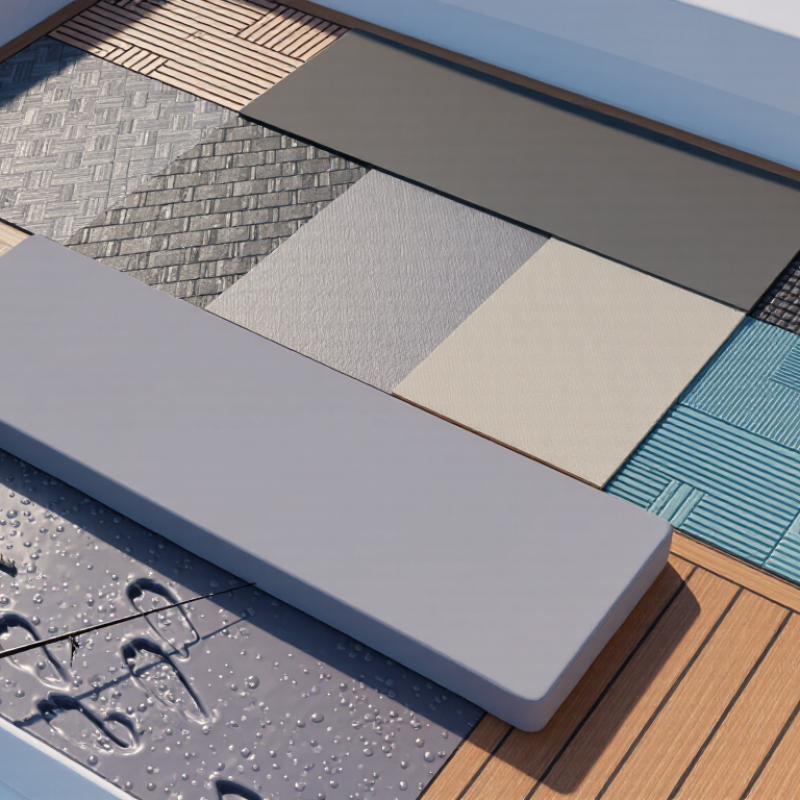
How to Choose the Best Boat Mat Flooring?
Boat mat flooring is more than a soft surface underfoot. It affects comfort, traction, noise, and daily maintenance. In my experience, a good mat makes long hours on deck less tiring. It also reduces the shock of standing on hard fiberglass or metal.
Material matters greatly. Closed-cell foam resists water absorption and dries faster than many open-cell alternatives. A textured surface can improve grip when shoes or feet are wet. However, no flooring is perfect. Deep textures may hold sand, fishing line, or spilled drinks. Choose a pattern that balances traction with easy cleaning. Neutral colors can hide light dirt, but darker mats may become hot under strong sunlight.
Measure every section carefully before buying. Curved edges, storage hatches, seat bases, and drainage channels often create problems. A custom-cut mat usually looks cleaner, yet it may cost more and leave less room for mistakes. Check the adhesive backing and confirm that it suits your deck material. Sun exposure, saltwater, and frequent washing can weaken poor adhesives. I once underestimated a small hatch opening, and the finished mat blocked it. That mistake was avoidable. Consider thickness, too. Extra cushioning feels comfortable, but excessive thickness can interfere with doors and fittings. Choose flooring that matches your boat’s use, climate, cleaning habits, and walking areas.
| Flooring Type | Typical Thickness | Wet Traction | Water Drainage | UV and Saltwater Resistance | Comfort and Noise Control | Cleaning and Maintenance | Installation | Best Use |
|---|---|---|---|---|---|---|---|---|
| Closed-Cell EVA Foam | About 5–10 mm | Very good when textured or grooved; remains cushioned underfoot | Good surface drainage with grooves; does not absorb water like open-cell foam | Good when manufactured with marine-grade UV stabilizers; rinse after saltwater exposure | Excellent cushioning and effective reduction of footfall and equipment noise | Easy to rinse and wipe; textured surfaces may require a soft brush | Adhesive-backed sheets or cut pieces; installation requires a clean, dry surface | Fishing boats, pontoons, swim platforms, cockpits, and high-traffic decks |
| Marine Carpet | About 6–12 mm | Moderate to good when dry; traction can decrease when heavily saturated or contaminated | Allows water to pass through, but the backing and subfloor need adequate ventilation | Generally good; prolonged sunlight and saltwater can fade fibers without regular care | Soft underfoot and good at absorbing sound | Vacuuming and periodic deep cleaning are recommended; drying is important to limit odor | Cut-and-glue installation; accurate templates improve the finished appearance | Covered boats, cruising areas, and owners prioritizing a traditional soft finish |
| Marine-Grade PVC | About 2–5 mm | Good with a molded, embossed, or non-slip surface | Very good because the material is non-absorbent and can be shaped with drainage channels | Good to very good with UV-resistant formulations; check the product's marine rating | Moderate cushioning and limited sound absorption compared with foam | Simple to hose down and wipe; stains are usually easier to remove than from carpet | Usually installed with adhesive or mechanical fastening, depending on the design | Open decks, utility boats, and areas requiring fast drainage and easy cleaning |
| Marine Rubber | About 3–10 mm | Very good, especially with a ribbed or textured pattern | Good when designed with ribs, holes, or drainage channels; solid sheets drain less efficiently | Good, although some rubber formulations may weather or discolor in strong sunlight | Good impact protection and noise reduction; typically firmer than EVA foam | Durable and washable; may retain odor if not rinsed and ventilated properly | Loose-lay mats are easy to remove; bonded systems require careful surface preparation | Workboats, engine areas, helm stations, and locations exposed to heavy equipment |
| Selection Factor | What to Check | Why It Matters |
|---|---|---|
| Boat Layout | Cockpit, swim platform, bow, helm, and storage areas | Different zones may need different levels of traction, cushioning, drainage, and stain resistance. |
| Water Exposure | Frequency of spray, rain, boarding, and saltwater contact | Non-absorbent materials and grooved surfaces generally dry faster and are easier to maintain. |
| Safety | Textured surface, wet-grip performance, and secure fit | A suitable non-slip surface helps reduce slips, while correct fitting prevents curling or movement. |
| Subfloor Condition | Cleanliness, dryness, flatness, old adhesive, and surface compatibility | Adhesive-backed flooring performs best when the substrate is clean, dry, smooth, and properly prepared. |
| Climate and Storage | Sun exposure, temperature changes, humidity, and winter storage | UV resistance, ventilation, and proper storage help limit fading, odor, mold growth, and premature aging. |
| Maintenance Routine | Available time for rinsing, brushing, drying, and stain removal | The best flooring is one that matches the owner's cleaning habits and the boat's actual use. |
Note: Thickness ranges and performance descriptions are typical industry characteristics. Actual results vary according to material formulation, surface texture, installation quality, climate, and maintenance.
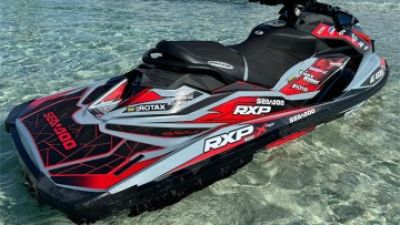
The National Marine Manufacturers Association (NMMA) reports that recreational boating contributes approximately $230 billion annually to the U.S. economy, with millions of participants relying on dependable equipment for repeated on-water use. As high-speed personal watercraft and motorboats become increasingly popular, cockpit and deck traction are essential for maintaining stability in wet conditions. Custom China EVA traction mats provide a practical upgrade, covering original deck areas with precision-cut, high-density closed-cell marine EVA that is waterproof, UV-resistant, salt-corrosion resistant, and designed for extended outdoor exposure.
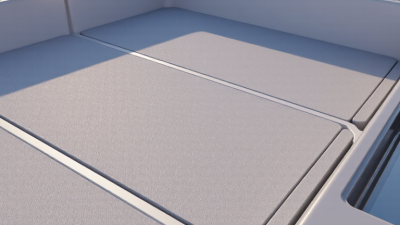
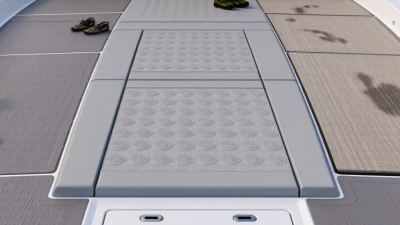
Grand View Research projects continued growth in the global EVA foam market, supported by demand for lightweight, durable, and resilient materials across marine and transportation applications. A standard 6 mm thickness offers comfortable footing and strong wear resistance, while customized thicknesses accommodate different deck requirements. Vertical grain, diamond, and herringbone textures provide selectable grip levels, with black, light brown, and more than 20 marine colors available. Two-tone splicing and edge binding add design flexibility. Using 1:1 scanning and CNC cutting, manufacturers can produce pre-cut mats with accurately reserved holes, helping ensure a clean fit and faster installation on compatible watercraft.
Check for cracks, raised fasteners, loose panels, and trapped moisture. Press busy areas for soft spots. Soft spots need attention first.
Measure length and width for every section. Include curved edges, narrow walkways, hatches, drains, seats, and storage openings. Draw a simple paper sketch.
Separate sections often work better around consoles, steps, hatches, and removable seats. One large piece may look cleaner. It can make repairs difficult.
A medium thickness often balances cushioning, grip, and clearance. Thinner material may suit hatches and seat bases. Thicker foam can interfere with lockers.
Test samples beside the console in direct sunlight. Light colors show sunscreen and fish scales. Very dark surfaces can become hot. Clean edges usually age better.
Choose closed-cell foam or marine-grade rubber that resists water absorption. Check drainage, seam sealing, fading, mildew, and compression resistance. Waterproof is not maintenance-free.
Look for tested slip resistance with wet footwear. A firm mat with mild cushioning can reduce foot fatigue. Very soft foam may compress or trap sand.
Rinse away salt and sand after each trip. Dry it fully. Inspect seams and edges monthly for lifting, cracks, odor, or moisture. Press the edges.
Leave clearance around drains, hinges, and hatch handles. Confirm the adhesive suits the deck and local temperatures. Test a hidden area first. I once missed a hatch handle because I measured only the perimeter.
Choosing the best Boat Mat Flooring starts with understanding your boat’s deck, layout, and daily use. Consider whether you need coverage for walkways, seating areas, platforms, or the entire deck, and select a material that suits your environment. Compare options based on texture, construction quality, water resistance, and surface grip. A well-designed mat should help improve comfort, reduce slipping, and provide a pleasant underfoot experience during boating activities.
Pay close attention to thickness, dimensions, color, and design so the flooring fits securely and complements your boat’s interior. Easy maintenance is also important, especially when the mat is exposed to water, dirt, sunlight, and frequent use. Before purchasing, review the installation method, durability, cleaning requirements, and expected lifespan. The best choice is not always the most expensive option; it is the one that offers reliable performance, practical comfort, simple installation, and strong overall value for your specific boat.