- Home
- Products
- About Us
- Application
- Custom
- News
- Contact Us
Leave Your Message
-
Contact Email
Picking the right boat floor material really comes down to how you use the boat, not just how it looks shiny in the showroom. For instance, a fishing boat deals with wet boots, bait, and lots of rinsing, so durability is key. On the other hand, a family cruiser might prefer a softer, more comfortable surface that's easy to clean. Honestly, the best choice depends on where you're headed, how often you’re out on the water, and how much maintenance you’re realistically willing to do.
Marine materials expert Morgan Lee puts it simply: “Choose for wet feet and real use, not just for looks.” That’s a pretty good reminder because, let’s face it, no one wants a pretty surface that falls apart with a little moisture. But keep in mind, no one material checks all the boxes for every boat. Vinyl is usually easy to clean, and EVA foam feels pretty cushy under your feet. Carpet? It feels cozy, but if it doesn't dry out properly, it can hold moisture, which is a pain.
Details really matter here—things like texture, drainage, how easy it is to install, and what’s underneath matter a lot. Just a pretty finish won’t do much if your deck stays damp or if it wasn’t prepped right.
This guide walks you through common options, highlighting their pros and cons, along with what kind of care they need. It also takes into account your budget, the climate you’re in, and how tricky the installation might be. Basically, ask yourself practical questions—measure carefully, check access panels, think about muddy shoes after a rainy day—and be honest about what kind of upkeep you’re up for. A ‘low-maintenance’ claim sounds nice, but it really only works if the material actually suits your boat’s conditions. Sometimes, compromise is inevitable—and honestly, that’s okay.
Before comparing boat floor materials, identify the boat’s main job. Start with the hull, not a showroom sample. A small fishing skiff may carry muddy boots, tackle boxes, and wet nets across an exposed deck. A pontoon boat often needs comfortable footing for passengers, while a sailboat may prioritize low weight and secure traction on a narrow, moving surface. Small details matter.
Think about where and how often you operate. Salt spray, strong sunlight, frequent rain, and long periods tied up outdoors can affect flooring differently than occasional freshwater use. On a fishing boat, water, fish residue, and dropped hooks are everyday concerns. On a family boat, spilled drinks and bare feet may matter more. Check whether water drains away or sits in seams, where trapped moisture can damage the structure below. Conditions vary.
Consider upkeep, too. A floor that looks appealing when dry may feel slippery after rain. Textured surfaces can improve footing, but deep grooves may collect grit and require more scrubbing. Measure the deck and note hatches, seat bases, and drainage channels before estimating material. I would not assume every boat needs the toughest, heaviest option; added weight can affect handling, and a lighter surface may need more frequent care. A short test with wet shoes can reveal surprises.
| Boat Type | Typical Operating Conditions | Flooring Options to Consider | Why They May Suit the Use | Key Trade-Offs |
|---|---|---|---|---|
| Freshwater fishing boat | Frequent exposure to water, fish residue, tackle, and occasional muddy footwear; usually moderate foot traffic. | Marine-grade plywood with marine vinyl, or a molded fiberglass non-skid surface. | Vinyl is relatively easy to rinse and wipe down. Molded non-skid surfaces provide a durable, integrated walking surface. | Vinyl can become slippery when contaminated and must be installed over a sound, sealed substrate. Check plywood regularly for moisture damage. |
| Aluminum fishing boat | Lightweight craft used on lakes and rivers; floors may encounter wet gear, abrasion, and temperature changes. | Marine-grade aluminum plate or marine-grade plywood with a removable carpet or vinyl covering. | Aluminum resists rot and keeps the structure relatively light. Removable coverings can make cleaning and inspection easier. | Bare aluminum can be noisy and slippery when wet. Plywood adds weight and needs properly sealed edges and fastener holes. |
| Pontoon boat | Calm-water cruising, social use, and regular exposure to sun, rain, spilled drinks, and wet shoes. | Marine-grade carpet, marine vinyl, or a purpose-made synthetic marine decking surface over a suitable deck. | Carpet offers a softer feel underfoot; vinyl and synthetic surfaces are generally easier to clean after spills and wet use. | Carpet can retain moisture and debris. Vinyl and synthetic surfaces can heat up in direct sun; use materials intended for marine exposure. |
| Sailboat cockpit or deck | Regular exposure to spray, rain, sun, and repeated foot traffic; secure footing is important while the boat moves. | Molded fiberglass with non-skid texture, or a marine-grade synthetic decking material installed according to its specifications. | Textured surfaces can provide grip without a loose covering. Suitable synthetic decking can add cushioning and cover worn areas. | Grip depends on texture, cleanliness, footwear, and conditions. Added coverings require secure installation and can make inspection or repairs harder. |
| Small inflatable or tender | Lightweight use for shore transfers; floors may be exposed to sand, water, folding, and frequent handling. | Manufacturer-compatible inflatable floor, removable rigid floor panels, or lightweight marine EVA foam where appropriate. | Compatible removable panels can provide a firmer standing surface, while foam can add cushioning and traction underfoot. | Confirm material and adhesive compatibility with the inflatable. Added panels or coverings increase weight and must not obstruct drainage or folding. |
| Workboat or utility boat | Heavy use, abrasive equipment, frequent washdowns, and potentially oil, fuel, or cleaning-product exposure. | Marine-grade aluminum plate with a suitable non-skid finish, or a durable molded fiberglass surface. | These surfaces can withstand demanding use when correctly specified and maintained, and are generally easier to wash than carpet. | Confirm chemical resistance and slip performance for the actual workplace. Metal can be noisy; damaged coatings or finishes need prompt attention. |
| Saltwater or coastal day boat | Salt spray, strong sunlight, wet footwear, and repeated exposure to moisture and cleaning. | Molded fiberglass non-skid, marine vinyl, or marine-rated synthetic decking over a sound, sealed deck. | Non-porous surfaces are usually straightforward to rinse, and marine-rated products are designed for outdoor exposure. | Salt and grime can reduce traction on any surface. Rinse regularly, maintain seals, and verify that the flooring is suitable for UV and saltwater exposure. |
Selection note: Flooring coverings do not replace a structurally sound deck. Before choosing a finish, inspect the substrate, confirm drainage and fastening requirements, and follow the vessel and material manufacturers’ installation guidance.
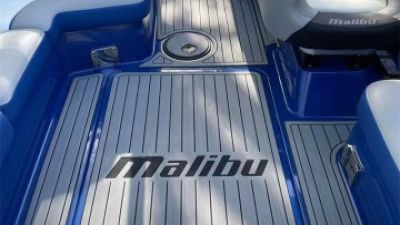
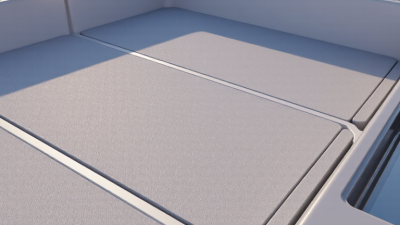
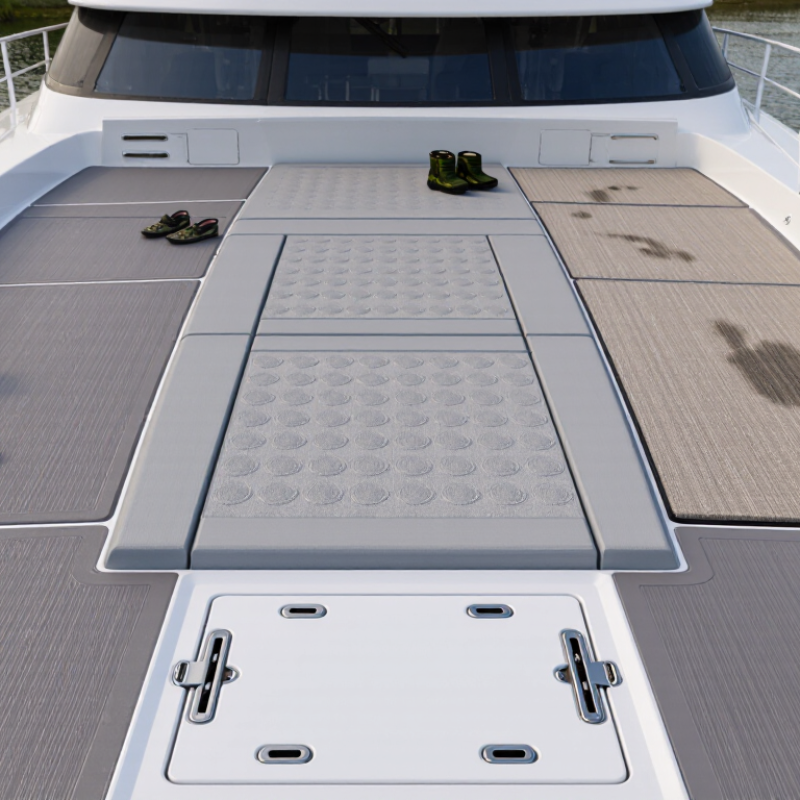
Designed for select 2012–2016 22-foot boat layouts, this custom EVA deck pad adds a comfortable, dependable layer of protection to the cockpit and swim platform. Professionally scanned and precision-cut to follow the deck’s contours, its pre-cut sections are made to fit neatly and cover the original surfaces without unwanted gaps. The tailored shape helps create a clean, integrated look while protecting high-traffic areas from everyday marine wear.
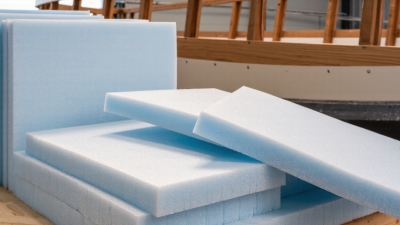
Made from dense marine-grade EVA foam, the pad provides reliable traction on wet surfaces to help reduce slips when boarding or moving around the boat. Its weather-resistant construction is suited to long-term outdoor use, and the standard 6 mm thickness offers a balance of cushioning and durability underfoot. For a more personalized fit and appearance, additional thickness options and a variety of texture and color combinations are available. Easy to maintain and clean, this custom deck solution helps keep your boat comfortable and ready for time on the water.
Start with the boat’s main use. A fishing skiff may need flooring that handles muddy boots, wet nets, and tackle boxes.
Think about salt spray, sunlight, rain, and how long the boat stays outdoors. Conditions vary.
Bare feet and wet shoes need secure footing. Try a small wet-shoe test before choosing a surface.
Yes. Texture can improve grip, but deep grooves may collect grit and need more scrubbing.
Measure the usable deck, including hatch openings, seat bases, and drainage channels. A panel can fit on paper yet block a drain.
Inspect for soft spots or corrosion, then confirm the required subfloor, fasteners, and spacing. Test-fit first.
Check fasteners and backing materials for possible corrosion where different metals meet. Follow the installation guidance for isolation and drainage.
Photos and marks can help locate drains and wiring later. Keep an old-floor sample to compare thickness; I may be overly cautious, but it can prevent a poor fit.
Ask a qualified installer if instructions conflict with the boat’s construction. Also check that flooring will not stop a hatch from opening.
Choosing the right Boat Floor Material begins with understanding your boat type and the conditions in which you typically use it. Consider whether the flooring must handle frequent exposure to water, changing weather, heavy foot traffic, or long periods in the sun. Compare available materials by their grip, comfort, weight, water resistance, and overall suitability for your boat’s layout.
Before deciding, check how each option is installed and whether it is compatible with your existing deck. Weigh its maintenance requirements, expected durability, and total cost over time, rather than focusing only on the initial price. A material that is easy to clean and comfortable underfoot may be a worthwhile choice for regular use, while a lighter or lower-cost option could better fit other needs. Match these features to your priorities and budget to choose flooring that suits both your boat and the way you use it.