Choosing a China supplier for an Eva Decking Sheet project requires more than comparing a factory quote. Price varies. Thickness, density, embossing, adhesive backing, color, and order volume can change the final cost. A sheet designed for a yacht cockpit may require tighter cell structure and stronger bonding than a recreational boat mat. During supplier evaluations, experienced buyers should request samples, production photos, technical data, and recent quality records. Details matter. The foam should feel resilient, recover after compression, and maintain consistent dimensions across the sheet. A low price can look attractive until trimming waste, tooling, packaging, and shipping are added.
This guide explains the main cost drivers behind Chinese Eva Decking Sheet offers and shows how to read quotations with greater confidence. It considers material grade, CNC cutting, surface patterns, minimum order quantities, inspection arrangements, and delivery terms. Reliable suppliers should communicate tolerances clearly and provide practical answers about weathering, water absorption, UV exposure, and installation conditions. Independent testing can strengthen a purchasing decision, especially for marine environments with heat, salt spray, and repeated foot traffic. Still, no guide can predict every project cost. Exchange rates shift, freight changes, and sample performance may not represent full production perfectly. That limitation deserves attention. Use this guide as a working reference, not a promise of the lowest price. A careful comparison can protect quality, schedule, and budget while leaving room for informed negotiation.
EVA Decking Sheet Basics: Foam Types, Densities, and Key Marine Uses
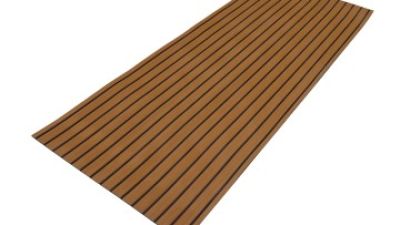
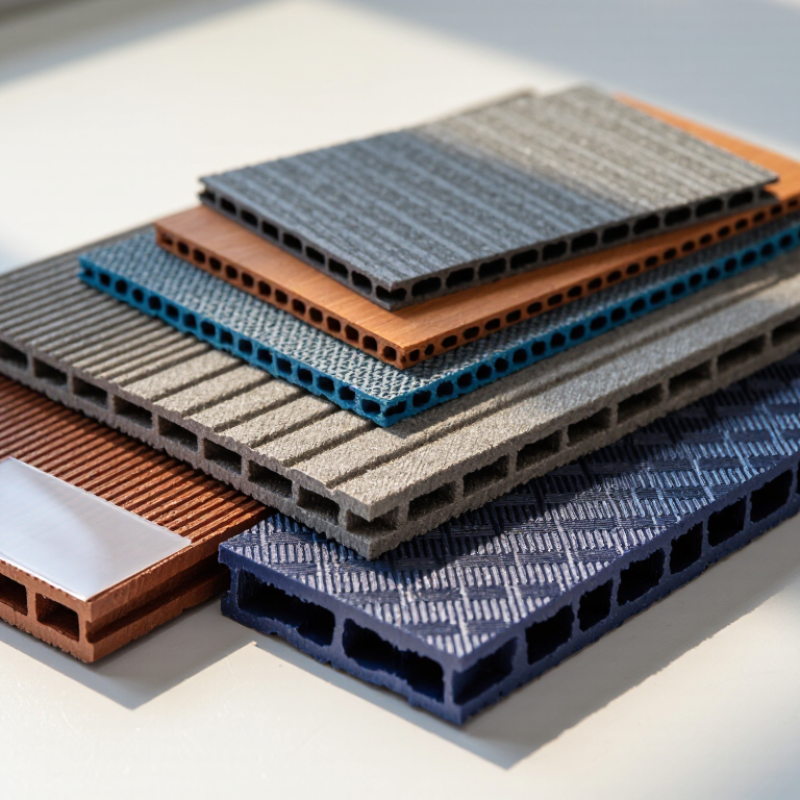
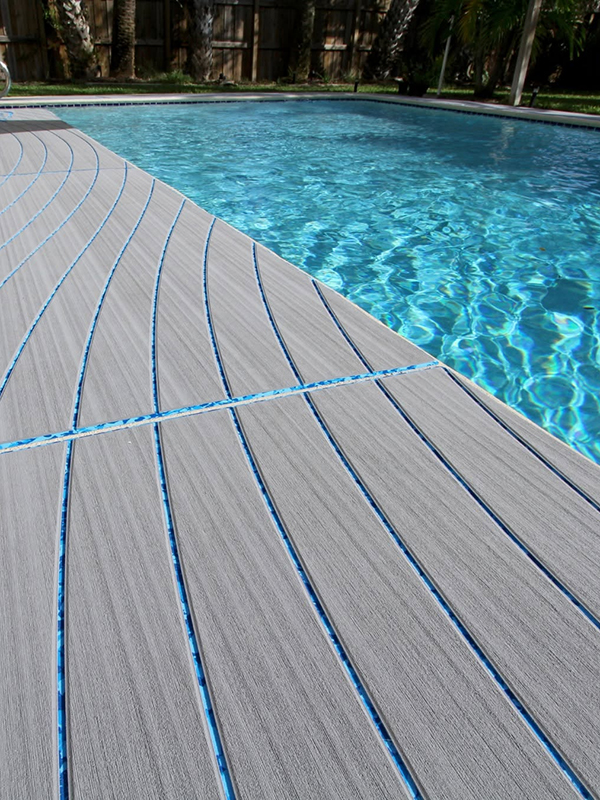
Eva Foam Decking Sheets are usually made from closed-cell foam, which resists water absorption and stays comfortable under bare feet. Cross-linked EVA offers better dimensional stability than basic foam, especially under repeated compression. Surface options include brushed textures, raised patterns, and faux-teak grooves. Each changes grip, cleaning effort, and production cost.
Density matters more than many buyers expect. Softer foam feels pleasant on a swim platform, but it may show heel marks sooner. Higher-density foam feels firmer and usually handles fishing gear, cockpit traffic, and frequent rinsing better. Marine decking commonly falls around 80–180 kg/m³, although specifications vary by supplier and application. Thickness often ranges from 3 to 10 millimeters. An Eva Foam Decking Sheet for helm steps may need firmness, while cabin flooring may prioritize cushioning. I once underestimated drainage; shallow grooves held sand near the edges. That detail deserves more attention.
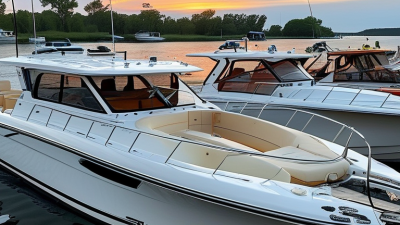
Key marine uses include boat decks, swim platforms, cockpit floors, gunwales, boarding steps, and casting areas. Saltwater, sunlight, fuel splashes, and cleaning chemicals can expose weak materials quickly. Check UV resistance, compression recovery, adhesive compatibility, and temperature performance before ordering. Price from China suppliers depends on density, thickness, sheet size, color, backing adhesive, surface texture, and custom cutting. Larger sheets may reduce seams, but they can create more waste during installation. No sheet is perfect. Test a sample on a wet, busy area before approving a large order.
China EVA Decking Sheet Specifications: 2–10 mm Thickness and 30–250 kg/m³ Density
China EVA decking sheet prices vary sharply with thickness and density. A 2 mm sheet at 30 kg/m³ weighs about 0.06 kg per square metre. A 10 mm sheet at 250 kg/m³ reaches approximately 2.5 kg per square metre. This difference affects freight, cushioning, cutting waste, and installation effort. Grand View Research’s 2024 EVA market analysis identifies construction, transport, and recreational products as important demand areas. Decking buyers should request density tolerance, not only a nominal number.
Thickness changes comfort and surface stability. Sheets from 2–4 mm suit lighter decorative coverage, while 6–10 mm provides stronger cushioning under regular foot traffic. Density near 80–150 kg/m³ often balances flexibility and compression resistance, but the best range depends on the deck substrate. ISO 845:2018 provides a recognized method for determining foam apparent density. ASTM D3575 also supports testing for flexible cellular materials. Ask suppliers for test results, thickness tolerance, water absorption, tensile strength, and compression-set data.
Surface texture matters.
A practical quote should specify sheet size, color, groove pattern, adhesive backing, packing method, and minimum order quantity. The lowest price may reflect lower density or uneven thickness. That assumption deserves checking. In production, a small thickness error can create visible seams and uncomfortable edges. Samples should face sunlight, moisture, repeated pressure, and cleaning before approval. Density alone does not prove long-term deck performance.
China EVA Decking Sheet Specifications: Thickness and Density Range
EVA decking sheets are commonly specified across thicknesses from 2 to 10 mm and densities from 30 to 250 kg/m³. The chart illustrates the stated density range across representative thickness options; actual specifications may vary according to application, foam structure, surface finish, and manufacturing requirements.
How EVA Decking Sheet Quality Is Tested: Shore C Hardness, Tensile Strength, and UV Resistance
When I assess an Eva Faux Teak Decking Sheet, I start with the test record, not the color. Color can mislead. Shore C hardness measures surface firmness with a calibrated durometer. A technician should test several points, including textured grooves and flat areas. Readings that vary widely may indicate uneven foaming or poor curing. Harder is not always better. A deck surface needs grip, comfort, and resilience under bare feet.
Tensile strength testing pulls a prepared strip until it breaks. The report should show strength, elongation, specimen size, and conditioning temperature. A strong sheet may still tear around a cut edge. I inspect seams, corners, and drainage openings after installation. Small cuts matter. They often reveal weaknesses that laboratory samples miss. This is where practical experience remains useful, although it can introduce personal judgment.
UV resistance requires controlled exposure, usually with ultraviolet lamps, heat, and moisture cycles. Inspectors compare color change, cracking, surface chalking, and hardness loss before and after exposure. Test hours are useful, but they do not perfectly reproduce sunlight, salt spray, or deck cleaning. I would question any supplier offering only a broad “UV proof” claim. Test methods and acceptance limits should be clearly stated. These records also help explain price differences between similar sheets. A cheaper quotation may reflect fewer tests, thinner material, or weaker quality control.
China EVA Decking Sheet Pricing Factors: Material, Thickness, Size, and Surface Pattern
China EVA decking sheet prices vary because material quality is rarely identical. A dependable Eva Foam Boat Decking Sheet usually uses closed-cell EVA foam, which resists water absorption and supports comfortable footing. Density matters as much as color. Softer foam feels pleasant, but it may compress faster under fishing seats and coolers. Higher-density foam costs more. It can also hold its shape better in hot, damp environments.
Thickness changes both comfort and price. A 3 mm sheet may suit light decorative areas, while 6 mm or 9 mm material offers better cushioning. Larger sheets reduce cutting waste, but oversized rolls can increase shipping costs. Custom dimensions may require special tooling or create leftover material. That detail is easy to miss.
Surface patterns also affect the quotation. Brushed, teak-style, diamond, and textured finishes require different molds and production controls. Deep grooves can improve traction, yet they may collect dirt and take longer to clean. Light colors often show stains sooner, even when the foam performs well. In my purchasing experience, samples reveal more than a price list. Check thickness across several points, adhesive strength, edge quality, and pattern alignment. One imperfect sample should not be ignored. It may indicate wider production variation, though testing only one sheet can also lead to unfair conclusions. Ask for batch details, tolerances, packaging protection, and inspection records before comparing suppliers.
MOQ, Customization, and Production Lead Times from Chinese EVA Suppliers
China Best EVA Decking Sheet Supplier Price Guide?
When comparing Chinese EVA decking sheet suppliers, price starts with material, thickness, density, and surface texture. Standard sheets often cost less than pre-cut kits with adhesive backing. A practical quotation should show sheet size, foam grade, color, packaging, and shipping terms. Otherwise, a low unit price can hide expensive tooling or packing fees.
MOQ varies by factory and specification. Standard colors may require 50 to 200 sheets, while custom colors or molded patterns can require more. Ask whether the MOQ applies per color, size, or total order. Request a physical sample before approving bulk production. Check its thickness, rebound, surface grip, and adhesive coverage. A sample can reveal uneven cutting that photographs miss.
Customization usually includes logos, grooves, bevels, cut files, and backing options. Simple CNC cutting may take three to seven working days after file approval. New molds need longer preparation. Standard production commonly takes 15 to 25 working days, while complex orders may need 30 to 45 days. Add time for inspection and export booking. Delays happen. Artwork revisions are a frequent cause. My own sourcing checklist would include a signed specification sheet, retained sample, inspection photos, and a clear replacement policy. Cheap is not always efficient.
How to Compare China’s Best EVA Decking Sheet Suppliers and Factory Quotes
Comparing China’s best EVA decking sheet suppliers requires more than checking the lowest factory quote. Grand View Research estimated the global EVA foam market at about USD 7.8 billion in 2023, with continued growth through 2030. This demand attracts capable factories, but also inconsistent specifications. Ask each supplier for density, thickness tolerance, closed-cell rate, water absorption, and peel strength. A sample should be tested after heat, saltwater, and repeated foot traffic.
For an Eva Foam Faux Teak Boat Decking Sheet, compare the same construction details. Check foam hardness, surface texture, groove depth, adhesive compatibility, and color stability. A 6 mm sheet priced lower may use lighter foam or thinner embossed layers. That difference becomes visible near hatch edges. Request production photos, batch records, and a recent third-party test report. ASTM and ISO-based testing can improve confidence, but certificates should match the actual material.
Factory quotes must include more than price per square meter. Separate tooling, cutting, packaging, inland delivery, export handling, and ocean freight. Confirm MOQ, lead time, payment terms, replacement policy, and Incoterms in writing. I would also compare two samples from different batches. One sample is not enough. That is where buyers often misjudge quality. A factory audit covering laminating equipment, adhesive storage, and final inspection adds practical evidence. Some quotations still look incomplete, and that deserves a second review.
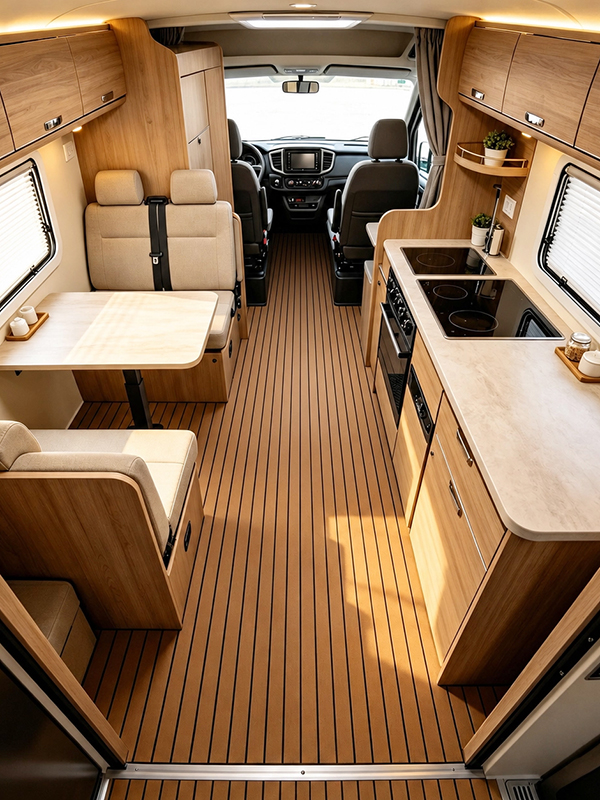
EVA Flooring for RVs & Campers: Comfort, Durability, and Easy-Care Performance on the Road
As recreational travel continues to expand, RV interiors must balance comfort, durability, and easy maintenance. The RV Industry Association reported 342,220 wholesale RV shipments in 2024, while the 2024 North American Camping Report identified 57.8 million camping households in 2023. These figures reflect sustained demand for practical interior upgrades that can withstand frequent travel, outdoor moisture, and everyday use.
Custom-cut EVA flooring is designed to meet these needs. Made from premium closed-cell EVA foam, it provides waterproof, stain-resistant, and durable performance for camping trips, road travel, and recreational use. The standard 6 mm thickness adds cushioning underfoot, helps reduce cabin noise, and absorbs impact without creating excessive bulk. Alternative thicknesses can be selected for different vehicle layouts, storage requirements, and comfort preferences. Because the material is non-absorbent, routine cleaning is simple—an important advantage in spaces exposed to dirt, sand, food, and wet footwear.
Precise 1:1 vehicle-template scanning and CNC cutting allow the mat to fit around seats, cabinets, storage compartments, and curved interior contours. Brushed, wood-grain, diamond, and honeycomb textures offer both functional traction and a refined appearance. Standard colors, two-tone combinations, logo printing, and custom design options make the flooring suitable for RV renovation, camper customization, and long-term floor protection while maintaining a clean, comfortable cabin environment.
FAQS
A calibrated durometer measures Shore C hardness at multiple surface points. Test both flat areas and textured grooves. Readings should remain reasonably consistent. Wide variation may indicate uneven foaming or incomplete curing. Harder is not always better. Bare feet need grip, comfort, and resilience.
A prepared strip is pulled until it breaks. The report should include strength, elongation, specimen size, and conditioning temperature. A strong sheet can still tear near a cut edge. Inspect corners, seams, and drainage openings after installation. Small cuts matter.
Controlled exposure uses ultraviolet lamps, heat, and moisture cycles. Inspectors compare color change, cracking, chalking, and hardness loss. Test hours provide useful evidence, but they cannot copy every outdoor condition. Sunlight, saltwater, and cleaning chemicals may behave differently. “UV proof” alone proves little.
Request density, thickness tolerance, closed-cell rate, water absorption, and peel strength. The report should identify test methods and acceptance limits. Confirm that certificates match the actual material supplied. A recent independent report adds confidence. Records can expose missing controls.
Photographs cannot show every weakness. Check thickness, rebound, surface grip, groove depth, and adhesive coverage. Test the sample after heat, saltwater, and repeated foot traffic. Compare samples from different production batches. Samples can disagree.
Minimum quantities vary by material, color, size, and production method. Standard colors may require roughly 50 to 200 sheets. Custom colors and molded patterns often require higher quantities. Ask whether the minimum applies per color or across the complete order. This detail is easy to miss.
Custom work may include logos, grooves, bevels, cut files, and backing choices. Simple CNC cutting may take three to seven working days after file approval. New molds usually require more preparation. Artwork revisions can create avoidable delays. The file was not final.
Compare more than the price per square meter. Confirm material grade, thickness, density, sheet size, packaging, and shipping terms. Separate tooling, cutting, packing, inland delivery, export handling, and freight charges. Also confirm payment terms, replacement policies, and delivery conditions. A low price may hide missing costs.
Standard production commonly requires 15 to 25 working days. Complex orders may need 30 to 45 working days. Add time for inspection and export booking. Delays may follow artwork changes, mold preparation, or unclear specifications. My estimate could still be wrong.
Conclusion
This guide explains how to evaluate an Eva Decking Sheet for marine and outdoor applications, covering foam types, density ranges, thickness options, and common uses on boat decks, swim platforms, and recreational equipment. It outlines key specifications, including 2–10 mm thickness and 30–250 kg/m³ density, while highlighting important quality indicators such as Shore C hardness, tensile strength, dimensional stability, water resistance, and UV performance. These factors help buyers select materials that provide comfort, traction, durability, and reliable long-term service.
The guide also examines how Chinese supplier pricing is determined by raw material quality, sheet size, thickness, color, surface pattern, backing options, and order volume. Buyers will learn what to ask about minimum order quantities, custom cutting, logo-free design options, sampling, packaging, and production lead times. Finally, it presents a practical approach for comparing factory quotations by reviewing specifications, testing data, customization capability, communication, consistency, and total delivered cost rather than focusing only on the lowest unit price.
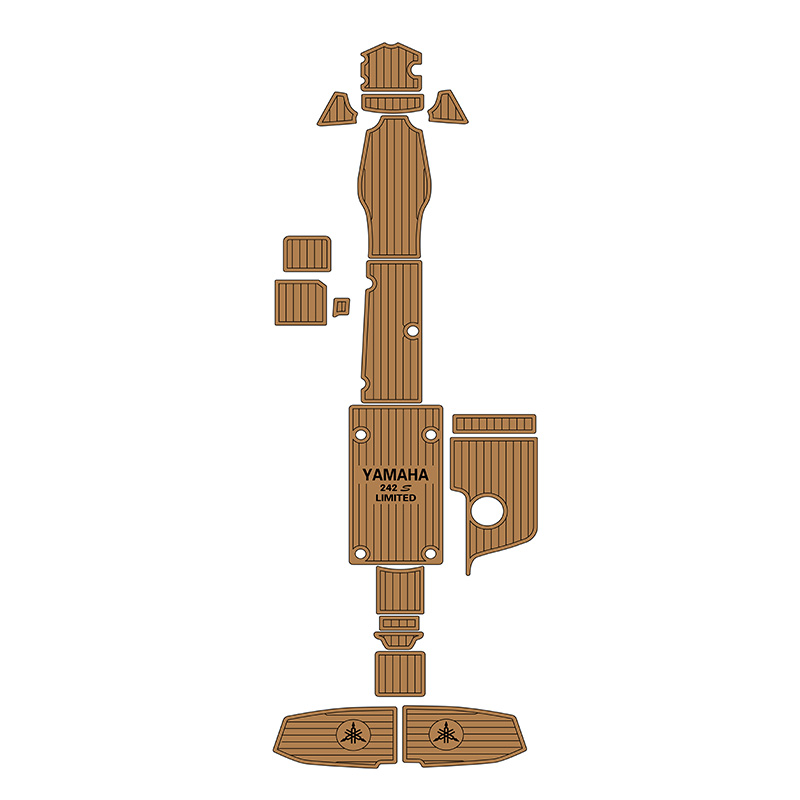 Marine Decking & Custom Kits
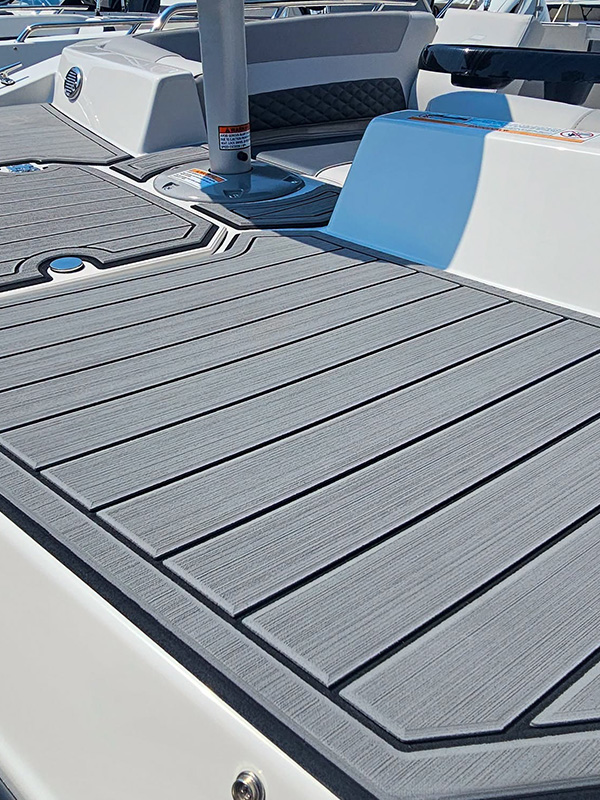 Yacht Decking
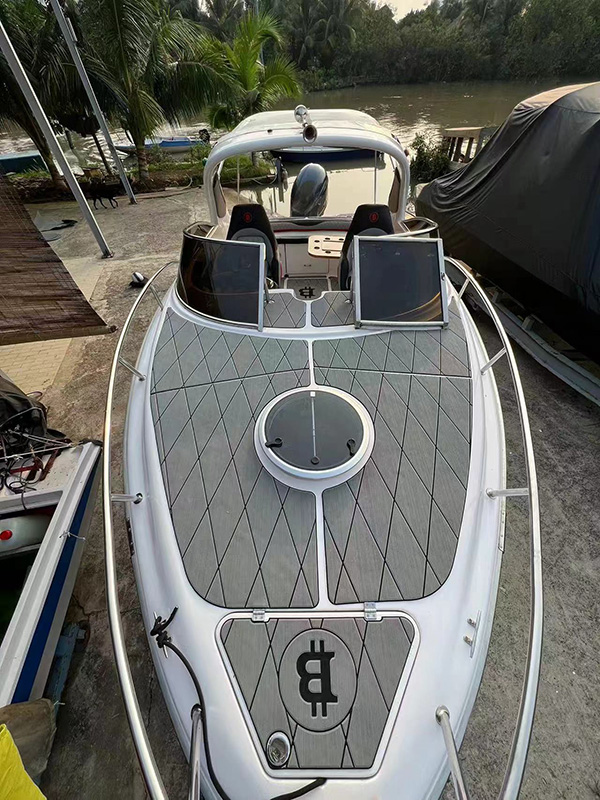 Fishing Boat Decking
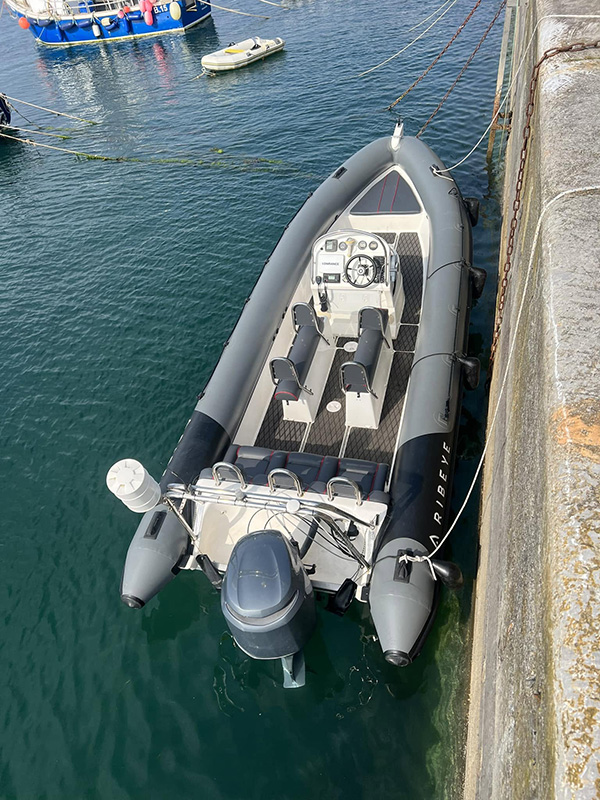 RIB Decking
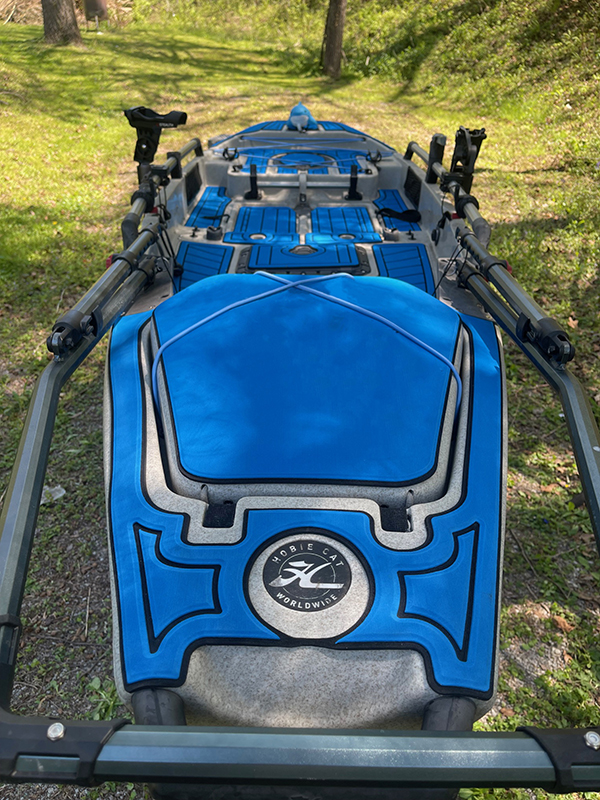 Kayak Deck Pads
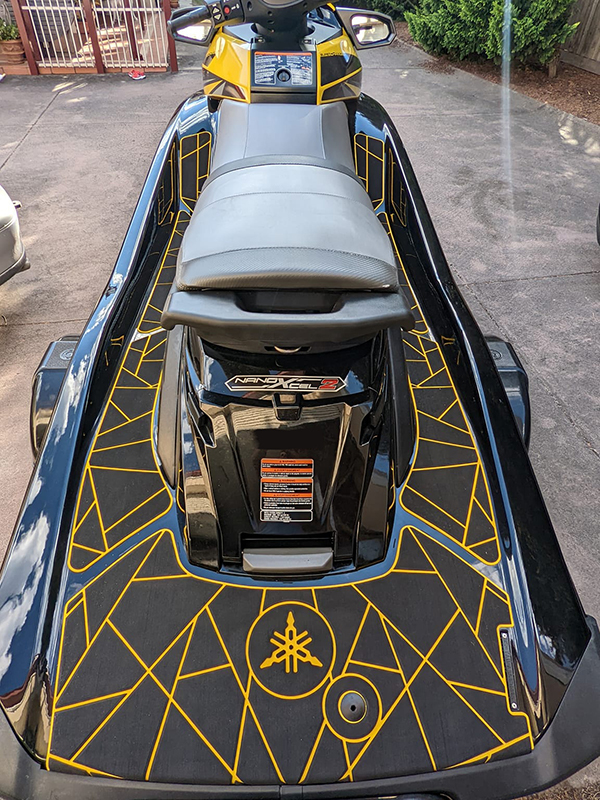 Jet Ski Traction Mats
 Onboard Comfort & Utility Pads
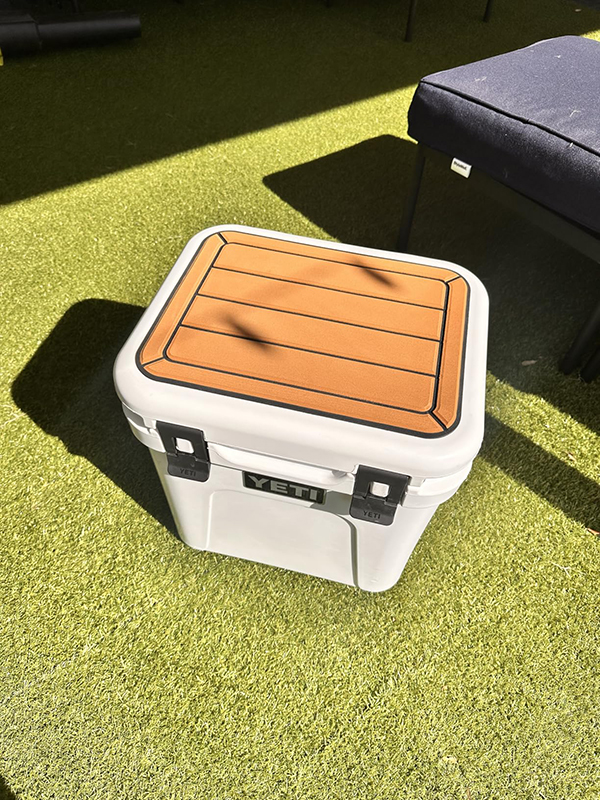 Cooler Pads
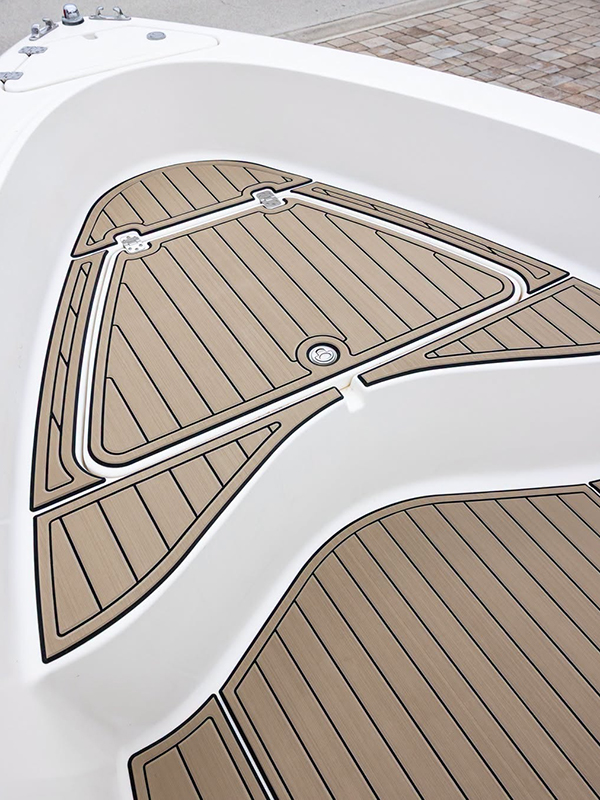 Coaming Bolster Pad
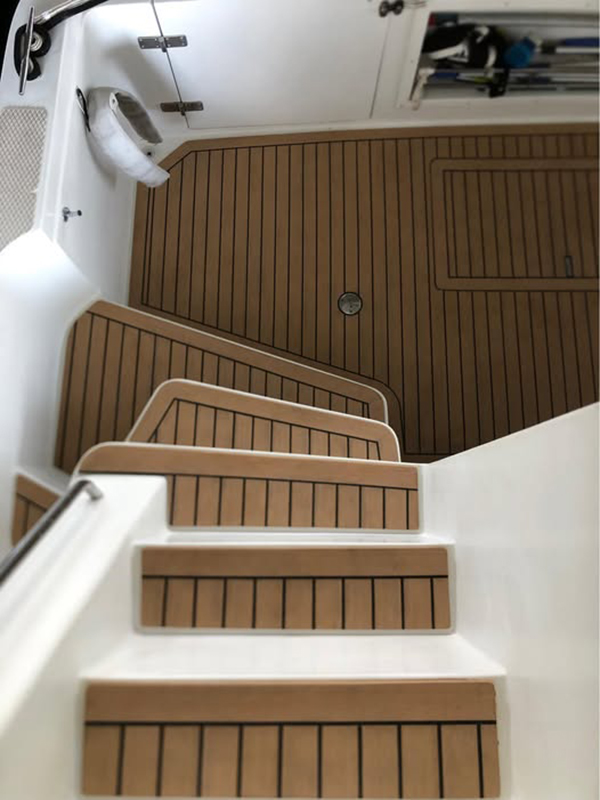 Step Pads
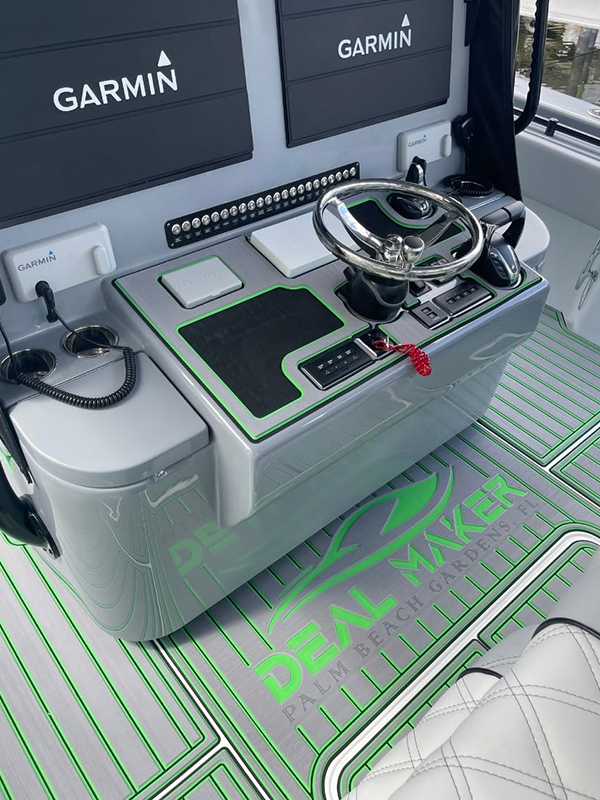 Helm Station Pads
 Watersports & Fishing Gear
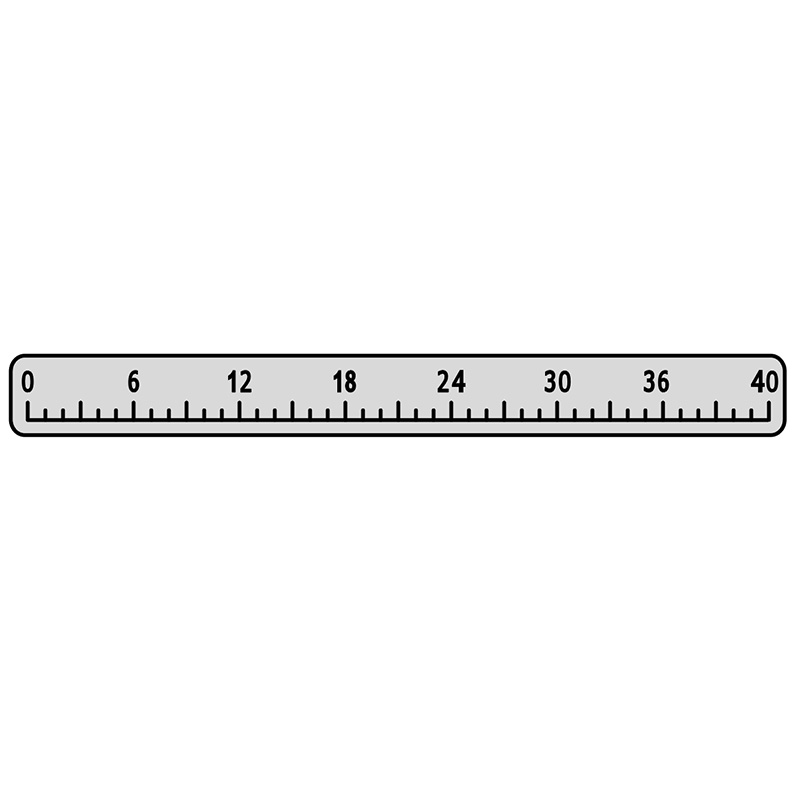
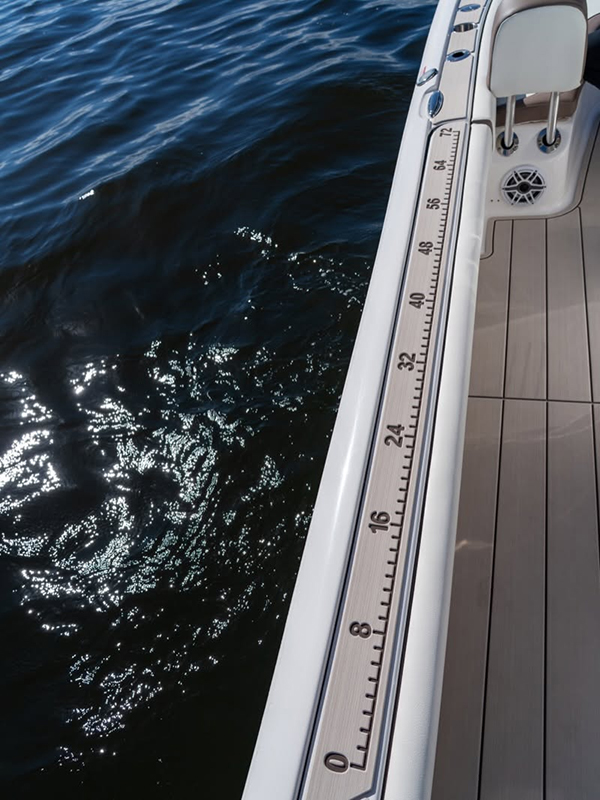 Fish Rulers
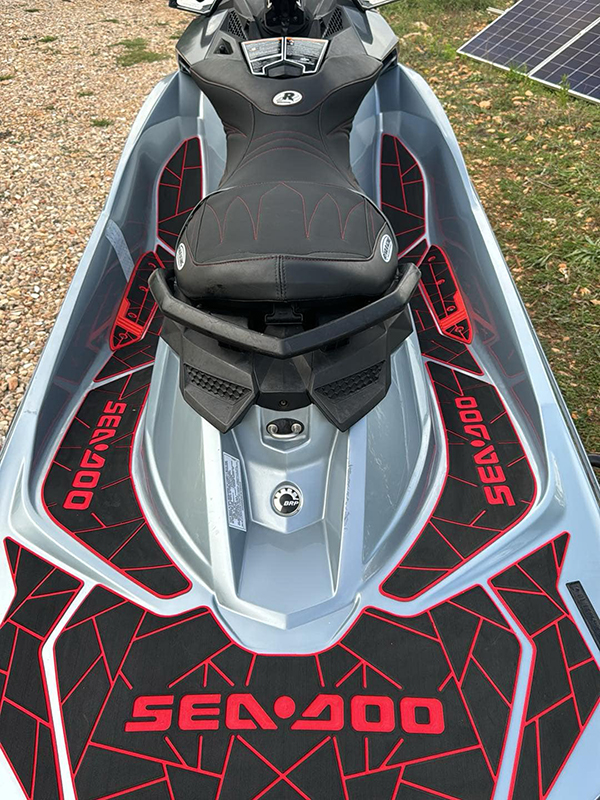 PWC Traction Pads
 Stand-Up Paddleboard (SUP) Pads
 Hydrofoil Surfboard Pads
 Other
 RV & Camper Flooring
 Inflatable Floating Docks
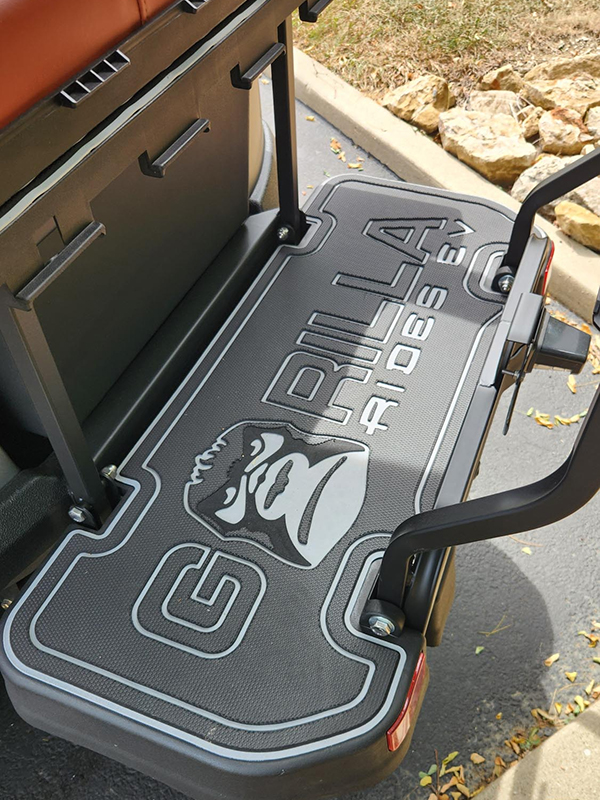 Golf Cart Mats
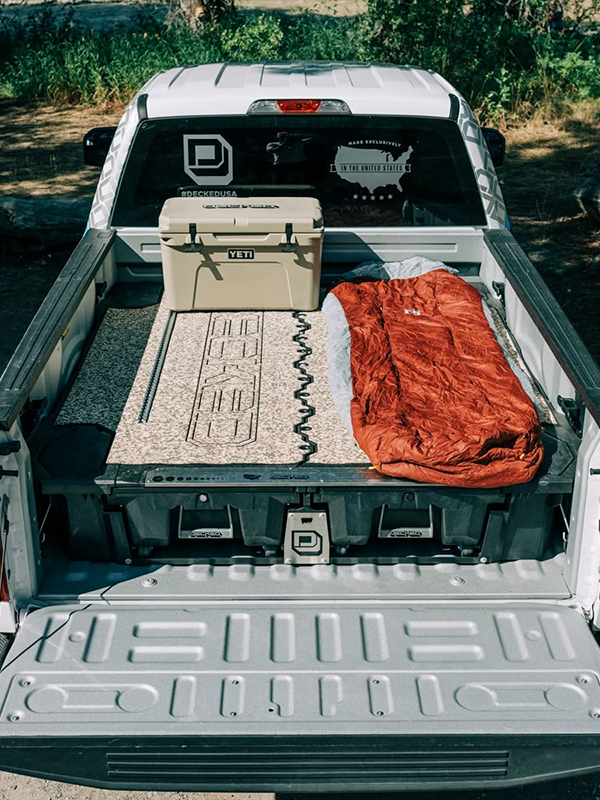 Auto Trunk Liners
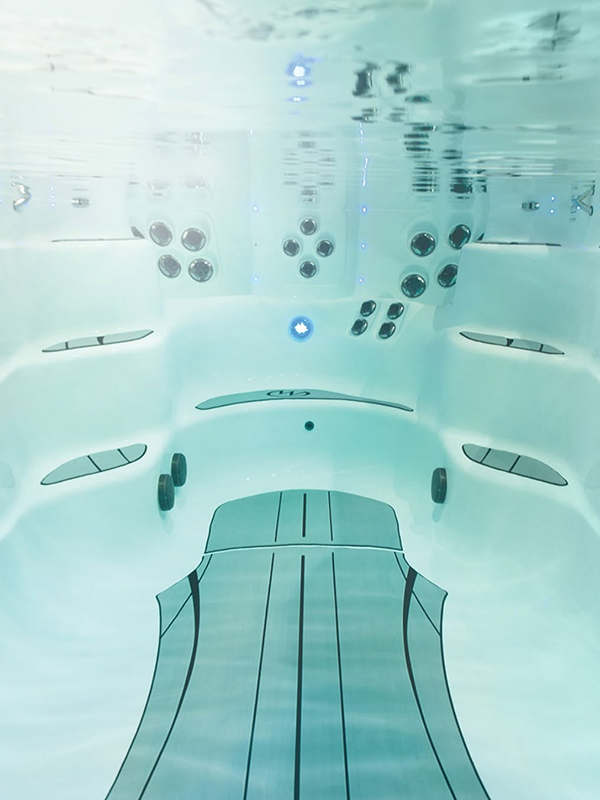 Bathtub Anti-Slip Mats
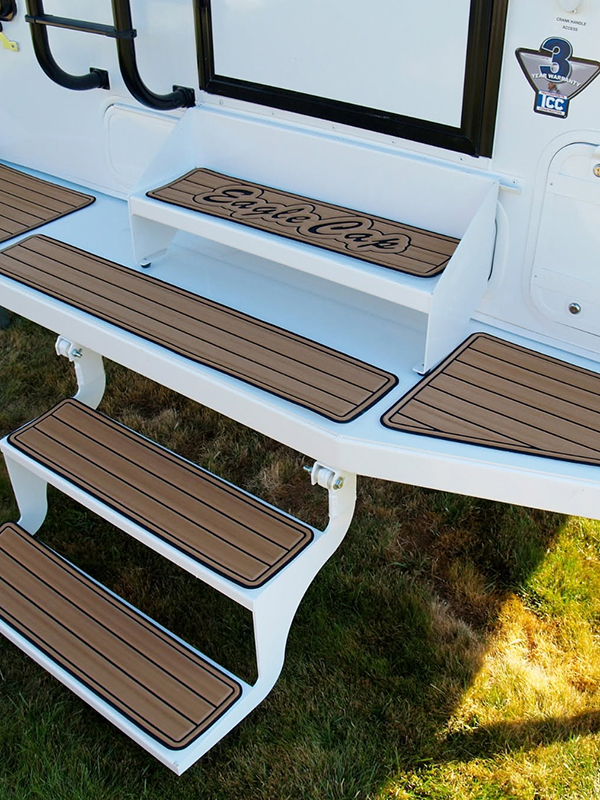 Stair Treads
 Swim Platform Mats