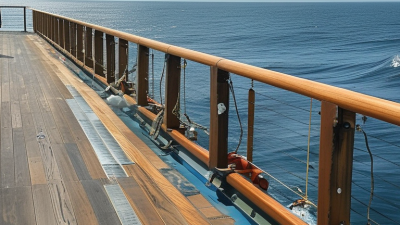
Picking the right marine deck material isn't just about looking at colors, prices, or how nice it looks in a showroom. There's more to it—think about how the deck will hold up against saltwater, UV rays, moisture, heat, scratches, and foot traffic day in and day out. You might notice the surface feels different after a wet morning, especially near the swim platform or ladder. Honestly, no one material is perfect or unbeatable for all these challenges.
Looking at the latest stats from the U.S. Coast Guard in 2023, there were over 4,000 boating accidents, more than 550 deaths, and thousands of injuries. Now, that doesn’t mean the deck material alone caused these accidents, but it definitely highlights why things like traction, drainage, visibility, and safe movement are so important. Slippery decks, especially when sprayed with water, can turn a minor slip into a serious fall. Bad drainage isn’t just annoying—it can cause odors, stains, and even hidden damage underneath.
Choosing the right material really benefits from mixing hands-on experience with proven performance data. The American Boat and Yacht Council has standards for safety features like reboarding systems and electrical safety—things that matter big time. ISO 15085 even covers man-overboard prevention and rescue stuff for small boats. But remember, there's no one-size-fits-all answer here. Different materials—like teak, fiberglass, vinyl, cork, or synthetic teak—each come with their own pros and cons, whether it’s weight, how much upkeep they need, how hot they get, how easy they are to repair, or their environmental impact. So, honestly, the best choice often depends on your boat, where you'll use it, your budget, and how much maintenance you're willing to do. People often overlook this part.
A good way to make an informed decision is to look at actual decks installed on boats, dig into the technical specs, and test how well the surface grips when wet. That way, you can pick a material that truly works for your boat, your climate, and your safety needs.
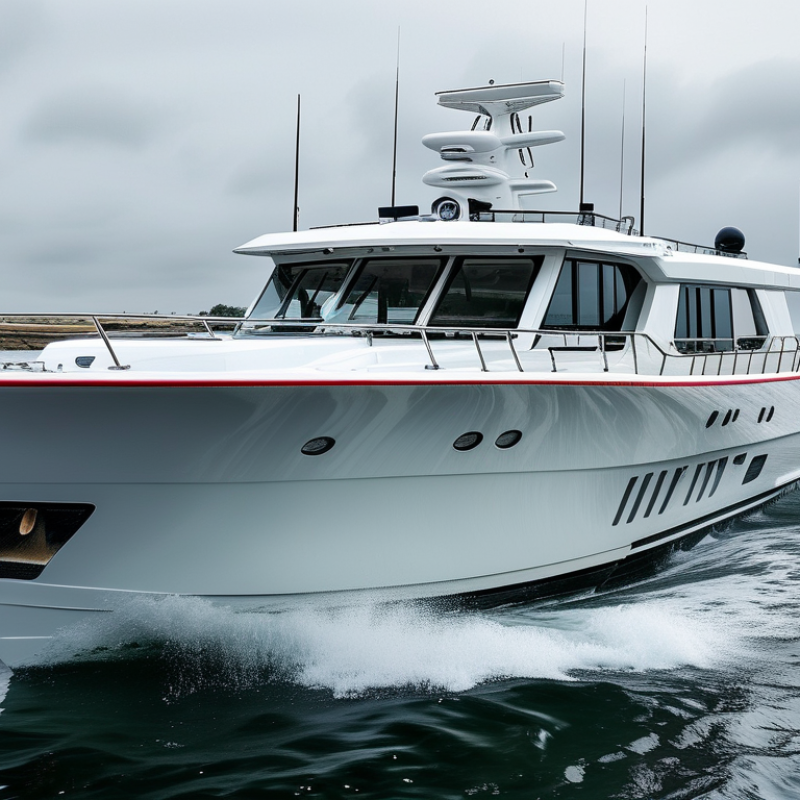
What Makes a Marine Deck Material Suitable for Boat Use?
A suitable marine deck material must handle water, sunlight, salt, impact, and constant movement. Boat Flooring Materials should remain stable when soaked, not become dangerously slippery, and resist cracking under repeated temperature changes. Water finds weak seams. Poor drainage can also trap moisture beneath the surface, encouraging odor, staining, or structural damage.
The U.S. Coast Guard’s 2023 Recreational Boating Statistics identifies operator inattention and improper lookout among leading accident factors. A deck cannot prevent every incident, but reliable traction gives passengers better footing during sudden movement. In practical boatyard inspections, I look for a textured surface, secure bonding, rounded edges, and fast drainage. Bare feet matter too. Sharp grit can cause injuries, while overly soft surfaces may compress around fittings.
The National Marine Manufacturers Association’s 2023 Statistical Abstract recorded more than 11 million registered recreational boats in the United States. That scale shows why durability testing matters. A deck exposed to repeated launches, wet storage, and intense sunlight needs verified resistance to abrasion, ultraviolet exposure, and water absorption. Material safety data and installation instructions should come from recognized testing laboratories, not only from sales claims. No material is perfect. I would still inspect seams every season, because even a strong surface can fail around hardware, corners, and poorly prepared substrates.
How Major Marine Deck Materials Compare
What Is the Best Marine Deck Material?
How Major Marine Deck Materials Compare
Choosing a marine deck material depends on traction, heat, maintenance, weight, and installation quality. No material wins everywhere. The 2023 NMMA U.S. Recreational Boating Statistical Abstract recorded about 11.6 million registered recreational boats. That large installed base includes many deck designs, from traditional wood to molded composites.
Teak provides a warm appearance and strong natural grip, even when damp. However, it is heavy, expensive, and demands regular cleaning. Synthetic teak reduces maintenance and offers consistent color, but poor installation can cause edge lifting.
EVA foam feels comfortable under bare feet and absorbs some vibration. It can also trap dirt around seams. Fiberglass remains rigid and durable, yet it may become hot and slippery without a textured finish. Aluminum is lightweight and resistant to rot, although unprotected surfaces can feel harsh and amplify noise.
Market data also shows why composite solutions are gaining attention. Grand View Research projects steady growth in the global marine composites market through 2030, supported by demand for lighter and corrosion-resistant structures. That trend does not automatically make composites the best deck choice. A deck with excellent material can still fail because of weak bonding, standing water, or unsuitable fasteners. In practical inspections, drainage and surface texture often matter more than appearance. I would compare installed weight, wet-slip performance, ultraviolet resistance, and repair access before choosing. A small sample test under wet shoes is worthwhile. Manufacturers’ ratings can be useful, but real boat conditions are less forgiving.
How Durability and Weather Resistance Affect Material Choice
What Is the Best Marine Deck Material?
How Durability and Weather Resistance Affect Material Choice
Choosing a Marine Deck requires more than comparing color, texture, and price. Saltwater, sunlight, standing water, and temperature changes can weaken materials quickly. During deck inspections, I have seen attractive surfaces crack around fasteners after only a few seasons. Salt leaves a gritty film that holds moisture against the deck. Traction matters more than appearance.
Natural timber can feel comfortable under bare feet and may be repaired locally. However, it needs regular cleaning, sealing, and inspection. Synthetic decking often resists rot and absorbs less water, while composite materials can offer stable performance in damp conditions. Heat can surprise bare feet. Dark surfaces may become uncomfortable under strong summer sun, even when they remain structurally sound.
Durability also depends on installation quality. Proper drainage prevents water from collecting beneath boards. Correct spacing allows the deck to dry after rain and washing. Fasteners should resist corrosion, especially near exposed coastal water. I once favored the thickest available boards, but later noticed that poor ventilation caused premature damage underneath. That experience changed my view. Material strength matters, but airflow, edge protection, cleaning habits, and routine inspections matter just as much. A durable deck still needs attention around seams, corners, and shaded areas where algae can quietly build.
How Safety, Comfort, and Maintenance Shape the Decision
Choosing the best Marine Deck Material starts with safety, not appearance. A wet deck can turn a small step into a serious fall. The U.S. Coast Guard recorded 3,844 recreational boating accidents, 564 deaths, and 2,689 injuries in its 2023 Recreational Boating Statistics report. These figures do not prove that flooring caused each incident. They do show why traction deserves careful attention.
A Marine Deck Mat with a textured, water-shedding surface can improve footing near swim platforms, ladders, and fishing stations. Test it with wet shoes, not just dry fingers. Comfort matters, too. Closed-cell foam can soften long periods of standing and reduce fatigue on hard fiberglass. It may also feel less harsh under bare feet during hot weather. Still, dark surfaces can become uncomfortably warm. I once underestimated that detail.
Maintenance shapes the decision over time. Look for documented resistance to ultraviolet exposure, saltwater, mildew, and cleaning chemicals. Check whether the surface traps sand around seams. The U.S. Coast Guard report also recorded more than 63 million dollars in property damage during 2023, reminding owners that prevention has practical value. A replaceable mat may simplify repairs, but poor adhesion creates its own hazard. No material is perfect. Compare wet-slip performance, edge security, drainage, and cleaning effort before choosing.
How Installation Methods and Long-Term Costs Differ
What Is the Best Marine Deck Material?
Choosing the best marine deck material depends on installation conditions, maintenance, and ownership time. A practical refit assessment should begin with the substrate. Is it fiberglass, aluminum, or painted wood? Each surface needs different preparation. The deck must be clean, dry, and free from wax or loose coating. Poor preparation causes expensive failure, regardless of material quality.
Eva Marine Deck is commonly installed with marine-grade adhesive after accurate templating. The installer cuts panels around hatches, rails, and curved corners. Small gaps matter. They allow drainage and reduce edge lifting. Installation is usually quieter and lighter than fitting solid timber. However, uneven surfaces may require leveling first. That extra labor can change the original budget quickly. I have seen attractive plans become costly because preparation was underestimated.
Long-term costs are less obvious. Timber may need sanding, sealing, and regular inspection, especially near wet footsteps. Synthetic deck sheets often reduce routine coating work, but their textured surface can hold dirt and require careful scrubbing. Adhesive replacement is also difficult when panels age or water reaches the edges. This is the uncomfortable part: the cheapest installation is not always the cheapest ownership choice. A small boat used occasionally may favor lower upfront cost. A working vessel with heavy traffic may justify stronger materials and professional fitting. Local climate, cleaning habits, and access to replacement panels should influence the decision.
How to Select the Best Deck Material for Your Boat
Choosing the best marine deck material starts with your boat’s actual working conditions, not its appearance. Consider saltwater exposure, direct sunlight, standing water, foot traffic, and the deck’s weight limits. A material that performs well on a calm lake may fail faster in coastal conditions. Check the substructure first. Even an excellent surface cannot repair weak plywood or poor drainage.
In my experience, fiberglass offers a sealed, durable surface with relatively simple cleaning. It can feel hard under bare feet, though. Teak provides warmth and strong grip, but it needs regular care and adds weight. Marine-grade plywood can be practical when properly sealed, yet exposed edges remain vulnerable. Aluminum resists rot and reduces maintenance, but it may become hot and noisy. Synthetic decking and closed-cell foam feel comfortable, but their adhesives need careful installation and inspection.
Think beyond the first purchase price. Measure installation time, repair access, replacement difficulty, and long-term maintenance. Ask how the surface feels after hours in the sun. Test a sample with wet shoes before committing. Small details matter. Some textured finishes trap sand and make cleaning frustrating. Dark colors can become uncomfortable in summer. I once chose a surface mainly for its attractive pattern and underestimated drainage; that decision created extra cleaning work. A careful choice should balance grip, comfort, durability, weight, and the conditions your boat faces most often. No material is perfect.
What Is the Best Marine Deck Material?
A practical comparison of common boat-deck materials using five important selection criteria. Ratings are comparative typical values on a 1–5 scale; actual performance depends on installation, climate, maintenance, and boat use.
How to read the chart: Teak offers excellent grip and long-term durability but requires more maintenance. Synthetic teak and EVA foam are comfortable, low-maintenance alternatives, while fiberglass and aluminum provide strong weight and durability advantages. Choose the material that best matches your climate, budget, desired comfort, and maintenance capacity.
UV-Resistant EVA Traction Mats for Sea-Doo RXP-X 260: Insights from Grand View Research Marine Accessories Data
UV-resistant EVA traction mats are becoming an important part of the marine accessories market as boat and personal watercraft owners place greater emphasis on safety, comfort, and long-term value. For high-performance watercraft, a reliable deck mat helps improve footing on wet boarding areas, swim platforms, and cockpit surfaces. Made from odorless, eco-friendly closed-cell EVA, this mat offers a soft yet durable surface that resists water absorption, deformation, harsh sunlight, and repeated exposure to seawater. Its textured finish increases friction, helping reduce slips during boarding, riding, and routine handling.
Designed for practical installation and daily use, the mat is produced with full-size scanning and precision CNC cutting. A segmented layout and pre-cut holes allow accurate alignment around fittings and hardware, reducing installation time. The surface is easy to rinse and clean, making maintenance convenient after saltwater or recreational use. Standard colors are available, while custom color matching, edge wrapping, and multiple grain patterns support different vessel designs and personal preferences. This combination of UV resistance, dependable traction, and flexible customization makes the EVA mat a suitable accessory for watercraft owners, boat builders, and marine equipment suppliers seeking durable deck protection.
FAQS
It should handle water, sunlight, salt, impact, and constant movement. It must resist cracking, water absorption, and abrasion. No material is perfect.
Wet surfaces can cause sudden falls during movement. Choose textured materials that shed water quickly. Test them with wet shoes.
Check swim platforms, ladders, fishing stations, and walking paths. These areas often collect water and receive heavy foot traffic. Bare feet matter.
Trapped moisture can create odors, stains, mildew, or structural damage. Inspect seams, corners, and low areas carefully. Water finds weak seams.
Closed-cell foam can soften hard surfaces and reduce standing fatigue. It may also feel gentler under bare feet. However, dark surfaces can become very hot.
Check the substructure, plywood, drainage, and surface preparation. A strong covering cannot repair weak support underneath. That detail is easy to miss.
Fiberglass is sealed and easy to clean, but it can feel hard. Teak offers warmth and grip, but requires regular care and adds weight. Aluminum resists rot, though it may become hot and noisy. Synthetic surfaces feel comfortable, but adhesives need careful installation.
Inspect seams, edges, hardware areas, and bonding. Look for lifting, trapped sand, staining, and damaged corners. Clean debris before it hides problems. Small failures grow.
Consider installation time, cleaning effort, repair access, replacement difficulty, and long-term maintenance. A cheaper surface may demand more work later. I once prioritized appearance and underestimated drainage. That choice created extra cleaning.
Conclusion
Choosing the best marine deck material requires balancing performance, comfort, appearance, and long-term value. Suitable Marine Deck Materials should resist water, sunlight, salt, impact, and temperature changes while providing reliable traction in wet conditions. Common options differ in weight, flexibility, heat retention, durability, and visual style, so the right choice depends on the boat’s design and intended use. A material that performs well on a fishing boat may not offer the same advantages on a leisure or high-traffic vessel.
Safety and maintenance are also important considerations. Comfortable, slip-resistant surfaces can improve movement onboard, while easy-to-clean materials reduce routine upkeep. Installation methods may range from simple adhesive application to more involved fitting and sealing, affecting both initial labor and future repairs. When selecting a deck, boat owners should compare expected lifespan, weather resistance, installation requirements, maintenance effort, comfort, and total cost. The best solution is one that matches the vessel’s environment, usage frequency, design needs, and long-term ownership plans.