Leave Your Message
0%

Choosing the right Deck Mat can really change how your boat, yacht, balcony, or outdoor platform feels when you walk on it. A good quality mat should be tough enough to handle water, sunlight, salt, oil, and lots of foot traffic. And it should stay comfortable, even if you're standing on it for hours in direct sunlight. Nigel Calder, who wrote the Boatowner’s Mechanical and Electrical Manual, nicely reminds us: “Keep it simple.” That’s sound advice when you're comparing different materials, installation styles, drainage options, and cleaning routines.

In this guide, I’ve rounded up 10 of the best deck mats for buyers around the globe, considering real-world conditions. For example, EVA foam might give you a nice soft cushion and grip well. Rubber mats are super durable but can feel warmer and heavier underfoot. PVC tends to be easier to clean, while woven mats can help with airflow underneath furniture. But don’t forget — measurements matter. A tiny shift of just two centimeters can cause water to pool at the edges. Plus, small defects or imperfections can quickly become annoying.

If you’re buying from overseas, make sure to check things like packaging, shipping weight, how well it handles different temperatures, and whether replacement options are available. Sometimes, a product looks great online but feels way too thin when you see it in person. I initially focused too much on how they looked — big mistake. A practical deck mat needs to match your surface, climate, how much foot traffic it gets, and your cleaning routine. Honestly, there’s no one perfect choice for everyone. Sometimes, the less flashy-looking option ends up being the best — especially if it stays flat, drains quickly, and stays stable after months of use. Pay attention to manufacturer instructions and regional safety standards before making that final call.
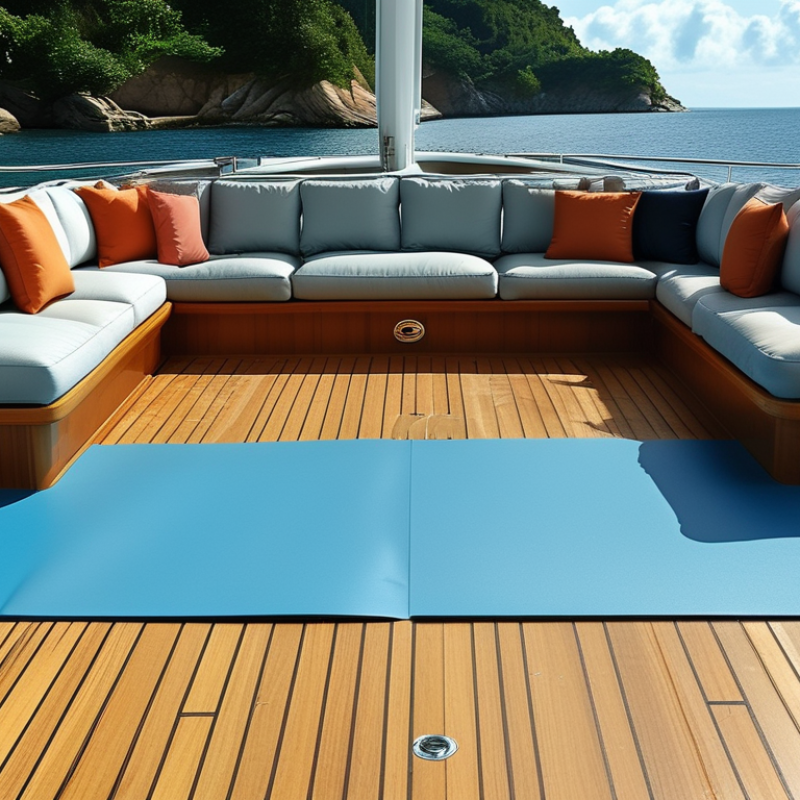
10 Best Deck Mat Options for Global Buyers?

What Makes a Deck Mat Suitable for Global Buyers

A Marine Deck Mat should perform reliably across climates, not only in a showroom. Global buyers need materials that resist sunlight, salt spray, rain, and repeated foot traffic. Closed-cell foam can reduce water absorption, while textured surfaces help maintain grip near wet ladders. However, no material suits every vessel or climate perfectly.

Measure the deck carefully before ordering. Small errors can leave exposed edges where dirt collects or the mat shifts. Look for stable dimensions, strong adhesive backing, and easy trimming without fraying. A supplier should provide material details, cleaning guidance, sample pieces, and clear production tolerances. These records show practical reliability, not just attractive product claims. I have found that color stability also deserves attention, especially on dark surfaces under intense sunlight. Test samples outdoors when possible. Laboratory results are useful, but real conditions can be less forgiving.

Tips: Ask about temperature ranges, drainage performance, and saltwater resistance. Check whether the adhesive matches fiberglass, aluminum, wood, or painted decks. Request export-ready packaging to prevent bent corners during long transport. Confirm replacement procedures before purchase. This matters.

Global buyers should also consider installation skill and local maintenance habits. A removable mat may suit rental boats or seasonal storage, while permanent installation can reduce movement on high-traffic decks. Some buyers overlook drying time after cleaning. That small detail can affect comfort and odor. Review supplier communication carefully, because clear answers often reveal stronger technical support.

Key Materials Used in High-Performance Deck Mats

10 Best Deck Mat Options for Global Buyers?

Key Materials Used in High-Performance Deck Mats

High-performance deck mats rely on materials that balance grip, drainage, comfort, and weather resistance. Marine-grade EVA foam is popular because it feels soft under bare feet. Its closed-cell structure absorbs little water and dries quickly after rain. However, low-density foam can dent under heavy furniture or repeated foot traffic.

Synthetic rubber offers stronger impact resistance and dependable traction on wet decks. It also performs well around saltwater, sunlight, and temperature changes. PVC mats are another practical choice for global buyers. They are often easy to clean and cost-effective, but some formulas become stiff in cold conditions. Thermoplastic elastomers provide a useful compromise between flexibility and durability. Their performance still depends on formulation and manufacturing quality.

Tips: Check the material thickness, surface texture, drainage design, and edge finish before purchasing. Ask for test data covering UV exposure, slip resistance, and temperature changes. A mat that feels excellent indoors may behave differently on a hot, moving deck. Measure the installation area carefully, especially around hatches and drainage channels. I have found that color fading is sometimes overlooked during selection. Dark surfaces can also become uncomfortably hot under direct sunlight. No material is perfect. The best option depends on climate, deck traffic, cleaning habits, and expected service life.

Ten Deck Mat Options for Different Outdoor Applications

10 Best Deck Mat Options for Global Buyers

Outdoor spaces need different kinds of protection. A wet boat deck is not the same as a sunny balcony. These ten deck mat options suit varied applications and climates. Drainage mesh mats help water escape around pools and docks. Anti-fatigue foam mats support workers standing in outdoor kitchens. Teak-look PVC mats offer a clean appearance with simple maintenance. Marine-grade rubber mats handle heavy foot traffic and shifting equipment. Outdoor carpet mats add comfort to covered patios. Pet-friendly mats provide textured grip and easier cleaning. Quick-dry poolside mats reduce standing moisture near swimmers. Modular interlocking mats fit irregular balconies and temporary work areas. Coin-pattern rubber mats improve traction in garages and service zones. UV-resistant woven mats work well on exposed terraces.

Marine Mat designs should match the surface beneath them. Check drainage, thickness, edge stability, and cleaning needs before purchasing. A mat that feels soft indoors may become slippery outdoors. Material claims also need practical testing. Temperature changes can affect flexibility and fit.

Tips: Measure the deck twice. Leave room for drainage. Test a small section first. Look for rounded edges and secure backing. In coastal areas, rinse away salt regularly. For colder regions, avoid materials that become brittle. Global buyers should verify local safety requirements and shipment conditions. I would not trust appearance alone. Some attractive mats wear faster than expected, especially under chairs, sand, or frequent cleaning. Inspect seams and corners every few months. Small defects can become trip hazards.

Comparing Safety, Durability, Comfort, and Weather Resistance

Choosing among ten deck mat options starts with the surface beneath your feet. I test mats on wet balconies, poolside decks, and uncovered patios. A reliable mat should grip firmly without trapping excessive water. Textured rubber offers strong traction, while an Eva Foam Mat feels softer under bare feet. However, foam can compress under heavy furniture and may tear against sharp edges.

Durability depends on thickness, density, and daily exposure. A dense PVC mat usually resists scraping from chairs and outdoor storage boxes. Interlocking tiles are practical because damaged sections can be replaced. Still, seams may collect sand and moisture. That detail matters in humid coastal areas. Some mats remain flexible in cold weather, but others become stiff and brittle. I would test a sample outdoors before ordering large quantities.

Comfort is often overlooked during long summer use. A cushioned surface reduces foot fatigue around grills, tables, and outdoor work areas. Yet very soft materials can become unstable under high heels or narrow furniture legs. Weather resistance also requires stable color, drainage holes, and resistance to mildew. Check the product’s temperature range and cleaning instructions carefully. Claims can sound impressive. Real conditions are less forgiving. A pale mat may show dirt quickly, while a dark one can become uncomfortably hot in direct sun. Local climate, shipping storage, and replacement access should influence the final choice.

Choosing the Right Deck Mat Size, Shape, and Surface Texture

10 Best Deck Mat Options for Global Buyers

Choosing the right deck mat starts with accurate measurements. Measure the usable floor area, not the railing or furniture footprint. Leave a small drainage gap around the mat. This reduces trapped water after heavy rain. Rectangular mats suit balconies and straight walkways. Curved or modular shapes work better around posts, stairs, and irregular corners. Remember local units. Record both centimetres and inches when ordering internationally.

Surface texture affects safety, cleaning, and comfort. Raised grooves can improve water flow, while fine ribs feel easier under bare feet. A deeply textured surface may collect sand and leaves. Smooth mats clean quickly, but they can become slippery when wet. Look for stable backing and edges that stay flat under changing temperatures. UV exposure, salt air, and freezing weather can shorten service life. Material testing details matter more than attractive photographs.

Tips: Place paper sheets on the deck to test the shape first. Check the mat’s actual thickness, drainage design, and weight. I once chose a texture that looked durable but held small stones. It needed frequent cleaning. That mistake changed my buying checklist. Ask for installation guidance and verified dimensions. Avoid assuming one size fits every deck.

Evaluating Installation Methods, Maintenance Needs, and Lifespan

10 Best Deck Mat Options for Global Buyers

Choosing among ten deck mat types requires more than comparing price and appearance. Installation affects safety, drainage, and future replacement costs. Interlocking rubber mats install quickly on flat surfaces. Snap-in mesh mats suit decks exposed to frequent rain. Teak slat mats offer a refined finish but need regular sealing. EVA foam mats feel comfortable underfoot and cut easily around posts. Marine carpet provides grip, although trapped moisture can damage the deck below.

Maintenance varies sharply by material and climate. Rinse rubber, PVC, and EVA mats monthly to remove grit. Lift them occasionally. This prevents mildew and hidden water stains. Teak requires gentle cleaning and periodic oiling, while coir mats need strong ventilation. Synthetic turf should be brushed and washed after dusty or salty exposure. In cold regions, freezing water can expand beneath poorly fitted mats. Leave drainage gaps where possible.

Lifespan depends on ultraviolet exposure, foot traffic, cleaning habits, and installation quality. A thick rubber mat may last five to ten years. EVA foam can wear sooner in intense sunlight. Woven mats often need replacement within two to five years. These figures are practical estimates, not guarantees. I have seen expensive mats fail early because edges curled or moisture stayed underneath. That is easy to overlook. Buyers should inspect backing strength, repair options, and local replacement availability. A mat that installs effortlessly may still demand more maintenance than expected.

10 Best Deck Mat Options for Global Buyers: Installation Methods, Maintenance Needs, and Lifespan

No. Deck Mat Type Typical Material Best Use Installation Method Maintenance Needs Typical Lifespan Weather and Safety Notes Overall Suitability
1 Interlocking EVA Foam Tiles Closed-cell ethylene-vinyl acetate foam Barefoot areas, balconies, play spaces, and temporary deck coverage Press-fit interlocking edges; usually installed as a floating surface without glue Sweep or rinse regularly; remove standing water and allow the underside to dry 3–7 years outdoors, depending on UV exposure and foot traffic Soft and slip-resistant when textured; may fade, dent, or expand in intense heat Excellent for comfort
2 PVC Coin-Pattern Mat Flexible polyvinyl chloride Entryways, outdoor kitchens, utility decks, and covered patios Lay flat, use edge trim, or secure with outdoor-compatible adhesive or tape Vacuum or sweep; wash with mild soap and water; avoid harsh solvents 5–10 years with moderate outdoor exposure Water-resistant and easy to clean; some PVC products can become brittle in cold climates Very good for utility areas
3 Rubber Drainage Mat Recycled or synthetic rubber Wet climates, pool surrounds, boat decks, and high-traffic walkways Place on a clean, level surface; connect sections or secure perimeter edges if needed Hose down; periodically lift the mat to clean debris and inspect the deck below 5–12 years, depending on rubber formulation and sunlight Excellent drainage and impact resistance; rubber may retain heat and produce an odor when new Excellent for wet conditions
4 Woven Polypropylene Outdoor Rug UV-treated polypropylene fibers Dining areas, covered decks, apartment balconies, and decorative zones Roll out on a dry surface; use rug grips or corner weights in windy locations Shake or vacuum; rinse stains promptly; dry completely before storing 3–8 years outdoors, depending on fiber quality and exposure Lightweight, colorfast, and mildew-resistant; edges can curl or fray if poorly finished Excellent for decoration
5 Marine-Grade Outdoor Carpet Solution-dyed polypropylene or polyester pile Boat decks, covered porches, RV platforms, and cushioned walking surfaces Loose-lay for temporary use; use marine adhesive for a permanent installation Vacuum or brush; rinse with fresh water; treat mildew early and dry thoroughly 5–10 years when properly installed and ventilated Comfortable and fade-resistant; trapped moisture can cause odor or damage beneath the carpet Very good for marine use
6 Interlocking Composite Deck Tiles Wood-plastic composite or mineral-reinforced polymer Balconies, rooftops, rental properties, and raised outdoor floors Snap-fit plastic base or clip system; tiles are normally floating over a firm substrate Sweep and rinse; clean the drainage gaps and check for movement annually 10–20 years, subject to product quality and structural movement Fast installation and good dimensional stability; can become hot and slippery when wet if smooth Excellent for renovation
7 Teak Slatted Mat Naturally durable teak wood with a flexible backing Spa areas, balconies, shower exits, and premium outdoor spaces Roll out or connect sections; keep clear of poorly drained depressions Brush clean, rinse, and allow ventilation; optional oiling changes the appearance but is not always necessary 8–15 years with proper drainage and care Naturally water-resistant and attractive; can silver, crack, or develop mildew in persistent dampness Excellent for appearance
8 Acacia Wood Slat Mat Acacia hardwood with an outdoor-rated backing Covered decks, garden seating, balconies, and moderate-use patios Loose-lay, connect modules, or secure edges with suitable outdoor fasteners Sweep and wash gently; apply exterior wood treatment when recommended; keep off constantly wet surfaces 3–8 years in exposed conditions; potentially longer when covered and maintained Warm natural appearance; more sensitive than teak to moisture cycling, insects, and UV weathering Best for covered decks
9 Outdoor Artificial-Turf Mat UV-stabilized polyethylene or polypropylene fibers with a perforated backing Pet areas, family spaces, balconies, and recreational zones Loose-lay with anti-slip underlay; use perimeter tape or anchors in windy areas Brush fibers, remove leaves, rinse, and clean pet waste promptly; keep drainage holes open 5–15 years, depending on pile quality, sunlight, and traffic Soft and visually consistent; can become hot in direct sun and requires effective drainage Very good for family use
10 Needle-Punch Polypropylene Mat Dense polypropylene fibers with a non-slip or drainage backing Doorways, camping areas, covered decks, and high-traffic transition zones Roll out; add an outdoor anti-slip layer or perimeter fastening on smooth surfaces Shake, vacuum, and hose clean; dry fully to reduce mildew risk 2–6 years outdoors, depending on traffic and UV resistance Lightweight and economical; thin styles may move, wear quickly, or curl at the edges Best for budget projects
Data note: Lifespan figures are practical outdoor estimates rather than guarantees. Actual service life depends on UV intensity, rainfall, freeze-thaw cycles, drainage, installation quality, cleaning frequency, and foot traffic. Buyers should verify local fire, slip-resistance, chemical, and environmental requirements before import or installation.

Understanding International Shipping, Standards, and Buyer Requirements

10 Best Deck Mat Options for Global Buyers?

International deck mat buyers need more than attractive patterns and low prices. A suitable Eva Floor Mat should match the deck’s dimensions, drainage needs, climate, and surface material. In coastal regions, ask for UV resistance, saltwater tolerance, and slip testing. Cold-weather buyers may require flexible foam that does not crack easily. Product specifications should state thickness, density, weight, roll size, and cleaning instructions clearly.

Check compliance before placing a large order. Requirements differ by destination, product composition, and intended use. Request material declarations, test reports, and safety data when applicable. Some buyers may need evidence related to chemical restrictions, fire performance, or packaging rules. Do not assume one certificate covers every country. Confirm the correct customs classification with a qualified freight agent, because classification errors can delay delivery or change import costs.

Shipping details deserve equal attention. Compare courier, air freight, and sea freight using the final packed volume, not only product weight. Confirm Incoterms, insurance coverage, delivery duties, and responsibility for damaged cartons. Moisture-resistant packaging helps, but it is not perfect. I have seen edge compression appear after tight container loading. Leave space for inspection, and request photographs before dispatch. A sample order is wise, although samples cannot always predict long-term exposure to sunlight, grit, and repeated foot traffic.

FAQS

: How do I choose a deck mat for my outdoor space?

: Match the mat to moisture, sunlight, traffic, and surface conditions. A poolside mat needs drainage. A balcony mat may need UV resistance. Heavy work areas require stronger support.

Which mat works best around pools and docks?

Choose a drainage mesh or quick-dry mat. Open surfaces let water escape quickly. Check that the backing stays stable when wet. Smooth mats may become slippery.

What mat is suitable for people standing outdoors?

Anti-fatigue foam mats can reduce pressure during long standing periods. They suit outdoor kitchens and service areas. Check thickness, edge stability, and resistance to moisture. Softness alone is not enough.

How should I measure the correct mat size?

Measure the usable floor area, not the furniture or railing space. Record measurements in centimetres and inches. Leave a small drainage gap around the mat. Measure twice.

What surface texture should an outdoor mat have?

Raised grooves can improve water flow and traction. Fine ribs may feel better under bare feet. Deep patterns can trap sand, leaves, and small stones. Smooth surfaces clean easily but need wet testing.

How can I select a mat for irregular spaces?

Curved or modular mats fit around posts, stairs, and unusual corners. Interlocking sections can cover temporary work areas. Test the shape with paper sheets first. This simple step helps.

What should international buyers check before ordering?

Confirm thickness, density, weight, packed volume, and cleaning instructions. Request material information and relevant test reports. Do not assume one document suits every destination. Local requirements can differ.

How can I reduce shipping problems with deck mats?

Compare transport options using packed volume, not product weight alone. Confirm delivery terms, insurance, duties, and damage responsibility. Request carton photographs before dispatch. Tight loading may compress edges.

How should I maintain an outdoor deck mat?

Rinse away salt in coastal areas. Remove sand before it scratches the surface. Inspect seams and corners every few months. Small defects can become trip hazards. Appearance can mislead.

Conclusion

This guide explores what makes a Deck Mat suitable for global buyers, focusing on safety, durability, comfort, weather resistance, and practical outdoor performance. It reviews key materials such as marine-grade vinyl, rubber, foam, and synthetic fibers, explaining how each option performs in areas exposed to moisture, sunlight, dirt, and frequent use. Ten Deck Mat options are introduced for different applications, including patios, balconies, boats, poolside areas, recreational spaces, and commercial outdoor settings.

The article also explains how to select the right size, shape, thickness, and surface texture for specific needs. Buyers will learn about installation methods, cleaning requirements, expected lifespan, and ways to maintain consistent performance over time. In addition, it addresses international purchasing considerations, including packaging, shipping conditions, product specifications, safety expectations, and buyer documentation. By comparing these factors clearly, the guide helps customers choose a reliable mat that balances comfort, protection, easy maintenance, and long-term value.

Madeline

Madeline

Madeline is a seasoned marketing professional with a profound expertise in marine EVA formulation and precision CNC fabrication. Her extensive background equips her with the knowledge to craft effective strategies that showcase the company's unique offerings to global marine retailers and yacht......
Previous Best Eva Boat Decking Options for Marine Buyers Worldwide?